Perdue Chicken Breast: A Complete Guide to Products, Cooking & Buying Tips
Quick Guide
- A Quick Look at the Perdue Chicken Breast Family
- What's the Deal with "No Antibiotics Ever" and Air-Chilling?
- The Real-World Guide to Cooking Perdue Chicken Breast
- Nutrition, Storage, and Food Safety
- Answering Your Perdue Chicken Breast Questions
- The Final Verdict: Is Perdue Chicken Breast Worth It?
Let's talk about chicken breast. It's the blank canvas of the dinner world, right? You can do anything with it. But that's also the problem. It's so easy to end up with a dry, flavorless piece of rubber that even the dog might side-eye. And when you're staring at the meat case, all those different packages from different brands can be downright confusing.
One name you see a lot is Perdue. Their bright yellow bags and labels are pretty hard to miss. But is Perdue chicken breast actually good? What's the difference between all their lines? And most importantly, how do you make sure you don't ruin it when you get it home?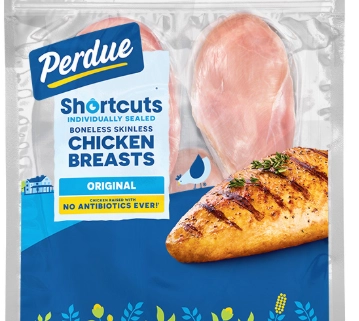
I've been down this road. I've bought the Perdue chicken breast that turned out great, and I've definitely bought some that left me wondering what I did wrong (hint: sometimes it wasn't me). After cooking way more of this stuff than I'd like to admit, and digging into what makes Perdue tick, I think I've got a handle on it. This isn't a fancy chef's guide. It's just a straight-up look at what you're getting, how to pick it, and how to make it work for a regular Tuesday night dinner.
The Bottom Line Up Front: Perdue is one of the biggest poultry producers in the U.S. They offer a wide range of chicken breast products, from basic no-frills options to premium antibiotic-free and organic lines. The quality is generally consistent and reliable for a national brand, but knowing which bag to grab is key to matching it with your cooking style and priorities (like price, convenience, or specific raising practices).
A Quick Look at the Perdue Chicken Breast Family
Perdue isn't just one thing. They've got a whole lineup, and it's grown over the years. It can feel like they have a different bag for every possible customer. To make sense of it, let's break down the main players you'll find in most supermarkets.
Think of it like this: you've got your everyday workhorse, your slightly fancier option, and your top-shelf pick. They all serve a purpose.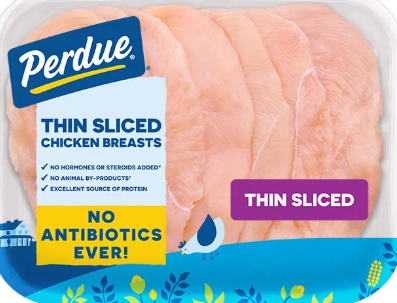
| Product Line | Key Features & Claims | Best For... | My Practical Take |
|---|---|---|---|
| Perdue Harvestland | Organic, No Antibiotics Ever, USDA Organic certified, Free Range (some products). Often air-chilled. | Shoppers prioritizing organic certification and specific animal welfare standards. Willing to pay a premium. | This is their premium tier. The chicken breast tends to be firmer and have a more distinct "chicken" flavor, which I like. The air-chilling (where they use cold air instead of water baths) means less water weight, so you're paying for meat, not liquid. It's pricier, but for a special meal or if organic is non-negotiable for you, it's a solid choice. |
| Perdue Simply Smart | Original and Gluten-Free versions. Pre-portioned, pre-seasoned, or ready-to-cook options. "No Antibiotics Ever." | Busy families needing convenience. The pre-marinated or pre-cut options save serious time on weeknights. | Honestly, the convenience is the main sell here. The original "Simply Smart" breasts are just reliable, no-antibiotic chicken. But where this line shines is stuff like the pre-cut chunks or the lemon garlic marinated breasts. You're paying for the labor they did for you. The gluten-free breaded cutlets are a lifesaver for families with dietary restrictions—they fry up crisp and my kids can't tell the difference. |
| Perdue Fresh (The Classic Yellow Bag) | Their classic, most widely available line. "No Antibiotics Ever" is now standard here too. Often the most affordable Perdue option. | Everyday cooking where you want a trusted brand name without the premium price of Harvestland. Your go-to for basic recipes. | This is the Perdue chicken breast most people know. It's consistent. It's not going to blow your mind with flavor, but it's a dependable protein base for soups, stews, casseroles, or any recipe where you're adding a lot of seasoning. The move to "No Antibiotics Ever" across their fresh portfolio a few years ago was a big deal and addressed a major consumer concern. |
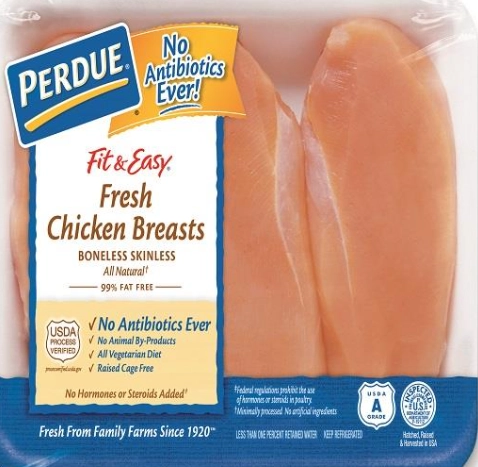
You might also see Perdue Fit & Easy (thin-sliced for quick cooking) or Perdue Fresh Cuts (pre-cut for stir-fry or fajitas). These are usually subsets of the main lines above, just in a more convenient form.
I remember grabbing the classic yellow bag for years without much thought. It did the job. But the first time I tried the Harvestland air-chilled breast, I noticed a difference in texture right away—it seared better because the surface was drier. It's a small thing, but it matters if you're aiming for a perfect golden crust.
What's the Deal with "No Antibiotics Ever" and Air-Chilling?
You see these terms on the packages all the time. They sound good, but what do they actually mean for your chicken breast, and why should you care?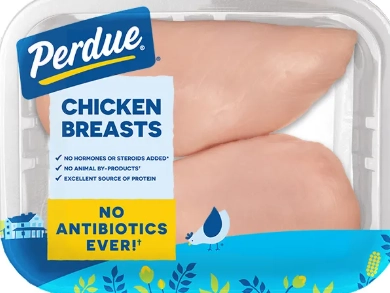
No Antibiotics Ever
This one's pretty straightforward. It means the chickens were never given antibiotics, not even for disease prevention. This has become a huge selling point. The concern, which agencies like the CDC discuss, is around antibiotic resistance in humans. Perdue was actually one of the first major brands to commit to removing all antibiotics from their hatcheries, and now it's a standard claim across their fresh chicken.
Is it a must-have? From a pure food safety standpoint, all chicken is inspected by the USDA. But if you're concerned about agricultural practices and potential public health impacts, it's a meaningful label. For me, it's a point in Perdue's favor—it shows they responded to what people were asking for.
Air-Chilling (vs. Water-Chilling)
This is a processing technique, and it's a big one for quality. Here's the simple breakdown:
- Water-Chilling: The industry standard for decades. After processing, chicken carcasses are soaked in huge, cold water baths. The chicken absorbs some of that water. The USDA allows this, but the package must state if it contains added water (like "Contains up to 4% retained water").
- Air-Chilling: Instead of water baths, the chickens are moved through chambers of cold, circulating air. This method doesn't add water weight.
Why does this matter for your Perdue chicken breast?
- You're Paying for Meat, Not Water: An air-chilled breast hasn't plumped up with water. So, pound for pound, you're getting more actual chicken muscle.
- Better Browning & Texture: Excess surface water is the enemy of a good sear. Air-chilled chicken has a drier surface, which means it browns beautifully in a pan or on a grill without steaming first.
- Potentially More Flavor: Some people (myself included) think air-chilled chicken has a cleaner, more concentrated flavor because it hasn't been diluted.
Not all Perdue chicken breast is air-chilled. It's a premium feature, so you'll primarily find it in the Harvestland line and sometimes in specific Simply Smart offerings. It'll be proudly stated on the label. If you've ever been frustrated by a pan full of white liquid instead of a sizzling sear, seek out air-chilled.
The Real-World Guide to Cooking Perdue Chicken Breast
Okay, you've bought your package of Perdue chicken breast. Now comes the part where it can all go wrong. Let's avoid that.
The single biggest mistake people make? Overcooking. Chicken breast is lean. It has very little fat to keep it moist. Once it goes past that perfect point of doneness (165°F internal temperature), it starts squeezing out its juices and turns tough and dry. Fast.
Non-Negotiable Tool: A good instant-read digital meat thermometer. Don't guess. Don't cut it open and look (that lets all the juices out!). Just probe it. Target 160-162°F, then let it rest for 5 minutes. The temperature will carry over to a safe 165°F, and the juices will redistribute. This one step will improve your chicken breast game by 100%.
My Go-To Methods for Foolproof Results
Every method has its place. Here's when I use what.
Pan-Searing (The Weeknight Hero)
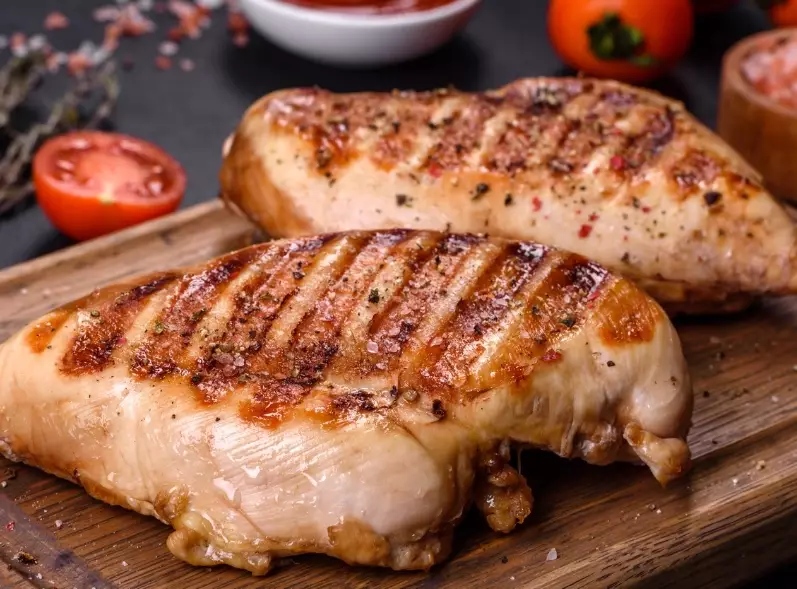
This is my default for 1-2 breasts. Pat the Perdue chicken breast completely dry with paper towels. This is critical! Season generously. Get a stainless steel or cast-iron skillet screaming hot with a little oil. Add the breast. Don't touch it for 5-7 minutes until you get a deep golden crust. Flip, cook another 4-6 minutes, then check temp. Let it rest on a plate. You get maximum flavor with minimal fuss.
Baking (The Crowd-Pleaser)
Need to cook 4-6 breasts evenly? Baking is your friend. I like to pound them to an even thickness first (put them in a zip-top bag and whack with a rolling pin). Uneven thickness = uneven cooking. Bake at 425°F (220°C) on a parchment-lined sheet. They cook faster at high heat, so maybe 15-20 minutes. Check early with that thermometer.
A trick I learned? Bake them on a wire rack set over the sheet pan. The hot air circulates all around, leading to more even cooking and a slightly crisper exterior. Works like a charm.
Poaching (The Secret for Salads & Shredding)
If you want supremely moist, tender chicken for chicken salad or to shred for tacos, poaching is underrated. Submerge breasts in cold broth or salted water in a pot. Bring to a bare simmer (tiny bubbles, not a boil), cover, turn off the heat, and let it sit for 15-20 minutes. They cook gently and stay incredibly juicy. Perfect every time.
I used to hate making chicken salad because the breast was always so dry. Poaching a Perdue Simply Smart breast (the plain one) in some leftover vegetable broth changed everything. It stayed so moist and absorbed just a hint of flavor from the broth.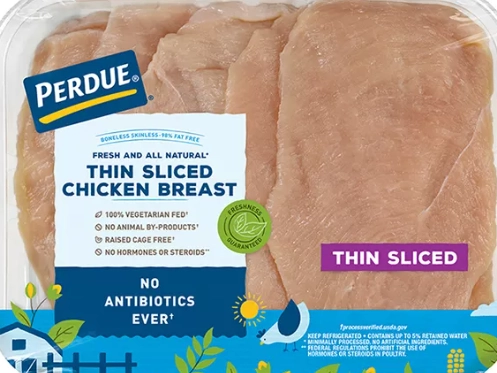
What About Those Pre-Marinated Perdue Chicken Breasts?
The ones from the Simply Smart line? They're convenient, but they have a higher sodium content—that's how the flavor gets in there. They also sometimes contain solutions to help retain moisture. They're designed to be foolproof. Just throw them in a pan or the oven. The trade-off is control. You can't adjust the seasoning. For a busy night, they're a great tool. For a recipe where you want a specific flavor profile, you're better off starting with a plain breast.
Nutrition, Storage, and Food Safety
Let's cut through the noise on the basics.
Nutrition Facts (The Plain Skinless Breast)
A 4-oz (112g) serving of cooked, plain Perdue chicken breast (like from the classic line) will give you roughly:
- Calories: ~130-150
- Protein: ~25-30g (It's a protein powerhouse)
- Fat: ~1.5-3g (Very low)
- Carbohydrates: 0g
Obviously, marinated, breaded, or flavored products will have different numbers—always check the specific package label. The USDA's Food Safety and Inspection Service site is the ultimate source for general food safety and labeling info, which is where these standard estimates come from.
Storing It Right
This seems simple, but doing it wrong can ruin good chicken.
- In the Fridge: Keep it in its original packaging if you'll use it within 1-2 days of purchase. For longer, or if the package is leaky, transfer it to a plate or bowl, cover loosely, or put it in a sealed container on the bottom shelf (so drips don't contaminate other foods). The "sell-by" date is a guide for the store. You typically have 1-2 days after that date to cook it if it's been stored at 40°F or below.
- In the Freezer: This is the best way to extend its life. For best quality, re-package it. I vacuum seal if I have time, but a double layer of heavy-duty freezer bags, with as much air squeezed out as possible, works great. Label it with the date! A plain Perdue chicken breast will keep for 9-12 months in a deep freeze at 0°F, but try to use it within 3-4 months for the best texture. Marinated products might not freeze as well due to the ingredients in the solution.
Thaw safely—in the fridge overnight, in cold water (in a leak-proof bag), or in the microwave using the defrost setting only if you're cooking it immediately after. Never thaw on the counter.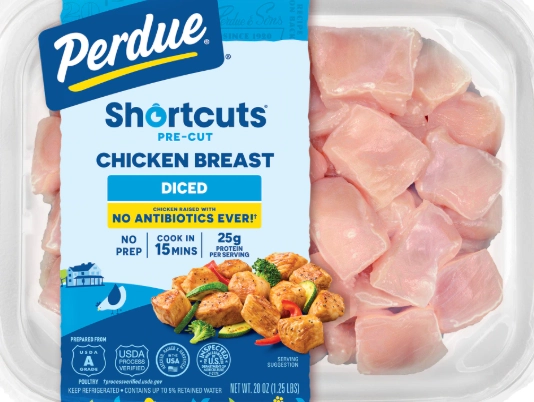
Answering Your Perdue Chicken Breast Questions
The Final Verdict: Is Perdue Chicken Breast Worth It?
Look, no brand is perfect. But after all this, here's my honest take.
Perdue chicken breast is a reliable, widely available choice for most home cooks. Their commitment to "No Antibiotics Ever" is a significant plus that sets them apart from some generic brands. The variety in their product lines means you can choose based on your needs: budget (classic line), convenience (Simply Smart), or premium features (Harvestland organic and air-chilled).
The occasional quality hiccup (like woody breast) can happen, but it's an industry-wide challenge, not a Perdue-exclusive problem.
For me, the value comes from consistency and options. When I need plain chicken for a recipe I'm spending time on, I might grab the Harvestland air-chilled. When I'm in a Tuesday night scramble, the pre-cut Simply Smart chunks go in my cart. And when I just need a basic protein, the classic yellow bag does the job without fuss.
The real secret isn't the brand name on the bag. It's how you handle it in your kitchen. Pat it dry. Cook it to the right temperature (not a degree more). Let it rest. Do those things, and even a basic Perdue chicken breast will turn out juicy and satisfying. Skip those steps, and even the most expensive organic breast can turn into a hockey puck.
So, next time you're at the store, you can look at those yellow bags with a bit more confidence. You know what's in them, what the labels mean, and exactly how to turn that package into a dinner everyone will actually enjoy.
Related Articles