Perdue Chicken Short Cuts: The Ultimate Guide to Taste, Nutrition & Easy Meals
Quick Navigation
Let's be real for a second. How many times have you stood in front of the refrigerator at 6 PM, utterly defeated, with zero idea what to make for dinner? The kids are hungry, you're tired from work, and the thought of thawing chicken, chopping veggies, and dealing with a messy stovetop feels like climbing a mountain. I've been there more times than I care to admit. That's exactly where products like Perdue Chicken Short Cuts swoop in, promising salvation from the weeknight dinner scramble. But are they any good? I mean, really good—not just "desperate times" good. I decided to find out, not as a food critic, but as someone who just wants a decent meal on the table without the drama.
You've probably seen those neat, clear plastic packages in the refrigerated meat section. Fully cooked, seasoned chicken, ready to toss into anything. The promise is irresistible. But I had questions. Lots of them. Does it taste like real chicken, or that weird, rubbery stuff? Is it packed with sodium and weird preservatives? Is it actually cheaper than just cooking a chicken breast yourself? And most importantly, can it help me win back my weeknights? This isn't a flashy review. It's a deep, practical dive into everything Perdue Short Cuts—the flavors, the nutrition facts, the best ways to use them, and the honest-to-goodness pros and cons. Consider this your no-BS handbook.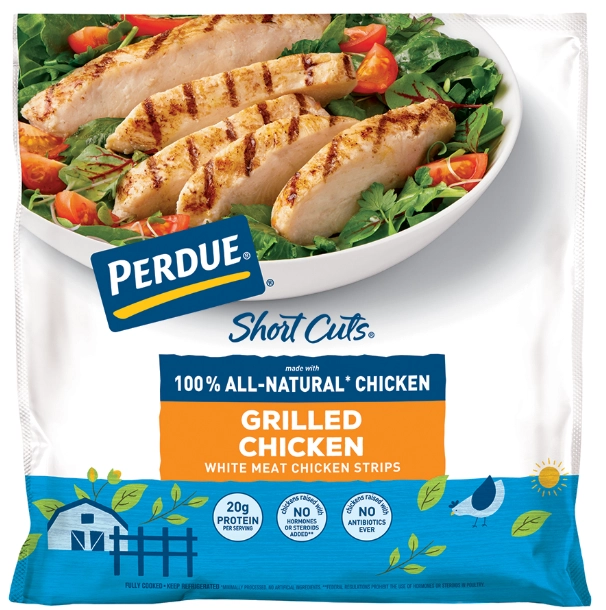
The Core Promise: Perdue Chicken Short Cuts are pre-cooked, ready-to-eat strips or chunks of chicken breast. They're designed to be a convenience product, eliminating the need for cooking raw chicken from scratch. You can eat them cold (straight from the package in a pinch, though I don't recommend it for flavor) or, more commonly, heat them up quickly and add them to your dish.
What Exactly Are You Buying? A Breakdown of the Product
Before we get into whether you should buy them, let's get clear on what's in the bag. It's not just "chicken." Understanding the details helps set the right expectations.
The Varieties and Flavors (It's Not Just "Grilled")
Perdue offers a few different lines. The classic Perdue Chicken Short Cuts come in several flavors. I've tried most of them, and the experience varies wildly.
The Grilled flavor is the baseline. It's meant to be neutral, a blank canvas. It works, but sometimes it can lean a bit dry if you're not careful with reheating. The Southwest Style is my personal favorite for tacos and bowls—it has a kick of chili and cumin that's noticeable but not overwhelming. The Roasted Garlic & Herb is solid for pasta and salads, though the garlic powder flavor can be a tad artificial if you're a fresh garlic snob (guilty as charged). They also have a Buffalo style, which is perfect for lazy wrap nights, and an Italian Style. They've even rolled out things like Perdue Chicken Short Cuts carved breast for a more "whole muscle" feel.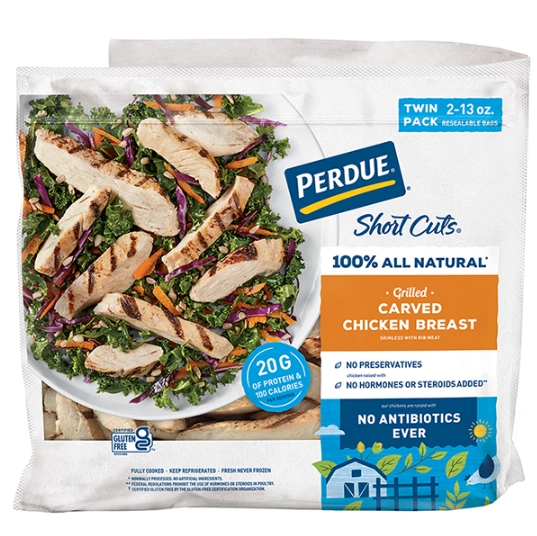
Here’s a quick look at how the main flavors stack up for different uses:
| Flavor | Best For | Taste Profile | My Honest Take |
|---|---|---|---|
| Grilled | Salads, Sandwiches, Fried Rice, Casseroles | Mild, slightly smoky, basic chicken flavor. | The utility player. Won't wow you, but rarely clashes. Watch for dryness. |
| Southwest Style | Tacos, Burrito Bowls, Quesadillas, Taco Salad | Zesty, with chili powder, cumin, a hint of lime. | Most reliable flavor. Actually tastes seasoned. Saves you from mixing a dozen spices. |
| Roasted Garlic & Herb | Pasta Dishes, Flatbreads, Grain Bowls, Salads | Savory, herbal, pronounced garlic (powder) flavor. | Good for Italian-themed dishes. The garlic flavor is strong, so it dominates the dish. |
| Buffalo Style | Wraps, Sliders, Pizza Topping, Mac & Cheese | Tangy, spicy, classic buffalo sauce vibe. | Surprisingly decent heat level. Saves you the mess of coating raw chicken in sauce. |
| Italian Style | Pasta, Subs, Salads, Pizza | Herby with basil, oregano, and a tomato-ish note. | Like a pizza topping in a bag. Convenient for specific uses. |
You'll also find them in different forms—strips are most common, but sometimes you get chunks or carved pieces. The texture differs slightly. Strips can be a bit more fibrous, while chunks can be more tender. It's worth checking the package.
The Nutrition Facts: The Good, The Bad, The "Meh"
This is where people get nervous. Pre-cooked, processed meat? The sodium must be through the roof, right? Let's look.
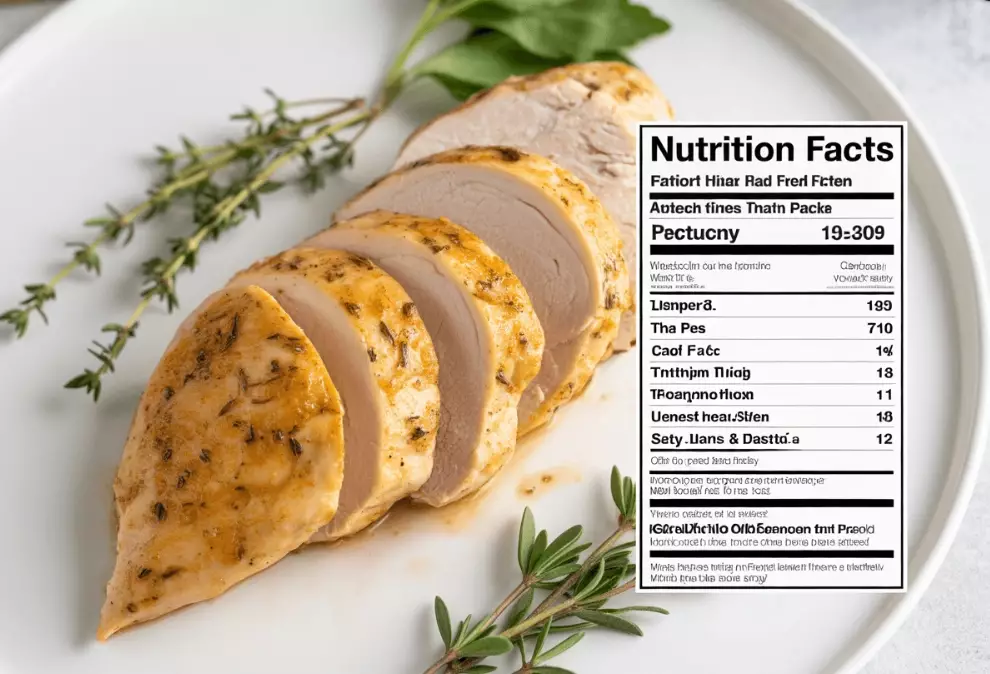
I grabbed a bag of the Grilled Perdue Short Cuts chicken. For a 3-ounce serving (about 85 grams), you're looking at roughly 110 calories, 2.5 grams of fat, and a whopping 21 grams of protein. That protein content is legitimately excellent. It's lean protein, which is the main selling point from a health perspective. The carb count is minimal, usually 1-3 grams depending on the flavor, making it friendly for lower-carb eating styles.
Now, the elephant in the room: sodium. Yes, it's high. That same serving can have between 450-650mg of sodium. That's about 20-28% of the recommended daily limit. The flavored varieties (Southwest, Buffalo) are on the higher end. If you're on a strict low-sodium diet, this is a dealbreaker. For the average person, it's a trade-off. You're trading the convenience of not adding salt during cooking for this pre-loaded sodium. You need to account for it in the rest of your meal—go easy on the soy sauce in your stir-fry, skip adding extra salt to your salad dressing.
What about ingredients? The grilled version list is fairly short: chicken breast, water, seasoning (salt, spices, etc.), and sometimes a starch or natural flavor for retention. The flavored ones have longer lists with dextrose, yeast extract, natural flavors. It's not a clean-label superstar, but it's also not a chemical soup. For a detailed understanding of sodium guidelines, the FDA's resources on sodium in your diet provide great context for evaluating products like this.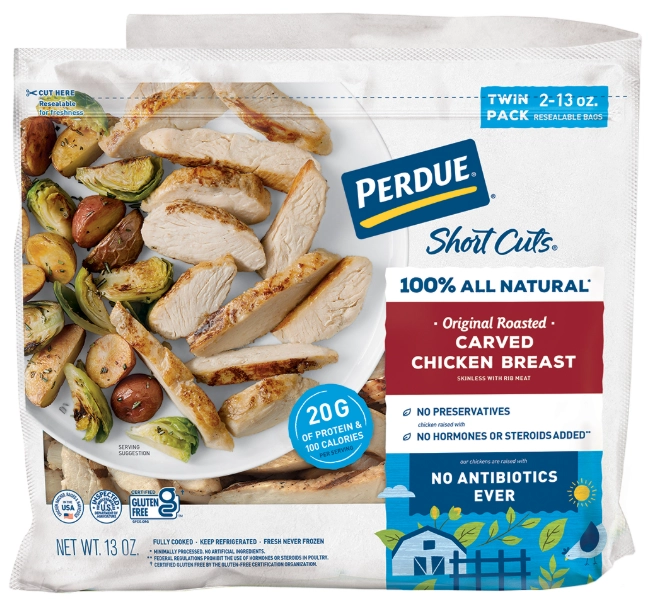
The Sodium Reality Check: The convenience of Perdue Chicken Short Cuts comes with a sodium premium. One serving can cover a quarter of your daily limit. If you use a whole bag in a family-sized pasta dish, that sodium adds up fast across everyone's plates. It's the number one reason some folks walk away from this product.
The Real-World Test: How Do Perdue Chicken Short Cuts Actually Perform?
Okay, specs are one thing. But how do they hold up in the chaos of a real kitchen? I used them for a solid two weeks in everything I could think of.
The Major Advantages (Why You Might Become a Convert)
Let's start with the good stuff, because when these work, they're a game-changer.
Time is everything. This is the undisputed champion benefit. From package to plate in under 5 minutes. No dealing with raw chicken juices, no worrying about undercooking, no waiting for it to thaw. On a Tuesday night when my brain is fried, that's priceless. I've made a chicken Caesar salad in the time it took to wash the romaine.
Consistent results. You never get a dry, overcooked bite? Well, you can if you nuke it to oblivion. But generally, the texture is reliably moist (not juicy like a perfectly roasted breast, but not sawdust either). It's predictable. For meal prep, that's huge. Every portion is the same.
Reduced mess and food safety anxiety. No cutting boards soaked in chicken juice, no scrubbing pans with stuck-on chicken bits. For anyone nervous about cross-contamination with raw poultry (a very valid concern, especially with kids around), this eliminates that risk entirely. The USDA's safe food handling guidelines stress the importance of preventing cross-contamination, and using a pre-cooked product is one way to sidestep that issue.
Portion control and reduced waste. The bag is a set amount. You use it all, or you reseal it and use the rest tomorrow. No half-used chicken breast languishing in the fridge until it turns scary.
I remember one particularly hellish evening with a work deadline and a sick kid. I dumped a bag of the Southwest style into a pot with a jar of black bean soup, heated it for three minutes, and called it dinner. It was nourishing, it was fast, and it saved my sanity. In moments like that, you don't care about gourmet credentials.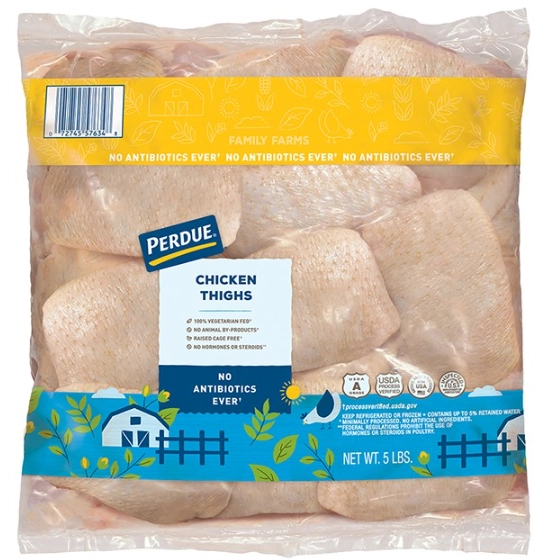
The Drawbacks and "Meh" Moments (Keeping It Real)
It's not all sunshine and quick dinners. There are legitimate downsides.
The cost per pound. Oh, this one stings. Pound for pound, Perdue Chicken Short Cuts are significantly more expensive than buying raw chicken breast. You're paying for the cooking, seasoning, packaging, and convenience. If your primary goal is to save money, this is not your product. Cooking a big batch of chicken breast on Sunday is far more economical.
The texture can be... off. Sometimes, you get a batch that's a bit mushy or has a uniform, almost "re-formed" feel. It lacks the satisfying tear of a hand-shredded, home-cooked chicken breast. The grilled ones can edge into dry territory if you're not careful.
Flavor limitations. While the seasoned varieties are handy, you're locked into their flavor profile. Want a subtle lemon-herb chicken for a delicate salad? The bold Italian or Buffalo flavors will overpower it. The "Grilled" is your only option for customization, and even then, it's already salted.
The environmental footprint. More plastic packaging than a simple tray of raw chicken. It's something to consider.
My biggest personal gripe? Sometimes, especially in the grilled version, there's a faint, almost imperceptible "processed" aftertaste. It's not strong, and my husband never notices it, but my palate picks up on it. It's not horrible, just a reminder that this didn't come straight from a roast.
Pro Tips & Hacks: How to Use Perdue Short Cuts Chicken Like a Boss
Don't just dump it in a bowl. A few simple tricks can elevate these from "convenience food" to "secret weeknight weapon."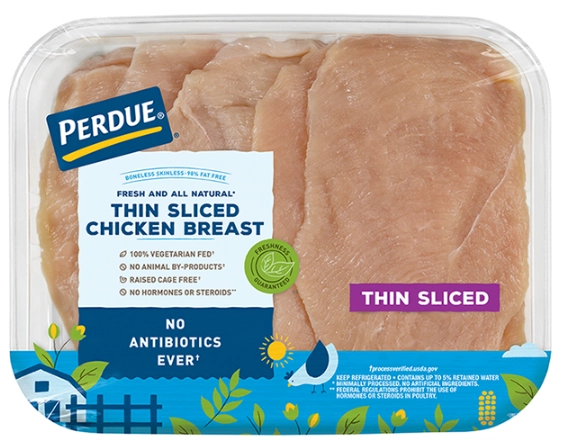
The Golden Rule: Don't Overheat! This is the single most important tip. These are already cooked. You're just warming them through. If you microwave them for 2 minutes on high or toss them in a screaming hot pan, they'll turn into rubber. Gentle heat is key.
Best Reheating Methods:
- Stovetop (Best for texture): A non-stick skillet over medium-low heat. Add a tiny splash of water, broth, or even a pat of butter. Add the chicken, cover, and heat for 2-4 minutes, stirring once, just until hot. The steam keeps it moist.
- Microwave (Fastest): Place in a microwave-safe dish, sprinkle with a teaspoon of water, and cover with a damp paper towel. Heat on 50% power for 60-90 seconds, stir, check. Never use full power.
- Add at the very end: When making soups, stews, or pasta sauces, stir the Perdue chicken short cuts in during the last minute of cooking. Let them warm through in the hot liquid.
Flavor Boosters: The grilled version is a blank slate. After warming, toss it with a squeeze of fresh lemon, a drizzle of good olive oil, a sprinkle of fresh herbs, or a dash of your favorite sauce (teriyaki, pesto, BBQ). This takes 30 seconds and makes it taste homemade.
Beyond the Salad: Creative Recipe Ideas
Everyone thinks salad first. Let's get more creative.
Lightning-Fast Chicken & Broccoli Stir-Fry
Steam or microwave broccoli florets. In a skillet, stir-fry some sliced onions and bell peppers in a little oil. When soft, add the steamed broccoli and a bag of Grilled Perdue Short Cuts. Pour over a sauce of 3 tbsp soy sauce (low-sodium!), 1 tbsp honey, 1 tsp grated ginger, and 1 minced garlic clove. Toss until hot and coated. Serve over rice. Dinner in 12 minutes flat.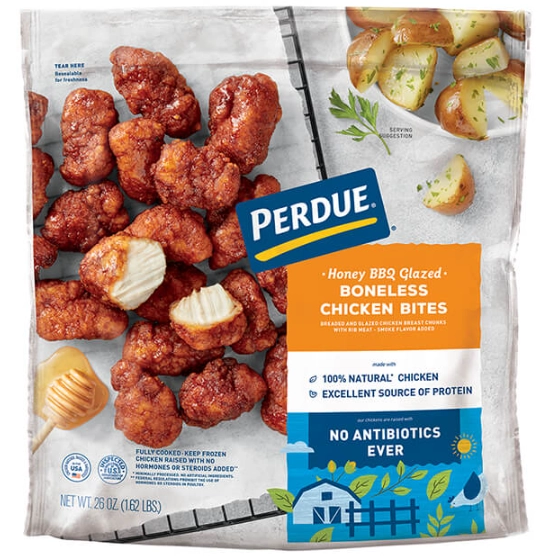
No-Boil Chicken Enchilada Skillet
In an oven-safe skillet, mix a can of enchilada sauce with a can of black beans (rinsed) and a cup of corn. Stir in a bag of Southwest Style Perdue Chicken Short Cuts. Top with shredded cheese and crushed tortilla chips. Bake at 375°F for 15-20 minutes until bubbly. Top with avocado and sour cream. It's a crowd-pleaser with almost zero active cooking.
Gourmet-ish Flatbread Pizza
Use naan or a pre-made flatbread as your base. Spread with pesto or olive oil. Top with Roasted Garlic & Herb Perdue chicken short cuts, sliced cherry tomatoes, fresh mozzarella pearls, and a sprinkle of red pepper flakes. Bake at 400°F for 8-10 minutes. Finish with fresh basil. It feels fancy but took 15 minutes.
The key is to use them as a component, not the star. Let the other fresh ingredients shine.
Your Burning Questions, Answered (FAQ)
The Final Verdict: Who Are Perdue Chicken Short Cuts Really For?
After all this, here's my take. Perdue Chicken Short Cuts are not for everyone, every day. They are a strategic tool for a specific kind of cook.
Buy them if: Your time is more valuable than money on busy weeknights. You hate handling raw chicken. You need a reliable protein for lunch meal prep (think weekly salad jars). You're a cooking novice who wants to assemble easy, healthy-ish meals without the fear of undercooking meat. You're making a dish where the chicken is just one component among many bold flavors (like a loaded salad or a cheesy casserole).
Skip them if: You are on a strict budget. You are limiting sodium intake for health reasons. You are a purist who values only whole, minimally processed foods and enjoys the act of cooking. You need chicken to be the juicy, star-of-the-show centerpiece of your meal.
For me, they've earned a permanent spot in the back of my fridge. Not as a staple, but as an emergency backup, a "plan B" for those nights when plan A goes out the window. I don't feel great about the sodium or the cost, but I feel fantastic about reclaiming an hour of my evening to relax instead of scrub pans. In the modern juggle of work, life, and everything else, that trade-off, occasionally, is absolutely worth it. Just don't expect it to taste like your grandmother's roasted chicken. Expect it to taste like a Tuesday night victory.
So next time you're in the store, staring at that package, you'll know exactly what you're getting into. You can make an informed choice. And maybe, just maybe, you'll get to sit down and eat while your food is still hot.
Related Articles