The Ultimate Guide to Perfect Roasted Whole Chicken in Your Oven
Let's be honest. A roasted whole chicken should be simple. Yet, how many times have you ended up with pale, rubbery skin, dry breast meat, or undercooked thighs? I've been there. My first attempt years ago was a sad, steam-baked bird that my dog eyed with pity. The problem isn't the concept; it's the tiny missteps we don't talk about. Getting that golden, crackling skin and juicy, flavorful meat from cavity to carving board isn't about fancy tricks. It's about understanding a few non-negotiable principles of heat, moisture, and patience.
What's Inside This Guide?
The Prep Work Everyone Skips (But Shouldn't)
You pull the chicken from its packaging, maybe give it a rinse (a debated step – the USDA actually advises against rinsing due to splash contamination), pat it dry, and start seasoning. Stop right there. The single most critical step for crispy skin happens now, before any heat touches the bird.
Dry the skin, thoroughly and completely. I mean, get aggressive with those paper towels. Dry the outside, pull back the skin over the breast and dry underneath, reach inside the cavity. Any surface moisture will turn to steam in the oven, steaming the skin instead of letting it roast and crisp. For the best results, do this, then leave the uncovered chicken on a rack in your fridge for a few hours, or even overnight. This air-drying stage is a game-changer you rarely see in basic recipes.
Common Mistake: Trussing the chicken too tightly. A tightly trussed bird cooks more evenly, but it also traps steam against the skin, especially in the leg and wing crevices, leading to soggy patches. I prefer a loose truss or just tying the legs together gently. Let the hot air circulate.
Let's talk about the chicken itself. A standard 4-5 pound broiler/fryer chicken is perfect. Don't bother with a massive bird; it's harder to cook evenly. Look for air-chilled if possible (it results in less retained water). And please, take the giblets out of the cavity. I've forgotten once. The smell of roasting paper bag is... distinctive.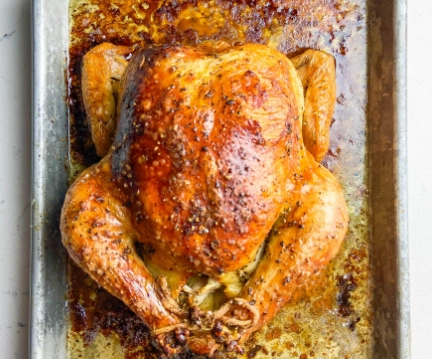
Seasoning Secrets: Dry Rubs, Wet Brines, and Compound Butter
Flavor needs to go beyond the surface. Salting is the most important part of seasoning, and timing matters.
Dry-Brining (The Best Method for Weeknights)
This is my go-to. After drying the chicken, generously season the entire surface (inside and out) with kosher salt. Use about 1 teaspoon per pound. Then, do that fridge-uncovered step I mentioned. The salt draws out moisture, dissolves, and is re-absorbed deep into the meat, seasoning it throughout and helping it retain juices during cooking. It also further dries the skin. You can add other dry spices (pepper, garlic powder, paprika) at this stage too.
Wet-Brining (For Ultimate Juiciness)
Submerging the chicken in a saltwater solution (with optional herbs, sugar, citrus) for 4-12 hours infuses flavor and moisture. It's fantastic for ensuring juiciness, but it can make the skin harder to crisp unless you dry it very well afterwards. The America's Test Kitchen method is a reliable standard here.
The Under-Skin Trick
Whether you dry-brine or not, before roasting, gently loosen the skin over the breast and thighs with your fingers. Rub softened compound butter (butter mixed with herbs, garlic, lemon zest) directly onto the meat under the skin. This bastes the meat from the inside as it renders, adding incredible flavor and richness.
Simple Compound Butter: Mix 4 tbsp softened unsalted butter with 1 minced garlic clove, 1 tbsp chopped fresh thyme or rosemary, the zest of half a lemon, and a pinch of black pepper. Slide it under the skin.
The Roasting Process: Temperatures, Timing, and Tools
Here's where we separate home cooks from home chefs. The biggest misconception? Needing to roast a chicken low and slow the whole time. That's a surefire path to dry breast meat.
Start Hot, Finish Steady
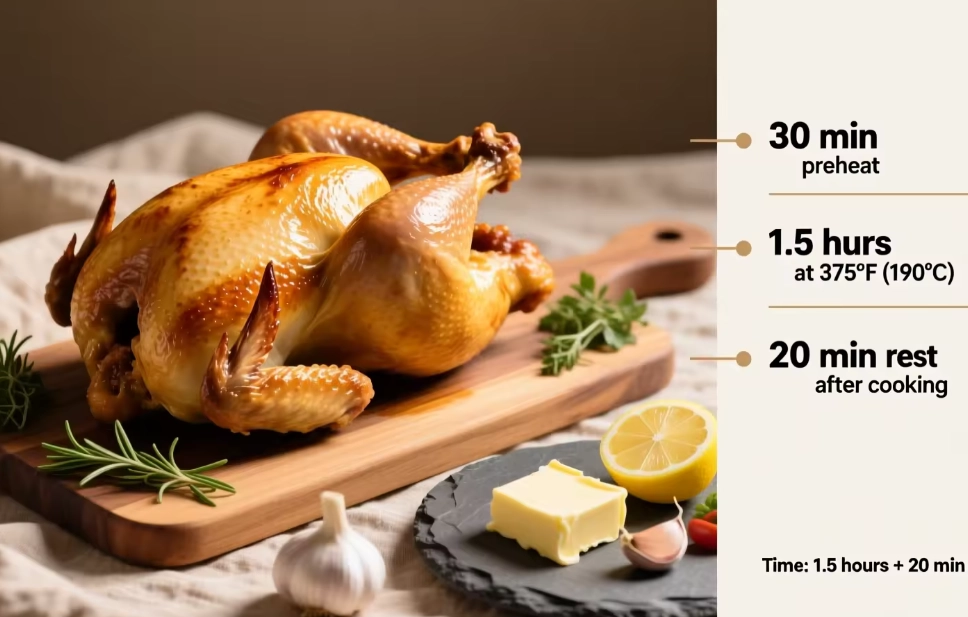
My preferred method: Crank your oven to 450°F (230°C). Place the chicken on a rack in a roasting pan or skillet. Roast at this high heat for 20-25 minutes. This initial blast sets the skin, starts the browning, and gets the cooking process moving fast. Then, without opening the door, reduce the heat to 375°F (190°C) and continue roasting until done. This method gives you the best of both worlds: crackling skin and evenly cooked meat.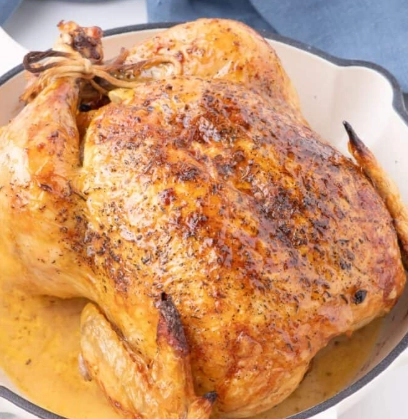
The Only Tool That Matters: A Meat Thermometer
Forget poking it and hoping for clear juices. Forget fixed minutes-per-pound charts. Ovens vary. Chicken sizes vary. A good instant-read thermometer is non-negotiable. Insert it into the thickest part of the thigh, avoiding the bone. You're aiming for 165°F (74°C). The breast should read about 155-160°F (68-71°C) – it will carryover cook during resting. Relying on time alone is the second most common mistake after not drying the skin.
| Chicken Weight (lbs) | Initial High-Heat Time (450°F) | Estimated Finish Time at 375°F | Target Thigh Temp |
|---|---|---|---|
| 3.5 - 4 | 20 min | 40-50 min | 165°F |
| 4 - 4.5 | 22 min | 50-60 min | 165°F |
| 4.5 - 5 | 25 min | 60-70 min | 165°F |
A note on vegetables: Tossing root vegetables (potatoes, carrots, onions) in the pan is classic. But if you do, put them under the rack. They'll cook in the drippings but won't steam the chicken. If you want them crispy, roast them on a separate tray.
The Rest and The Carve: Don't Ruin It Now
You've nailed the cook. The skin is golden. The thermometer reads perfect. The urge to carve immediately is powerful. Resist it.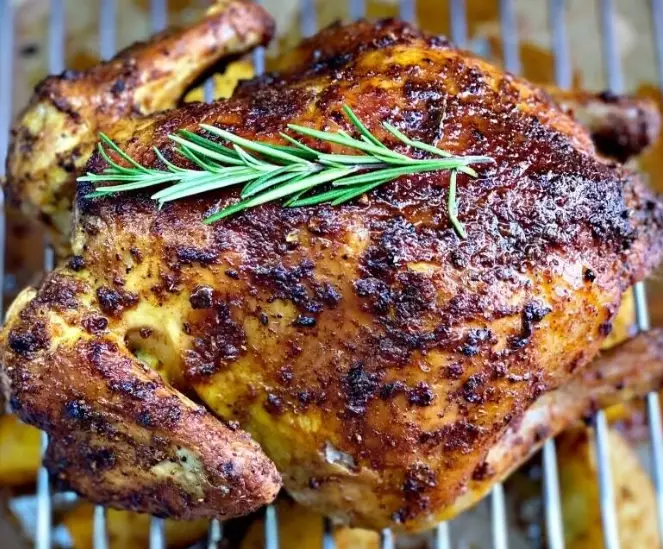
Transfer the chicken to a cutting board and let it rest for at least 15-20 minutes, tented loosely with foil. This allows the juices, which have been driven to the center by the heat, to redistribute throughout the meat. If you cut right in, all those precious juices will flood the board, leaving the meat dry. Use this time to make a quick pan gravy with the drippings.
Carving is simpler than it looks. Remove the legs (thigh and drumstick together) by cutting through the skin and joint where they meet the body. Separate the thigh from the drumstick if you like. Remove the wings. Then, slice down either side of the breastbone and remove each breast whole, slicing them crosswise on the board. It's less about surgical precision and more about getting good portions with some skin on each piece.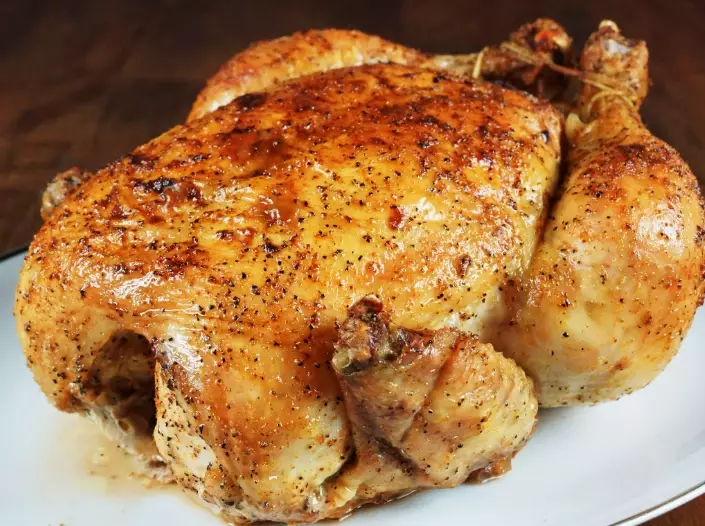
Your Roast Chicken Questions, Answered
Related Articles