Dark Meat on Chicken: Ultimate Guide to Flavor, Nutrition & Cooking
Quick Navigation
- What Exactly Is Dark Meat on a Chicken?
- Dark Meat vs. White Meat: The Real Breakdown
- Why Dark Meat Tastes So Much Better (It's Science)
- How to Cook Dark Meat Chicken Perfectly Every Time
- Debunking the Biggest Myths About Dark Meat
- Answering Your Dark Meat Questions (FAQ)
- My Go-To Simple Weeknight Dark Meat Recipe
- Final Thoughts: Embrace the Dark Side
Let's talk about the good stuff. You know, the parts of the chicken that actually taste like something. I'm talking about dark meat on chicken. For years, white meat got all the glory. The breast was the star of every boring diet plate, while the thighs and drumsticks were shoved to the side, considered the less healthy, fatty options.
What a load of nonsense.
If you've ever bitten into a perfectly cooked, juicy chicken thigh and wondered why it's so much more satisfying than a dry breast, you're not alone. There's real science and even better flavor behind it. This isn't just about preference; it's about understanding what you're actually eating, how to cook it right, and why so many home cooks and professional chefs are team dark meat.
I remember the first time I really got it. I was trying to cook a whole chicken for a family dinner, terrified of undercooking it. The breasts were done in what felt like seconds, reading 165°F while the legs were still stubbornly pink near the bone. In a panic, I kept cooking. The result? Shoe-leather breasts and, finally, perfect, succulent dark meat. The family fought over the legs and left the breast behind. Lesson learned.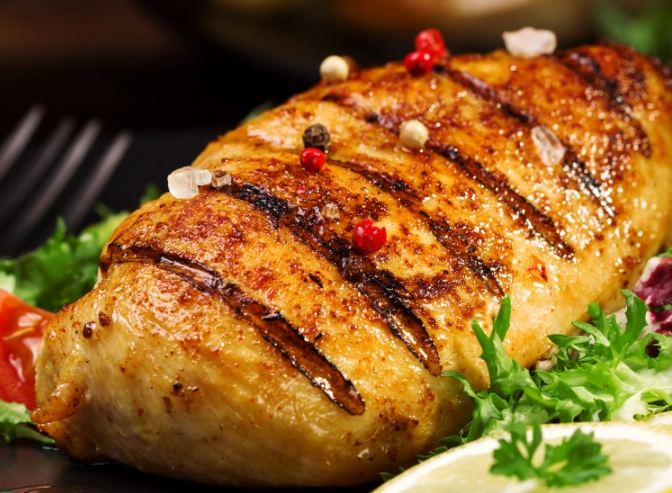
What Exactly Is Dark Meat on a Chicken?
It's not a different animal. It's the same chicken, just different muscles. The dark meat on chicken refers specifically to the muscles that get more use—the legs (thighs and drumsticks) and sometimes the wings (though wings are a mix). Think about it. A chicken spends its life standing, walking, and scratching. Its leg and thigh muscles are constantly working. That activity requires a steady, reliable supply of oxygen.
This is where myoglobin comes in. Myoglobin is a protein that stores oxygen in muscle cells. Muscles that are used more frequently, like a chicken's legs, contain much more myoglobin than muscles that are used for short bursts, like the breast muscles used for flapping. Myoglobin is dark red. When cooked, it turns a grayish-brown, giving the meat its characteristic "dark" color. It's the same reason why a duck's breast is dark (they fly a lot) and why a cow's leg meat is different from its back meat.
So, dark meat isn't dirty or lower quality. It's literally a sign of a hard-working muscle. And that hard work translates directly into flavor and texture.
Key Takeaway: Dark meat = high-myoglobin muscles (legs, thighs). White meat = low-myoglobin muscles (breast). More myoglobin means more flavor, more fat, and more forgiveness during cooking.
Dark Meat vs. White Meat: The Real Breakdown
This is the heart of the debate. Is one truly better than the other? It completely depends on what you're looking for. Let's ditch the opinions and look at the facts. I've put together a comparison based on data from the USDA FoodData Central, which is about as authoritative as it gets for nutritional information.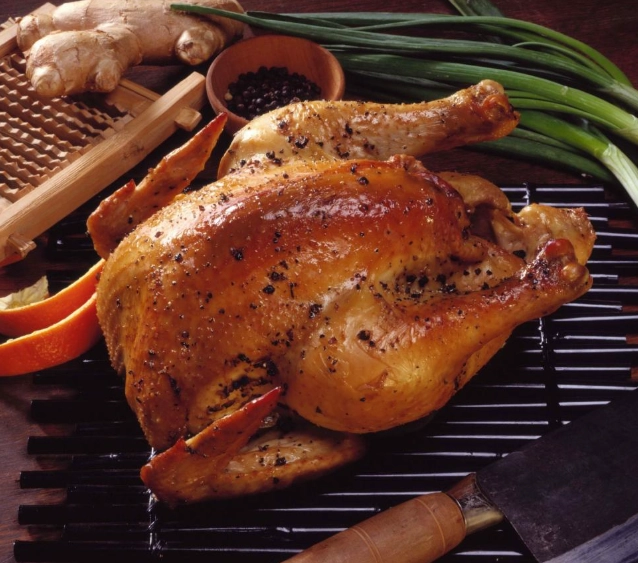
| Factor | Dark Meat (Skinless Thigh) | White Meat (Skinless Breast) | What It Means For You |
|---|---|---|---|
| Calories (per 100g cooked) | ~180-200 kcal | ~165-175 kcal | The difference is smaller than you think, especially when you consider satiety. |
| Total Fat | ~9-11g | ~3.5-4g | This is the big one. Dark meat has more fat, but it's a mix of unsaturated and saturated. |
| Protein | ~23-25g | ~31-33g | Breast wins on pure protein density. But thighs are still an excellent source. |
| Iron | ~1.3mg (Higher) | ~0.9mg | Dark meat provides more heme iron, the kind your body absorbs easily. |
| Zinc & B Vitamins | Generally Higher | Good Source | Dark meat is a nutrient-dense package, often richer in certain vitamins and minerals. |
| Flavor & Moisture | Rich, juicy, deeply "chickeny" | Mild, lean, can dry out easily | This isn't just taste; the fat in dark meat carries flavor and keeps it moist. |
| Cooking Forgiveness | High. Hard to overcook. | Low. Dries out fast if overdone. | For beginners, dark meat is your friend. It's much more tolerant of heat and time. |
See? It's not a simple "healthy vs. unhealthy" story. It's a trade-off. If your primary goal is maximizing protein while minimizing calories and fat, the breast is your champion. But if you value flavor, moisture, nutrient density, and a cooking experience that doesn't leave you stressed, the dark meat on chicken starts looking really, really good.
And that extra fat? A lot of it is monounsaturated fat—the same kind found in olive oil, which research from Harvard T.H. Chan School of Public Health notes can be beneficial for heart health when it replaces saturated fat or refined carbs in the diet. Context matters.
Why Dark Meat Tastes So Much Better (It's Science)
Ask any chef. They'll tell you the dark meat is where the flavor is. But why? It's not magic. It's a perfect storm of three things:
- Fat Content: Fat is a flavor carrier. It absorbs and distributes the taste of herbs, spices, and the chicken's own savory notes throughout every bite. It also provides a luxurious mouthfeel that lean meat just can't match.
- Connective Tissue: Those hard-working leg muscles have more collagen and connective tissue. When cooked slowly with moisture, this collagen breaks down into gelatin. Gelatin equals richness, body, and that unctuous, lip-sticking quality in stews and braises. It's the difference between chicken soup and great chicken soup.
- Myoglobin Itself: The myoglobin that gives the meat its color also contributes to its deeper, more savory, almost mineral-like flavor profile compared to the mild taste of white meat.
When you combine these factors, you get a piece of meat that is inherently more flavorful and robust. It can stand up to bold marinades, long cooking times, and high-heat searing without turning into a dry disaster. The flavor of dark meat on chicken is just... bigger.
Pro Tip: For the ultimate flavor, cook chicken thighs with the skin on and bone-in. The skin renders fat, self-basting the meat and becoming irresistibly crispy. The bone adds even more flavor during cooking. You can always remove the skin after cooking if you're watching calories, but you'll have already benefited from its magic.
How to Cook Dark Meat Chicken Perfectly Every Time
This is where dark meat truly shines. Its forgiving nature makes it ideal for almost any cooking method, especially ones that would ruin a breast. Here’s how to master it.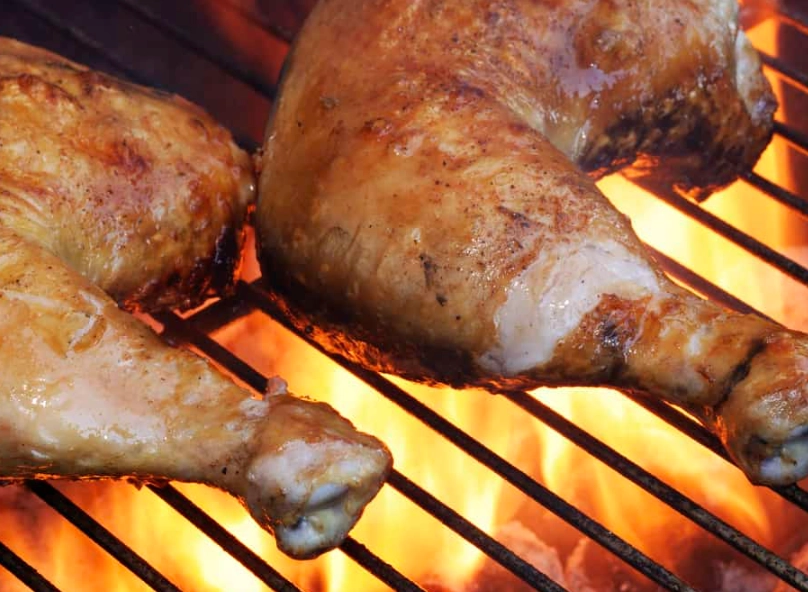
1. The Golden Rule: Temperature is a Guide, Not a Gospel
The USDA safe cooking temperature for all poultry is 165°F (74°C). This is non-negotiable for safety. However, with dark meat, you have a beautiful advantage. Because of its fat and collagen content, it remains juicy and tender even if you take it a bit past that mark. A breast at 180°F is sawdust. A thigh at 180°F is still succulent.
My personal sweet spot for boneless, skinless thighs is 170-175°F. For bone-in thighs, I aim for 175-185°F near the bone to ensure all the connective tissue has properly broken down. Use a good instant-read thermometer—it's the best investment you'll make in your kitchen.
2. Top Cooking Methods for Dark Meat
- Braising & Stewing: The absolute best method for transforming tough cuts into tenderness. The moist, low-and-slow heat melts collagen into gelatin. Think coq au vin, chicken cacciatore, or a simple curry. The dark meat won't fall apart; it just gets better.
- Roasting: High heat (400-425°F) to crisp the skin, then maybe lower to finish cooking through. The fat melts and bastes the meat from within. Simple seasoning with salt, pepper, and herbs is all you need.
- Grilling: Thighs are grill masters. The fat drips down, causing flare-ups that add smoky char without drying out the interior. They don't need constant babysitting like a breast. Serious Eats' grilling guide has great tips on managing heat zones for perfect results.
- Pan-Searing/Sautéing: Get a skillet screaming hot. Pat the thighs dry, season, and place them skin-side down. Don't touch them! Let the skin render and crisp for a good 5-7 minutes. Flip and finish cooking. You'll get a restaurant-quality crust.
Dark meat on chicken is also fantastic in a slow cooker or pressure cooker. It holds up to the long cooking times and comes out fork-tender.
Debunking the Biggest Myths About Dark Meat
Myth #1: Dark meat is unhealthy and fattening.
As the table showed, it has more fat, but it's not a nutritional villain. The fat provides flavor and satiety, meaning you might eat less overall. The nutrient profile is excellent. It's about balance, not avoidance.
Myth #2: It's always tougher than white meat.
Only if you cook it wrong! A quickly cooked thigh can be slightly chewier than a breast because of the connective tissue. But when cooked properly—either quickly to a safe temp or slowly with moisture—it's incredibly tender. In fact, in slow-cooked dishes, white meat turns to stringy mush while dark meat holds its structure beautifully.
Myth #3: The pink color near the bone means it's undercooked.
This terrifies people. The dark meat on chicken, especially near the bone, can retain a pinkish or even red hue even when it's fully cooked to 165°F+. This is due to the myoglobin and hemoglobin in the bone marrow leaching into the meat. It's perfectly safe if the temperature is correct. Trust your thermometer, not your eyes.
Answering Your Dark Meat Questions (FAQ)
I get a lot of questions about this topic. Here are the ones that come up constantly.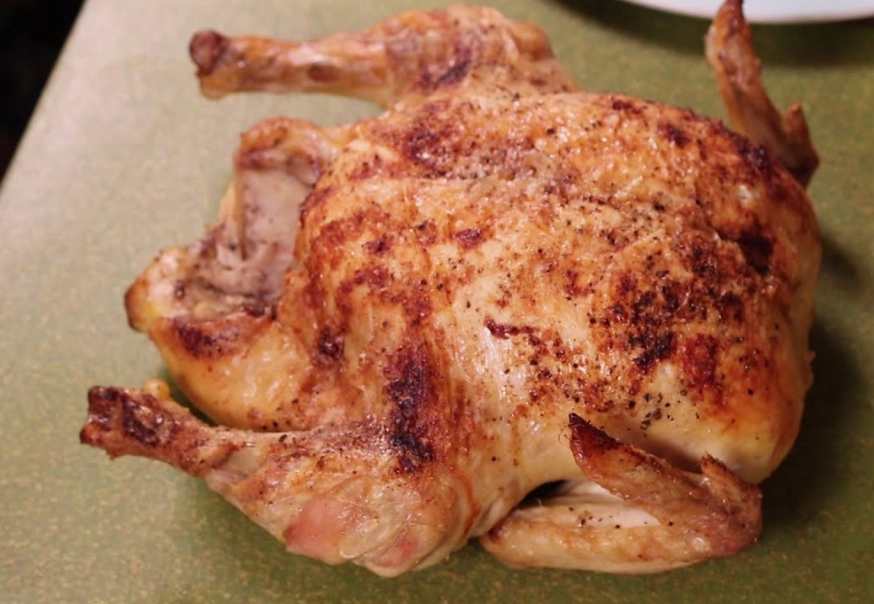
Is dark meat on chicken cheaper than white meat?
Usually, yes! For decades, the demand for lean breast meat drove its price up, making thighs and drumsticks a fantastic value. In recent years, as dark meat has gained popularity (thank you, foodies!), the price gap has narrowed in some places, but thighs are still often the more economical choice. You're getting more flavor for less money. That's a win.
Can I substitute dark meat for white meat in any recipe?
Mostly yes, but with a few caveats. Cooking time is the big one. Dark meat generally takes longer to cook than an equivalent-sized piece of white meat. If a recipe calls for diced breast to be sautéed for 8 minutes, diced thigh might need 10-12. For soups, stews, and braises, it's a direct and often superior swap. For quick-cooking stir-fries, just be mindful of the extra minute or two it needs.
What about the skin? Should I eat it?
Ah, the crispy, delicious question. Chicken skin is mostly fat. Eating it adds significant calories and saturated fat. My take? Cook with it on for flavor and moisture, then you have a choice. If you're serving a special meal and want that incredible texture, leave it on. For everyday eating, you can easily remove it after cooking and still have a much juicier piece of meat than if you'd started with skinless. Don't fear it, just be conscious of it.
Is dark meat okay for meal prep?
It's better for meal prep! This is a huge point. White meat chicken breast is notorious for drying out when reheated. That rubbery, sad texture is all too common. Dark meat, with its higher fat content, reheats far more gracefully. It stays moist and flavorful even after a couple of days in the fridge and a spin in the microwave. For anyone who preps lunches for the week, dark meat is a game-changer.
My Go-To Simple Weeknight Dark Meat Recipe
Let's get practical. Here’s a dead-easy, no-fail way to cook dark meat chicken that will make you a convert. No complicated steps.
You need: Bone-in, skin-on chicken thighs, salt, pepper, a baking sheet, and an oven.
- Preheat your oven to 425°F (220°C).
- Pat the thighs completely dry with paper towels. This is crucial for crispy skin.
- Season aggressively on both sides with salt and pepper. Get under the skin a bit if you can.
- Place the thighs skin-side up on a baking sheet. Don't crowd them.
- Roast for 35-45 minutes. Don't baste, don't flip. Just let the oven do its work.
- Check with a thermometer. You're looking for at least 175°F near the bone. The skin should be deep golden brown and crackling.
- Let them rest for 5 minutes before serving. The juices will redistribute.
That's it. The fat renders, the skin crisps, the meat cooks in its own juices. Serve with rice, roasted veggies, a salad—anything. It's foolproof and consistently delicious. This method alone demonstrates why cooking dark meat on chicken is less stressful and more rewarding.
Final Thoughts: Embrace the Dark Side
Look, I'm not saying you should never eat chicken breast again. It has its place, especially for specific dietary goals. But if you've been avoiding dark meat because of outdated ideas about health or because you've been burned by dry, bland chicken in the past, I urge you to give it another shot.
The dark meat on chicken offers a combination of deep flavor, culinary versatility, and cooking forgiveness that white meat simply can't match. It's budget-friendly, nutrient-rich, and, let's be honest, just tastes more like what chicken is supposed to taste like.
It's time to move beyond the idea that it's a second-class cut. In many cultures around the world, it's always been the prized part. They were onto something.
So next time you're at the store, walk past the bland-looking breasts and grab a pack of thighs. Your taste buds—and your inner cook who doesn't want to stress over dinner—will thank you.
Really, just try it.
Related Articles