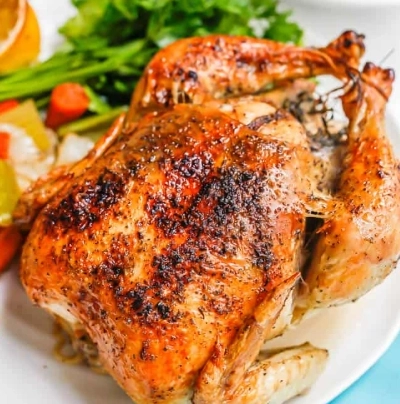
Perdue Roaster Chicken in a Bag: Your Guide to Easy, Juicy Meals
Let's talk about the holy grail of weeknight dinners: something that feels homemade, tastes fantastic, but doesn't require you to be a kitchen wizard or spend hours prepping. That's where Perdue roaster chicken in a bag comes in. I've been cooking for my family for years, and I've tried every shortcut imaginable. I was skeptical about a pre-seasoned chicken in a bag at first. Could it really be that good? After roasting more of these than I can count, I can tell you it's a legitimate game-changer for busy people who still care about what they eat.
The concept is brilliantly simple. You get a whole roaster chicken, already seasoned and marinating inside a special oven-safe bag. Your job? Preheat the oven, place the bag on a pan, and walk away. No basting, no complicated spice rubs, no guesswork. But you're not here for just the sales pitch. You want to know if it's worth your money, how to get the best results, and what the real pros and cons are. Let's dive in.
In This Article
What Exactly Is Perdue Roaster Chicken in a Bag?
This isn't a rotisserie chicken from the deli case. It's a raw, whole chicken that you cook yourself. The magic is in the packaging. The chicken sits in a seasoned brine or marinade inside a thick, heat-resistant nylon bag. When you cook it, the bag traps all the steam and juices, essentially creating a mini self-basting oven environment. This is the key to why the meat turns out so incredibly moist—even the breast meat.
Perdue offers a few different lines under this concept. You'll typically find them in the fresh meat section of major grocery stores like Walmart, Kroger, and Publix. The most common varieties are the classic oven ready seasoned roasters and sometimes herb butter or garlic & herb options. The chickens usually weigh between 4 to 6 pounds, perfect for feeding a family of four with some leftovers.
What you're really buying: Convenience and consistency. You're paying a premium over a plain whole chicken to skip the seasoning step and virtually guarantee a juicy result. For someone new to cooking whole birds or perpetually short on time, that premium can be worth every penny.
How to Cook It Perfectly (Every Time)
The instructions on the bag are straightforward, but here's where a bit of experience makes a difference. Following the package directions will give you a perfectly edible chicken. But if you want a great chicken, with crispy skin and deeper flavor, you need to go off-script just a little.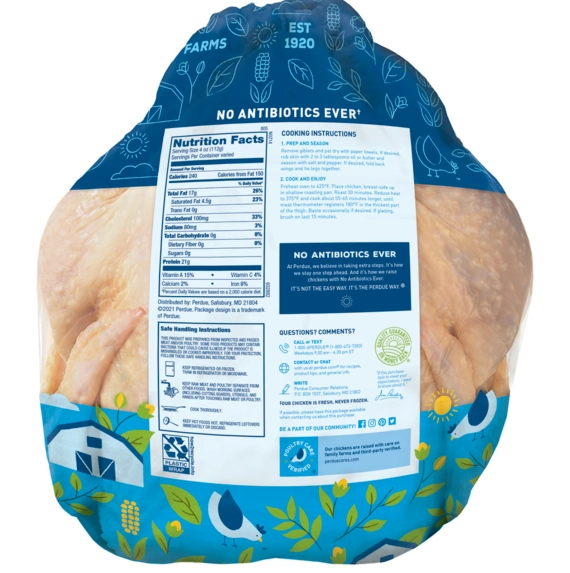
The Basic Package Method:
- Preheat your oven to 350°F (175°C).
- Place the unopened bag in a roasting pan or on a rimmed baking sheet. They say you don't need to puncture it, but I always snip a tiny 1/4-inch slit in the top center of the bag. This prevents any potential ballooning and lets a tiny bit of steam escape to help the skin crisp up.
- Roast. The time is based on weight, roughly 20 minutes per pound. A 5-pound bird takes about 1 hour 40 minutes.
- Check for doneness. The safest way is to use a meat thermometer. Insert it through the bag into the thickest part of the thigh, avoiding bone. It should read 165°F (74°C). The juices should also run clear.
- Let it rest. This is non-negotiable. Carefully cut open the bag (watch out for hot steam!) and transfer the chicken to a cutting board. Let it sit for 10-15 minutes before carving. This lets the juices redistribute.
The "Pro" Upgrade for Crispy Skin
Here's the trick most home cooks miss: the bag-steamed skin will be moist and flavorful, but not crispy. If you crave crackling skin, you need a two-stage process.
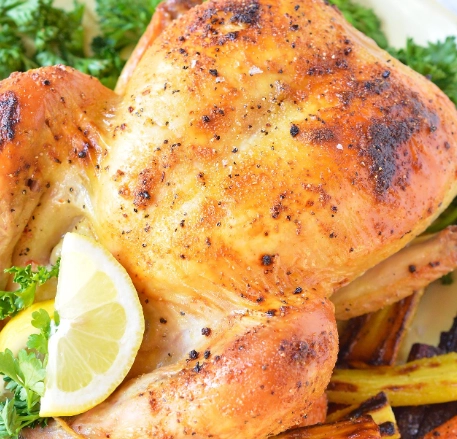
Cook the chicken in the bag as directed until it's about 10-15 degrees shy of being done (about 150-155°F in the thigh). Carefully remove it from the bag, reserving the juices (they make amazing gravy!). Place the chicken directly on the rack of your roasting pan. Crank the oven up to 425°F or even 450°F. Roast for another 10-15 minutes, keeping a close eye, until the skin is golden brown and crispy and the internal temperature hits 165°F. The result? Juicy meat from the bag method, with the perfect finish from a high-heat roast.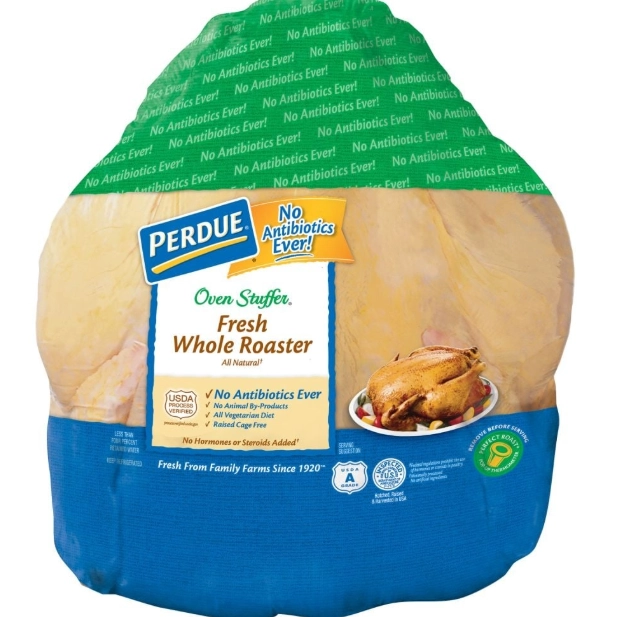
Flavor Showdown: Which Bag Should You Choose?
Not all seasoned bags are created equal. The flavor profile is infused into the meat during cooking, but it's generally more subtle than a heavy rub. Here’s a quick breakdown based on my tastings.
| Flavor Variety | Taste Profile | Best For | My Personal Take |
|---|---|---|---|
| Classic Seasoned | Savory, with notes of salt, pepper, garlic, and paprika. A well-rounded, crowd-pleasing flavor. | First-timers, families with picky eaters, using leftovers in any recipe. | The most versatile. The seasoning is present but not overpowering, letting the chicken flavor shine. |
| Herb Butter | Richer, with a buttery and herbal (think parsley, thyme) aroma. | A more decadent Sunday dinner. Pairs beautifully with mashed potatoes. | Delicious, but can sometimes taste a bit artificial if you're used to fresh herb butter. Still, the richness it adds to the meat is great. |
| Lemon & Herb | Brighter, with a hint of citrus tang alongside the herbs. | Spring or summer meals, lighter-feeling dishes, pairing with rice or roasted vegetables. | My go-to for a fresher taste. The lemon is usually subtle, not sour. |
A note: availability varies by region and store. The Classic Seasoned is almost always available.
Beyond the Oven: Creative Ways to Use Leftovers
One 5-pound chicken can stretch for days if you're smart about it. The beauty of this method is that the meat stays so moist, it's perfect for repurposing.
Day 1: The classic roast chicken dinner with sides.
Day 2: Chicken sandwiches or wraps. The moist breast meat won't dry out in the fridge like some leftover chicken does.
Day 3: Shred the remaining meat (dark meat is ideal for this) for tacos, enchiladas, chicken salad, or to top a hearty soup. Don't you dare throw away the carcass! Break it down and simmer it with some onion, celery, and carrot for a few hours. The bag juices have already seasoned it, so you'll get a fantastic, flavorful homemade stock with zero extra effort.
This is where the real value multiplies. You're not just buying one dinner; you're buying the base for two or three more.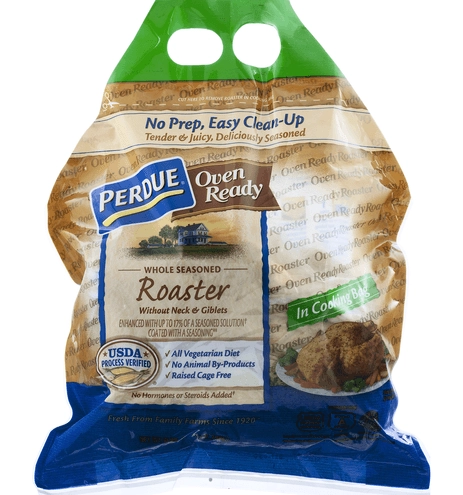
The Expert's Corner: Common Mistakes and Pro Tips
After cooking dozens of these, I've seen (and made) the mistakes. Here's what to avoid and what to embrace.
The Big Mistake: Not Checking Temperature Early. Ovens vary. Start checking the internal temperature about 20-30 minutes before the package's suggested finish time. An overcooked chicken, even in a bag, will start to dry out. Trust the thermometer, not just the clock.
Pro Tip for Gravy: The juices in the bag are liquid gold. After removing the chicken, carefully pour the juices from the bag into a glass measuring cup or a fat separator. Let the fat rise to the top. Use the flavorful liquid at the bottom as the base for a quick pan gravy. Skim off some fat, heat it in a saucepan, whisk in a tablespoon of flour, cook for a minute, then slowly whisk in the defatted juices. Simmer until thickened. It's instant flavor.
My Controversial Opinion: Sometimes, the seasoning can be a bit too salty for some palates, especially if you reduce the juices for gravy. If you're on a low-sodium diet, this might not be the product for you. A plain chicken with your own controlled seasoning is better. For everyone else, it's usually spot-on.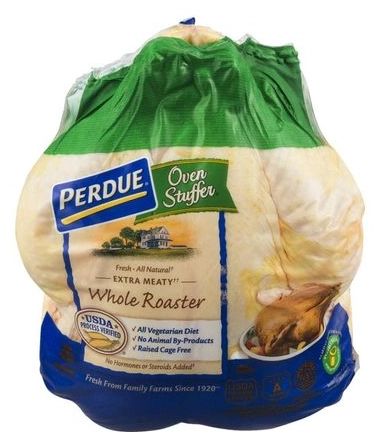
Your Burning Questions Answered
Can I cook Perdue roaster chicken in a bag from frozen?
I strongly advise against it. The package says to thaw first, and they mean it. Cooking from frozen will result in uneven cooking—the outside could be dry and overdone while the inside near the bone remains frozen or unsafe. Thaw it in the refrigerator for 24-48 hours before cooking. It's the only reliable way.
The bag puffed up like a balloon in my oven. Is that safe?
It's common and generally safe—the bag is designed to withstand the pressure. However, that giant air pocket can prevent heat from circulating evenly around the top of the bird. That's precisely why I make that tiny slit at the top before putting it in the oven. It lets just enough steam out to prevent ballooning without losing the moist cooking environment.
How does Perdue's bagged chicken compare to a store-bought rotisserie chicken?
This is the key comparison. A rotisserie chicken is fully cooked, hot, and ready to eat immediately. Perdue's bag chicken is raw and requires cooking. The trade-off? Freshness and moisture. A rotisserie chicken has often been sitting under a heat lamp for an unknown time, and the breast meat can be stringy and dry. The bag chicken comes out of your own oven, so it's at peak juiciness when you carve it. You're trading about 90 minutes of cook time for a significantly better texture and the smell of a home-cooked meal filling your house.
Can I add vegetables to the bag while it cooks?
Don't do it. The bag is sized for the chicken, and adding potatoes or carrots will block heat circulation and likely prevent the chicken from cooking safely and evenly. If you want one-pan meals, cook the chicken in the bag on a rack. Place chopped potatoes, carrots, and onions tossed in oil in the pan underneath. The drippings and steam will flavor the veggies beautifully as they roast.
Is the cooking bag safe? Doesn't plastic leach into food?
This is a top concern. The bag is made from heat-resistant nylon, not ordinary plastic wrap. It's designed for oven use at these specific temperatures. Perdue states the materials meet FDA standards for food contact. While some people prefer to avoid any plastic in cooking altogether (a valid choice), the industry consensus and regulatory stance is that these bags are safe for their intended use. If it worries you, you can transfer the chicken and its marinade to your own oven-safe cooking bag or a Dutch oven with a tight lid, though you may lose some of the foolproof simplicity.
So, is Perdue roaster chicken in a bag worth it? If your goal is a reliably juicy, flavorful chicken with minimal active effort, absolutely. It's not the cheapest way to buy a chicken, but it's a powerful tool against weeknight dinner stress. Think of it as your sous-chef in a bag—handling the seasoning and basting so you can focus on the sides, the family, or just taking a breather. Give it a shot on one of those "I have no idea what to cook" nights. You might just find it becomes a regular in your rotation.
Related Articles