How to Fry Chicken in a Pan: Crispy & Juicy Every Time
Let's be honest. The idea of deep-frying chicken at home is a pain. The giant pot of oil, the mess, the smell that lingers for days. But you still want that incredible combination of shatteringly crisp exterior and tender, juicy meat. That's where pan-frying comes in. It's the secret weapon for getting restaurant-quality fried chicken with just a skillet and a modest amount of oil. I've been perfecting this method for over a decade, and I'm going to walk you through every detail, from picking the right piece of chicken to knowing exactly when it's done. Forget the guesswork.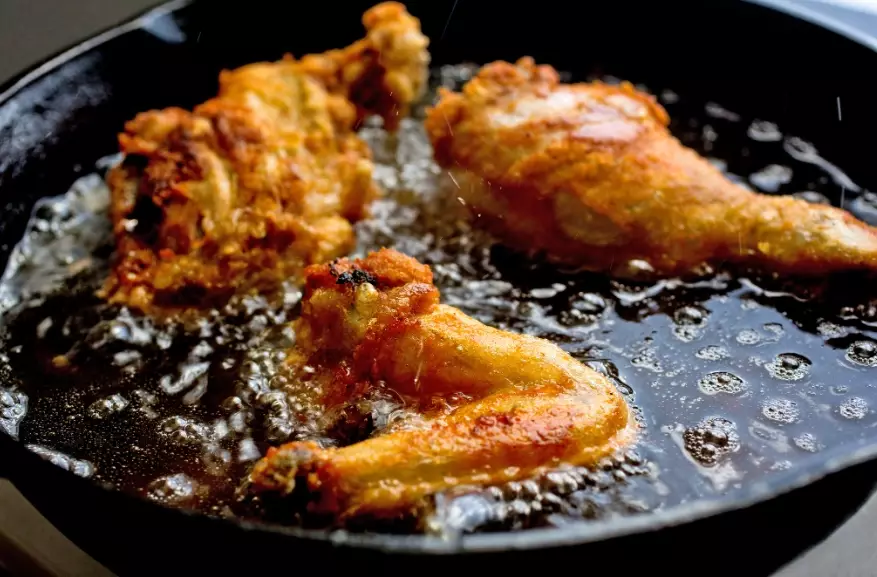
What You'll Learn in This Guide
- Why Pan-Frying Beats Deep Frying for Home Cooks
- How to Choose the Right Chicken for Pan Frying
- The Non-Negotiable Prep Step Everyone Skips
- What Oil is Best for Frying Chicken in a Pan?
- The Step-by-Step Pan-Frying Process
- 3 Common Mistakes That Ruin Pan-Fried Chicken
- Expert-Level Tips for Next-Level Flavor
- Your Pan-Frying Questions, Answered
Why Pan-Frying is Your Best Bet for Fried Chicken at Home
Deep frying has its place, but for a weeknight dinner? No way. Pan-frying, or shallow-frying, uses oil that comes about halfway up the side of the food. This means you need less oil (a cup or two versus a whole quart), it's safer, and cleanup is infinitely easier. The physics are different, though. In a deep fryer, the chicken is fully submerged and cooks evenly from all sides at once. In a pan, you're primarily cooking one side at a time. This actually gives you more control. You can adjust the heat under specific areas, peek at the browning progress, and you get that fantastic sear from direct contact with the hot pan—something deep frying can't replicate. It's a hybrid of searing and frying that delivers maximum flavor and texture.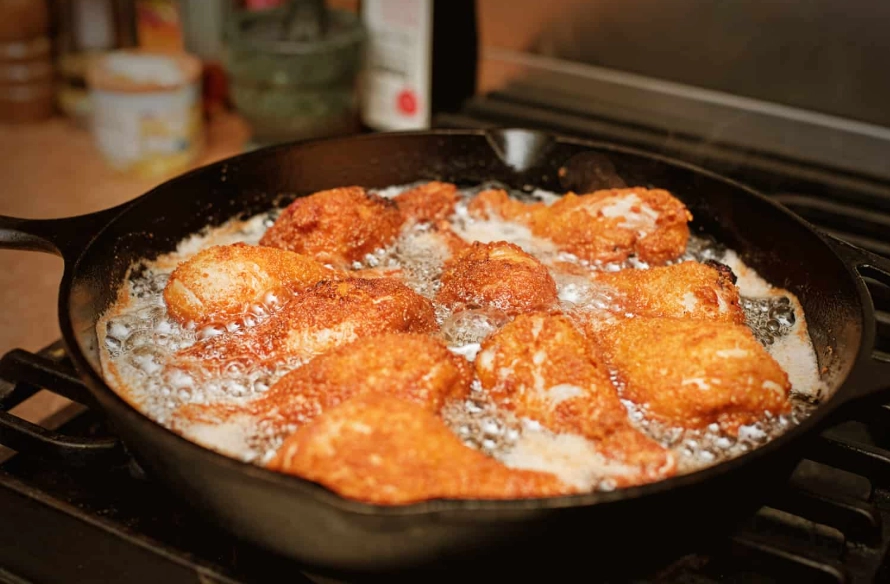
How to Choose the Right Chicken for Pan Frying
Not all chicken parts are created equal for the pan. You need cuts that will cook through evenly in the time it takes the outside to become golden and crisp. Bone-in, skin-on cuts are the undisputed champions here. The bone acts as a heat conductor, preventing the meat from overcooking too fast, and the skin is your ticket to crispy heaven.
| Cut of Chicken | Why It Works for Pan-Frying | Approx. Cook Time (per side) | My Personal Rating |
|---|---|---|---|
| Chicken Thighs (bone-in, skin-on) | Forgiving, hard to dry out, fantastic fat content under the skin. The #1 choice for reliability. | 7-9 minutes | 10/10 |
| Chicken Drumsticks | Easy to handle, cooks evenly. The shape can make it tricky to get all sides evenly browned. | 6-8 minutes | 8/10 |
| Chicken Breasts (bone-in, skin-on) | A challenge. The lean meat can dry out before the skin crisps. Requires careful temp control. | 5-7 minutes | 6/10 |
| Chicken Wings (whole) | Excellent! High skin-to-meat ratio. You may need to finish in the oven to ensure doneness. | 4-5 minutes per side | 9/10 |
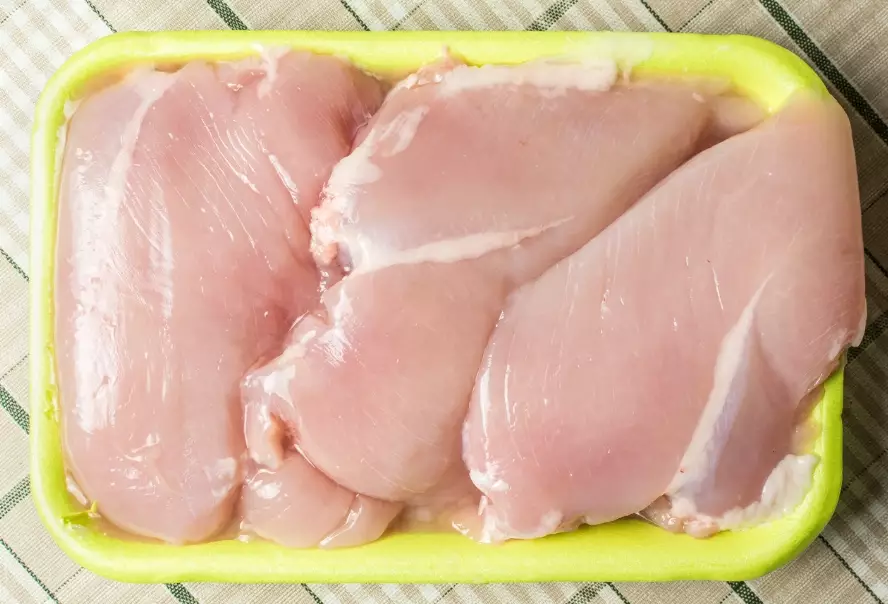
I almost never use boneless, skinless breasts for pan-frying. You're missing the two key components that make the technique great. If that's all you have, you're better off doing a quick pan-sear and finishing with a sauce.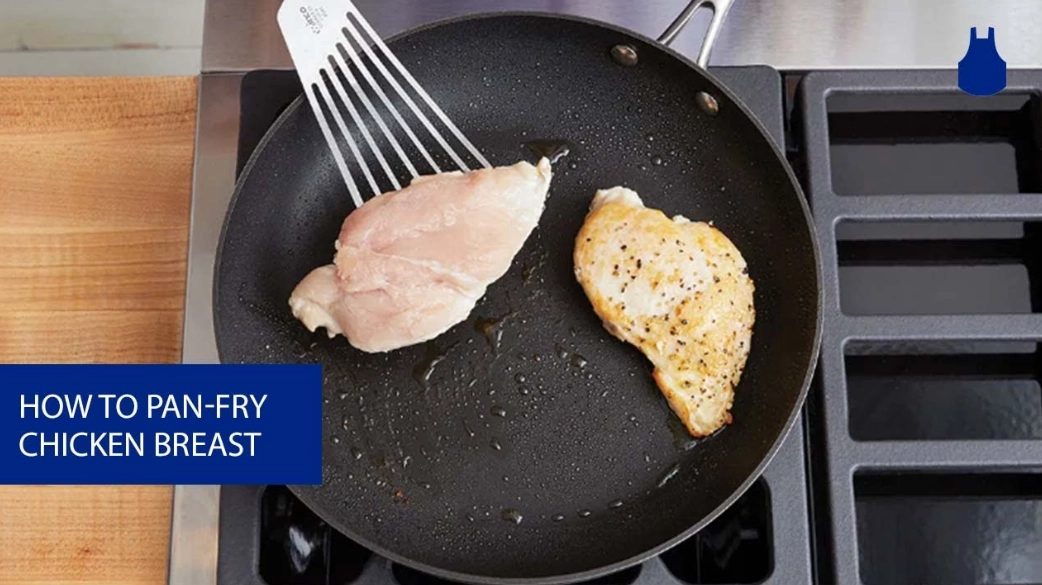
The Non-Negotiable Prep Step Everyone Skips: Drying the Skin
Here's the first expert tip that most recipes gloss over. Your chicken skin must be bone-dry. I mean, pat-it-with-paper-towels-until-the-towels-come-away-dry dry. Any moisture on the surface will instantly steam when it hits the hot oil, preventing browning and making the skin soggy. It's the difference between a leathery coating and one that crackles when you bite into it.
Take the chicken out of the packaging, place it on a plate, and blot it aggressively. If you have time, leave the uncovered chicken on a rack in the fridge for a few hours. This air-dries the skin even further. This single step improves your results by 50%.
Pro Move: After drying, lightly season the chicken under the skin as well as on top. Gently lift the skin and sprinkle salt and your favorite spices directly onto the meat. This seasons the meat itself, not just the crust.
What Oil is Best for Frying Chicken in a Pan?
You need an oil with a high smoke point—the temperature at which it starts to burn and smoke. Burning oil tastes bitter and can be unhealthy. Here’s the breakdown:
- Avocado Oil: My top choice. Smoke point around 520°F (270°C). Neutral flavor, great for high heat.
- Grapeseed Oil: Another excellent neutral oil with a high smoke point (~420°F/215°C).
- Peanut Oil: The classic frying oil. Smoke point around 450°F (230°C). It adds a very subtle, nutty flavor that works wonderfully with chicken.
- Canola or Vegetable Oil: Reliable and affordable. Smoke point around 400°F (205°C). Just be sure your pan doesn't get scorching hot.
Avoid: Extra virgin olive oil (low smoke point, strong flavor), butter (burns instantly), and unrefined oils like walnut or flaxseed.
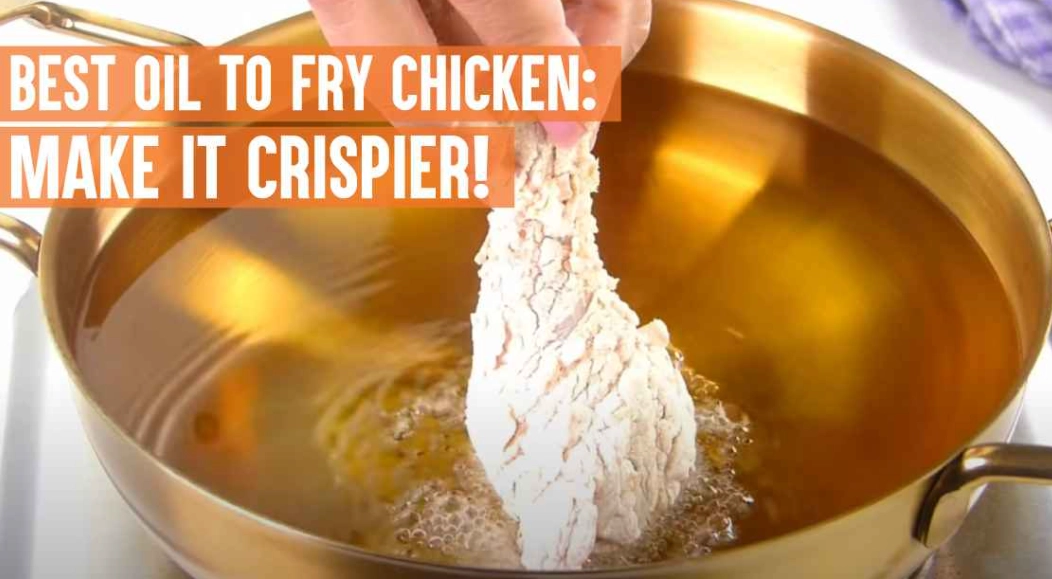
How much oil? You're not deep-frying. Pour enough into your heavy-bottomed skillet (cast iron or stainless steel are best) so it comes up about 1/3 to 1/2 the height of your chicken pieces. For a thigh, that's roughly 1/4 to 1/2 inch of oil.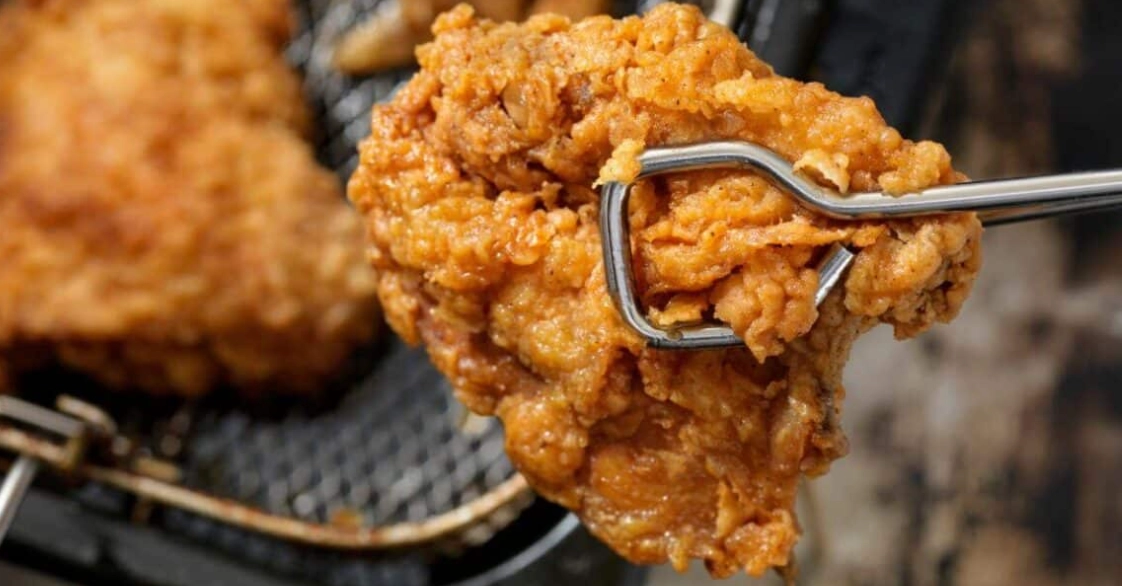
The Step-by-Step Pan-Frying Process
Let's walk through it. Assume we're cooking 4 bone-in, skin-on chicken thighs.
Step 1: Season and Dredge (The Coating Decision)
After drying the chicken, season generously with salt and pepper. Now, choose your path:
- Flour Dredge: For a classic, thin, crispy coating. Put 1 cup of all-purpose flour in a shallow dish. You can add spices (paprika, garlic powder) to the flour. Dredge each piece, shaking off the excess. This gives you that iconic golden look.
- Bare Skin: For maximum skin crackle. Just season the skin. The skin itself will blister and crisp up beautifully. This is my preferred method for pure skin texture.
Step 2: Heat the Oil Correctly
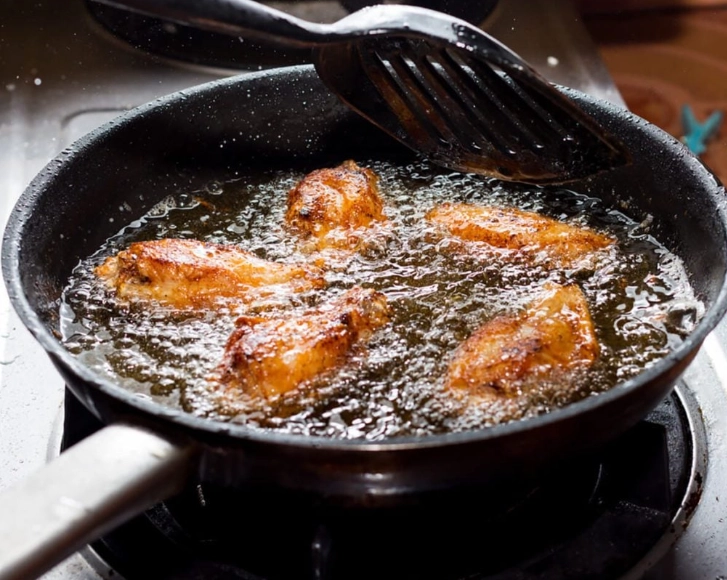
This is the most critical moment. Add your oil to the cold pan. Heat it over medium-high heat until it shimmers. To test, flick a tiny drop of water into the pan—it should sizzle and dance violently. A better way is to use an instant-read thermometer. You want the oil between 350°F and 375°F (175°C - 190°C). If it's not hot enough, the chicken will absorb oil and become greasy. If it's too hot, the outside will burn before the inside cooks.
Step 3: The Fry
Carefully place the chicken in the pan, skin-side down first. Do not crowd the pan. Leave space between pieces. If you need to, cook in batches. Crowding drops the oil temperature and steams the chicken. You should hear an immediate, confident sizzle.
Now, here's the human part: Don't touch it. Set a timer for 6-8 minutes (for thighs). Let it fry undisturbed. This allows a proper crust to form. If you try to move it early, the skin will tear and stick.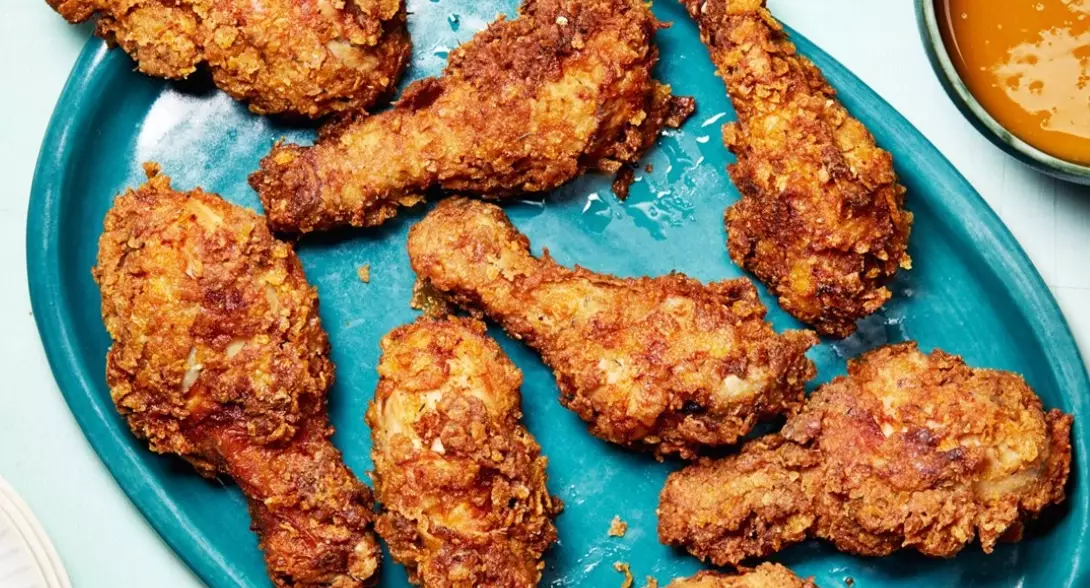
Step 4: Flip and Finish
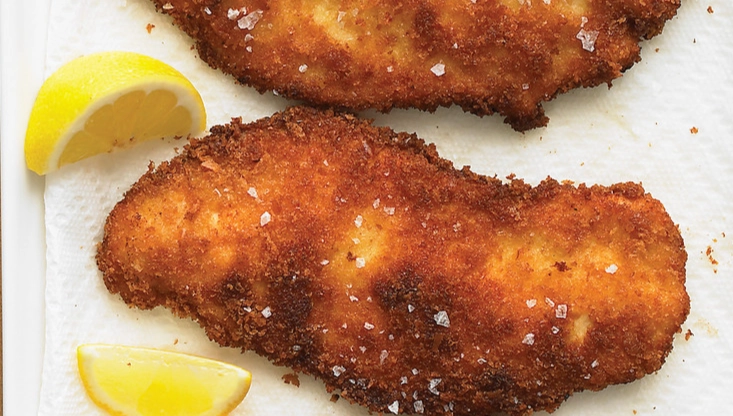
After 6-8 minutes, the skin should be deep golden brown. Use tongs to gently lift a corner and check. If it releases easily and is browned, flip it. Fry on the second side for another 6-9 minutes.
The only sure way to know it's done is with a meat thermometer. Insert it into the thickest part, avoiding the bone. The USDA recommends 165°F (74°C) for poultry. For dark meat like thighs, I pull it at 170-175°F (77-80°C) for better texture.
Step 5: The Rest
Transfer the chicken to a wire rack set over a plate—not directly onto a plate where it will steam in its own juices. Let it rest for 5-10 minutes. The juices redistribute, and the crust firms up even more.
The Biggest Fumble: Adding chicken to oil that isn't hot enough. You'll see lazy bubbles instead of a vigorous sizzle. The chicken soaks up oil like a sponge, and you end up with a greasy, pale, sad piece of meat. Wait for the shimmer.
3 Common Mistakes That Ruin Pan-Fried Chicken
- Wet Chicken: We covered this. Moisture is the enemy of crispness.
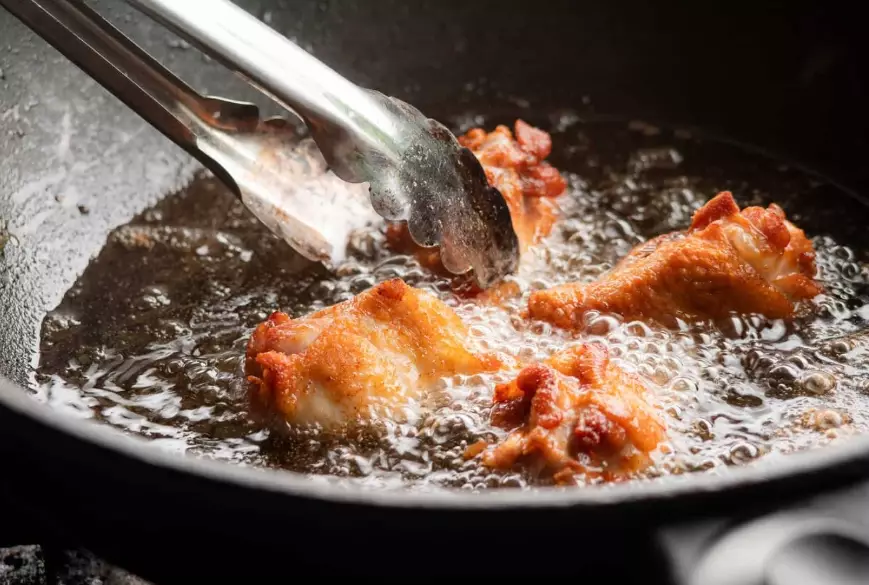
- Flipping Constantly: You're not making scrambled eggs. Let the crust form. One flip, maybe two if it's a thick piece, is all you need.
- Wrong Pan: A thin, warped non-stick pan can't hold consistent heat. Use a heavy-bottomed skillet like cast iron, carbon steel, or tri-ply stainless steel. It makes all the difference.
Expert-Level Tips for Next-Level Flavor
Once you've mastered the basics, try these:
- Infuse Your Oil: Before adding the chicken, toss a few smashed garlic cloves, a sprig of rosemary, or a couple of sage leaves into the hot oil for 30 seconds. Remove them before they burn, then fry the chicken. The oil becomes flavored.
- The Butter Bast: In the last minute of cooking, add a couple tablespoons of butter, a few garlic cloves, and some thyme to the pan. Tilt the pan and spoon the foaming butter continuously over the chicken. It's a restaurant trick for incredible flavor and color.
- Make a Pan Sauce: After removing the chicken, pour out most of the oil. Add a splash of white wine or chicken broth to the hot pan, scraping up all the browned bits (the fond). Let it reduce, stir in a knob of cold butter, and you have a killer sauce in one minute.
Your Pan-Frying Questions, Answered
 How do I prevent the oil from splattering everywhere?
Pan-frying chicken is a fundamental skill that delivers huge rewards. It turns an ordinary ingredient into a spectacular meal with a texture that's hard to beat. It requires a bit of patience—waiting for the oil to heat, waiting for the crust to form—but the active work is minimal. Master the dryness, master the temperature, and you'll never look at a deep fryer the same way again. Now go heat up that skillet.
Related Articles