Purdue Chicken Breast Recipe: How to Cook It Juicy & Flavorful
Jump Straight to What You Need
- What Exactly is Purdue Chicken Breast?
- Gathering Your Ingredients: The Must-Haves
- How to Cook Purdue Chicken Breast: A Foolproof Method
- Common Mistakes That Ruin Your Chicken (And How to Fix Them)
- Switching It Up: Variations for Every Taste
- What to Serve With Your Purdue Chicken Breast
- Your Burning Questions Answered
I still remember the first time I tried to cook chicken breast. It came out like shoe leather—tough, dry, and utterly disappointing. That was years ago, and since then, I've experimented with countless methods. But the Purdue chicken breast approach? It changed everything. This isn't just another recipe; it's a technique that guarantees juicy, flavorful results every single time. Let's dive in.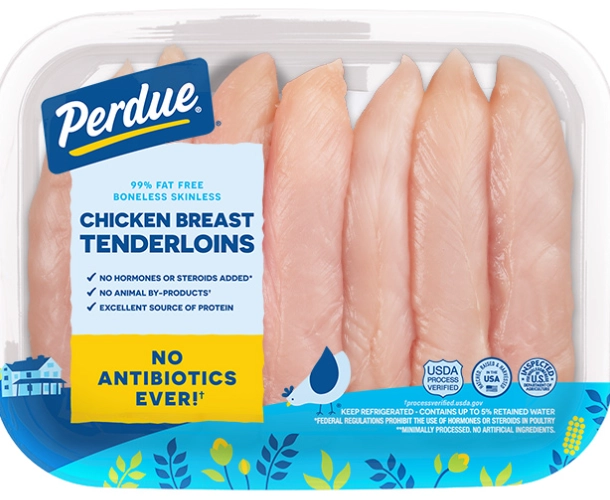
What Exactly is Purdue Chicken Breast?
You might be wondering where this name comes from. Purdue chicken breast doesn't refer to a specific restaurant or a branded product. Instead, it's a cooking method popularized by home cooks and food enthusiasts, often associated with simple, healthy recipes that emphasize moisture retention. The term "Purdue" likely nods to Purdue University's agricultural extensions, which promote food safety and cooking best practices. Think of it as a smart way to handle chicken breast—focusing on brining or marinating to lock in juices, then cooking at precise temperatures. It's become a go-to for anyone tired of dry chicken.
Why does it work so well? The core idea is about controlling heat and moisture. Most people overcook chicken breast because they fear undercooking, but that leads to toughness. The Purdue method involves a quick brine (even just 30 minutes) and careful monitoring with a meat thermometer. I learned this from a friend who's a chef, and she swore by it. It's not rocket science, but it requires attention to detail.
Gathering Your Ingredients: The Must-Haves
You don't need fancy stuff for this. Here's what I always have on hand. The beauty is in the simplicity.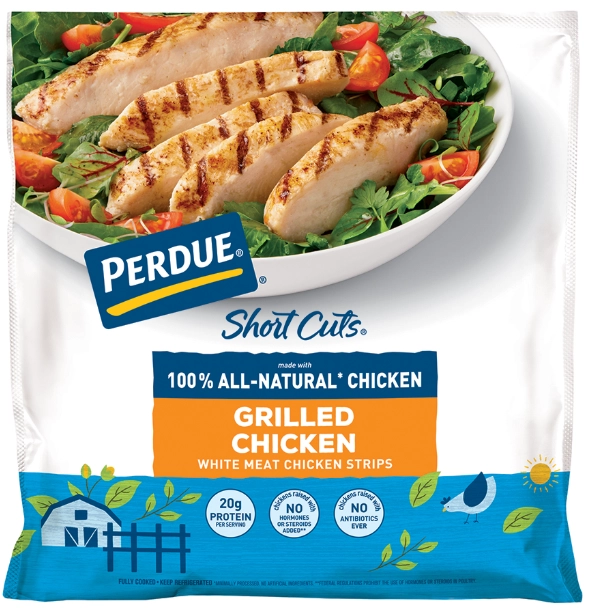
| Ingredient | Why It Matters | Notes |
|---|---|---|
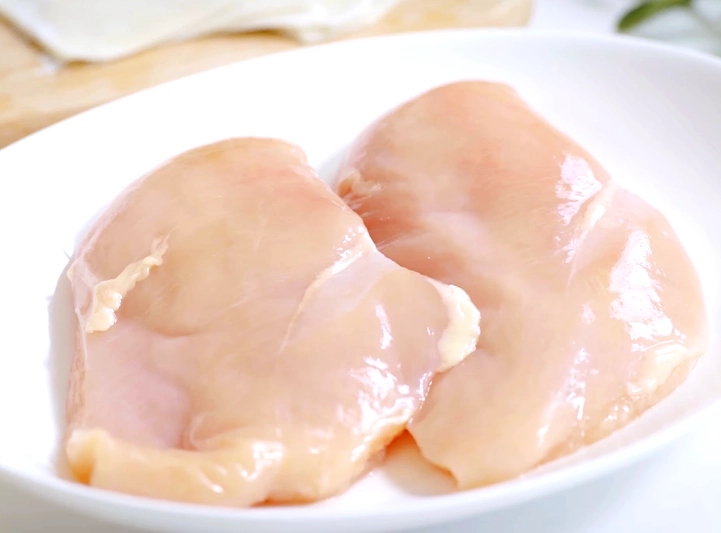
| Boneless, skinless chicken breasts | The star of the show. Aim for similar sizes so they cook evenly. | About 4-6 ounces each. I prefer organic if possible—it tends to be more tender. |
| Kosher salt | For brining. It helps the chicken retain moisture during cooking. | Don't use table salt; it's too fine and can make things too salty. |
| Olive oil or avocado oil | Adds fat for flavor and prevents sticking. | Extra virgin olive oil works, but for high heat, avocado oil is better. |
| Black pepper | Basic seasoning that enhances taste without overpowering. | Freshly ground is best. I use a pepper mill for that punch. |
| Garlic powder and paprika | Optional but recommended for depth. Paprika adds a slight smokiness. | If you're in a rush, skip these, but they do elevate the dish. |
Some recipes online call for buttermilk or yogurt marinades, but I find that a simple salt brine does the trick. It's faster and less messy. According to the USDA Food Safety guidelines, brining can help reduce cooking time while keeping meat moist—a tip I picked up from their resources.
How to Cook Purdue Chicken Breast: A Foolproof Method
Here's my step-by-step process. I've done this dozens of times, and it never fails. Follow along, and you'll see why.
Step 1: Brine the Chicken (The Secret Weapon)
Take your chicken breasts and place them in a bowl. Dissolve 1/4 cup of kosher salt in 4 cups of cold water—this is your brine. Submerge the chicken, cover, and let it sit in the fridge for at least 30 minutes. No more than 2 hours, though, or it can get too salty. I once left it for 4 hours, and it was almost inedible. Lesson learned.
Step 2: Pat Dry and Season
After brining, rinse the chicken under cold water and pat it completely dry with paper towels. This is crucial. Wet chicken won't brown properly. Then, drizzle with a bit of oil and rub with black pepper, garlic powder, and paprika if using. Don't add more salt here—the brine did its job.
Step 3: Heat Your Pan or Grill
Use a heavy skillet (cast iron is my favorite) or preheat your grill to medium-high heat. You want it hot enough to sear but not smoking. Add a thin layer of oil. Wait until it shimmers—that's when you know it's ready.
Step 4: Cook to the Right Temperature
Place the chicken in the pan. Cook for 5-7 minutes per side, depending on thickness. Here's the key: use a meat thermometer. Insert it into the thickest part. You're aiming for 165°F (74°C), but pull it off at 160°F (71°C) because it'll carry over cook. I can't stress this enough—guessing leads to dry chicken. I ruined many meals before I invested in a good thermometer.
Step 5: Rest Before Slicing
Once done, transfer the chicken to a plate and let it rest for 5-10 minutes. This allows the juices to redistribute. If you cut it immediately, all those juices will run out, and you'll be back to square one. I know it's tempting to dig in, but patience pays off.
Common Mistakes That Ruin Your Chicken (And How to Fix Them)
Even with a great recipe, things can go wrong. Here are pitfalls I've seen—and how to avoid them.
Skipping the brine. I get it, it adds time. But if you skip it, your chicken will likely dry out. A quick brine is non-negotiable for the Purdue method. If you're really pressed, at least salt the chicken generously 15 minutes before cooking.
Overcooking. This is the biggest offender. People cook chicken until it's white all through, but that's overkill. Use that thermometer! 165°F is safe, but as I mentioned, pulling at 160°F ensures it stays juicy. The USDA confirms that chicken is safe at 165°F, but carryover cooking will get it there.
Not resting. Cutting into hot chicken releases steam and juices. Let it sit. I've made this mistake when hosting dinners—the chicken looked great but tasted dry because I rushed.
Using the wrong cut. Chicken breasts vary in thickness. If some are thick and others thin, they'll cook unevenly. Pound them to an even thickness or buy similar-sized ones. I often butterfly thicker breasts to speed up cooking.
Switching It Up: Variations for Every Taste
The basic Purdue chicken breast is versatile. Here are ways to customize it based on what you have or crave.
- Lemon Herb: Add lemon zest and fresh herbs like thyme or rosemary to the brine. After cooking, squeeze fresh lemon juice on top.
- Spicy Kick: Mix chili powder or cayenne pepper into the seasoning. I love this for tacos or salads.
- Asian Twist: Replace the brine with a mix of soy sauce, ginger, and a bit of honey. Cook as usual, and you've got a flavorful glaze.
For meal prep—a huge trend right now—cook a batch of Purdue chicken breast on Sunday. Slice it and store in airtight containers. It stays moist for up to 4 days in the fridge. I do this every week for lunches, and it saves me time and money.
What to Serve With Your Purdue Chicken Breast
This chicken pairs well with almost anything. Here are my go-to combinations.
For a healthy meal: Steamed vegetables like broccoli or green beans, and a side of quinoa. The chicken's juiciness complements the lightness of veggies.
For comfort food: Mashed potatoes and gravy. The chicken holds up well against richer sides.
For a quick dinner: Slice it over a salad with mixed greens, cherry tomatoes, and a vinaigrette. I often do this on busy nights.
If you're feeling adventurous, use the chicken in wraps or sandwiches. It's moist enough that it won't make the bread soggy.
Your Burning Questions Answered
There you have it. Purdue chicken breast isn't just a recipe; it's a reliable technique that solves the dry chicken problem once and for all. Give it a try, tweak it to your taste, and enjoy juicy, flavorful meals every time. Happy cooking!
Related Articles