Whole Chicken Wing Calories: Count, Compare & Cook Smart
Let's cut straight to the chase. You're here because you love chicken wings but that little voice in your head (or maybe your fitness app) is asking, "How many calories am I really eating?" The short answer: a single, average-sized, plain baked whole chicken wing with the skin on contains about 100 to 120 calories. But if you stop there, you're missing the whole story. That number is just the starting point. Whether you're meal prepping, tracking macros, or just trying to make smarter choices on game day, the real magic—and the potential pitfalls—are in the details most generic articles gloss over.
I've been cooking, eating, and analyzing food for over a decade, and the biggest mistake I see people make is treating all "chicken wings" as equal. A wing from a jumbo bird fried in batter and drenched in sauce is a completely different beast from a small, air-fried wing with a dry rub. This guide will give you the tools to know the difference, count accurately, and most importantly, enjoy your wings without the guesswork or guilt.
What’s Inside: Your Wing Calorie Guide
The Calorie Breakdown: Drumette vs. Flat vs. Wingtip
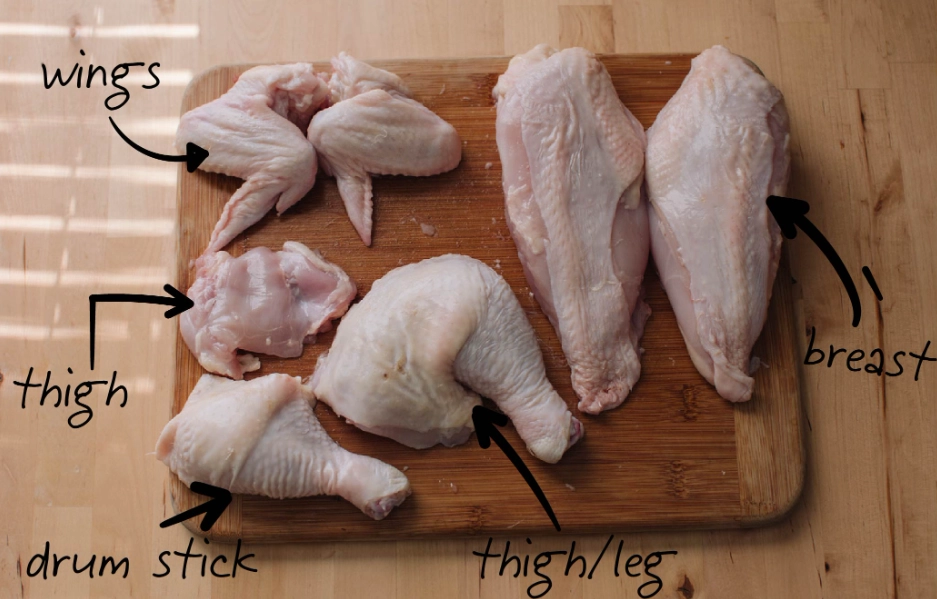
A "whole chicken wing" straight from the butcher has three parts: the drumette (looks like a mini drumstick), the flat or wingette (the middle part with two bones), and the wingtip (the pointy end). Most restaurants serve them already separated into "drumettes" and "flats," discarding the wingtip (it's mostly skin and bone, with very little meat).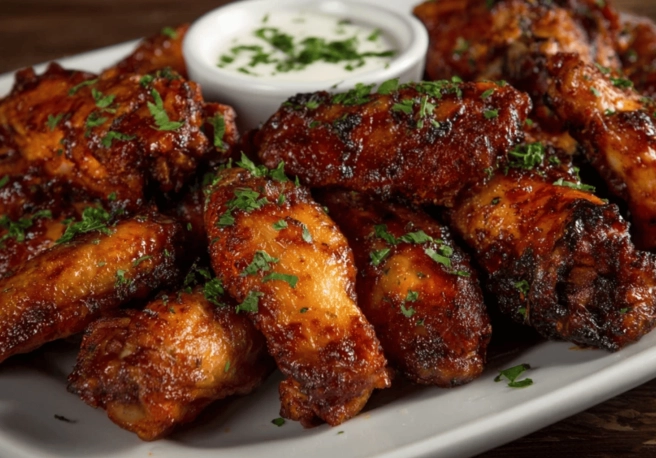
Here’s the thing nobody tells you: the drumette and the flat have different meat-to-skin ratios, which changes their calorie profile even if they come from the same bird.
The most reliable data comes from the USDA's FoodData Central, the gold standard for nutrition information. Let's look at the raw numbers for a 1-ounce (28g) serving of raw chicken wing with skin:
| Nutrient | Amount per 1 oz (28g) Raw, Skin-On |
|---|---|
| Calories | 68 |
| Protein | 5.5g |
| Total Fat | 4.8g |
| Saturated Fat | 1.4g |
| Carbohydrates | 0g |
Now, let's translate that to the wings on your plate. An average whole wing (drumette + flat, with skin, meat and bone) weighs about 3 to 4 ounces raw. So, a single raw whole wing is roughly 200 to 270 calories before you even cook it. Cooking changes this dramatically, mostly by rendering out fat.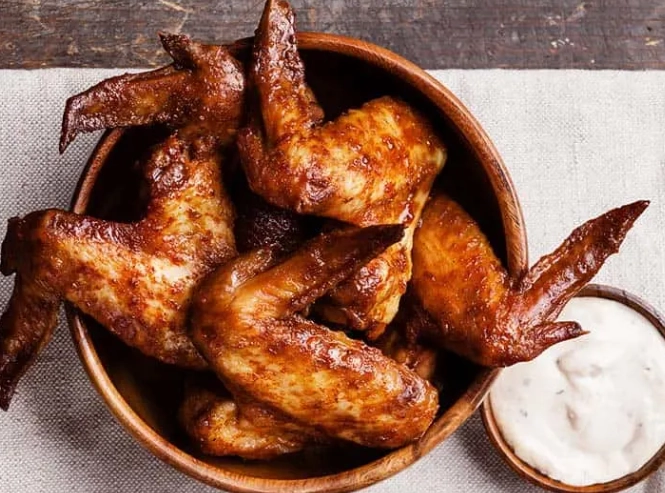
How Your Cooking Method Transforms the Calories
This is where calories can swing wildly. Heat melts fat. Where that fat goes determines your final calorie count.
Baking/Roasting
The standard home method. A wing baked at 400°F (200°C) on a rack will render a good amount of fat into the pan. A final baked wing (drumette + flat) typically comes in between 100-120 calories. The rack is crucial—if the wing sits in its own fat, it re-absorbs some, bumping up the count.
Air Frying
An air fryer is essentially a powerful convection oven. It excels at rendering fat quickly and creating crisp skin with little to no added oil. The calorie outcome is very similar to baking on a rack, maybe 5-10 calories less per wing if you use no oil spray. If you spritz with oil, add about 40 calories per teaspoon used across the whole batch.
Deep Frying
The calorie champion, and not in a good way. The wing absorbs cooking oil. A deep-fried wing can contain 160-200 calories or more. The batter or flour coating acts like a sponge, soaking up even more oil. This is the main reason restaurant wings are so much higher in calories.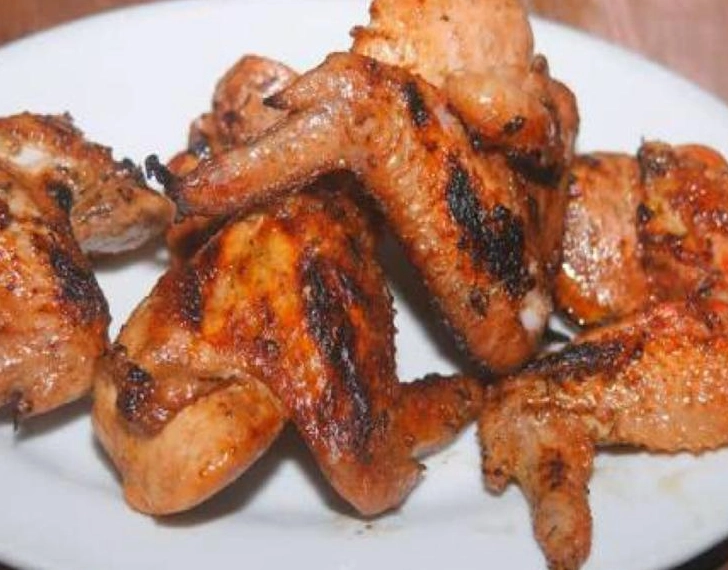
Grilling
Grilling is fantastic for fat rendering. The direct heat and dripping fat can make grilled wings one of the leanest options, similar to or slightly below baking. You get great flavor without added calories, assuming your sauce is smart.
The Sauce & Seasoning Calorie Trap (The Real Game-Changer)
Here's the secret most calorie counters miss entirely. The cooking method sets the base, but the sauce or seasoning can double the calorie count without adding any meaningful volume to the food.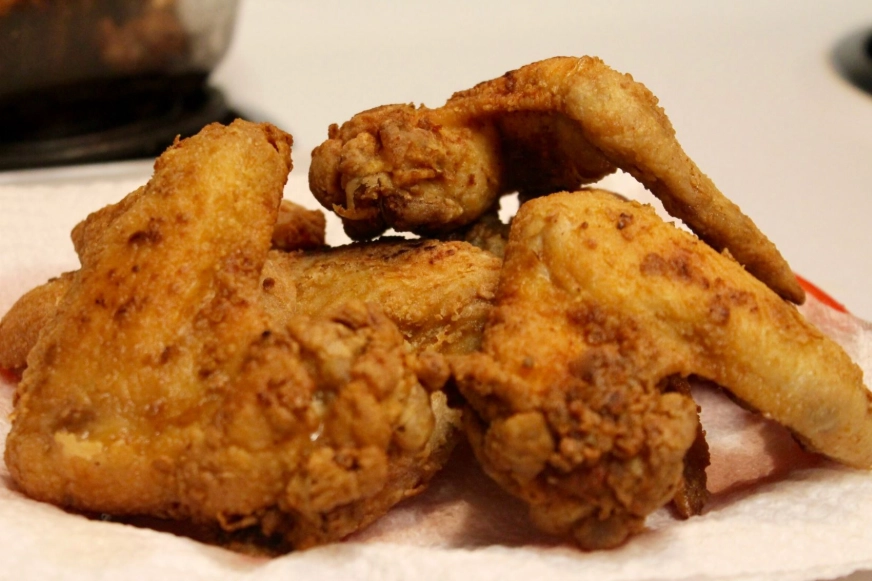
Let's compare popular coatings for a serving of 6 wings (approx. 1 lb raw weight):
>The classic mix is about half butter. Light butter or using a butter-flavored hot sauce spray can cut this by 70%.>Packed with sugar. A "thin" coat vs. a "glazed" coat makes a huge difference.>Similar to BBQ—sugar is the main culprit. Look for "light" versions or make your own with less sugar.>This is a side, not a coating, but people forget it. Two tablespoons is a small ladle at a restaurant.| Coating Type (for 6 wings) | Estimated Added Calories | Key Insight |
|---|---|---|
| Dry Rub/Herbs & Spices | 5-20 | Negligible impact. The smartest choice for flavor-to-calorie ratio. |
| Buffalo Sauce (Frank's RedHot + butter) | 150-300 | |
| BBQ Sauce (Sweet, glazed) | 200-400 | |
| Teriyaki or Sweet Asian Glaze | 250-450 | |
| Ranch or Blue Cheese Dressing (for dipping) | 150-300 per 2 tbsp |
My personal strategy? I toss my wings in a dry rub before air frying. After they're crisp, I put a few in a bowl, spritz them lightly with a zero-calorie butter-flavored spray and a dash of hot sauce, then toss. You get the sticky, flavorful coating sensation for maybe 15 extra calories instead of 200.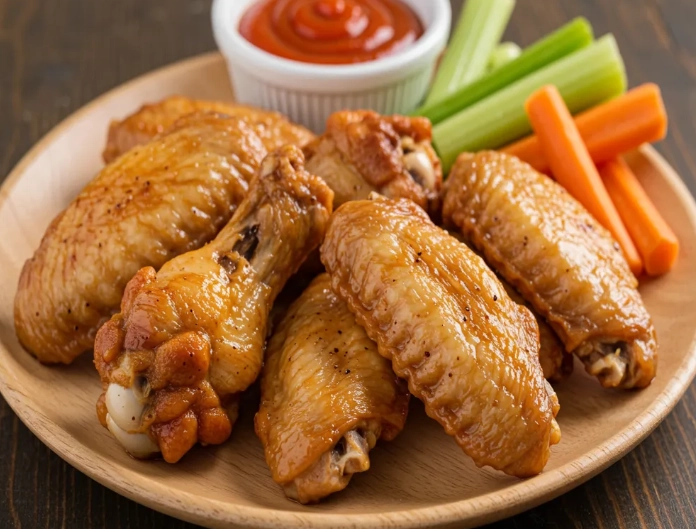
How to Make Your Chicken Wings Healthier & Still Delicious
You don't have to choose between flavor and your goals. Follow this hierarchy for maximum impact:
1. Start with the Cooking Method: Choose air frying, baking on a rack, or grilling. These methods maximize fat loss. Pat the wings very dry with paper towels before cooking—this is a chef's trick for crispier skin that works wonders at home.
2. Master the Seasoning: Build flavor from the inside out. Season generously under the skin if you can, or at least an hour before cooking. Garlic powder, onion powder, smoked paprika, cayenne, and black pepper are your best friends.
3. Sauce with Strategy: * Dilute your sauce: Mix classic buffalo sauce with 50% hot sauce and 50% low-sodium chicken broth. * Use it as a dip: Serve sauce on the side for dipping. You'll use far less than if you toss the wings in it. * Embrace dry finishes: After cooking, toss with fresh herbs (cilantro, parsley), lemon zest, or a sprinkle of grated Parmesan (1 tbsp has about 25 calories).
4. Pair Smartly: Skip the fries and onion rings. Serve your wings with a huge side of crunchy celery, carrot sticks, cucumber slices, or a light vinegar-based coleslaw. The fiber and volume help fill you up.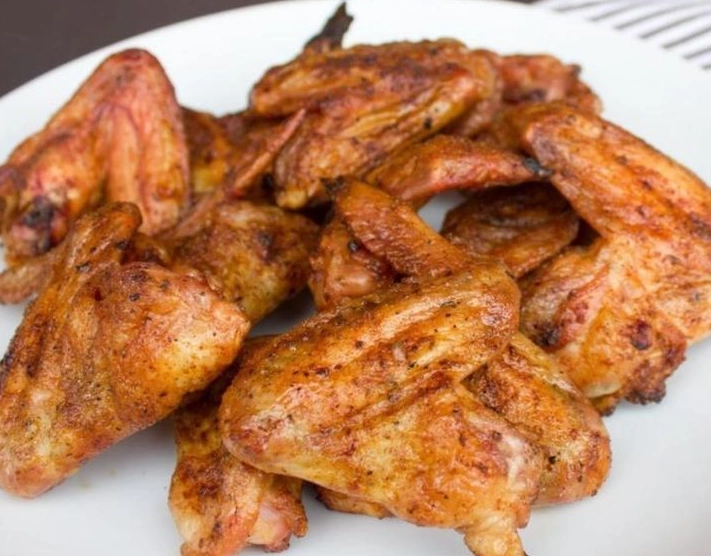
Your Top Chicken Wing Calorie Questions, Answered
Related Articles