Chicken Thighs: White Meat or Dark Meat? The Definitive Guide
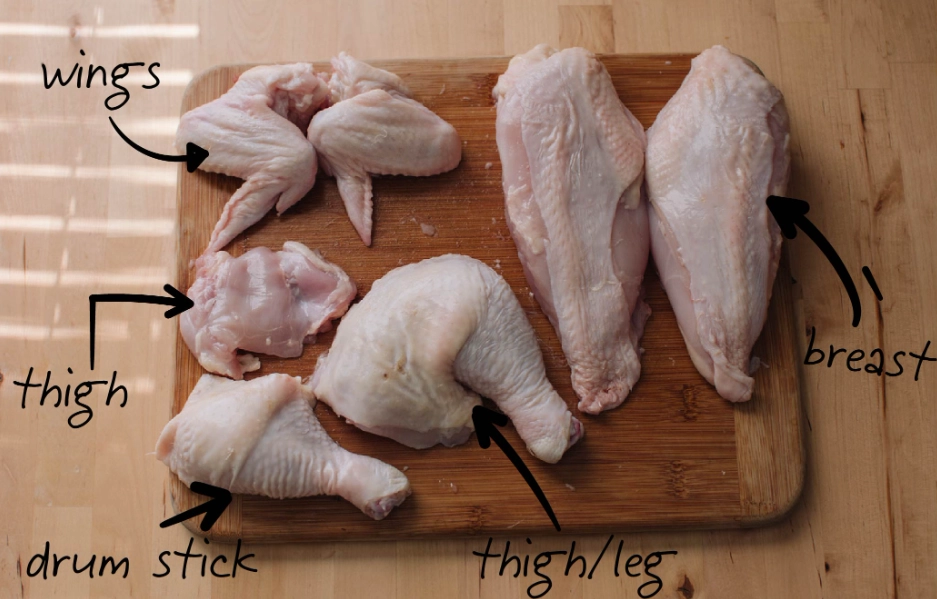
You're about to make a grocery list or follow a recipe, and it calls for "white meat chicken." You look at the plump, affordable chicken thighs in the cooler and wonder—can I use these instead? This question, "are chicken thighs white meat?", is one of the most common kitchen confusions. The short, direct answer is no, chicken thighs are not classified as white meat. They are firmly in the "dark meat" category. But if we stop there, we miss the whole story. The real value isn't just in the label; it's in understanding why they're different, how that affects your cooking, and why choosing thighs might be the best decision you make for flavor and foolproof meals.
I've been cooking professionally and at home for over a decade, and I've seen countless home cooks shy away from thighs because they're "dark meat," thinking they're less healthy or somehow inferior. That's a mistake. In fact, for everyday cooking, I reach for thighs about 80% of the time. Let's break down the science, the nutrition, and the practical kitchen magic behind chicken thighs.
What You'll Find in This Guide
The Science of Meat Color: Why Thighs Are Darker
This isn't about quality; it's about biology. The color difference between a chicken breast and a chicken thigh comes down to one primary factor: myoglobin.
Myoglobin is a protein in muscle tissue that stores oxygen. Muscles that are used more frequently and for sustained activity need a steady, on-demand supply of oxygen. Think about a chicken's life (even a farm-raised one). Its legs and thighs are its primary locomotion. They're constantly working—walking, standing, scratching. This sustained use requires more myoglobin.
Breast meat, on the other hand, comes from the pectoral muscles. For a chicken, these are used infrequently and explosively—for brief, powerful wing flaps. They are fast-twitch muscles that don't require the same oxygen-storage capacity. Less myoglobin means a lighter, paler color.
This biological difference has cascading effects. More myoglobin and a different fat composition give dark meat its richer, deeper flavor and its notably more tender and juicy texture, even when cooked to a higher internal temperature than breast meat. It's why a thigh can survive a few extra minutes on the grill without turning into a cardboard-like disaster.
Nutrition Showdown: Thighs vs. Breast – Beyond the Calories
Here's where the "white meat is healthier" assumption gets tricky. Yes, skinless chicken breast is lower in calories and fat. But nutrition is more nuanced than that. Let's look at the data for a 3.5-ounce (100g) cooked, skinless portion, based on information from the USDA FoodData Central.
| Nutrient | Skinless Chicken Breast | Skinless Chicken Thigh | Why It Matters |
|---|---|---|---|
| Calories | 165 kcal | 209 kcal | Breast wins for pure calorie count. |
| Total Fat | 3.6 g | 10.9 g | The biggest difference. But note the type of fat below. |
| Saturated Fat | 1.0 g | 3.0 g | Thighs have more, but it's not an extreme amount. |
| Protein | 31 g | 26 g | Both are excellent, high-quality protein sources. |
| Iron | 0.9 mg | 1.3 mg | Thighs provide about 45% more iron, crucial for energy. |
| Zinc | 1.0 mg | 2.4 mg | Thighs have over twice the zinc, vital for immunity. |
| Vitamin B12 | 0.3 mcg | 0.4 mcg | Slightly higher in thighs. |
See the pattern? Chicken thighs are a nutritional powerhouse for certain minerals. That extra fat also carries flavor and aids in the absorption of fat-soluble vitamins (A, D, E, K) from other foods in your meal.
Mastering Chicken Thighs in the Kitchen
This is where chicken thighs truly shine and why I recommend them to nervous cooks. Their higher fat content and connective tissue make them incredibly forgiving.
Why Thighs Forgive Cooking Mistakes
Overcook a chicken breast by 5-10 minutes, and you're eating a dry, stringy mess. Overcook a thigh in the same way, and you'll still have a juicy, tender bite. The fat and collagen slowly render and baste the meat from within. This "forgiveness factor" is their biggest selling point for weeknight dinners.
Cooking Methods Demystified
For Crispy Skin (The Holy Grail): Pat the skin bone-dry with paper towels. Season under the skin too. Start in a cold, oven-safe skillet skin-side down. Cook over medium heat for 12-15 minutes until golden and crisp, then flip and finish in a 400°F (200°C) oven for 10-15 minutes. The slow start renders the fat perfectly.
For Braises and Stews: Thighs are king. They hold their structure during long, slow cooking while becoming fall-apart tender. Try substituting thighs for breast in a chicken curry or coq au vin—the result is richer and more complex.
For Grilling: Use bone-in, skin-on thighs. The bone acts as a heat buffer, preventing the meat from drying out. Cook over indirect medium heat, finishing skin-side down over direct heat to crisp. Target an internal temp of 175-185°F (79-85°C) for peak tenderness—higher than the 165°F (74°C) recommended for breast.
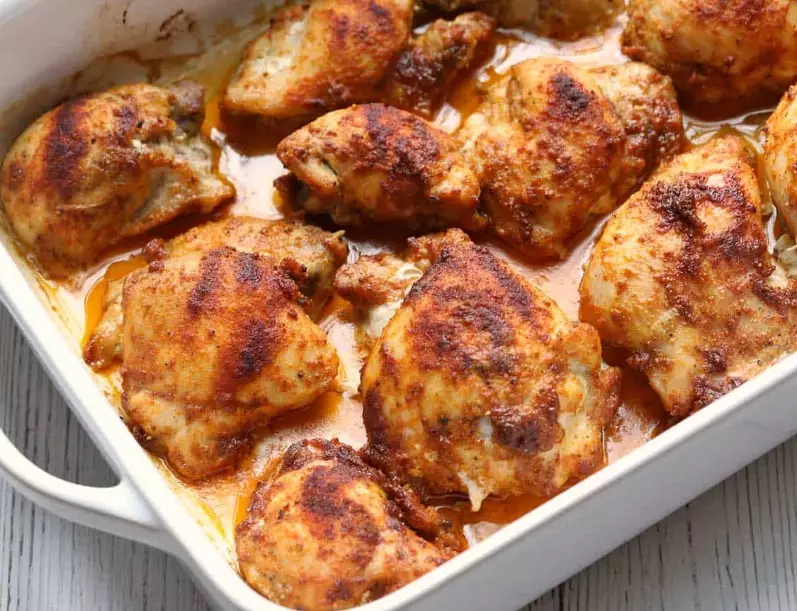
One of my favorite dead-simple recipes: Toss boneless thighs in olive oil, smoked paprika, garlic powder, salt, and a pinch of brown sugar. Roast on a sheet pan at 425°F (220°C) for 20-25 minutes. That's it. Dinner is done, and it's guaranteed to be moist.
Your Chicken Thigh Questions, Answered
So, are chicken thighs white meat? No. But that's not a drawback—it's their superpower. They are the flavorful, forgiving, nutrient-dense workhorse of the kitchen. The next time you're at the store, bypass the anxiety over labels. Grab those chicken thighs with confidence. Your taste buds—and your dinner—will thank you.
Related Articles