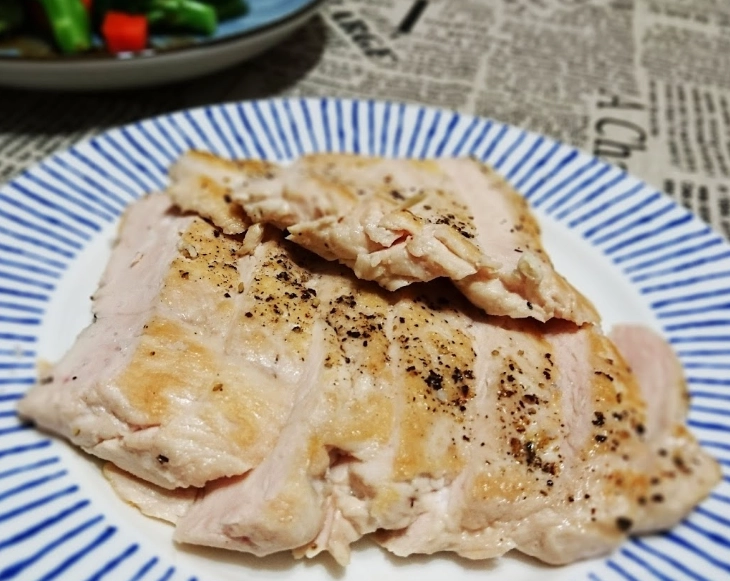
Chicken Boneless Thigh Calories: Nutrition, Cooking & Health Facts
Let's get straight to the point. You're here because you want a clear, no-nonsense answer about chicken boneless thigh calories. Not just a number, but what it means for your diet, your cooking, and your health goals. A 4-ounce (113-gram) serving of cooked, boneless, skinless chicken thigh contains roughly 180 to 210 calories. But if you think that's the whole story, you're missing the crucial details that can make or break your meal planning. The skin, the cooking method, and even the breed of chicken can swing that number by 100 calories or more. I've spent years analyzing nutrition data and coaching people through their food choices, and the biggest mistake I see is treating all chicken thighs as equal. They're not. This guide will cut through the noise and give you the actionable information you need.
What You'll Learn in This Guide
The Exact Calorie & Nutrition Data for Boneless Thighs
Relying on vague estimates is a recipe for frustration. For accurate planning, you need standardized data. The gold standard for this in the United States is the USDA FoodData Central. According to their latest published data, here’s the breakdown for a 100-gram (about 3.5-ounce) serving of roasted, boneless, skinless chicken thigh: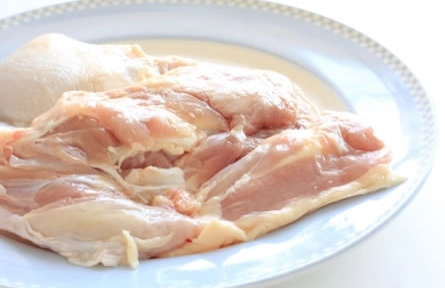
| Nutrient | Amount | % Daily Value (DV)* |
|---|---|---|
| Calories | 209 | 10% |
| Protein | 25.9 g | 52% |
| Total Fat | 10.9 g | 14% |
| Saturated Fat | 3.0 g | 15% |
| Iron | 1.3 mg | 7% |
| Zinc | 2.4 mg | 22% |
| Vitamin B12 | 0.4 µg | 17% |
*Based on a 2,000 calorie diet.
Notice the protein-to-calorie ratio? It's excellent. You're getting a massive 26 grams of high-quality protein for just over 200 calories. That's the magic of chicken thigh—it delivers satiating protein without being as lean and potentially dry as breast meat. The fat content, about 11 grams, is what gives it that rich flavor and juicy texture. Most of that fat is monounsaturated and saturated, with only about 3 grams being saturated fat.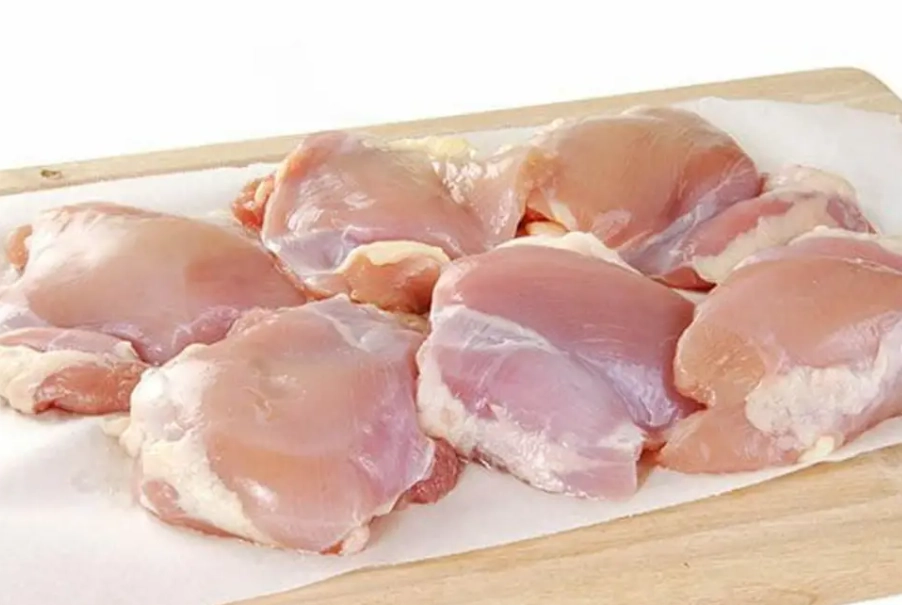
Now, a 100-gram serving is a bit abstract. In the real world, you're dealing with individual thighs. A typical medium boneless, skinless thigh from the grocery store weighs around 4 ounces (113 grams) raw. After cooking, which causes water loss, it shrinks to about 3 ounces (85 grams). That cooked 3-ounce piece will land you right in the 180-190 calorie range.
Skin-On vs. Skinless: The Real Calorie Impact
This is the single biggest factor most people overlook. The skin isn't just a wrapper; it's a layer of pure fat and calories. Let's be clear: leaving the skin on nearly doubles the fat and adds 70-100 extra calories to that same 3-ounce serving.
I used to think, "I'll just roast it and the fat will drip off." Here's the reality check I learned the hard way: while some fat renders out, a significant amount gets absorbed into the meat and the crispy skin itself retains plenty. You're not magically removing all the skin's fat by cooking it.
A 100-gram serving of roasted chicken thigh with skin jumps to about 230-250 calories and 16-18 grams of fat. That's a substantial difference if you're tracking intake.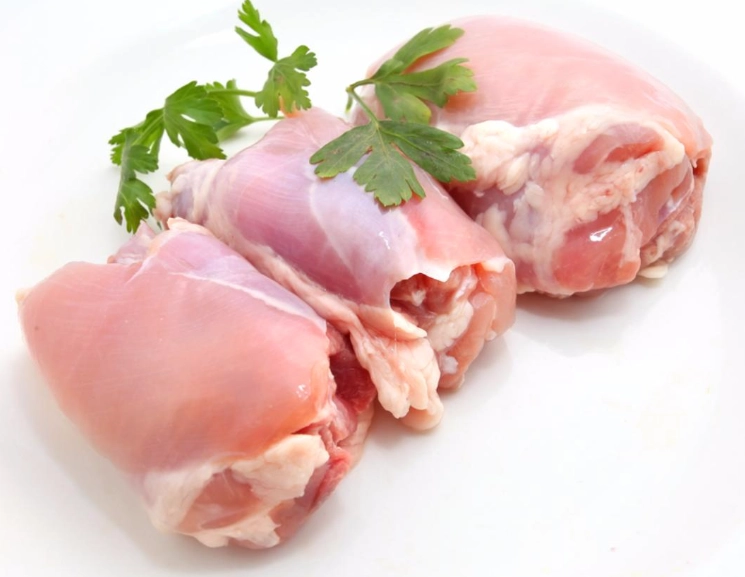
How Your Cooking Method Radically Changes Calories
"Chicken thigh calories" isn't a fixed number. It's a variable that depends entirely on what you do in the kitchen. Adding oil, batter, sauce, or breading transforms the equation.
- Grilling/Baking/Roasting (Dry Heat): The most calorie-neutral method. A spray of oil might add 20-30 calories. The numbers from the USDA table above assume roasting.
- Pan-Frying/Sautéing: This is where it gets tricky. If you fry a skinless thigh in a tablespoon of olive oil (120 calories), and half that oil is absorbed, you've just added 60 calories. That thigh is now pushing 250+ calories.
- Braising/Stewing: Calories from the thigh itself remain similar, but the total dish calories depend heavily on the sauce. A creamy coconut milk braise will be far more calorie-dense than a tomato-based stew.
- Deep Frying (e.g., Chicken Karaage): The calorie bomb. Breading absorbs oil like a sponge. A deep-fried boneless thigh can easily surpass 300-350 calories per piece.
The lesson? The base calorie count of the raw thigh is just your starting point. Your cooking choices write the final number.
Thigh vs. Breast & Other Cuts: A Clear Comparison
Should you choose thigh or breast? It's not a matter of "better" or "worse," but of different nutritional profiles for different goals.
Let's compare 100g of cooked, skinless meat:
| Cut (Skinless) | Calories | Protein | Total Fat |
|---|---|---|---|
| Chicken Thigh | 209 | 25.9g | 10.9g |
| Chicken Breast | 165 | 31.0g | 3.6g |
| Chicken Drumstick | 216 | 27.2g | 11.2g |
| Chicken Wing (meat only) | 203 | 30.5g | 8.1g |
Chicken Breast is the leanest, highest-protein option. Perfect if your primary goal is maximizing protein while minimizing calories and fat.
Chicken Thigh trades some leanness for more flavor, juiciness, and essential minerals like zinc and iron (it has nearly twice the iron of breast meat). It's ideal for those who find breast meat too dry, are not on an extremely low-fat diet, or need more satiating meals.
Drumsticks are very similar to thighs in nutrition. Wings are tricky—the meat itself is fairly lean, but they are almost always eaten with skin and often with high-calorie sauces.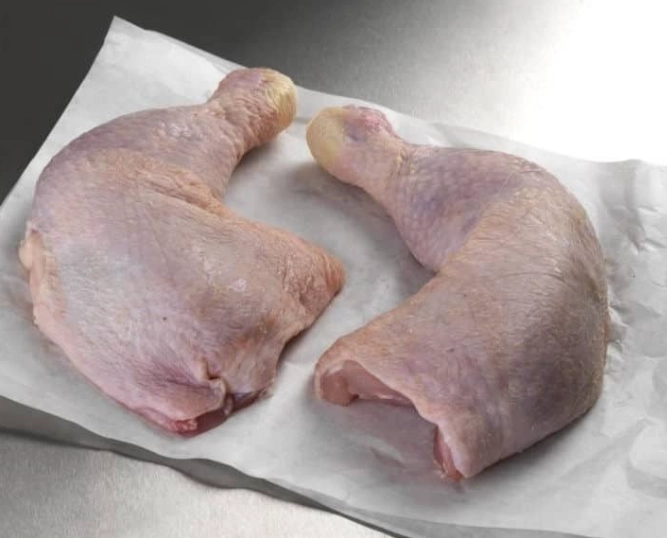
Expert Tips for Healthy, Flavorful Thighs
You don't have to sacrifice flavor for health. Here’s how I cook thighs to keep them nutritious and delicious.
1. Master the Marinade (Not the Glaze)
Skip the sugar-heavy BBQ sauces that add empty calories. Instead, use acidic marinades with herbs and spices. Yogurt, lemon juice, vinegar, garlic, paprika, cumin. They tenderize and add immense flavor for almost zero added calories.
2. Embrace High-Heat Roasting
For skinless thighs, toss them with a tiny amount of oil, salt, pepper, and roast at 425°F (220°C) for 20-25 minutes. The high heat caramelizes the exterior, creating a "fried" texture without the oil.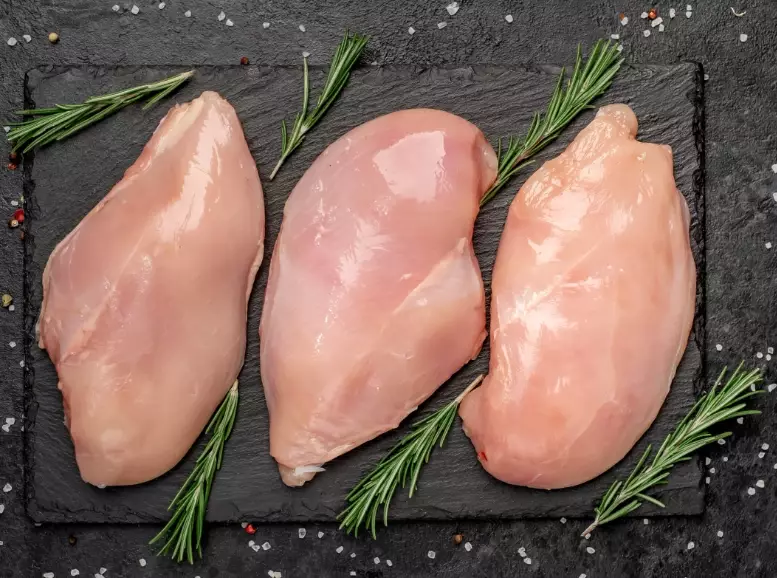
3. The "One-Pan" Strategy for Calorie Control
Roast your thighs on a sheet pan surrounded by non-starchy vegetables (broccoli, bell peppers, zucchini). The chicken juices flavor the veggies, and you create a complete, portion-controlled meal without adding separate fats or sauces.
4. Portion Awareness is Key
It's easy to eat two or three thighs without thinking. Mentally commit to one generous thigh (or a precise weight) as your protein portion. Pair it with a large volume of vegetables and a complex carb like quinoa or sweet potato.
Putting It Into Practice: Real Meal Scenarios
Let's translate numbers into actual plates. Here’s how the calories stack up in common dishes.
Scenario 1: The "Healthy" Lunch Bowl
2 boneless, skinless thighs (6oz cooked), 1 cup brown rice, 2 cups mixed greens, 2 tbsp light vinaigrette.
Calories: ~380 (thighs) + 215 (rice) + 50 (greens) + 60 (dressing) = ~705 calories. A balanced, high-protein, filling meal.
Scenario 2: The Comfort Food Dinner
2 skin-on thighs, roasted with potatoes and carrots glazed in olive oil and herbs.
Calories: ~500 (thighs with skin) + 300 (potatoes/oil) + 100 (carrots/oil) = ~900 calories. Still a reasonable dinner, but the skin and cooking oil significantly increase the count.
Scenario 3: The Takeout Trap
General Tso's Chicken (typically made with thigh meat). Battered, deep-fried, and coated in a sweet, sticky sauce. A single cup serving can easily be 500-700 calories, with most calories coming from batter, frying oil, and sugar.
See the pattern? The thigh itself is a nutrient-dense food. The extras around it define the meal's final health profile.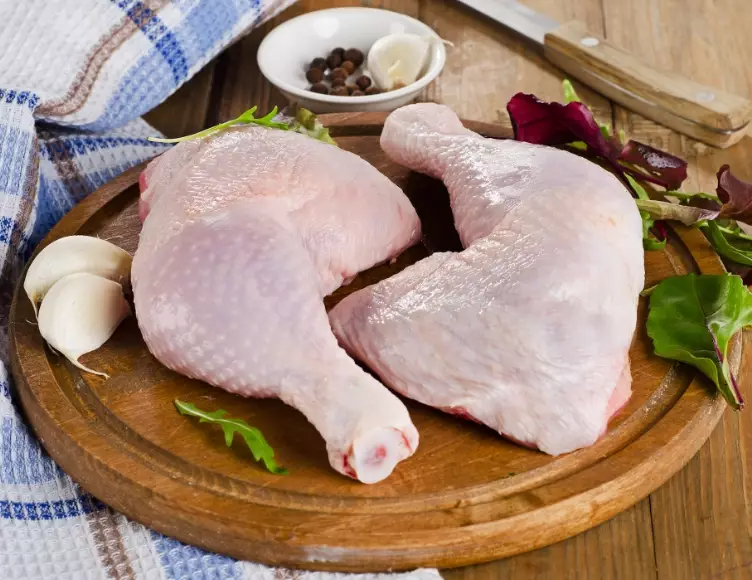
Your Burning Questions, Answered
Related Articles