The Ultimate Guide to Frying Chicken: Temperature and Time
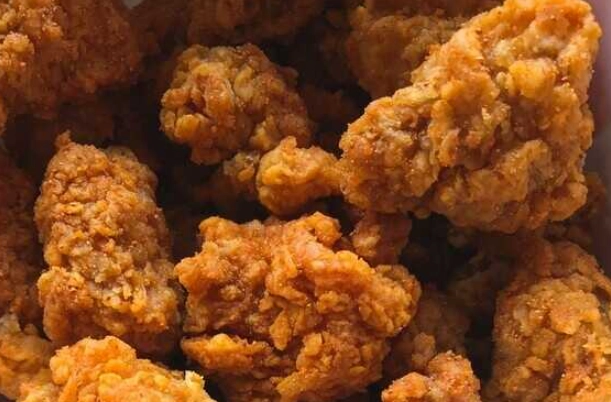
Let's cut straight to the chase. The two numbers that make or break your fried chicken are 350°F to 375°F (175°C to 190°C) for the oil temperature and roughly 12 to 20 minutes for the frying time. But if you just follow those numbers blindly, you'll still end up with disappointing chicken more often than not. The real secret isn't just knowing the numbers, it's understanding the why behind them and how to adapt when things don't go as planned. I've burned my fair share of chicken over the years, and every failure taught me something a recipe card never mentions.
Quick Navigation: Your Frying Roadmap
The Golden Rule of Oil Temperature: Why 350°F-375°F is Non-Negotiable
Think of oil temperature as the engine of your fry. Get it wrong, and everything falls apart.
Fry too low (below 325°F), and your chicken will act like a sponge. It soaks up oil, turning greasy, soggy, and pale. The coating falls off. The inside takes forever to cook, drying out the meat before the outside even thinks about crisping up. It's a total loss.
Fry too high (above 385°F), and you get the opposite disaster. The outside burns to a bitter, dark crisp in minutes, while the inside remains stubbornly raw or dangerously undercooked. You're left with a carcinogenic shell over uncooked poultry. Not good.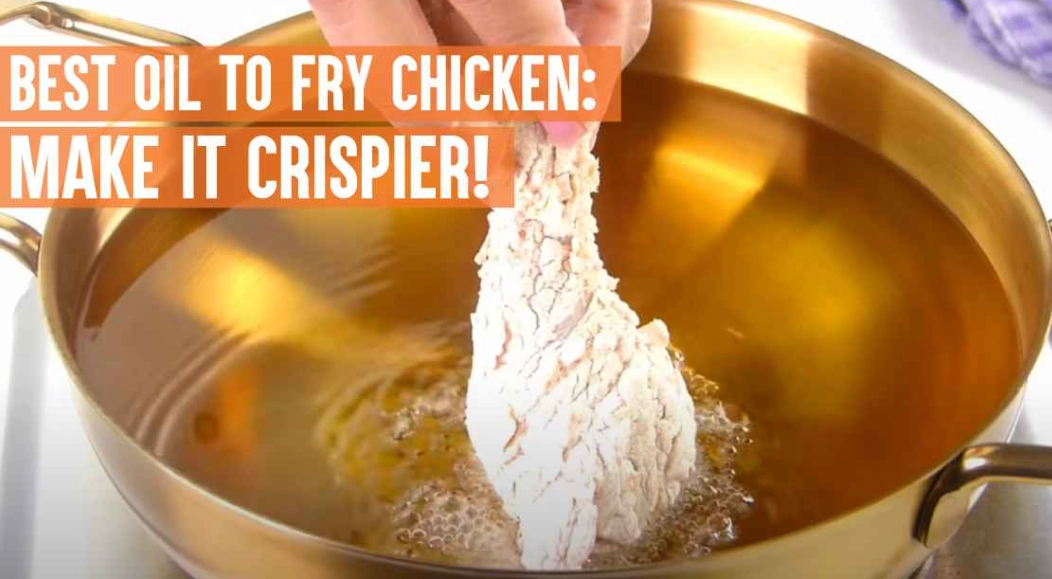
The 350°F-375°F sweet spot is magic because it creates the perfect sequence:
- Instant Seal: The high heat immediately sets the outer coating, creating a barrier that locks in juices and blocks out excess oil.
- Steam Power: The moisture inside the chicken turns to steam, cooking the meat from the inside out with gentle, moist heat.
- Golden-Brown Maillard Reaction: This is the chemical process that gives fried food its complex flavor and beautiful color. It happens ideally in this temperature range.
Here's the kicker most recipes don't tell you: your temperature will drop when you add chicken. Adding cold chicken to hot oil is like throwing an ice cube in your soup. If you start at 350°F and add a few pieces, it might plunge to 320°F. You must wait for it to climb back to at least 340°F before adding the next batch. Frying in small batches is not a suggestion; it's the law for maintaining proper temperature.
Frying Time: A Detailed Cut-by-Cut Breakdown
"Fry for 15 minutes" is useless advice. A wing and a thigh are worlds apart. Time depends entirely on size, thickness, and whether the bone is in.
This table is your cheat sheet. Times are for pieces fried at a steady 350°F, starting from room temperature. Always, always verify doneness with a meat thermometer inserted into the thickest part, avoiding bone. The safe internal temperature for chicken, according to the USDA, is 165°F (74°C).
| Chicken Cut | Approximate Fry Time | Key Visual & Internal Cues |
|---|---|---|
| Boneless, Skinless Breast Strips/Tenders | 4-6 minutes | Golden brown exterior. Cooks fast, can dry out easily. Pull at 160°F, carryover heat will finish it. |
| Chicken Wings (Drumettes & Flats) | 10-12 minutes | Deep golden, super crispy skin. Skin renders fully. Internal temp should hit 165°F+. |
| Boneless Chicken Thighs | 8-10 minutes | Rich, dark brown. Juicy and forgiving due to higher fat. Ensure 165°F internally. |
| Bone-in Chicken Drumsticks | 12-14 minutes | Even browning. The bone slows cooking. Check temp near the bone. |
| Bone-in Chicken Thighs | 14-16 minutes | Requires the most time. Skin should be deeply crisp, meat pulling from bone. Temp at thickest part. |
| Whole Chicken Leg (Thigh+Drumstick) | 16-20 minutes | A large piece. Fry until deeply browned and juices run clear. Crucial to use a thermometer. |
Pro Techniques That Go Beyond Temperature and Time
Temperature and time are the framework, but these details fill in the masterpiece.
The Brine Before the Fry
Seasoning just the flour isn't enough. Your chicken needs flavor and moisture from the inside. A simple brine of 1/4 cup salt and 1/4 cup sugar dissolved in 4 cups of cold water, with herbs if you like, does wonders. Soak pieces for 2-4 hours (or even 30 minutes in a pinch). The result? Chicken that stays juicy even if you accidentally overcook it by a minute.
The Dredge Dance: Wet Hand, Dry Hand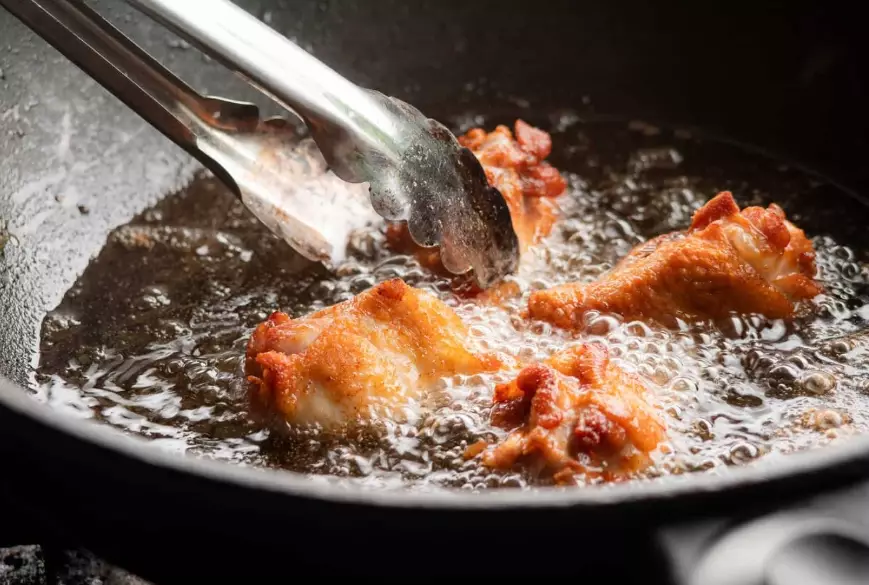
Gloopey, clumpy coatings come from using the same hand for wet batter and dry flour. Designate one hand as your "wet hand" (for the buttermilk/egg wash) and the other as your "dry hand" (for the flour mixture). Your dry hand stays relatively clean, and you get an even, craggy coating that fries up perfectly crisp.
The Non-Negotiable Post-Fry Rest
Pulling chicken straight from the oil and biting in is a mistake. Let it rest on a wire rack set over a baking sheet for 5-10 minutes. This allows the furious bubbling inside to settle, the juices to redistribute, and the crust to firm up into that perfect crispiness. If you put it on paper towels, the steam softens the bottom—a rookie error I made for years.
The Air Fryer Alternative: A Different Beast
Air fryers are great, but they work by circulating super-hot air, not by submerging in oil. The rules change completely.
Temperature: You generally cook at a higher air temperature, around 380°F to 400°F (195°C to 205°C).
Time: It can be similar to deep-frying, but it's less consistent. A chicken thigh might take 18-22 minutes, but you must flip it halfway.
The biggest issue? The coating. A wet batter will just blow off and make a mess. You need a dryer coating—a light spray of oil is mandatory to help it crisp. It makes a good, healthier-ish version, but don't expect the same deep-fried texture. It's a different food.
Your Fried Chicken Questions Answered (FAQ)
Why does my fried chicken coating burn before the meat is cooked through?
Can I reuse the oil from frying chicken?
My chicken is cooked but the crust is soggy. What happened?
Is it better to fry chicken covered or uncovered?
How do I know when the oil is ready if I don't have a thermometer?
Related Articles