Skinless Chicken Thigh Calories: Nutrition Facts & Cooking Tips
Let's cut through the noise. You're here because you want a straight answer about calories in skinless chicken thigh. Is it a diet-friendly protein or a hidden calorie bomb? The short answer is this: a 3-ounce (85g) cooked, skinless chicken thigh contains roughly 135 to 150 calories. But if you stop there, you're missing the whole story—and potentially a fantastic, flavorful option for your meals. For years, chicken thigh got a bad rap while breast stole the spotlight. I used to be a breast-only guy myself, until I realized how much juiciness and satisfaction I was sacrificing for a marginal calorie difference. This guide isn't just about a number; it's about understanding the complete nutrition profile, how cooking changes everything, and how to make skinless thighs work for your goals, whether you're cutting, maintaining, or just eating better.
What's Inside?
- Nutrition Breakdown: More Than Just Calories
- Chicken Thigh vs. Breast: The Calorie & Flavor Showdown
- How Cooking Method Drastically Changes Calorie Count
- How to Fit Skinless Chicken Thighs Into Your Diet Plan
- Common Mistakes & Pro Tips for the Best Results
- Your Skinless Chicken Thigh Questions, Answered
Nutrition Breakdown: More Than Just Calories
Focusing solely on the calories in a skinless chicken thigh is like judging a book by its cover. The macro and micronutrient profile is where the real value lies. Based on data from the USDA FoodData Central, here’s what you're really getting in that 3-ounce serving.
| Nutrient | Amount (Approx. 3oz / 85g cooked) | % Daily Value (DV)* |
|---|---|---|
| Calories | 135 - 150 kcal | 7% |
| Protein | 18 - 21 grams | 36-42% |
| Total Fat | 5 - 7 grams | 7-10% |
| Saturated Fat | 1.5 - 2 grams | 8-10% |
| Iron | 0.9 - 1.1 mg | 5-6% |
| Zinc | 1.8 - 2.2 mg | 16-20% |
| Vitamin B12 | 0.3 - 0.4 mcg | 12-16% |
| Selenium | 14 - 16 mcg | 25-29% |
*Based on a 2,000-calorie diet. Percentages are rough estimates.
See that protein number? It's nearly identical to chicken breast, gram for gram. The main difference is the fat content, which is about 3-4 grams higher. This isn't necessarily a bad thing. This slightly higher fat content is what gives thigh meat its richer flavor and keeps it moist during cooking—no more dry, chalky chicken. Furthermore, the fat profile includes a mix of saturated and unsaturated fats. The iron and zinc content in dark meat is significantly higher than in white meat, which is crucial for immune function and energy levels. So, you're trading a few grams of fat for more flavor, juiciness, and key minerals.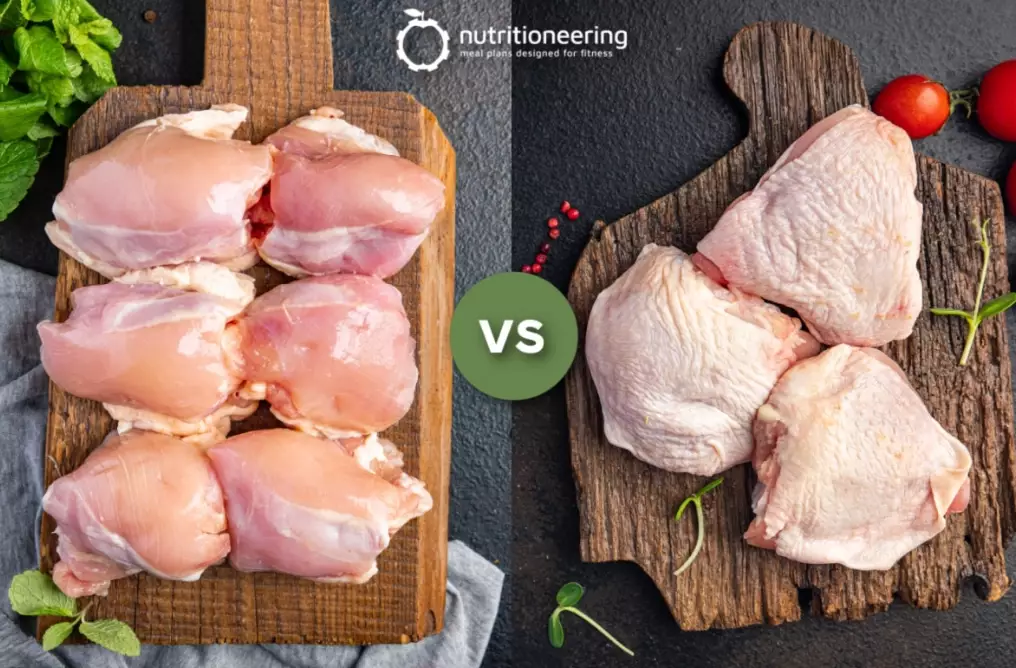
Chicken Thigh vs. Breast: The Calorie & Flavor Showdown
This is the comparison everyone wants. Let's put the two side-by-side for a 3-ounce cooked, skinless portion.
The Quick Takeaway:
The calorie difference is about 20-30 calories. The breast wins on pure leanness (fewer calories, less fat). The thigh wins on flavor, juiciness, micronutrients (iron, zinc), and forgiveness during cooking. For most people in a balanced diet, that 30-calorie gap is negligible for the satisfaction gain.
I made the "breast is best" mistake for years. I'd meal-prep dry breasts, drench them in sauce to make them edible, and wonder why I was craving other foods. Switching to thighs was a revelation. The meals felt more substantial, and I was less likely to snack later. The key is context. If you're on an extremely strict cutting phase where every single gram of fat and calorie is counted, breast might be your go-to. But for sustainable, enjoyable healthy eating, skinless chicken thighs are a superior choice for preventing diet burnout.
How Cooking Method Drastically Changes Calorie Count
Here’s a point most generic articles miss: the calories in your skinless chicken thigh are not fixed. They change based on how you cook it. Adding oil, marinades, sauces, or breading can double or even triple the calorie count. Let's break down the impact.
Low-Calorie Champion Methods
Grilling, Baking, Air Frying, or Poaching with minimal added fat are your best bets. A spray of oil (about 1/2 teaspoon for a batch) adds only about 20 calories. These methods allow the chicken's natural juices and flavor to shine. My personal favorite is air-frying at 400°F for 15-18 minutes. It gets the exterior crispy without needing to submerge it in oil.
Calorie-Inflating Methods (Use with Caution)
Pan-frying or sautéing often requires 1-2 tablespoons of oil, adding 120-240 pure fat calories to your entire dish. Deep-frying or using heavy cream-based sauces (like Alfredo) or sugary glazes (like teriyaki) can push a healthy thigh into fast-food territory. This doesn't mean you can never enjoy these—just be aware and portion accordingly. A common mistake is assuming "skinless" means "carte blanche to drown it in sauce."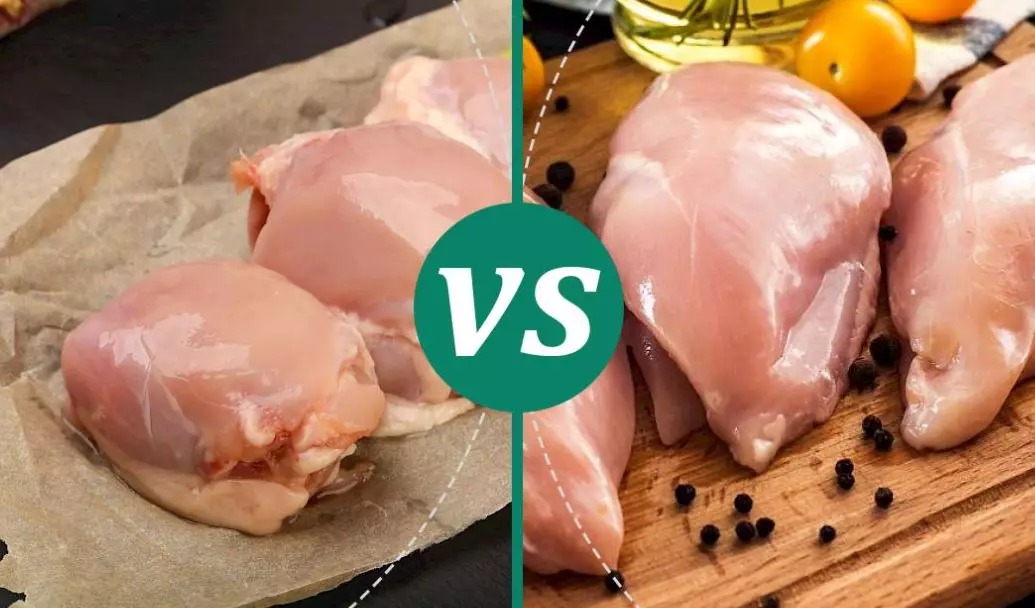
How to Fit Skinless Chicken Thighs Into Your Diet Plan
Knowing the numbers is useless if you don't know how to apply them. Here’s how to make skinless chicken thigh nutrition work for different goals.
For Weight Loss: Portion control is key. Stick to one 4-6 oz (113-170g) serving per meal. Pair it with a massive volume of non-starchy vegetables (broccoli, peppers, salad) and a modest portion of complex carbs (like 1/2 cup quinoa or sweet potato). The high protein and fat will keep you full, so you're less tempted by junk later.
For Muscle Building: Thighs are excellent here. The extra calories from fat can be beneficial in a surplus. You need the protein for repair and the overall calories for growth. Have a larger portion (6-8oz) alongside your carbs.
For a Balanced Maintenance Diet: This is where thighs excel. Their flavor encourages cooking at home. Try this simple weekly idea: bake a sheet pan of thighs with chopped potatoes, bell peppers, and onions tossed in a little olive oil and spices. Easy, satisfying, and you control the ingredients.
Common Mistakes & Pro Tips for the Best Results
- Mistake #1: Not Trimming Enough. Even skinless thighs often have large, obvious chunks of excess fat left on the sides. Take 30 seconds with kitchen shears to trim them off. This can save you an extra 1-2 grams of fat per thigh.
- Mistake #2: Overcooking. Dark meat is forgiving, but it can still dry out. Target an internal temperature of 165°F (74°C) and let it rest for 5 minutes. The carryover heat will finish the job, and the juices will redistribute.
- Pro Tip: The Marinade Magic. Since thighs have more flavor, they stand up to bold marinades beautifully. A simple mix of lemon juice, garlic, and herbs penetrates the meat without adding many calories, making it even more delicious with zero guilt.
- Pro Tip: Batch Cook for Success. Cook 2-3 pounds at once. Use some for salads, some for grain bowls, and shred the rest for tacos or soups during the week. This single act makes healthy eating effortless.
Your Skinless Chicken Thigh Questions, Answered
 I'm meal prepping. Do cooked skinless chicken thigh calories change after refrigeration?
Related Articles