Perdue Harvestland Chicken: An Honest Review of Quality, Taste & Value
In This Review
You've seen it in the store. The packaging stands out with its green and earthy tones, promising things like "No Antibiotics Ever" and "Vegetarian Fed." The price tag is usually a notch above the basic store brand. I found myself staring at a pack of Perdue Harvestland chicken breasts the other week, my cart already feeling heavy, wondering if the extra couple of dollars were just for fancy marketing or if there was real substance behind the label.
I bought it. I cooked it. And then I went down a bit of a rabbit hole, because if I'm going to pay more, I want to know exactly what I'm getting. This isn't just a quick taste test. We're going to dig into what makes Perdue Harvestland Chicken different, who it's really for, and whether it lives up to the hype in the kitchen where it matters most.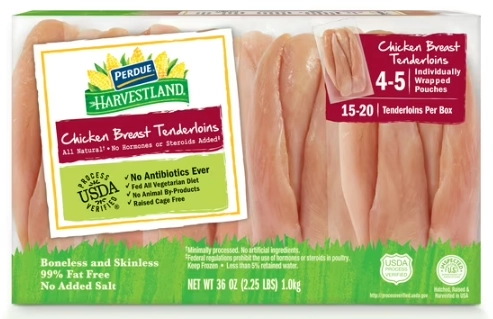
Breaking Down the Perdue Harvestland Promise: It's More Than Just Chicken
At its core, Perdue Harvestland is a specific line within the larger Perdue brand. It's positioned as their premium, responsibly-raised poultry option. But what does that actually mean on a Tuesday night when you're trying to get dinner on the table?
The marketing focuses on a few key pillars. They're not shy about them, so let's look at each one critically.
The "No Antibiotics Ever" Claim
This is the big one, printed right on the front of the package. For Perdue Harvestland Chicken, this means the birds are raised without the use of antibiotics from hatch to harvest. This is different from claims like "antibiotic-free," which can be murky. The "ever" part is crucial.
Why does this matter? Well, public health experts have long expressed concern about the routine use of antibiotics in animal agriculture contributing to antibiotic resistance. The Centers for Disease Control and Prevention (CDC) identifies antibiotic resistance as a serious global threat. Choosing meat raised without antibiotics is one way some consumers vote with their wallets against this practice.
Is it a guarantee of better health for you? Not directly. But it speaks to a different approach to raising animals. Perdue has information on their animal care standards that backs this up.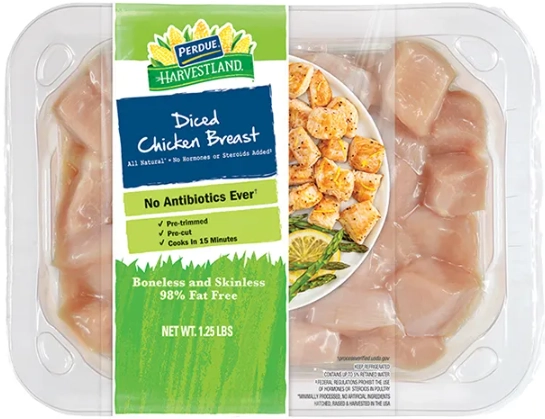
But here's a thought. Is "No Antibiotics Ever" the industry standard now? Not quite, but it's becoming a major selling point.
Vegetarian Feed & What's NOT in It
Chickens are omnivores. They'd happily eat bugs and worms if left to their own devices. Perdue Harvestland chickens are fed a 100% vegetarian diet, primarily of corn and soybean meal. The main point here isn't about mimicking their natural diet (it doesn't), but about control. A vegetarian feed formula ensures no animal by-products are included.
This point often gets paired with another: "No Animal By-Products." For some shoppers, particularly those with specific dietary preferences or concerns about feed sources, this is a significant factor. It's about traceability and knowing exactly what went into the animal.
Animal Welfare and Housing (The American Humane Certified Label)
Many, but not all, Perdue Harvestland products carry the "American Humane Certified" seal. This is a third-party certification. It means the farms raising these chickens have been audited against specific standards set by the American Humane organization.
The standards cover things like space allowance (more room than conventional industry averages), access to clean water and food, and environments designed to promote natural behaviors. It doesn't mean the chickens are roaming vast pastures (that's usually a "pasture-raised" claim, which is different and often more expensive). It means their indoor housing meets certain welfare criteria.
Is it perfect? Animal welfare advocates often debate the strictness of various certifications. But compared to uncertified, conventional chicken, it represents a documented step up in welfare practices. For the consumer who cares about this but isn't ready for the price jump to pasture-raised, it's a meaningful middle ground.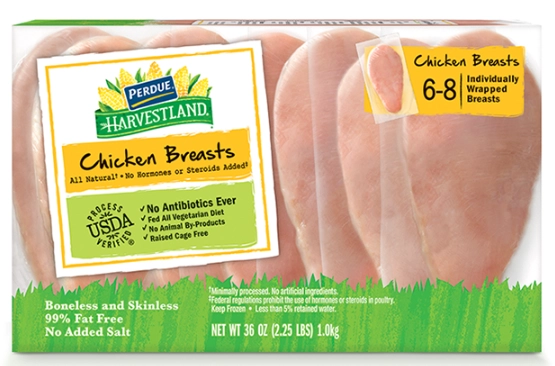
The Perdue Harvestland Lineup: Not All Packages Are Created Equal
This is where things can get confusing at the meat counter. Perdue Harvestland isn't just one thing. They have different product lines under the Harvestland umbrella, and the attributes vary. You need to read the specific package.
| Product Type | Key Claims (Typical) | Best For... | My Note |
|---|---|---|---|
| Harvestland Classic (e.g., Boneless Skinless Breasts, Thighs) | No Antibiotics Ever, Vegetarian Fed, American Humane Certified | The everyday shopper wanting a reliable, premium option with core benefits. | This is the workhorse line. The chicken I most often see and buy. |
| Harvestland Organic | All of the above, PLUS USDA Organic Certified. Feed is 100% organic. | Shoppers prioritizing organic certification above all else. | You're paying a premium for the organic label. Check if that's your top priority. |
| Harvestland Free Range | No Antibiotics Ever, Vegetarian Fed, Free Range (access to outdoors), American Humane Certified. | Those specifically seeking a "free range" designation for animal welfare reasons. | "Access" is key. It doesn't specify how much time is spent outdoors, but it's a regulated claim. |
| Harvestland Ground Chicken & Sausage | No Antibiotics Ever, Vegetarian Fed. (Certification may vary). | Convenience products with the same core sourcing standards. | A good way to incorporate the standards into burgers, meatballs, etc. |
See the pattern? The Perdue Harvestland foundation is the "No Antibiotics Ever" and "Vegetarian Fed." The other attributes (Organic, Free Range) are layered on top for specific markets. Always glance at the package you're holding to confirm what you're getting.
The Kitchen Test: How Does Perdue Harvestland Chicken Actually Cook and Taste?
Alright, let's get to the good part. All the standards in the world don't matter if the chicken is bland, tough, or swims in a pool of water in the pan.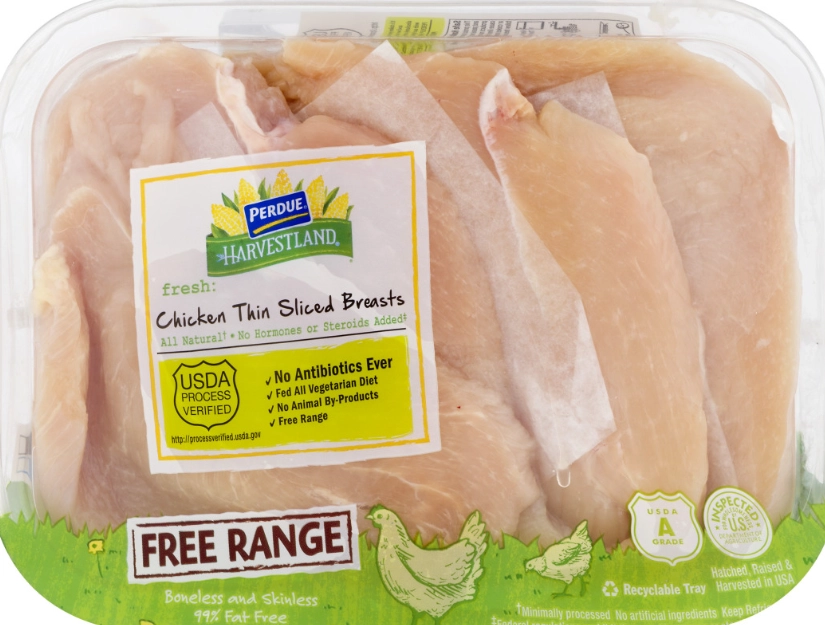
I've cooked a lot of this chicken over the last few months. Here's my blunt, non-chef assessment.
Texture and Moisture
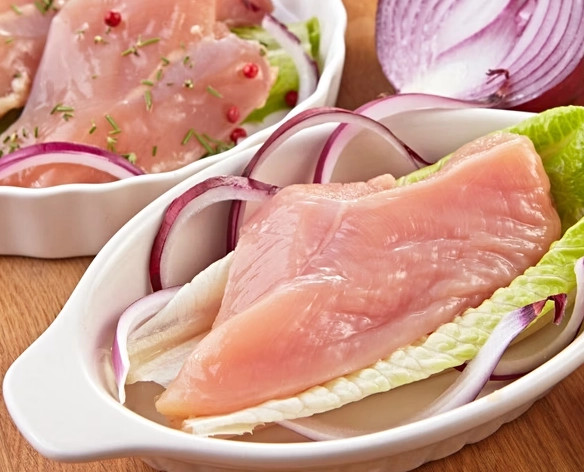
This is where I noticed the most consistent difference compared to the absolute cheapest store brand. Perdue Harvestland chicken breasts, in particular, seem to have a firmer, more substantial texture. They're less likely to be that weird, soft, almost spongy texture that can happen with some conventionally raised chicken.
They also tend to be less watery. You know that moment when you put chicken in a hot pan and it immediately starts releasing a ton of liquid, steaming instead of searing? I've had that happen far less with Harvestland. The meat sears better, which means you get those nice browned bits (the fond) that are flavor gold.
Flavor Profile
Does it taste like chicken? Of course. But there's a subtlety here. The flavor is cleaner and, for lack of a better word, more distinctly "chicken-y." It's less bland. It has a slight sweetness to it that comes through, especially in the dark meat.
Is it a life-altering, mind-blowing taste experience? No. Let's not get carried away. It's chicken. But the improvement in baseline flavor is noticeable, especially in simple preparations like grilling, roasting, or pan-searing with just salt and pepper. The quality of the ingredient shines through more easily.
My kid, the ultimate picky eater test, said it "tastes better" in a chicken noodle soup. That's a win.
Performance in Different Cooking Methods
- Grilling: Excellent. Holds together well, good grill marks, doesn't shrink dramatically into a sad little puck.
- Pan-Searing/Sautéing: Top notch. The lower water content is a huge advantage here for proper browning.
- Slow Cooking/Shredding: Very good. It retains a pleasant texture and doesn't become mushy.
- Baking/Roasting: Reliable. Cooks evenly, and the skin (if you have it on) gets beautifully crispy.
The Price vs. Value Equation: Is Perdue Harvestland Chicken Worth It?
This is the million-dollar question, literally, out of your grocery budget.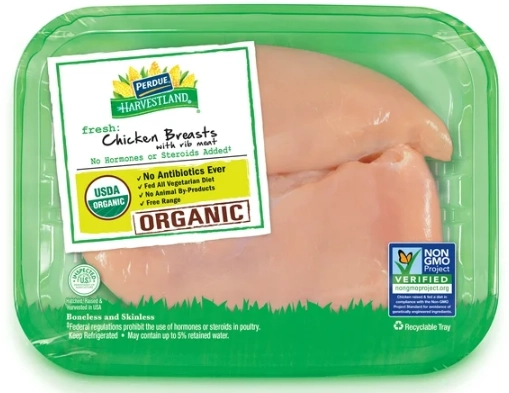
Perdue Harvestland Chicken is almost always more expensive than conventional, commodity chicken. You might pay 20-40% more per pound, depending on sales and your location. So, what are you buying for that extra money?
You ARE paying for:
- Specific Sourcing Standards: The "No Antibiotics Ever," vegetarian feed, and often, humane certification. You're funding that supply chain.
- Potentially Better Texture & Cooking Performance: The less-watery, firmer meat that behaves better in the pan.
- A Cleaner, More Pronounced Flavor: The subtle taste upgrade.
- Brand Accountability: Perdue is a major player, and while not perfect, they are subject to more scrutiny on these claims than a no-name brand.
You are NOT necessarily paying for:
- A dramatic health boost in your diet: The nutritional difference in protein, vitamins, and minerals between this and conventional chicken is minimal.
- "Pasture-Raised" idyllic conditions: Unless you buy the specific Free Range line, these are primarily indoor-raised (albeit to higher welfare standards).
- Guaranteed organic: Only if you buy the "Organic" line.
My personal calculus? For a special meal or when I'm making a simple dish where the chicken is the star (like grilled chicken with vegetables), I think the Perdue Harvestland upgrade is worth it. The cooking experience and end result are better. For a complex curry or a heavily seasoned casserole where the chicken flavor gets buried, I might opt for a cheaper option and put the savings toward better spices or organic vegetables.
It's about allocating your "quality food" budget where it makes the most sensory and ethical difference to you.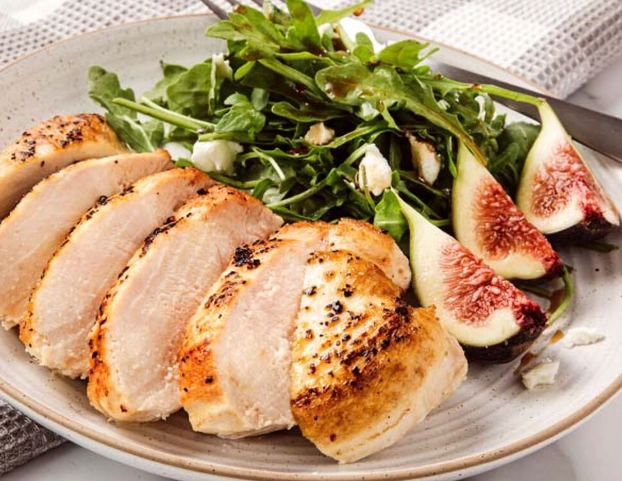
Navigating the Store & Common Questions (FAQ)
Let's tackle some of the specific questions that pop up when you're considering Perdue Harvestland chicken.
Is Perdue Harvestland Chicken really better than Tyson or other big brands?
"Better" is subjective. It depends on what you value. Compared to Tyson's standard line, Perdue Harvestland has stricter claims on antibiotics and feed. Tyson has its own premium lines (like Tyson® Open Prairie®) that make similar claims. It's less about brand vs. brand and more about comparing the specific product lines and their certifications side-by-side. Look for the labels, not just the brand name.
Where can I buy Perdue Harvestland Chicken?
It's widely available in mainstream supermarkets across the US. I've consistently seen it at stores like Walmart, Kroger, Safeway, Albertsons, Publix, and Stop & Shop. It's usually in the fresh meat section, not frozen. Your store's app or website is the best way to check local availability and price.
How should I cook it to get the best results?
Don't overcook it! Use a meat thermometer. Aim for 165°F (74°C) at the thickest part, then let it rest for 5-10 minutes. Because it's less watery, it can go from juicy to dry a bit quicker. Embrace high-heat methods (grill, sear, roast) to capitalize on its browning potential. Brining is always a great idea for any chicken breast to guarantee juiciness.
What does "American Humane Certified" actually guarantee?
It guarantees the farm was audited against the American Humane meat chicken standards. This includes requirements for space (for example, a maximum stocking density), air quality, lighting cycles, and management practices to reduce stress and injury. It's a process-based certification, not an on-the-farm 24/7 monitor.
Is the Organic line worth the extra cost over the Classic line?
Only if organic certification is non-negotiable for you. The USDA Organic seal means the feed is 100% organic and the birds meet all National Organic Program requirements. If your primary concerns are antibiotics and general welfare, the Classic Harvestland line meets those at a lower price point. The taste and texture difference between Organic and Classic Harvestland, in my experience, is negligible.
The Final Verdict: Who Should (and Shouldn't) Buy Perdue Harvestland Chicken
After all this digging, tasting, and cooking, here's where I land.
Perdue Harvestland Chicken is a solid YES if: You are specifically seeking chicken raised without antibiotics. You value the transparency of a vegetarian, no-animal-by-product feed. You want a chicken that performs reliably in the kitchen with better browning and texture. You're looking for a meaningful step up from basic chicken but aren't ready to dive into the niche, ultra-expensive pasture-raised market.
You might want to skip it if: Your only priority is the absolute lowest protein cost per pound. You're cooking dishes where the chicken's subtle flavor will be completely masked. You are strictly seeking a pasture-raised or regenerative agriculture product (look for those specific labels instead).
For me and my kitchen, Perdue Harvestland Chicken has earned a spot in my regular rotation. Not for every single meal, but for the times I want to feel good about the sourcing and enjoy the cooking process a bit more. The difference is tangible, not just theoretical. It's a practical premium option in the messy middle of the chicken market—better than the baseline, but not as esoteric or expensive as the small-farm options.
In the end, it comes down to what you value. If those front-of-package claims resonate with you, the product backing them up delivers in the pan. And that's really what matters when you're trying to feed yourself and your family well.
Next time you're in the meat aisle, you'll know exactly what you're looking at. And maybe, like me, you'll decide it's worth picking up that green-packaged Perdue Harvestland chicken for tonight's dinner.
Related Articles