Chicken Leg Dark Meat Explained: Science, Cooking & Nutrition
You're staring at a pack of chicken legs in the grocery store, recipe in mind. A question pops up, one you maybe never asked out loud: is a chicken leg dark meat? The short answer is yes, absolutely. But if you stop there, you're missing the whole story. That simple "yes" hides a world of science, flavor secrets, and cooking pitfalls that can make or break your meal. I've spent years grilling, roasting, and braising poultry, and I've seen the same mistakes over and over—people treating a mighty chicken leg like a delicate breast, then wondering why it's dry or greasy.
Let's clear the air right now. Understanding why the leg is dark meat isn't just trivia. It's the key to unlocking its full potential: incredible juiciness, deep flavor, and nutritional benefits that often get unfairly overlooked.
Your Quick Guide to Chicken Legs
The Real Reason Chicken Legs Are Dark Meat
It all comes down to biology and function. Chickens, like most birds, don't fly long distances. They walk, scratch, and stand all day. Their leg and thigh muscles are built for endurance, not quick bursts of speed.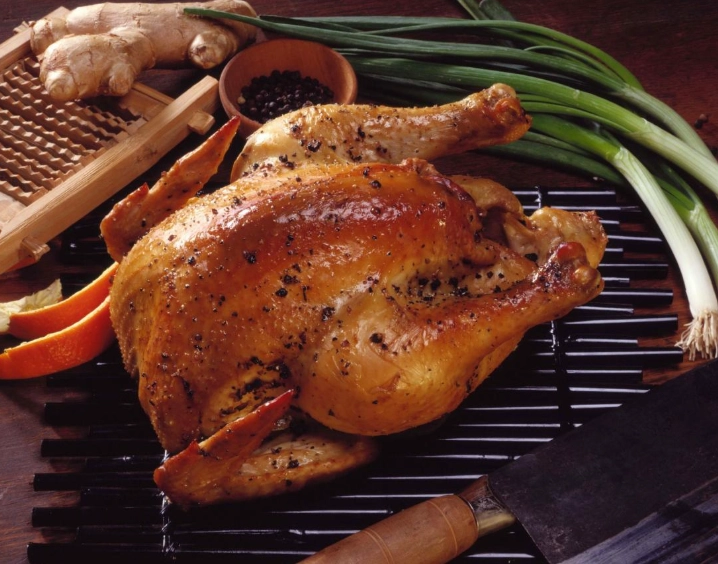
Muscles designed for sustained work are packed with slow-twitch muscle fibers. These fibers rely on a steady supply of oxygen, which is delivered by a protein called myoglobin. Myoglobin is dark red, almost purple. The more myoglobin a muscle has, the darker it appears. That's the source of the deep, reddish-brown color in chicken legs, thighs, and drumsticks.
Contrast that with the breast and wing muscles. Their job is quick, powerful bursts (like flapping to escape). They use fast-twitch fibers that don't need as much oxygen on standby, so they contain far less myoglobin. Result? Pale, white meat.
Think of it this way: A marathon runner's legs (slow-twitch, endurance) vs. a sprinter's legs (fast-twitch, power). The chicken leg is the marathon runner. This fundamental difference affects everything—taste, texture, and how you should cook it.
Dark Meat vs. White Meat: A Detailed Breakdown
Calling it just a color difference is like calling a sports car and a truck just "vehicles." The variation runs deep. Here’s a side-by-side look at what you're really dealing with.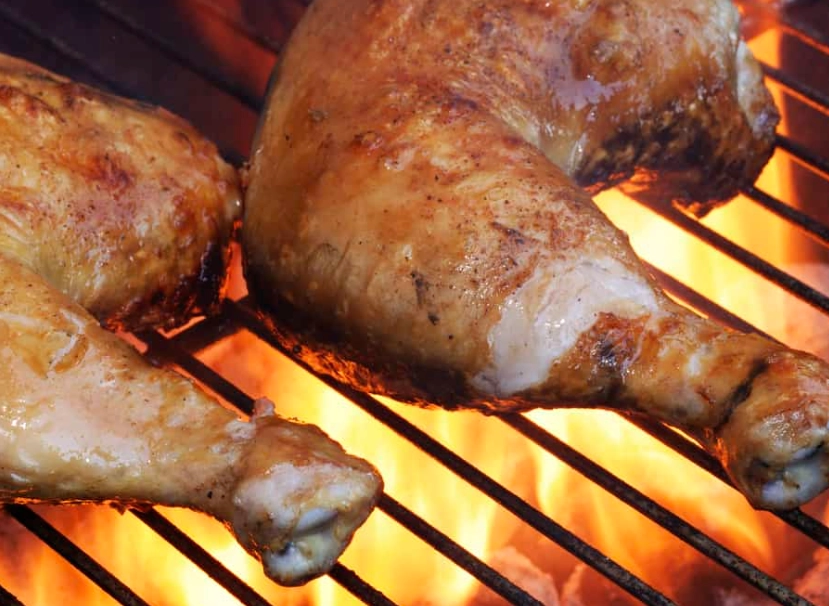
| Characteristic | Dark Meat (Leg/Thigh) | White Meat (Breast) |
|---|---|---|
| Primary Muscle Fiber | Slow-twitch (Type I) | Fast-twitch (Type II) |
| Key Protein (Color Source) | High Myoglobin | Low Myoglobin |
| Fat Content | Higher (More marbling & subcutaneous fat) | Lower (Very lean) |
| Connective Tissue | More collagen (needs slow cooking to break down) | Less collagen |
| Flavor Profile | Richer, more savory, "chicken-y" | Milder, more delicate |
| Texture When Cooked | Juicy, tender, can be fall-off-the-bone | Firm, can dry out easily if overcooked |
| Ideal Cooking Methods | Braising, roasting, grilling (indirect heat), stewing | Quick sauté, grilling (direct heat), baking (fast) |
See the fat and connective tissue notes? That's your cooking roadmap. Dark meat forgives. White meat punishes. Overcook a breast by five minutes, and it's sawdust. Overcook a leg, and it might just get more tender as the collagen melts.
How to Cook Chicken Legs Perfectly (The Expert Method)
Forget everything you know about cooking chicken breasts. Here’s my go-to method for foolproof, juicy baked chicken legs that works every single time. I learned this after a disastrous dinner party where my "herb-crusted" legs were raw near the bone. Never again.
The Non-Negotiable Steps:
- Dry the Skin: Pat legs completely dry with paper towels. Wet skin = steamed, rubbery skin. We want crisp.
- Season Aggressively: Salt under the skin and on the skin. Don't be shy. Herbs, garlic powder, paprika—get it everywhere.
- Use a Wire Rack: Place a wire rack on a baking sheet. This lets hot air circulate, crisping the skin all over and letting fat drip away.
- Temperature is Law: Start hot (425°F/220°C) for 20-25 minutes to crisp the skin, then lower to 375°F (190°C) to cook through gently without burning.

Why This Method Works for Dark Meat
The high heat jump-starts the skin rendering and Maillard reaction (that flavor-boosting browning). The lower finish allows the heat to penetrate to the bone and gently melt the connective tissue in the dark meat without tightening it up and squeezing out the juices. A digital thermometer is crucial. Pull the legs at 175-180°F (79-82°C). Yes, higher than the 165°F for breast. At that higher temp, the collagen has fully transformed into gelatin, making the meat incredibly tender and moist.
For grilling, the principle is indirect heat. Sear over direct flame for marks, then move to the cool side, close the lid, and let them roast until done. This slow, ambient heat is what dark meat craves.
Nutrition Facts: Busting the "Unhealthy" Myth
This might be the most important section. For decades, white meat was crowned the "healthy" choice, and dark meat was sidelined. It's time for a reality check, backed by data from sources like the USDA FoodData Central.
Is dark meat higher in fat? Technically, yes. A 3-oz cooked skinless chicken thigh has about 9 grams of fat compared to about 3 grams in a same-sized breast. But look closer. It's a mix of monounsaturated and saturated fat, and it comes with a powerful nutritional upside.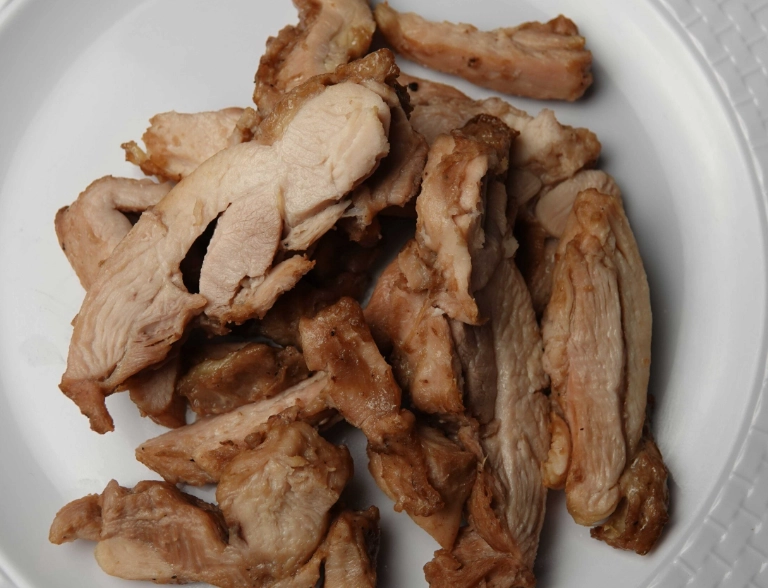
Dark meat is a nutritional powerhouse in ways white meat isn't:
- Iron: Carries oxygen in your blood. Dark meat has about 1-1.5 mg per serving, nearly double that of white meat.
- Zinc: Crucial for immune function and metabolism. Again, nearly double.
- B Vitamins: Especially B12 (vital for nerves) and Riboflavin (B2). Significantly higher concentrations.
The extra fat is precisely what carries flavor and provides a feeling of satisfaction. For most people pursuing a balanced diet, the minor difference in calories is irrelevant compared to the nutritional benefits and the fact that a satisfying meal prevents overeating later. Choosing skinless dark meat is a fantastic middle ground.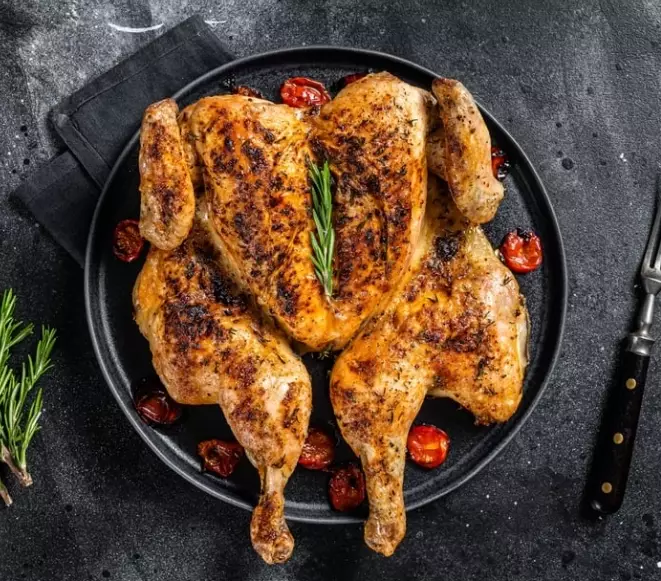
Your Chicken Leg Questions, Answered
So, is a chicken leg dark meat? Unequivocally yes. But now you know that's just the starting line. It's a different ingredient with different rules. Embrace its richer flavor, forgiving nature, and nutritional perks. Stop fearing the fat and start respecting the science. Your next chicken dinner will thank you.
Grab those legs, crank up the oven, and cook with confidence. You've got this.
Related Articles