Chicken Tenderloins Calories: Nutrition Facts & Healthy Recipes
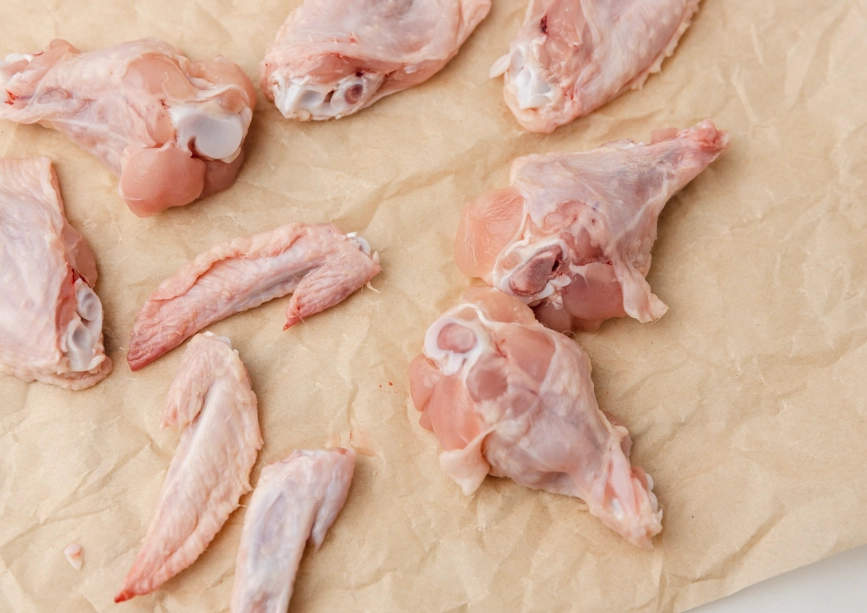
Let's cut straight to it. You're here because you want the number. How many calories are in chicken tenderloins? A 4-ounce (113g) serving of raw, skinless chicken tenderloin contains roughly 120 to 130 calories. That's it. The core fact, plain and simple.
But if you're just tracking that number and calling it a day, you're missing the whole story. I've been meal-prepping with chicken for over a decade, from bodybuilding cuts to family dinners, and I've seen people make the same subtle mistakes. They get the base calorie count right but then drown it in a sauce that doubles the total, or they misunderstand how cooking transforms the meat. Knowing the calorie count of chicken tenderloins is just the entry ticket. What you really need to know is how to use this incredibly lean cut to build satisfying, healthy meals without the guesswork.
What You'll Find in This Guide
How Many Calories Are in Chicken Tenderloins?
Let's get granular. The USDA FoodData Central is the gold standard for this data. A 4-ounce serving of raw chicken tenderloin is about the size of your palm.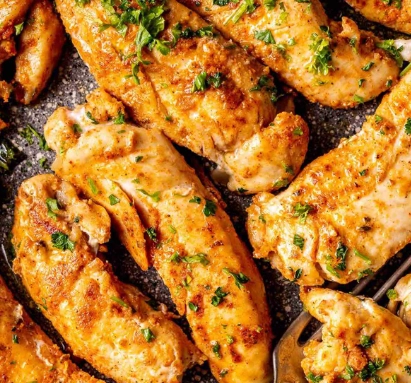
Key Takeaway:
Per ounce, raw chicken tenderloin has about 30-32 calories. This makes it one of the most calorie-efficient pure protein sources you can buy. The magic isn't just in the low count, but in what comes with those calories.
| Nutrient (per 4 oz / 113g raw) | Amount | % Daily Value* |
|---|---|---|
| Calories | 120-130 kcal | 6% |
| Protein | 26-28 g | 52% |
| Total Fat | 1.5-2 g | 2% |
| Saturated Fat | 0.5 g | 3% |
| Carbohydrates | 0 g | 0% |
| Sodium | 70-80 mg | 3% |
*Based on a 2,000 calorie diet. Percentages are rough estimates.
See that protein number? It's huge. Nearly all the calories in chicken tenderloins come from protein. This has a practical effect called the thermic effect of food—your body uses more energy to digest protein than carbs or fat. So, the "net" calories you absorb might be slightly lower.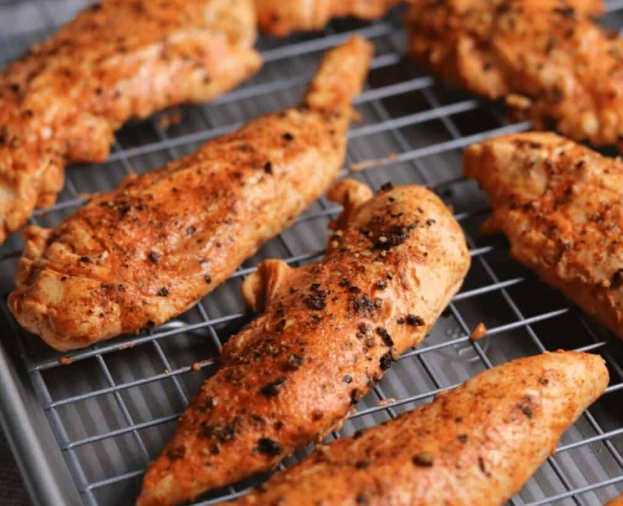
It's also virtually carb-free, which is why it's a staple in keto and low-carb diets. The fat content is minimal and mostly unsaturated.
How Cooking Methods Drastically Change the Calorie Count
This is where most generic articles stop. They give you the raw data and vanish. But raw chicken isn't what you eat. The cooking method is the single biggest variable in your final calorie tally. I learned this the hard way early on, thinking my grilled and my pan-fried chicken were equivalent. They weren't.
Calorie Impact of Popular Cooking Methods
Let's track a 4-ounce raw tenderloin through different kitchens.
Grilling or Baking (Dry Heat)
This is the gold standard for calorie control. You season it, maybe use a light spritz of oil (around 5-10 calories worth), and cook it. The chicken loses water weight, so your 4 oz raw piece becomes about 3 oz cooked. The calories from the meat itself concentrate slightly, but you've added almost nothing. Final tally: ~135-145 calories.
Air Frying
A game-changer. Similar to baking, but the rapid air circulation creates a crispy exterior with minimal oil. Using a one-second spray of avocado oil (about 1/4 teaspoon, 10 calories) can yield a result that feels fried. Final tally: ~140-150 calories. Compare that to deep-frying a breaded tender, which can easily hit 350+ calories.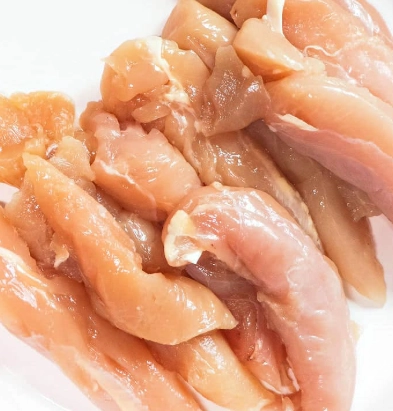
Pan-Frying or Sautéing
Here's the danger zone, and the mistake I see constantly. Recipes casually say "cook in 1 tablespoon of oil." Do you know how many calories are in a tablespoon of olive oil? 120. You've just doubled the calorie count of your chicken. Even if you absorb only half that oil, you're adding a significant chunk. Final tally: 180-250+ calories, heavily dependent on how much oil you actually use and how much sticks.
Poaching or Boiling
The zero-added-fat champion. The calorie count stays closest to the raw data, around 130 calories for the cooked 3-ounce portion. The trade-off? Flavor and texture can be bland unless you poach in a well-seasoned broth.
Low-Calorie Chicken Tenderloin Recipes That Don't Suck
Armed with the cooking method knowledge, let's build actual meals. The goal is flavor without a calorie bomb. These are recipes I make regularly.
1. The "Set-It-and-Forget-It" Garlic Herb Bake
Calories per serving (2 tenderloins): ~160 (including a side of roasted veggies).
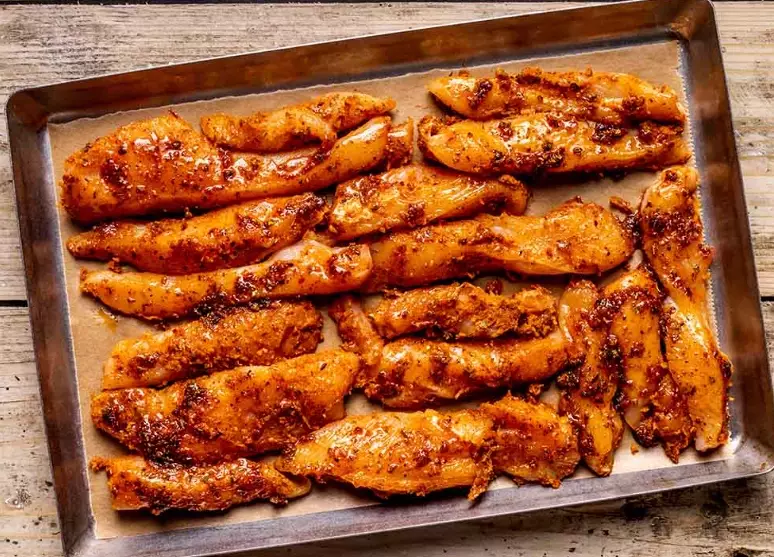
This is my weekly prep hero. Take 1 lb of tenderloins. In a bowl, mix 1 tbsp lemon juice, 2 minced garlic cloves, 1 tsp each of dried oregano and thyme, salt, and pepper. Toss the chicken in it. No oil in the marinade. Lay them on a parchment-lined sheet pan. Bake at 400°F (200°C) for 15-18 minutes. The parchment prevents sticking without oil, and the lemon juice provides enough moisture. Serve with broccoli or asparagus roasted on the same pan.
The non-consensus tip? Don't overcrowd the pan. If the pieces are touching, they steam instead of roast, and you miss out on the flavorful browning (the Maillard reaction) that makes baked chicken satisfying.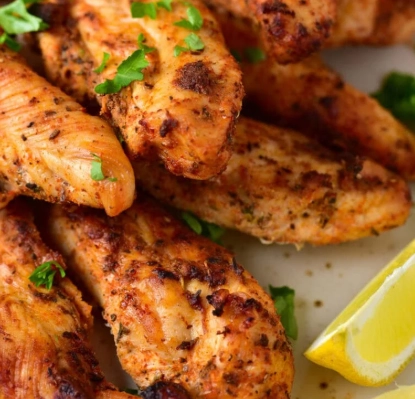
2. 10-Minute Zesty Lime & Cilantro Skillet
Calories per serving: ~150.
This one challenges the "pan-frying is bad" notion. You can pan-cook without drowning in oil. Use a really good non-stick pan. Pat your tenderloins dry (crucial!). Heat the pan over medium-high. Give the chicken a tiny, tiny brush of oil (less than 1/2 tsp total), not the pan. Sear for 3-4 minutes per side. At the end, squeeze the juice of one lime over them, toss in a handful of fresh cilantro, and let it sizzle for 30 seconds. The acid and herbs create a punchy sauce from the pan juices, no extra fat needed.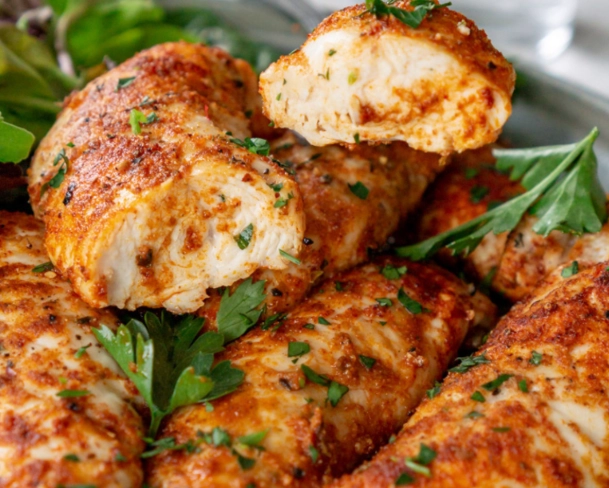
3 Common Calorie Tracking Mistakes Everyone Makes
- Weighing Raw, Logging Cooked (or Vice Versa). As chicken cooks, it loses about 25% of its weight in water. If you log 6 oz of raw chicken (180 cal) but only eat 4.5 oz of cooked chicken, you've over-logged by 45 calories. Pick one method—always raw or always cooked—and stick to it. I recommend weighing raw for accuracy, as cooked weight can vary with doneness.
- Ignoring the "Carrier Calories." The chicken tenderloin calories are trivial next to the oil, sauce, breading, or cheese you add. Two tablespoons of honey mustard dressing can add 200 calories, obliterating the leanness of the chicken. Focus on flavor from spices, citrus, vinegar, and herbs.
- Assuming "Grilled" at a Restaurant is Lean. Restaurant grilled chicken is often brushed liberally with butter or oil during and after cooking for flavor and shine. Don't be afraid to ask for it "dry-grilled" or with sauce on the side.
Your Questions on Chicken Tenderloin Calories
How do I keep chicken tenderloins juicy without adding calories?
The trick is in the brine, not the oil. Soak the tenderloins in a simple saltwater brine (1 tbsp salt per quart of water) for 20-30 minutes before cooking. This helps the muscle fibers retain moisture during high-heat cooking like grilling or baking, preventing the dryness that leads people to smother them in high-calorie sauces.
Are air fryer chicken tenderloins actually lower in calories?
Compared to deep-frying, absolutely. A 4-ounce serving of air-fried chicken tenderloins with a light spray of oil clocks in around 180-200 calories. The same portion deep-fried in batter can easily exceed 350 calories. The air fryer's magic is achieving a crispy exterior with a fraction of the oil, directly cutting the calorie density.
What's a common mistake when tracking chicken tenderloin calories in a salad?
People weigh the chicken raw, then assume the cooked weight is the same. Chicken loses about 25% of its weight during cooking through water loss. If you log 6 oz of raw chicken (approx. 180 calories), but only eat 4.5 oz of cooked chicken, you're overestimating your calories by about 45. Always track using the cooked weight for accuracy, or consistently use raw weight if that's your standard.
Can I eat chicken tenderloins every day on a weight loss diet?
You can, but variety is better for nutrition and sustainability. While they are a fantastic lean protein source, relying solely on them might lead to dietary boredom and potential nutrient gaps. Rotate with other lean proteins like fish, tofu, or legumes. The real key is preparation—baking, grilling, or air-frying them daily is fine, but falling into a routine of pan-frying in butter will sabotage your calorie goals.
So, yes, chicken tenderloins are a low-calorie powerhouse. But their true value is unlocked when you move beyond the basic number. It's about mastering the cooking method to control added fats, pairing them with vibrant, low-calorie flavors, and avoiding the simple tracking errors that throw everything off. Treat them as your lean protein canvas, not just a line item in your calorie budget.
Related Articles