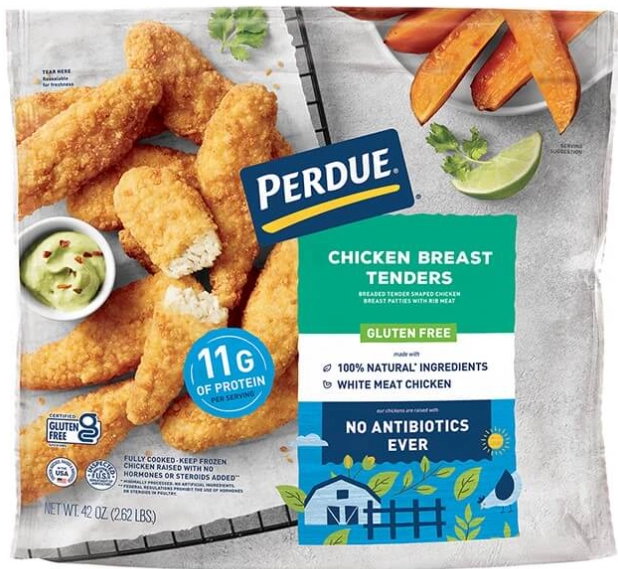
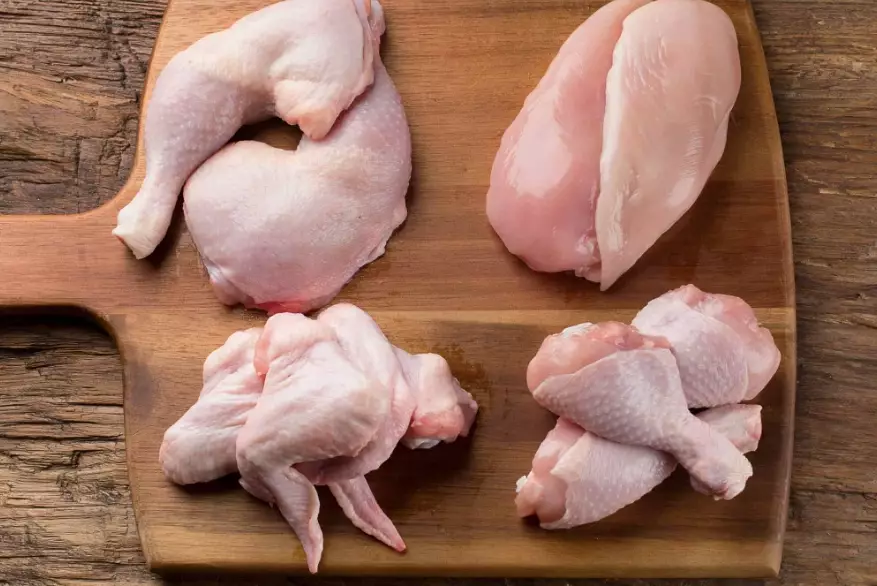
Perdue Chicken Breast: The Ultimate Guide to Buying, Cooking & Reviewing
Guide Overview
So you're standing in the meat aisle, staring at the wall of plastic-wrapped chicken, and your eyes land on the Perdue logo. It's familiar. It seems trustworthy. But what are you actually getting with a package of Perdue chicken breast? Is it really better than the store brand sitting right next to it for a couple bucks less? I've asked myself that more times than I can count.
Let's be real. Buying chicken breast shouldn't feel like solving a mystery. But with terms like "antibiotic-free," "organic," and "harvestland" floating around, it gets confusing fast. I've bought my fair share of Perdue chicken over the years – some triumphs, some disappointments. This guide is me dumping all that experience, plus a ton of research, into one place. We're going beyond the marketing to look at what Perdue chicken breast actually is, how their different lines stack up, the best ways to cook it, and whether the price tag is justified.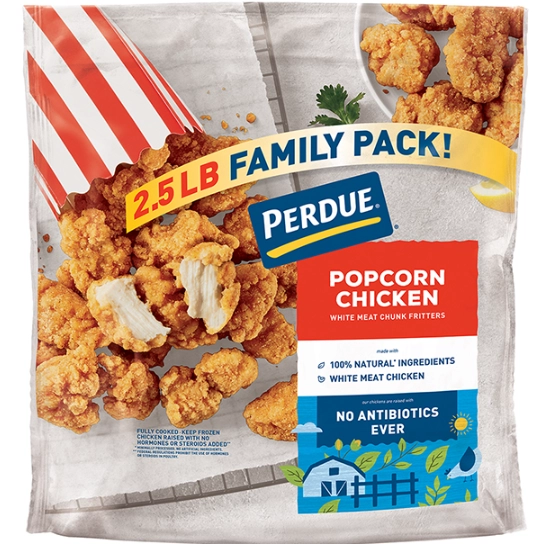
Quick Take: What's Perdue Anyway?
Before we get into the breasts themselves, a bit of context. Perdue Farms is a massive name in American poultry. Frank Perdue started it all, and his face was all over TV ads for years with that memorable voice telling us "It takes a tough man to make a tender chicken." They've built a reputation on quality control. Unlike some mega-producers, they own and operate their own feed mills and processing plants, which they say gives them more oversight. That's a key part of their story. You can read more about their company history and animal care standards on their official corporate website.
Navigating the Perdue Chicken Breast Aisle: Your Product Line Cheat Sheet
This is where most people get lost. Perdue isn't just one product. They have a whole family of chicken breasts, each with its own label and promise. Choosing the right one depends on your budget and what you value most – is it price, a specific farming practice, or convenience?
I made this table to cut through the noise. It compares the main lines you'll find in most supermarkets.
| Product Line | Key Claim / What It Means | My Experience & Who It's For | Approx. Price Point (vs. Classic) |
|---|---|---|---|
| Perdue Chicken Breast (Classic) | The original. No antibiotics ever, USDA Grade A. This is their baseline product. | Solid, reliable. The workhorse. Tastes like... good chicken. Less variability in size than some store brands. Perfect for weekly meal prep. | Base Price |
| Perdue Harvestland Chicken Breast | Antibiotic-free, raised on a vegetarian diet, with no animal by-products. Often "American Humane Certified." | This is a noticeable step up for me. The meat often has a firmer texture and richer flavor. I notice less "woody breast" texture here. For when you want a better-quality chicken without going full organic. | +15-25% |
| Perdue Organic Chicken Breast | USDA Organic certified. Fed 100% organic feed, no antibiotics ever, must meet outdoor access requirements. | The gold standard in their lineup. Consistently good flavor and texture. The price is steep, so I save it for special recipes where the chicken is the star. The peace of mind for some is worth it. | +50-80% |
| Perdue Simply Smart Chicken Breast | Pre-portioned, pre-trimmed. Often comes in ready-to-cook sizes like cutlets or strips. | Huge time-saver. You pay for the convenience. Less waste, but you also get less control over thickness. Great for busy weeknights when every minute counts. | +20-40% (for the labor) |
| Perdue Fresh Cuts Chicken Breast | Pre-marinated or seasoned breasts in various flavors. Vacuum-sealed in their juices. | Hit or miss. The lemon garlic is a winner in my house. Some flavors can be overly salty. Takes the guesswork out of seasoning, but you're locked into their flavor profile. | +30-50% |
See what I mean? It's a whole ecosystem. My personal go-to is the Harvestland line. I find it hits the sweet spot between quality and cost for everyday eating. The classic Perdue chicken breast is fine, but if I'm making a simple grilled chicken where the flavor really needs to shine, I'll spring for Harvestland or Organic.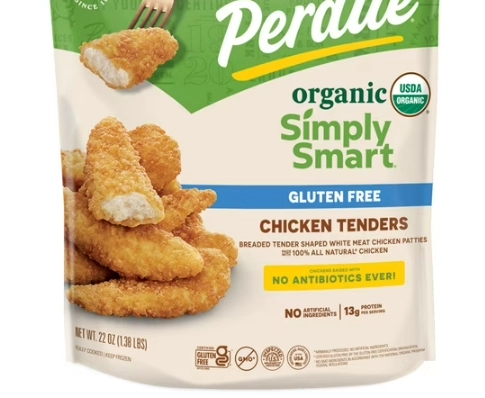
The Antibiotic-Free Promise: Why It Matters (Or Doesn't)
Every package of Perdue chicken breast you buy today says "No Antibiotics Ever." This is a big deal in the poultry industry. For decades, antibiotics were routinely used in animal feed to promote growth and prevent disease in crowded conditions. The concern from public health experts, like those at the CDC, is that this practice can contribute to antibiotic-resistant bacteria.
Perdue was actually one of the first big brands to move away from this practice completely. So when you see that label on their chicken breast, it's a core part of their process now, not just a niche product line. Does it make the chicken safer? The USDA mandates that any meat sold must be free of antibiotic residues, so from a direct safety standpoint, the risk was always low. The argument is more about broader public health and farming practices. For some buyers, it's a non-negotiable. For others, it's not a primary factor. It's good to know what you're paying for.
A Word on "Woody Breast"
Let's talk about a modern chicken problem. Ever cooked a chicken breast that was oddly tough, chewy, and had a strange, hard texture? That's often called "woody breast." It's a quality issue linked to how fast some birds are bred to grow. In my experience, Perdue chicken breast, especially in their classic line, is not immune to this. I've opened a package and found one breast with that tell-tale hard, striped texture. It's a letdown. However, I encounter it noticeably less with their Harvestland and Organic lines. It seems their slower-growing or differently raised birds have a lower incidence. If texture is a huge deal for you, this is a reason to consider upgrading.
Cooking Perdue Chicken Breast: How to Not Screw It Up
Alright, you've bought your Perdue chicken breast. Now the real test. The biggest complaint people have about chicken breast is that it turns out dry, bland, and sad. It doesn't have to be that way. Here’s my battle-tested approach.
Step 1: The Foundation (Prep & Brining)
Don't skip this. If your chicken breast is enhanced (meaning it has a solution added for moisture – check the label for words like "contains up to X% of a solution"), be extra careful with salt later. Many Perdue fresh cuts are enhanced. For their plain breasts, I almost always do a quick brine. It's not fancy: dissolve 1/4 cup of salt and a tablespoon of sugar in 4 cups of cold water. Submerge the breasts for 30 minutes to an hour in the fridge. This seasons the meat all the way through and guarantees juiciness. Rinse and pat dry thoroughly afterwards. If you're short on time, at least pat the breasts completely dry with paper towels. Wet chicken won't brown.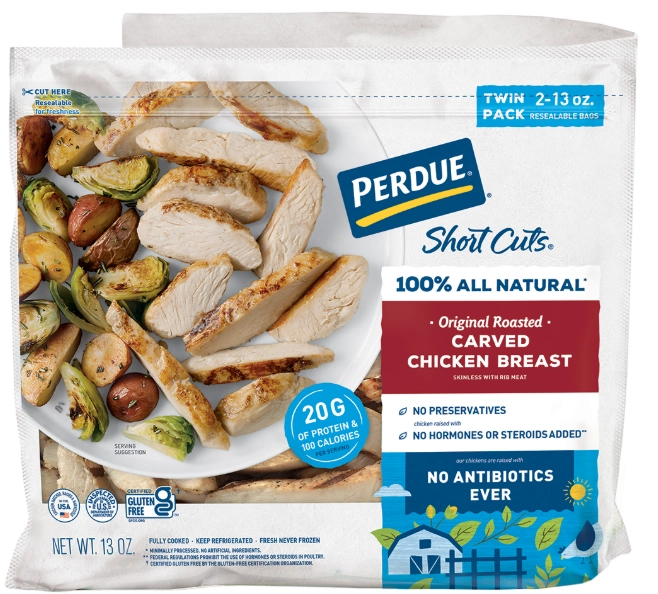
Step 2: Choosing Your Weapon (Cooking Method)
Here’s a quick list of methods ranked by my preference for foolproof Perdue chicken breast:
- Pan-Searing & Finishing in the Oven: My #1 method. Get a skillet screaming hot with a little oil. Sear the breasts 2-3 minutes per side until golden brown. Then, transfer the whole skillet to a 400°F (200°C) oven for 8-12 minutes to finish cooking through. This gives you that gorgeous crust and even doneness.
- Poaching: Underrated! Gently simmer breasts in broth or seasoned water just below a boil for 10-15 minutes. The result is incredibly tender, moist meat perfect for shredding into salads, soups, or chicken salad. It's hard to mess up.
- Grilling: Great for flavor. The key is medium-high, clean grates, and not moving the chicken until it releases easily. Use a meat thermometer. Grilling a Perdue Harvestland chicken breast with just some olive oil, salt, and pepper is a summer staple at my house.
- Slow Cooking/Instant Pot: Excellent for large batches or if you want fall-apart tender meat for shredding. Just don't overcook it, even here! Chicken breast can still dry out in a slow cooker if left too long.
The ONLY Tool You Need
Stop guessing. Buy an instant-read digital meat thermometer. They're cheap. The USDA safe internal temperature for chicken is 165°F (74°C). Pull your Perdue chicken breast off the heat at 160°F (71°C). The residual heat will carry it to 165°F as it rests. This prevents overcooking. Trust me, this one tool will change your chicken game forever. Sites like FoodSafety.gov are great official resources for safe cooking temps.
Step 3: The Rest (Non-Negotiable)
When your chicken breast hits that perfect temperature, take it off the heat and let it rest on a cutting board or plate for 5-10 minutes, tented loosely with foil. This allows the juices, which have been driven to the center, to redistribute throughout the meat. If you cut into it immediately, all those juices flood onto your plate, leaving the meat dry. Wait. It's worth it.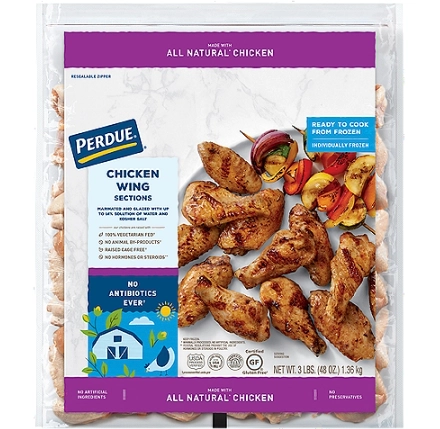
Where to Buy Perdue Chicken Breast & How to Get the Best Deal
You can find Perdue products in virtually every major supermarket in the US – Walmart, Kroger, Safeway, Albertsons, Publix, you name it. But the price can vary wildly.
My strategy? I've noticed that stores like Walmart and Costco often have the best everyday prices on the classic and Harvestland lines. The organic Perdue chicken breast is almost always a premium item wherever you go. Don't sleep on local grocery chains; they sometimes have great sales to draw you in. I once scored a fantastic deal on Perdue Simply Smart cutlets at my regional store.
Check the "sell-by" date, but also give the package a gentle feel. Avoid any packages with excessive liquid (purge) in the bottom, or where the chicken feels mushy. Look for breasts that are relatively uniform in size so they cook evenly. And remember, bigger isn't always better. Those massive breasts are more prone to cooking unevenly and having texture issues.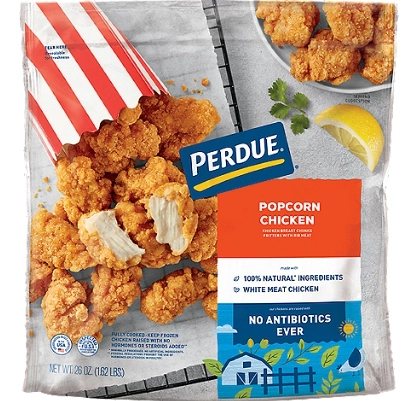
The Final Verdict: Perdue Chicken Breast Reviews from a Real Kitchen
Let's get down to brass tacks. Is Perdue chicken breast better than the store brand? Usually, yes. Is it worth the premium? It depends.
Compared to the absolute cheapest store brand, Perdue classic offers more consistent sizing, better trimming (less fat and tendon left on), and I find their "no antibiotics ever" commitment meaningful. You're paying for that consistency and their supply chain control. For a basic ingredient where the chicken isn't the star of the show (like in a casserole or soup), a store brand might do just fine.
Where Perdue shines, in my opinion, is in their Harvestland and Organic lines. The jump in flavor and texture is noticeable. When I'm making a center-of-the-plate grilled chicken, or a simple herb-roasted breast, the quality difference justifies the extra cost for me. The Perdue chicken breast from these lines simply tastes more like chicken should.
The convenience lines (Simply Smart, Fresh Cuts) are a luxury tax. You're paying for the prep work. If your time is tight and that gets a healthy dinner on the table, that's a valid choice. The pre-marinated ones are a nice shortcut, but watch the sodium if that's a concern for you.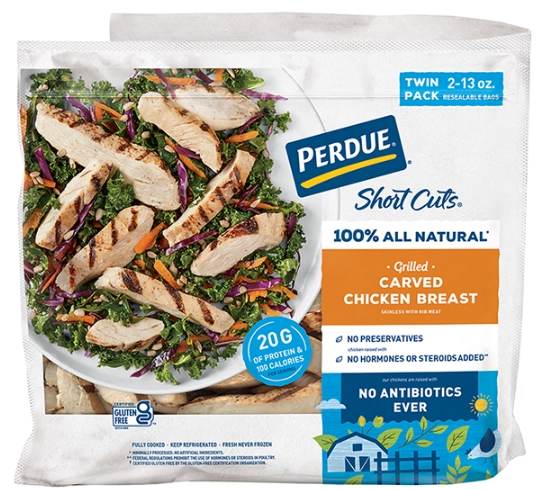
Your Perdue Chicken Breast Questions, Answered
At the end of the day, Perdue chicken breast is a solid, widely available choice. It's not a magical, life-changing product, but it's a dependable one. You're paying for brand consistency and specific farming practices. Start with the classic, see what you think, and maybe venture into Harvestland for your next cookout. Just remember that thermometer. Happy cooking.
Related Articles