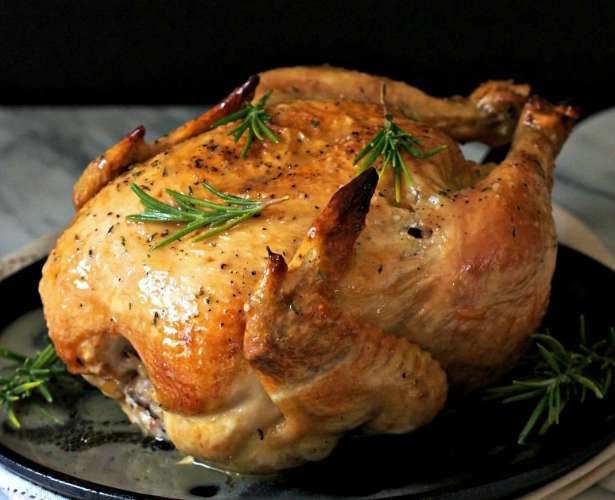
Make Whole Chicken in Oven: Foolproof Recipe for Juicy Results
Roasting a whole chicken in the oven is one of those kitchen skills that seems intimidating but is actually dead simple. Get it right, and you have a juicy, flavorful centerpiece for dinner with leftovers for days. Mess it up, and well, let's just say I've had my share of dry, sad chickens that nobody wanted to touch. After years of trial and error—and talking to chefs who know their stuff—I've nailed down a method that works every time. This guide will walk you through everything, from picking the bird to carving it like a pro.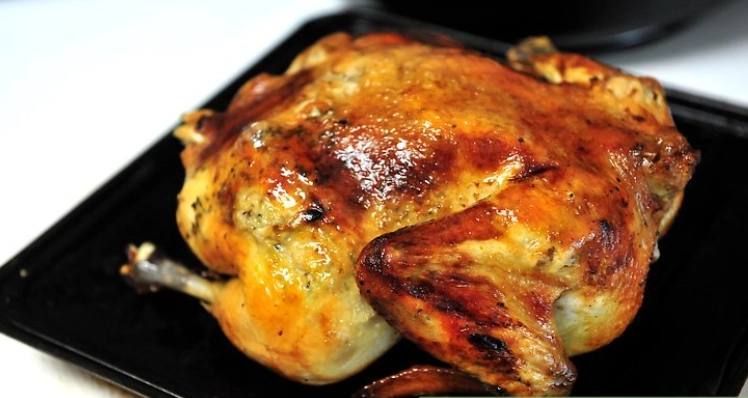
What You'll Find in This Guide
Why Bother Roasting a Whole Chicken?
It's cheaper than buying parts, for starters. A whole chicken often costs less per pound than breasts or thighs. Plus, you get multiple meals out of one bird—roast it tonight, use the leftovers for sandwiches or soup tomorrow. Economical? Sure. But the real win is flavor. When you roast a chicken whole, the bones and skin work together to keep the meat moist and infuse it with richness. Compare that to boneless cuts that can dry out fast in the oven.
I used to think it was too much work. Then I tried it on a lazy Sunday, and the smell alone sold me. Now it's a weekly ritual.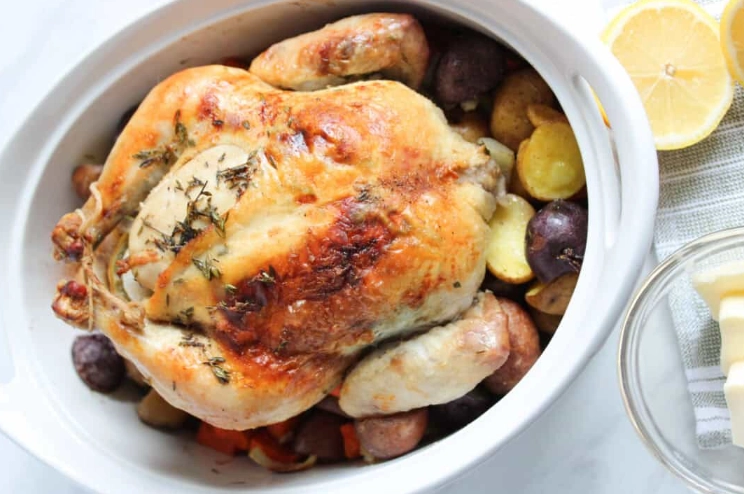
Gear and Ingredients You Can't Skip
You don't need fancy equipment. A roasting pan or even a heavy-duty baking sheet works. But a wire rack? That's a game-changer—it lets air circulate so the bottom doesn't get soggy. If you don't have one, prop the chicken on chopped veggies like onions and carrots. They'll flavor the drippings for gravy.
Ingredients are straightforward:
- Whole chicken: Aim for 4 to 5 pounds. Larger birds take longer and might cook unevenly.
- Salt and pepper: Kosher salt is my go-to because it sticks better.
- Oil or butter: Olive oil for crisp skin, butter for extra richness.
- Herbs and aromatics: Thyme, rosemary, garlic, lemon—whatever you have. Stuff them inside the cavity.
One thing most people overlook: let the chicken sit at room temperature for 30 minutes before roasting. Cold meat straight from the fridge cooks unevenly. I learned this the hard way when the breast was done but the thighs were still pink.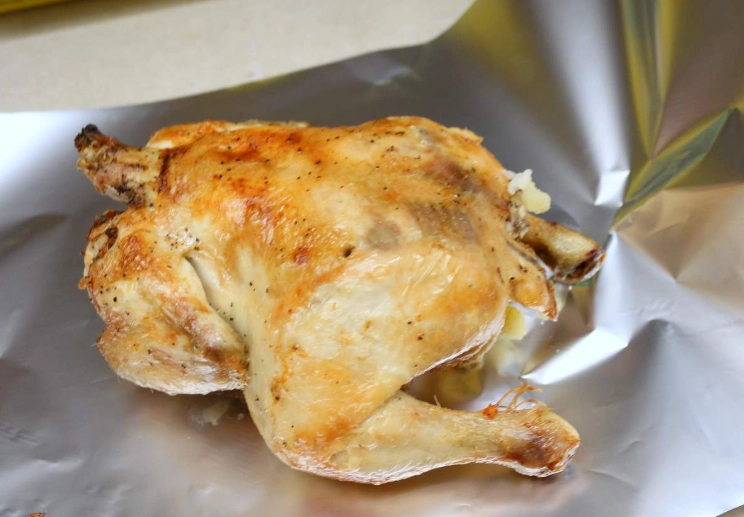
The Step-by-Step Roasting Process
Follow these steps, and you'll get a golden-brown bird with juicy meat. No guesswork.
1. Prep the Chicken
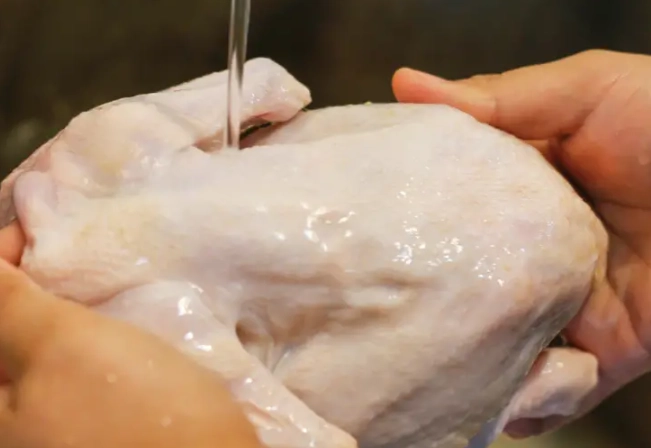
Remove any giblets from the cavity—check both ends, sometimes they're tucked in the neck. Pat the chicken dry with paper towels. This is crucial. Wet skin won't crisp up. Season generously inside and out with salt and pepper. Don't be shy; it needs more than you think.
2. Add Flavor Boosters
Stuff the cavity with aromatics. I like a halved lemon, a few garlic cloves, and a bunch of herbs. Tie the legs together with kitchen twine—it helps the chicken cook evenly. Rub the outside with oil or softened butter. Some recipes say to loosen the skin and rub butter underneath. It's good, but not necessary if you're short on time.
3. Roast at the Right Temperature
Preheat your oven to 425°F (220°C). Place the chicken breast-side up on a rack in a roasting pan. Roast for 15 minutes, then reduce the heat to 375°F (190°C). This initial high heat sears the skin, locking in juices. Total cooking time is about 20 minutes per pound, but always use a meat thermometer.
Insert it into the thickest part of the thigh, avoiding bone. It should read 165°F (74°C). The USDA recommends this for safety, but some chefs pull it at 160°F since carryover cooking will bring it up. I go with 165°F to be safe, especially if serving kids or older adults.
4. Rest and Carve
Once done, let the chicken rest on a cutting board for 15 minutes. This lets the juices redistribute. If you cut into it right away, all those juices run out, and you end up with dry meat. While it rests, make a quick gravy from the pan drippings.
Carving is easier than it looks. Remove the legs first, then the wings, then slice the breast meat. There are plenty of tutorials online, but honestly, just go for it—it's more forgiving than you think.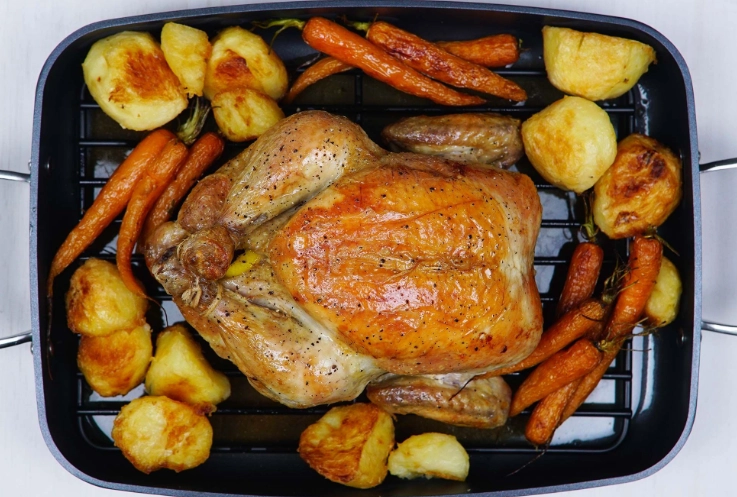
Pro Tips Most Recipes Won't Tell You
Here's where experience pays off. Most online guides repeat the same basics, but after chatting with a chef friend who's been roasting chickens for decades, I picked up some gems.
Another non-consensus point: don't baste too often. Opening the oven door lets heat escape, which can extend cooking time and dry out the bird. Baste once halfway through if you must, but I skip it altogether. The skin still gets crispy.
For extra flavor, slide herb sprigs or garlic slices under the skin before roasting. It infuses the meat without much effort.
Common Pitfalls and How to Dodge Them
We've all been there. Here's what goes wrong and how to fix it.
| Mistake | Why It Happens | Simple Fix |
|---|---|---|
| Dry breast meat | Overcooking or not resting | Use a thermometer and rest for 15 min |
| Soggy skin | Not patting dry or overcrowding pan | Dry thoroughly and use a rack |
| Undercooked thighs | Oven too hot or bird too cold | Start high, then reduce heat; bring to room temp first |
| Bland flavor | Underseasoning | Salt inside and out, add aromatics |
I once roasted a chicken without a thermometer, guessing the time. The breast was like cardboard. Now I never skip the thermometer—it's the best $10 I've spent on kitchen tools.
If you're worried about uneven cooking, spatchcock the chicken. That means removing the backbone and flattening it. It cooks faster and more evenly, but it's a bit more work. Great for when you're in a hurry.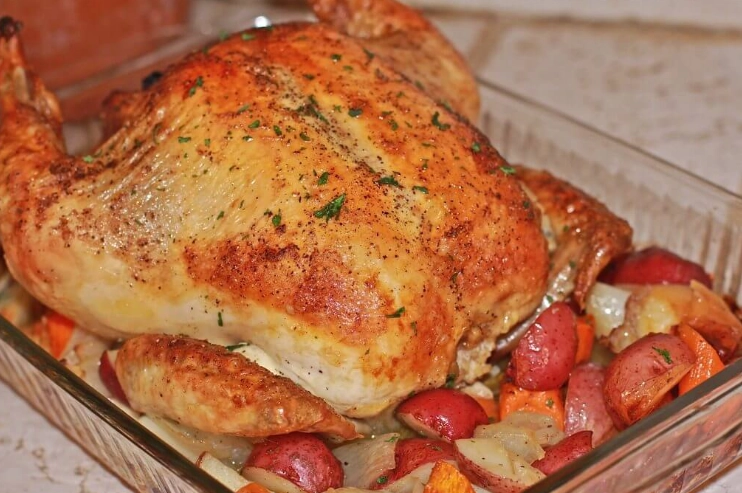
Your Burning Questions Answered
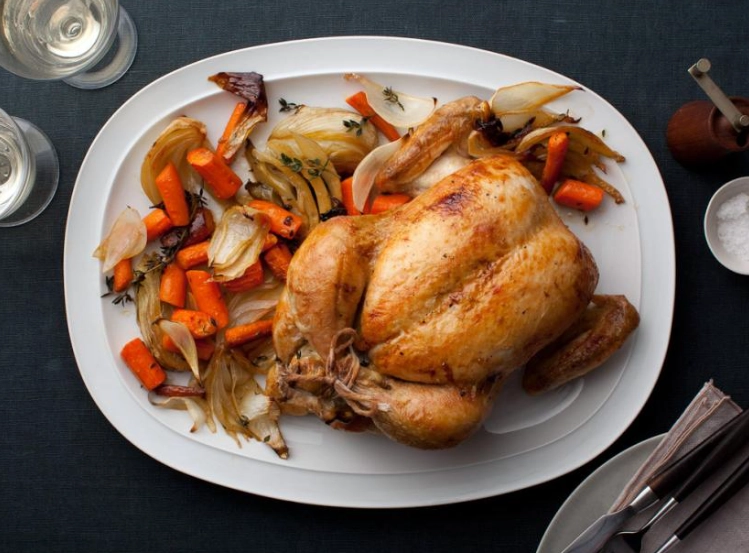 Roasting a whole chicken doesn't have to be complicated. With these steps and tips, you'll turn out a juicy, flavorful bird that impresses every time. Give it a shot this weekend—you might just make it a habit.
Related Articles