The Ultimate Guide to Baking a Perfect Whole Chicken in the Oven
Let's be honest. The idea of baking a whole chicken in the oven sounds simple, but the results are often disappointing. You follow a recipe, wait an hour, and pull out a bird with rubbery skin, dry breast meat, and under-seasoned, bland legs. It's enough to make you swear off roast chicken forever and just buy a pre-cooked one. I've been there. My first few attempts were culinary tragedies.
But after years of trial, error, and talking to butchers and chefs, I've landed on a method that works every single time. It's not about fancy ingredients; it's about understanding a few non-negotiable principles. This guide will walk you through them, turning you from a hopeful amateur into someone who can confidently produce a stunning, juicy, and flavorful centerpiece for any dinner.
Your Quick-Read Cheat Sheet
Picking the Right Bird: It's Not Just About Size
Most recipes just say "a 4-5 lb chicken." That's a start, but the type of chicken matters more than you think.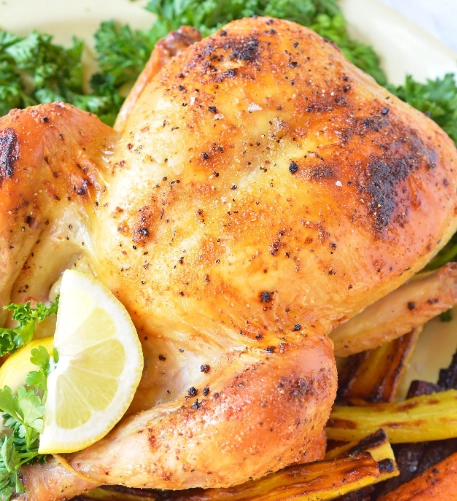
Avoid water-chilled chickens if you can. These are the standard supermarket birds, often injected with a saline solution to increase weight. That extra water steams the chicken from the inside, making it harder to get truly crispy skin and can dilute flavor. Look for labels like "air-chilled" or "no water added." They're often more expensive, but the difference in texture and concentration of flavor is immediately noticeable. The skin browns better, and the meat tastes more, well, like chicken.
Size-wise, a 4 to 5-pound bird is ideal for a standard home oven and feeds 4-6 people comfortably. Anything larger risks uneven cooking—the legs are done while the breast is still pink near the bone. If you're feeding a crowd, it's better to roast two smaller chickens than one giant one.
Pro Tip: Take the chicken out of the fridge and let it sit on the counter for about 45-60 minutes before cooking. A cold chicken straight from the fridge goes into a hot oven and the extreme temperature shock can cause the meat to seize up and cook unevenly. Letting it come closer to room temperature is a game-changer for even doneness.
The Seasoning Strategy: More Than Salt and Pepper
This is where most people go wrong. Sprinkling salt on the outside just before baking is like trying to season a steak after it's cooked. The flavor doesn't penetrate.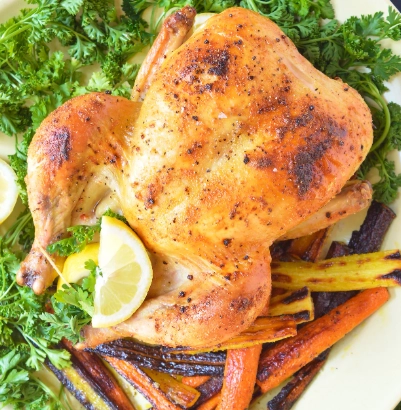
Dry Brining (The Secret Weapon)
The single best thing you can do for flavor and juiciness is to dry brine. This just means generously salting the chicken—inside the cavity and all over the skin—at least 4 hours before cooking, and ideally up to 24 hours. Uncovered, on a rack in the fridge.
Why? The salt draws moisture from the skin (helping it get crispy later) and then, through osmosis, that salty moisture is re-absorbed deep into the meat, seasoning it from the inside out and helping the proteins retain their juices during cooking. The skin also dries out in the fridge, which is the perfect pre-condition for ultimate crispiness.
Under the Skin is Where the Magic Happens
Don't just rub herbs on the outside. Gently loosen the skin over the breast and thighs with your fingers, creating pockets. Mix softened butter with minced garlic, fresh herbs like thyme and rosemary, lemon zest, and a touch of black pepper. Schmear this mixture directly onto the meat under the skin. As the chicken bakes, this butter bastes the meat from the inside, infusing it with incredible flavor and fat. It's a restaurant trick that's embarrassingly easy to do at home.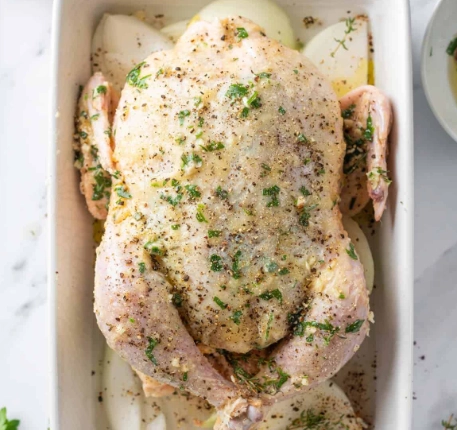
The Foolproof Cooking Method: Low, Slow, Then High
Here's the non-consensus part. Most recipes blast the chicken at 425°F or 450°F the whole time. This often leads to a beautifully browned but potentially burnt skin before the dark meat is fully cooked. My preferred method is a hybrid.
- Start Low: Roast the chicken at 325°F (165°C). This gentle heat allows the dark meat (thighs and legs) to cook through slowly and evenly without overcooking the more delicate white breast meat. It also gives the fat under the skin time to render properly.
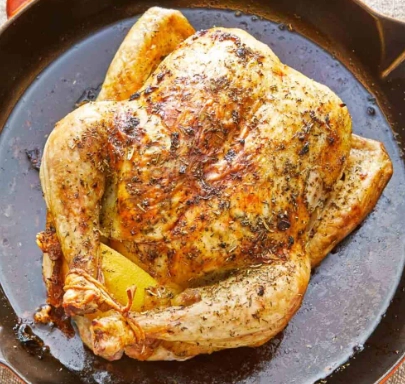
- Finish High: For the last 20-30 minutes, crank the heat to 425°F (220°C). This final blast is what gives you that deep golden-brown, shatteringly crisp skin we all crave. The bird is mostly cooked through, so this high heat is safe and focuses solely on perfecting the exterior.
How do you know it's done? Forget cutting into it and losing all the juices. Use a good instant-read thermometer. Insert it into the thickest part of the thigh, not touching the bone. You're looking for 165°F (74°C). The breast should read about 155-160°F (68-71°C) — it will carry over to 165°F as it rests. Trust the thermometer, not the clock.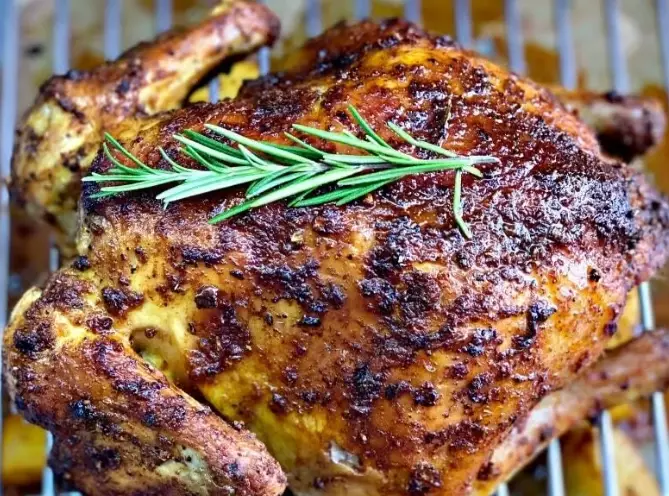
Baked Whole Chicken Time & Temperature Chart
This chart is your baseline. Remember, an instant-read thermometer is the only true judge of doneness.
| Chicken Weight | Approx. Total Time at 325°F | Internal Temp (Thigh) | Notes |
|---|---|---|---|
| 3.5 - 4 lbs | 1 hr 15 min - 1 hr 30 min | 165°F / 74°C | Perfect for a small family. Cooks quickly. |
| 4 - 5 lbs | 1 hr 30 min - 1 hr 45 min | 165°F / 74°C | The sweet spot. Most reliable results. |
| 5 - 6 lbs | 1 hr 45 min - 2 hrs+ | 165°F / 74°C | Monitor closely. Consider spatchcocking. |
Watch Out: Stuffed chickens take significantly longer to cook and increase the risk of uneven cooking. I strongly recommend placing aromatics (lemon halves, onion, garlic, herbs) in the cavity for flavor, but not a dense bread stuffing. If you must stuff it, add at least 30 minutes to the cooking time and ensure the stuffing itself reaches 165°F.
The Critical Final Steps: Resting and Carving
You've waited patiently. The chicken is perfect. Do not carve it immediately.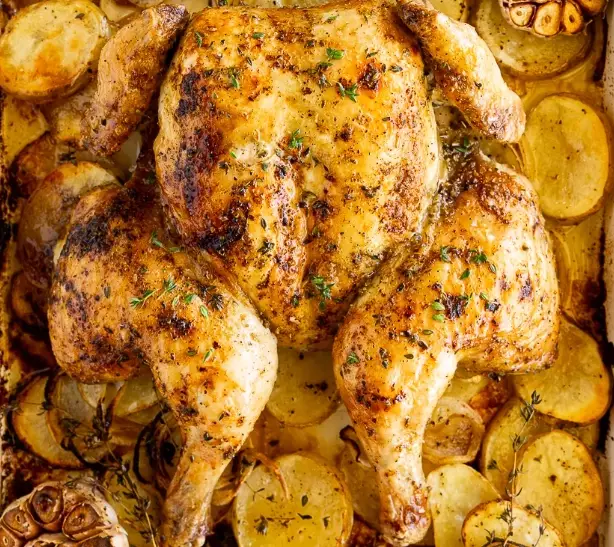
Transfer it to a cutting board and let it rest, loosely tented with foil, for a full 15-20 minutes. This allows the frenzied juices, which have rushed to the center of the meat during cooking, to redistribute evenly throughout the bird. If you cut right in, those precious juices will simply flood your cutting board, leaving you with dry meat. Resting is non-negotiable for a juicy result.
For carving, you don't need chef-level skills. Remove the twine. Start by cutting through the skin between the leg and the body, pop the leg joint out of its socket, and cut through to remove the entire leg-thigh piece. Separate the thigh from the drumstick if you like. For the breast, make a long cut along the breastbone and then gently slice downwards, following the contour of the ribcage to remove the whole breast. Slice it crosswise. Save the carcass for stock!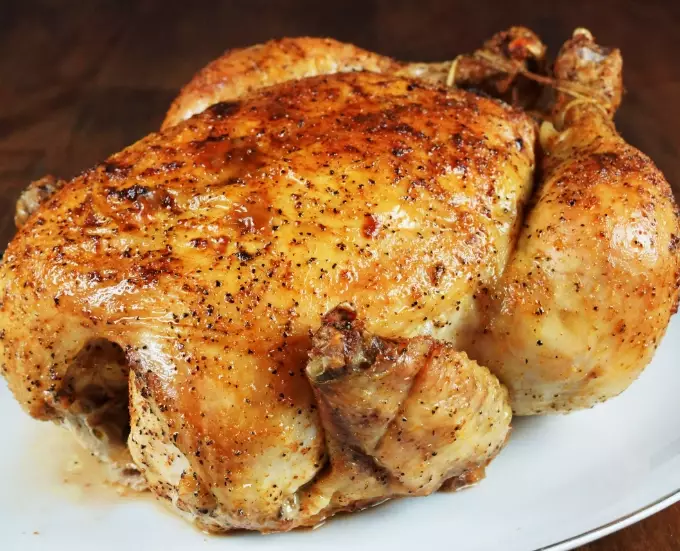
Your Roast Chicken Questions, Answered
Related Articles