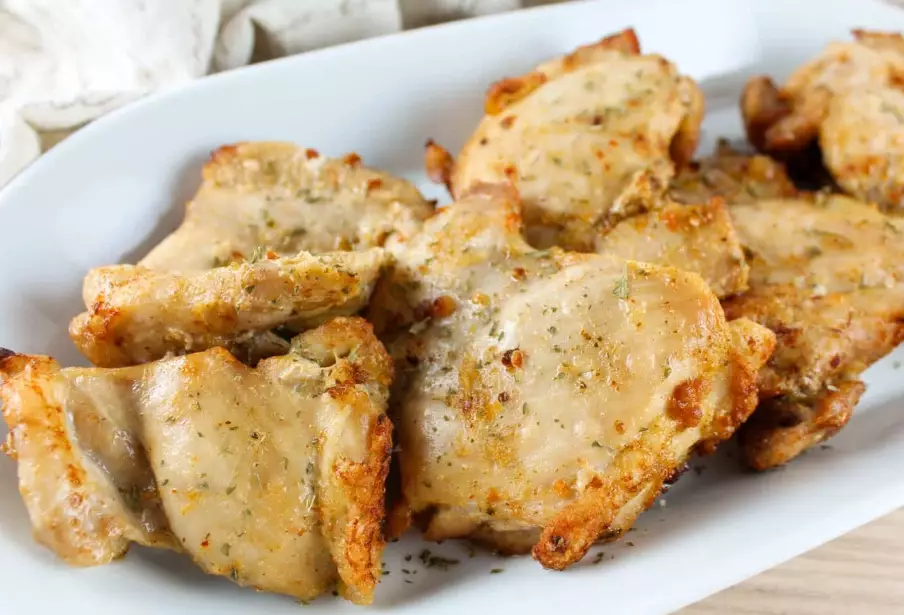
Perdue Chicken Cutlets: An Honest Review & Cooking Guide
In This Review
Let's talk about Perdue chicken cutlets. You've probably seen them in the freezer aisle, those neatly packaged, pre-portioned pieces of chicken promising an easy dinner. Maybe you're tired after work, staring into the fridge, and the idea of something quick and protein-packed sounds like a lifesaver. I get it. I've been there more times than I can count.
But are they any good? I mean, really good? Or are you just trading flavor and quality for convenience? That's what we're going to figure out today. This isn't some corporate-sponsored fluff piece. I bought several packages of Perdue chicken cutlets with my own money, cooked them every which way, and I'm going to give you the straight talk—the good, the bad, and the surprisingly juicy.
What Exactly Are Perdue Chicken Cutlets?
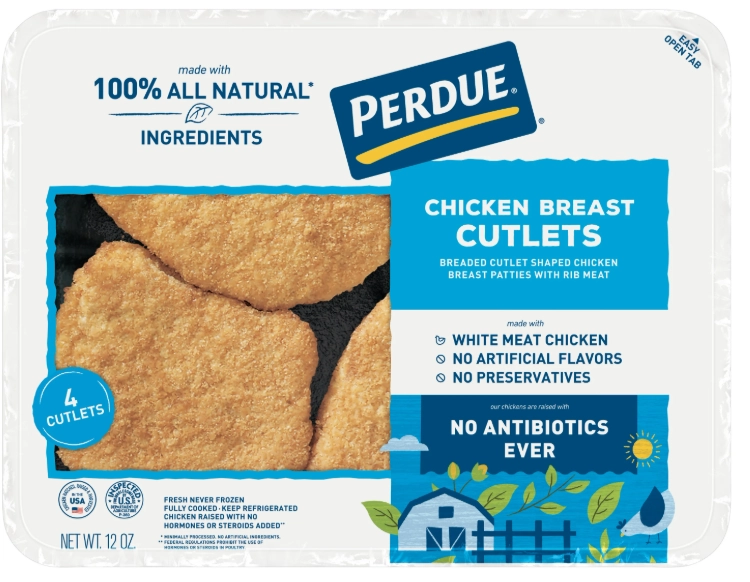
Before we get into the taste test, let's clear up what we're dealing with. A "cutlet" can mean different things. In Perdue's case, we're mostly talking about boneless, skinless chicken breast that's been sliced or pounded to an even thickness. This is key. The uniform thickness is the whole point of the convenience—it cooks evenly and quickly, no more dealing with a fat, raw middle and dried-out edges on a regular breast.
Perdue offers a few different lines. You've got the classic Perdue Fresh Cuts Chicken Breast Cutlets in the refrigerated section. Then there are the frozen options, like the Perdue Harvester Split Chicken Breast Cutlets (which are bone-in, so a bit different) and their various pre-seasoned or glazed varieties in the freezer aisle. For this deep dive, I focused on the core product: the plain, boneless, skinless chicken breast cutlets, both fresh and frozen. The principles apply across the board, though.
Their big sell is simplicity. No prep, no fuss. Just cook and eat. But does that hold up?
Taste & Texture: The Honest Breakdown
Okay, the moment of truth. How do they taste?
I cooked them using three basic methods: pan-searing, baking, and in the air fryer (because who isn't using one these days?). Here's the honest scoop.
The texture, when cooked properly, is actually quite good. They stay remarkably moist for a lean cut like breast meat. I was skeptical, expecting that dry, stringy texture that plagues so much pre-packaged chicken. But Perdue seems to have their process down. The meat is tender and bites cleanly.
Now, the flavor. On its own, it's... chicken. It's mild, clean-tasting chicken. It doesn't have that sometimes gamey or overly "farmy" taste you can get with some brands. It's a neutral canvas. And that's both its strength and its weakness.
Strength: Because the flavor is neutral, it's incredibly versatile. You can take these Perdue chicken cutlets in any direction—Italian with marinara and mozzarella, Asian with a stir-fry sauce, or just classic lemon and herbs.
Weakness: If you're expecting a deeply flavorful, "chicken-y" experience straight out of the package, you might be a tad disappointed. It needs your help. It needs seasoning, a sauce, a marinade. It's a team player, not a superstar on its own.
I tried one of their pre-seasoned frozen varieties—the lemon garlic one. It was fine. Convenient, sure. But honestly? I preferred the plain ones where I could control the salt and flavor profile myself. The pre-seasoned ones leaned a bit too much into "processed" territory for my personal taste.
Common Complaints (And Are They True?)
Scrolling through online reviews, you'll see a couple of recurring themes. Let's address them head-on.
"They're too salty." This mainly applies to the pre-marinated or pre-seasoned Perdue chicken cutlets. I checked the nutrition labels, and yeah, the sodium can jump up there. If you're watching your salt intake, stick to the plain, unseasoned cutlets. You're in control that way.
"They're watery or leak a lot of liquid." This is a big one, especially for the fresh packs. I noticed it too. When you open the package, there's often a pool of liquid at the bottom. This is a combination of natural juices and, often, added water or a saline solution used to help retain moisture. The USDA allows this, and many brands do it. The key is to pat the cutlets very dry with paper towels before cooking. If you don't, you're basically steaming them instead of searing them, and you won't get that nice golden crust.
Once you pat them dry, the cooking results improve dramatically. It's an extra step that slightly undermines the "no prep" claim, but it's a non-negotiable one for good results.
Nutrition & Health Considerations
Let's look under the hood. What are you actually eating?
For a 4-ounce serving of plain, boneless, skinless Perdue chicken breast cutlets, you're looking at a classic lean protein profile: roughly 110-130 calories, 1-2 grams of fat, and around 25 grams of protein. It's low-carb, high-protein. That's the good stuff.
But here's the catch—that's for the plain ones. The moment you venture into "Italian Style," "Garlic Herb," or "Honey BBQ" territory, the numbers change. Sodium can easily double or triple. Sugar and added carbs appear. You have to read the label.
Perdue, like many major poultry producers, has made commitments about antibiotic use. They market their chickens as "raised without antibiotics important to human medicine." It's worth noting this is different from "antibiotic-free" or "organic." If this is a major concern for you, you'll want to research their specific animal welfare and farming standards on their website or look for USDA Organic certified products, which have stricter rules.
For credible information on poultry labeling, the U.S. Department of Agriculture (USDA) website is the definitive source for understanding terms like "free range," "natural," and what antibiotic claims really mean.
So, are they healthy? The plain cutlets are an excellent source of lean protein. But as with anything, the healthiness is determined by how you cook them and what you put on them. Drowning them in creamy sauce or frying them in loads of oil changes the equation.
Where to Buy Perdue Chicken Cutlets & Price Guide
You can find these just about anywhere. I've seen them consistently at Walmart, Target, Kroger, Safeway, and Stop & Shop. The frozen ones have even wider distribution. Your local grocery store almost certainly carries some form of Perdue product.
Price is where things get interesting. It fluctuates a lot. I did a little comparison shopping over a couple of weeks.
| Store Format | Product (Approx. 1.25-1.5 lbs) | Typical Price Range | Price per Pound |
|---|---|---|---|
| Major National Grocer (e.g., Kroger) | Perdue Fresh Cuts Chicken Breast Cutlets | $8.99 - $11.99 | $6.50 - $8.50 |
| Warehouse Club (e.g., Costco) | Perdue Fresh Chicken Breast Cutlets (Larger Pack) | $15.00 - $20.00 (for ~3 lbs) | $5.00 - $6.50 |
| Discount Store (e.g., Walmart) | Perdue Harvestland or Regular Cutlets | $7.49 - $9.99 | $5.50 - $7.50 |
See the spread? The convenience of the cut comes at a premium compared to buying a whole chicken breast and slicing it yourself. You're paying for that labor. At a warehouse club, the premium shrinks. At a regular grocery store, it's more noticeable.
My advice? Don't pay full price. Perdue products go on sale frequently. I've seen "Buy One, Get One 50% Off" or straight dollar-off discounts all the time. If you have a freezer, buying the larger frozen pack or stocking up on fresh when it's on sale is the most economical way to go.
How to Cook Perdue Chicken Cutlets: The Best Methods
This is where we turn that convenient package into a great meal. The beauty of the uniform thickness is that almost any method works, and cook times are fast and predictable.
Pan-Searing (The Gold Standard for Flavor)
- Pat Dry. I know I'm repeating myself, but it's the #1 rule. Get those cutlets as dry as possible.
- Season. Salt, pepper, maybe a little garlic powder or paprika. Don't be shy.
- Heat the Pan. A stainless steel or cast-iron skillet over medium-high heat with a tablespoon of oil (avocado, canola, or olive oil work). Get it nice and hot.
- Sear. Lay the cutlets in, don't crowd them. They should sizzle immediately. Cook for 3-4 minutes per side. You're looking for a deep golden-brown crust.
- Rest. Let them sit on a plate for 5 minutes before cutting. This keeps the juices in.
This method gives you the best texture and that lovely fond (browned bits) in the pan to make a quick sauce. Deglaze with a little chicken broth, lemon juice, or white wine, throw in some herbs and butter, and you've got restaurant-quality in 15 minutes.
Baking (The Hands-Off Approach)
Perfect for cooking multiple Perdue chicken cutlets at once for meal prep.
- Preheat oven to 400°F (200°C).
- Place seasoned cutlets on a parchment-lined baking sheet. You can drizzle with a tiny bit of oil.
- Bake for 15-20 minutes, until the internal temperature reaches 165°F (74°C) when checked with a meat thermometer.
Simple. Reliable. A little less exciting than the sear, but foolproof.
Air Frying (The Modern Favorite)
This might be the perfect match for Perdue cutlets. It's fast, creates a nice exterior with little oil, and is dead simple.
- Preheat air fryer to 375°F (190°C).
- Lightly spray the basket with oil. Place cutlets in a single layer.
- Cook for 10-12 minutes, flipping halfway through. Check for 165°F internal temp.
The result is surprisingly similar to pan-searing but with less mess and less oil. The hot, circulating air gets them nicely browned. If you have an air fryer, this is a fantastic method for these.
Frequently Asked Questions (FAQs)
Let's tackle the questions I had when I started, and the ones I see people asking online all the time.
Are Perdue chicken cutlets already cooked?
No. The fresh and frozen plain cutlets you buy in the main meat section are raw. They must be cooked to a safe internal temperature of 165°F (74°C). Some pre-packaged, ready-to-eat meals in the deli section might contain cooked chicken, but the standard cutlets are raw.
Can I cook Perdue chicken cutlets from frozen?
You can, but I don't recommend it for the best quality. You'll likely end up with a steamed, rubbery exterior while waiting for the inside to cook. For much better results, thaw them in the refrigerator overnight. If you're in a pinch, use the defrost setting on your microwave, but then pat them extremely dry before cooking.
How long do they last in the fridge?
Check the "use by" or "sell by" date on the package. Generally, you should cook fresh Perdue chicken cutlets within 1-2 days of purchase. Don't push it. If you can't cook them in time, freeze them. For frozen ones, they'll keep for months, but flavor and texture are best within 3-4 months.
Are Perdue cutlets gluten-free?
The plain, unseasoned boneless skinless chicken breast cutlets are naturally gluten-free. However, always read the label. Any seasoned, marinated, or coated varieties (like "crispy" or "battered") will almost certainly contain gluten from wheat-based ingredients. Cross-contamination is also a possibility in processing facilities, so if you have celiac disease or a severe allergy, you'll need to look for a product with a certified gluten-free label.
What's the difference between cutlets and tenderloins?
Great question. Tenderloins are the small, tender strip of meat that runs underneath the breast. Cutlets are slices from the main breast muscle. Cutlets are larger, flatter, and more uniform. Tenderloins are smaller, cook even faster, and are often more tender (hence the name). Perdue sells both. Cutlets are better for a main course where you want a substantial piece of protein. Tenderloins are great for salads, skewers, or quick stir-fries.
The Final Verdict: Are Perdue Chicken Cutlets Worth It?
So, after all this cooking, tasting, and comparing, where do I land?
Perdue chicken cutlets are a solid, reliable product. They deliver on their core promise: convenience without sacrificing decent quality. The texture is good, the flavor is a clean slate, and they cook predictably. For busy weeknights, for someone who's intimidated by prepping raw chicken, or for ensuring even cooking every time, they are a legitimate kitchen shortcut.
But.
They are not a magic bullet. You still need to know how to cook. The pat-dry step is crucial. Seasoning is mandatory. And you're paying a premium for the work someone else did with the knife.
My personal take? I keep a pack of the frozen plain ones in my freezer for true emergency dinners. They've saved me more than once. But for a planned meal where I'm trying to impress or really savor my food, I'll still buy a whole breast and cut it myself. I feel like I get better flavor and more control, and it's cheaper.
For most people, though, the trade-off is worth it. The time saved is real. The consistency is reassuring. If you find them on sale, grab a couple packs. Learn to pat them dry and season them well, and you'll have a dependable, healthy protein ready in minutes. Just don't expect a life-changing culinary experience straight out of the package. Treat them as your reliable teammate, not the star player, and you'll get along just fine.
At the end of the day, whether you're searing, baking, or air frying Perdue chicken cutlets, you're getting dinner on the table without a huge hassle. And sometimes, that's the real victory.
Related Articles