Chicken Skinless Thigh Calories: Nutrition, Health & Cooking Guide
Let's cut straight to the chase. If you're here, you've probably heard the endless debate: chicken breast is the "healthy" choice, and thighs are the indulgent, fatty one. I'm here to tell you that's a massive oversimplification. Boneless, skinless chicken thighs are a nutritional powerhouse, and understanding their calorie content is the key to unlocking their potential, not avoiding them. For years, I avoided thighs, choking down dry breast meat because some magazine said it was better. What a mistake.
What You'll Learn in This Guide
- What Are the Exact Calories in a Skinless Chicken Thigh?
- Beyond Calories: The Complete Nutrition Breakdown
- Unexpected Health Benefits of Choosing Thighs
- How to Cook Skinless Chicken Thighs for Maximum Health Benefits
- Simple, High-Protein Meal Prep Ideas with Skinless Thighs
- Your Burning Questions Answered
What Are the Exact Calories in a Skinless Chicken Thigh?
The number you need is about 209 calories for a 100-gram serving of cooked, boneless, skinless chicken thigh. That's the standard reference from the USDA FoodData Central. But here's where most articles stop, and where the real confusion begins.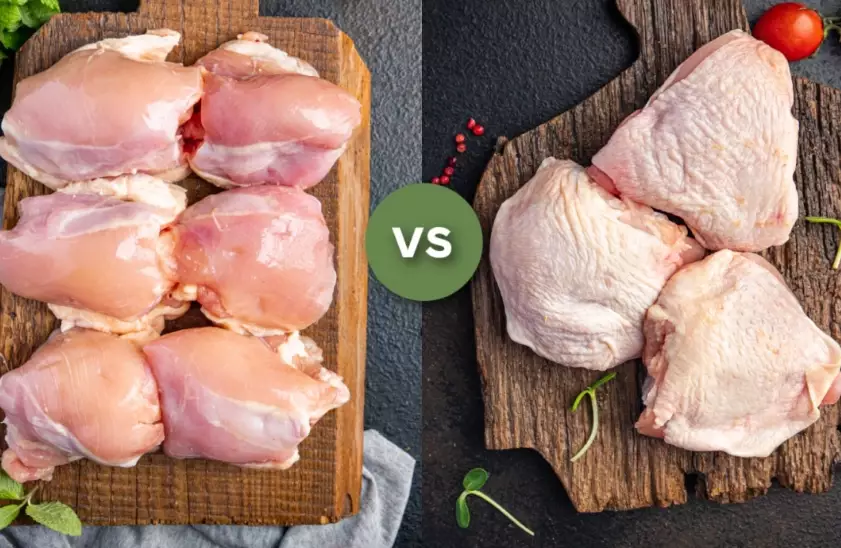
Nobody eats 100 grams of abstract "chicken." You eat a piece of chicken. So let's get practical.
A typical boneless, skinless thigh you buy at the store weighs between 110-130 grams raw. After cooking, it loses about 25% of its weight in water. So that raw thigh ends up as roughly an 85-100 gram cooked piece. That's your single serving, clocking in right around that 180-210 calorie mark.
But the biggest mistake people make? They look at the raw weight on the package, Google "chicken thigh calories raw," and log it. Then they cook it, it shrinks, and they've actually overestimated their calories. Always, always track the cooked weight for accuracy. Get a $10 kitchen scale. It's the best investment for your nutritional awareness.
Beyond Calories: The Complete Nutrition Breakdown
Calories are just the price of admission. The real value is in the nutrients you get for those calories. This is where skinless thighs start to shine compared to their leaner cousin, the breast.
| Nutrient (per 100g cooked) | Skinless Chicken Thigh | Skinless Chicken Breast | Why It Matters |
|---|---|---|---|
| Calories | 209 kcal | 165 kcal | Thigh has ~27% more energy density. |
| Protein | 26 g | 31 g | Both are excellent sources. Breast is more protein-dense. |
| Total Fat | 10.9 g | 3.6 g | The key difference. Thigh fat is mostly unsaturated. |
| Iron | 1.3 mg (7% DV) | 0.9 mg (5% DV) | Thigh provides nearly 50% more iron, crucial for energy. |
| Zinc | 2.4 mg (22% DV) | 1.0 mg (9% DV) | Thigh has over double the zinc, vital for immunity. |
| Vitamin B12 | 0.4 mcg (17% DV) | 0.3 mcg (13% DV) | Important for nerve function and blood health. |
See that? For about 44 extra calories, you're getting a significant boost in essential minerals like iron and zinc. The fat in thighs is also predominantly monounsaturated and polyunsaturated—the same "good fats" found in olive oil and avocados. This fat carries flavor and helps your body absorb the fat-soluble vitamins (A, D, E, K) from the rest of your meal.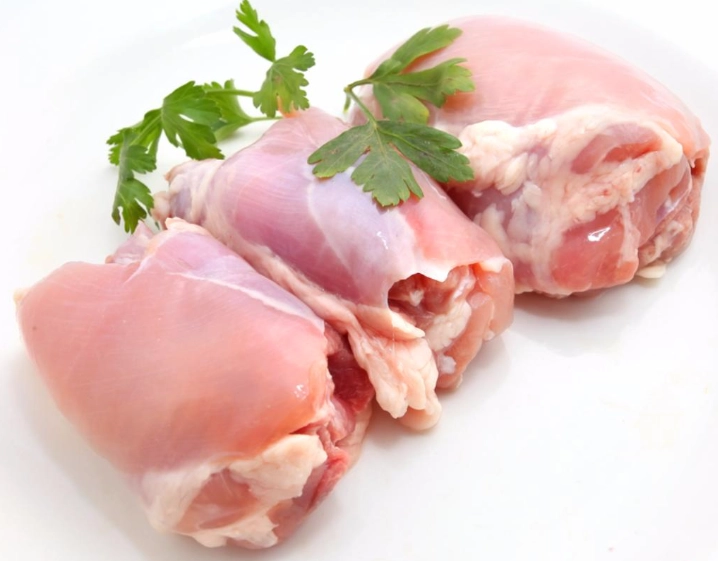
Personal Take: I used to think "leaner is always better." Now, I see those extra few grams of fat in a thigh not as a drawback, but as a vehicle for flavor, satiety, and nutrient absorption. It turns a potentially boring meal into something you actually look forward to eating, which is sustainability in a nutshell.
Unexpected Health Benefits of Choosing Thighs
Choosing skinless thighs isn't a compromise; it can be a strategic health move.
Satiety is King. The combination of protein and fat in thighs slows down digestion. You feel full longer. I've found that a meal with a thigh keeps me satisfied for hours, whereas a similarly sized breast meal might have me scouring the pantry two hours later. This natural portion control is priceless for weight management.
Better for Active Lifestyles. That extra fat provides a denser source of energy. If you're someone who trains hard or has a physically demanding job, the calories in a skinless thigh are high-quality fuel, not just empty energy.
The Flavor Factor. This is an underrated health benefit. Thighs are forgiving and stay juicy even if you overcook them a little. Because they taste better with simpler seasonings, you're less likely to drown them in high-calorie, sugar-laden sauces. A little garlic, paprika, and salt is all you need.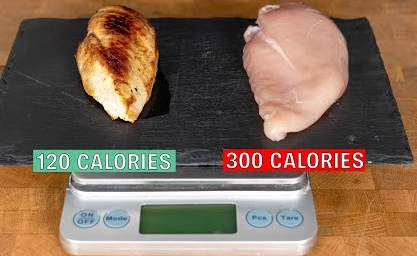
How to Cook Skinless Chicken Thighs for Maximum Health Benefits
You can turn a healthy cut into a calorie bomb with the wrong technique. Here’s how to do it right.
1. The Golden Rule: Don't Overcrowd the Pan
Whether you're baking or pan-searing, give the thighs space. Crowding creates steam, which stews the chicken instead of giving it a nice sear. A good sear locks in juices, meaning you won't feel the need to add butter or gravy later. Use a large sheet pan for baking or cook in batches on the stove.
2. Master the High-Heat Roast
My go-to method: Preheat your oven to 425°F (220°C). Pat the thighs completely dry with a paper towel. Toss with a teaspoon of olive oil (not a tablespoon!), salt, pepper, and your favorite dried herbs. Place them on a wire rack set over a baking sheet. This allows hot air to circulate all around, cooking them evenly and letting fat drip away. They'll be juicy inside, crispy outside, in about 20-25 minutes.
3. The "No-Added-Oil" Air Fryer Win
If you have an air fryer, this is a cheat code. The thighs render their own fat as they cook, creating a crispy exterior in the circulating hot air. No need to add extra oil. Cook at 380°F for 12-15 minutes, flipping halfway.
Avoid breading or deep-frying. That's where the calorie count truly spirals. The beauty of a skinless thigh is that its own fat content provides enough richness.
Simple, High-Protein Meal Prep Ideas with Skinless Thighs
Here’s how I use them in my weekly routine. The goal is balanced meals that are easy to assemble.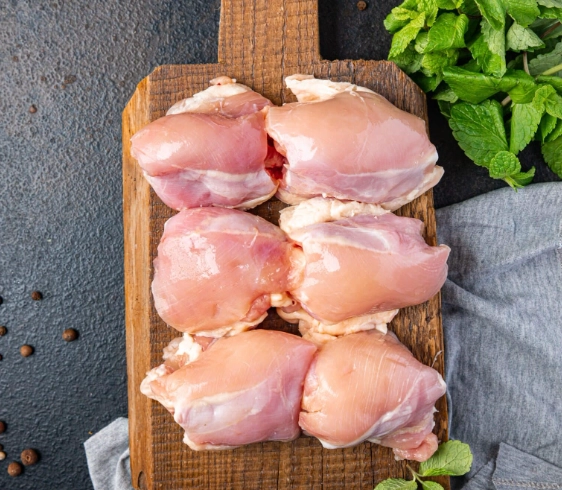
- Meal 1: The Big Salad Base. Grill or bake a batch of thighs seasoned with lemon pepper. Slice them and store them separately. Each day, take a handful of mixed greens, add 100g of the sliced thigh, a quarter of an avocado, some cherry tomatoes, and a light vinaigrette. Protein, healthy fats, fiber—done.
- Meal 2: Curry in a Hurry. Dice raw thighs into bite-sized pieces. Sauté with onion, garlic, and ginger. Add a can of light coconut milk, a big scoop of red curry paste, and a mountain of chopped vegetables (bell peppers, broccoli, snap peas). Simmer until cooked. The thigh meat holds up beautifully in the simmering sauce without drying out. Portion over a small serving of brown rice.
- Meal 3: Fajita Bowls. Slice thighs into strips and marinate in lime juice, cumin, and chili powder for 30 minutes. Sauté with sliced onions and bell peppers. Serve over cauliflower rice or a mix of regular rice and black beans with salsa and a dollop of Greek yogurt (instead of sour cream).
The versatility is the point. Thighs work in cuisines from around the world because they carry flavor so well.
Your Burning Questions Answered
So, the final verdict? Stop fearing the calories in a skinless chicken thigh. Understand them, respect them, and use them. They represent a package of high-quality protein, essential minerals, and satisfying fats that can be the cornerstone of countless healthy, delicious meals. Ditch the all-or-nothing mindset. Embrace the thigh.
Related Articles