Boneless Skinless Chicken Thigh Nutrition: Complete Guide & Facts
In This Deep Dive
Let's talk about chicken thighs. You know, the ones without the bone and skin. They're sitting there in the grocery store, maybe looking a bit plain next to the fancy seasoned breasts, but let me tell you, they're a secret weapon. Everyone's always going on about chicken breast, but if you're after flavor, juiciness, and honestly, a better deal for your money, you need to look at thighs. But what are you actually getting nutritionally? That's what we're digging into today – the complete, no-BS guide to nutrition in chicken thighs boneless skinless.
I used to be a breast-only guy. Thought thighs were too fatty, too… indulgent. Then I actually cooked some. The difference in how they turn out, especially if you're not a perfect chef (raises hand), is night and day. Breasts can dry out in a heartbeat. Thighs? Forgiving. Delicious. But I had to know – was I trading health for taste?
What's Actually in a Boneless, Skinless Chicken Thigh?
First, let's get the cold, hard facts from the most reliable source we have. The USDA FoodData Central database is the gold standard for this stuff. It tells us exactly what's in our food, down to the milligram. So, for a 3-ounce (about 85-gram) cooked serving of boneless, skinless chicken thigh, here’s the official breakdown. This is your nutritional blueprint.
| Nutrient | Amount per 3oz (85g) Cooked | % Daily Value (DV)* |
|---|---|---|
| Calories | ≈ 180-190 kcal | 9-10% |
| Protein | ≈ 22-24 grams | 44-48% |
| Total Fat | ≈ 9-11 grams | 12-16% |
| Saturated Fat | ≈ 2.5-3 grams | 13-15% |
| Iron | ≈ 1.1 mg | 6% |
| Zinc | ≈ 2.4 mg | 22% |
| Selenium | ≈ 18-20 mcg | 33-36% |
| Niacin (Vitamin B3) | ≈ 5.5-6 mg | 34-38% |
| Vitamin B6 | ≈ 0.4 mg | 24% |
| Phosphorus | ≈ 180 mg | 14% |
| Sodium (naturally occurring) | ≈ 70-80 mg | 3% |
*Based on a 2,000 calorie diet. Percentages are rough estimates.
Okay, so there are the numbers. But numbers on a page can be pretty dry. What do they actually mean for you when you're trying to eat well?
Key Takeaway: The standout feature here is the protein-to-fat ratio. You're getting a massive hit of high-quality protein – nearly a day's worth for many people in a single modest serving – paired with a moderate amount of fat that's mostly the better-for-you unsaturated kind. It's a nutrient-dense package.
Breaking Down the Big Three: Protein, Fat, and Calories
Let's zoom in on the headliners.
The Protein Powerhouse: That 22+ grams of protein is the real deal. It's a "complete" protein, meaning it has all nine essential amino acids your body can't make on its own. This is what builds and repairs muscle, keeps you feeling full for hours (satiety is a huge deal for weight management), and supports your immune system. If you're active, trying to build or maintain muscle, or just want to avoid afternoon snack attacks, this protein content is your best friend.
The Fat Story (It's Not a Bad One): This is where thighs get their (sometimes unfair) reputation. Yes, there's more fat than in a breast. But context matters. Only about a third of that total fat is saturated. The rest? It's a mix of monounsaturated and polyunsaturated fats – the kinds associated with heart health. This fat is also what carries flavor and creates that incredible, juicy texture. It's not "empty" fat; it's part of the food's structure and nutritional profile.
Calorie Reality Check: At around 190 calories per serving, a boneless skinless chicken thigh is not a low-calorie food, but it's a calorie-efficient one. You're packing a ton of nutrition into those calories. Compared to many processed snacks or fatty cuts of red meat, you're getting far more bang for your caloric buck.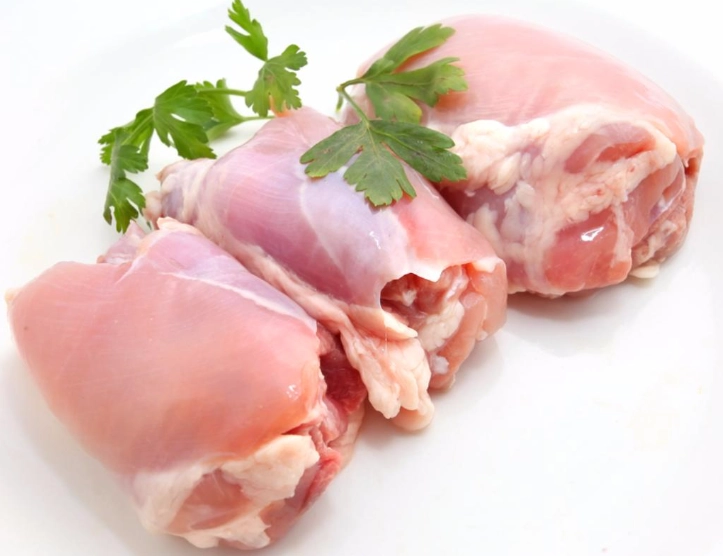
The Hidden Gems: Vitamins and Minerals
This is where the nutritional value of chicken thighs really shines and often beats out the breast. People forget that meat isn't just protein and fat.
- Zinc & Selenium: These are rockstar minerals for your immune system. That 22% DV for zinc is significant – it helps with wound healing and taste perception. Selenium is a powerful antioxidant.
- B Vitamins (Niacin & B6): The B-complex crew is essential for energy metabolism. They help your body convert the food you eat into usable energy. Niacin (B3) also supports skin and nerve health.
- Iron (Heme Iron): The iron in chicken is "heme" iron, which is the form your body absorbs most easily. This is crucial for preventing anemia and keeping your energy levels up, especially for menstruating individuals who have higher iron needs.
So when you're evaluating boneless skinless chicken thigh nutrition, you have to look beyond the macros. This micronutrient profile is a big part of the value proposition.
Boneless Skinless Thigh vs. Chicken Breast: The Showdown
You can't talk about one without the other, right? It's the eternal kitchen debate. Let's put them side-by-side, using the same USDA data for a 3oz cooked portion.
Chicken Breast (Boneless, Skinless): ~165 calories, 31g protein, 3.6g fat (1g saturated). Lower in calories and fat, higher in pure protein. A bit higher in phosphorus, but generally lower in iron, zinc, and B vitamins compared to thigh.
Chicken Thigh (Boneless, Skinless): ~190 calories, 22g protein, 9-11g fat (2.5-3g saturated). More calories and fat, slightly less protein, but significantly richer in iron, zinc, and often B vitamins like Niacin.
So who wins?
It depends entirely on your goal.
- Choose Breast If: Your primary, singular focus is maximizing protein intake while minimizing calories and fat. Think: final stages of a bodybuilding cut, or a very strict weight-loss plan where every gram of fat is accounted for.
- Choose Thigh If: You value flavor, juiciness, a better nutrient profile (those minerals!), and overall sustainability in your diet. For most people eating for general health, fitness, and pleasure, the thigh is the more enjoyable and nutritionally-rounded option. The small difference in fat is negligible in the context of a balanced diet.
My personal rule? I use both. Breasts for when I want a super-lean base for a heavy sauce or salad. Thighs for 90% of my cooking – stir-fries, curries, sheet-pan dinners, grilling. They're just more reliable and tastier.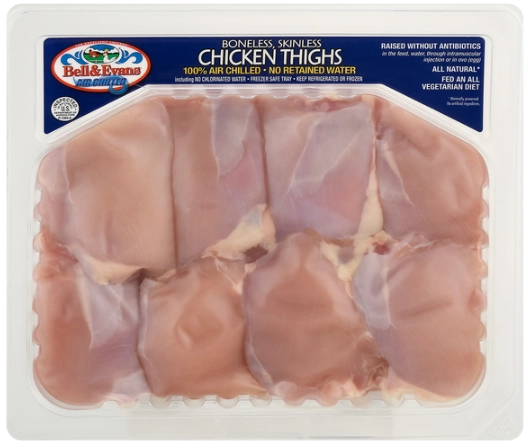
Buying, Storing, and Cooking: Maximizing the Nutrition
Knowing the nutrition in chicken thighs boneless skinless is one thing. Making sure you preserve it and cook it well is another.
What to Look for When Buying
Color is a decent indicator. Look for a pinkish, almost rosy color. Avoid any pieces that look grayish or have a slick, slimy surface (it should be moist but not slimy). Check the sell-by date and give the package a sniff if you can – it should smell neutral, not sour or ammonia-like. I often find buying family-sized packs and portioning them myself is cheaper per pound.
How to Store Them Properly
Keep them cold. If you're using them within a day or two, the fridge is fine in their original packaging. For longer storage, freeze them. My method: pat them dry, place them in a single layer on a baking sheet to freeze individually for an hour (this is called "flash freezing"), then toss them into a heavy-duty freezer bag, squeezing out all the air. This prevents a giant frozen thigh-clump and preserves quality for months.
Cooking Methods That Keep Them Healthy and Juicy
This is the fun part. Because of their higher fat content, thighs are incredibly forgiving. You have a wider margin of error before they become dry and tough.
- Baking/Roasting: My weekday go-to. Toss with a little oil, salt, pepper, and any spices (paprika, garlic powder, cumin). Bake at 400°F (200°C) for 20-25 minutes. Easy, hands-off, and the fat renders nicely.
- Pan-Searing: Gets you that gorgeous golden-brown crust. Use a medium-hot pan with just a teaspoon of oil. Don't crowd the pan! Cook for 5-7 minutes per side. The key is letting them sit undisturbed to form the crust.
- Grilling: Perfect for summer. Their fat prevents them from sticking as badly as breasts. Medium-high heat, 6-8 minutes per side. A little char is delicious.
- Slow Cooking/Instant Pot: Thighs are KINGS of the slow cooker. They become fall-apart tender without drying out. Great for shredding for tacos, soups, or stews.

Answering Your Questions (FAQ)
Are boneless skinless chicken thighs good for weight loss?
Yes, absolutely, but with a caveat about portion control. Their high protein and moderate fat content promote satiety, meaning you feel full longer and are less likely to overeat later. The key is to be mindful of the portion size (that 3-4oz serving) and how you cook them. Baking or grilling is better than deep-frying, obviously. They can be a fantastic part of a calorie-controlled diet because they're so satisfying.
How does the nutrition in chicken thighs boneless skinless compare to with skin?
This is a huge difference. The skin is almost pure fat. Leaving the skin on can easily double or triple the fat and calorie content of the piece. If you're strictly managing fat intake, removing the skin is the single biggest change you can make. That said, cooking with the skin on (and then removing it before eating) can help keep the meat underneath incredibly moist.
Are they considered a lean protein?
Technically, by USDA definitions, a "lean" protein must have less than 10g of total fat, 4.5g of saturated fat, and 95mg of cholesterol per 100g serving. Boneless, skinless chicken thighs hover right around that 10g total fat mark for a 100g serving, so they often just barely qualify or are considered "medium-fat." Chicken breast is definitively "lean." I think getting hung up on this label misses the point. They are a high-quality protein source, which is more important.
I'm on a low-carb or keto diet. Are thighs okay?
They're excellent. Chicken thighs contain virtually zero carbohydrates. Their fat content aligns perfectly with the higher-fat needs of a ketogenic diet, while still providing ample protein.
How often can I eat them?
As part of a varied diet, you could eat them several times a week without issue. Variety is key to good nutrition. Rotate your protein sources – include fish, legumes, other poultry, and even red meat occasionally – to get a full spectrum of nutrients.
Putting It All Together: A Simple, Nutritious Meal Idea
Let's make this practical. Here’s a dead-easy, nutrient-packed dinner that highlights the nutritional value of chicken thighs.
One-Pan Lemon Herb Chicken Thighs & Veggies
- Take 4 boneless, skinless chicken thighs.
- Toss them with 1 tbsp olive oil, juice of 1 lemon, 2 minced garlic cloves, 1 tsp dried oregano, salt, and pepper.
- On a sheet pan, add chopped veggies (broccoli florets, bell pepper strips, red onion wedges). Drizzle with a little oil and season.
- Place the thighs among the veggies.
- Bake at 400°F (200°C) for 20-25 minutes, until chicken hits 165°F.
You've got your complete protein from the thighs, a dose of healthy fats from the olive oil and the chicken itself, and a heap of fiber, vitamins, and antioxidants from the colorful veggies. It's a balanced plate that's easy, delicious, and makes the most of everything we've talked about.
So, next time you're at the store, don't just default to the breast. Give the humble boneless, skinless chicken thigh a chance. You might just find that its superior flavor, forgiving nature in the kitchen, and robust boneless skinless chicken thigh nutrition profile make it your new go-to protein. I know it did for me.
Related Articles