How to Roast a Chicken Perfectly: Juicy Meat & Crispy Skin
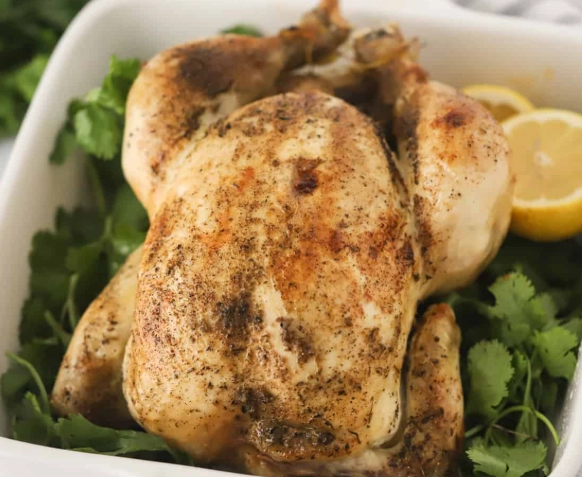
Let's be honest. A dry, bland roast chicken is a Sunday dinner tragedy. It feels like a personal failure after all that time in the kitchen. But a perfect one? Juicy, flavorful meat falling off the bone, encased in shatteringly crisp, golden-brown skin—that’s a masterpiece. It’s the ultimate comfort food that feels both humble and celebratory.
I’ve roasted more chickens than I can count, and I’ve made every mistake in the book so you don't have to. The good news is, achieving perfection isn't about fancy techniques or obscure ingredients. It's about understanding a few non-negotiable principles and executing them with confidence.
What You'll Learn
The Golden Rules of Roast Chicken
Forget the dozens of conflicting recipes online. If you remember nothing else, remember these three things. They are the foundation of everything that follows.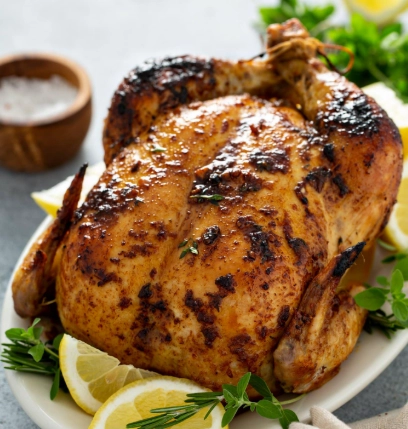
Dry the Skin, Really Dry It. Moisture is the enemy of crisp skin. This is the step almost everyone rushes. Take paper towels and pat the chicken dry inside and out. Get into the nooks and crannies. A dry surface allows the skin to render and brown, not steam.
Season Liberally and Under the Skin. Salt and pepper on the outside is good. Salt and pepper under the skin is transformative. Gently loosen the skin over the breast and thighs with your fingers and season the meat directly. This flavors the meat from the inside out and helps the skin crisp by drawing moisture away from its underside.
Cook to Temperature, Not Time. Ovens lie. Chicken sizes vary. The only way to guarantee juicy, safe meat is to use a good instant-read thermometer. Target 165°F (74°C) in the thickest part of the thigh, not touching bone. The breast will be perfectly done around 155-160°F (68-71°C) as it carries over cooking while resting.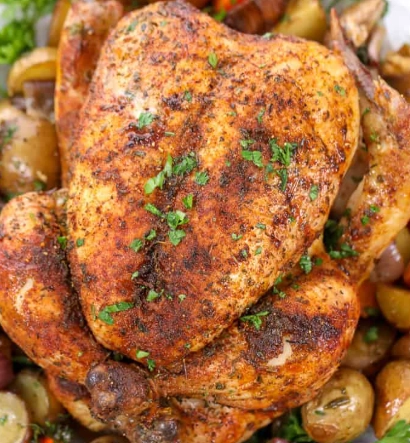
Prepping Your Chicken for Success
Choosing Your Bird
You don't need an expensive heritage breed for a fantastic weeknight roast, but quality matters. Look for a chicken labeled "air-chilled." Water-chilled birds absorb water, which you then pay for by weight, and they steam more than roast. Air-chilled chickens have better texture and flavor. A 4 to 5-pound bird is the sweet spot for most home ovens and families.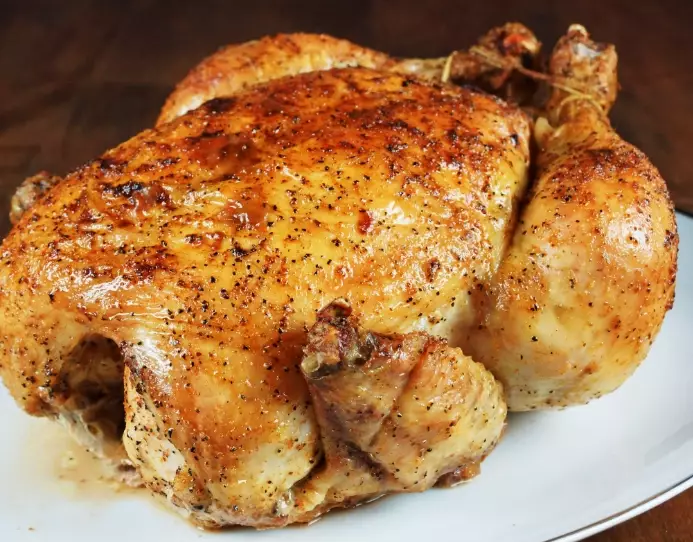
The Trussing Debate
To truss or not to truss? Trussing (tying the legs and wings close to the body) gives a neat, restaurant-style presentation and can promote even cooking. But leaving the legs splayed open exposes the dark meat (which takes longer to cook) to more direct heat, helping it finish at the same time as the breast. I prefer the latter for reliability. If you want it pretty, truss it. If you want it foolproof, don't.
Simple Flavor Foundations
You can go complex with herb butter or citrus, but master the classic first: lemon, garlic, and herbs.
- Take half a lemon, prick it all over with a fork, and stuff it in the cavity with a few smashed garlic cloves and a handful of herbs (thyme, rosemary, sage).
- The steam and oils from these aromatics perfume the meat from the inside.
- Rub the outside with a tiny bit of oil or softened butter (this helps the seasoning stick and aids browning) before your final sprinkle of salt and pepper.
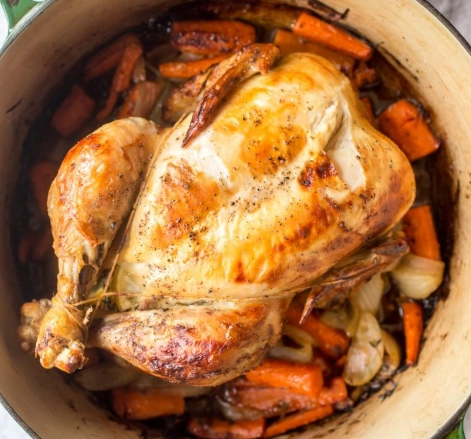
The Roasting Process: Step by Step
Here’s the exact method I’ve settled on after years of testing. It uses a two-temperature approach for the best of both worlds: high heat for crisp skin, lower heat for even, gentle cooking.
- Prep & Preheat: Dry and season your chicken as described. Let it sit at room temperature for 45-60 minutes. Preheat your oven to 450°F (230°C). Place a rack in a roasting pan or sturdy baking sheet.
- The Hot Start: Place the chicken breast-side up on the rack. Roast at 450°F for 25-30 minutes. This initial blast gives you that gorgeous, deep golden color and starts the crisping process.
- The Gentle Finish: Without opening the oven door, reduce the temperature to 375°F (190°C). Continue roasting until the thermometer reads 165°F in the thigh. This usually takes another 35-50 minutes, depending on size.
- The Rest is Mandatory: Transfer the chicken to a cutting board or platter. Do not carve it. Tent it loosely with foil and let it rest for a minimum of 15 minutes, 20-25 is better. This allows the frantic juices to relax back into the meat fibers.
How long for your specific bird? This table is a reliable guide, but always trust your thermometer.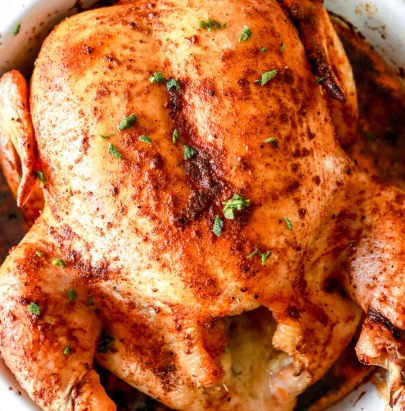
| Chicken Weight | Total Roasting Time (at 450°F, then 375°F) | Target Internal Temp (Thigh) |
|---|---|---|
| 3.5 - 4 lbs | 50 - 65 minutes | 165°F / 74°C |
| 4 - 5 lbs | 65 - 80 minutes | 165°F / 74°C |
| 5 - 6 lbs | 80 - 95 minutes | 165°F / 74°C |
What About Vegetables?
Roasting vegetables underneath the chicken is a classic one-pan move. They cook in the glorious drippings. Cut hearty veggies (potatoes, carrots, onions, parsnips) into even chunks and toss with oil, salt, and pepper. Spread them in the pan under the rack before you add the chicken. They'll need the full cooking time. For quicker-cooking veggies like Brussels sprouts or broccoli, add them during the last 25-30 minutes.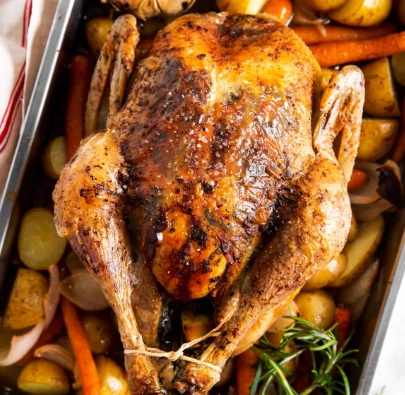
Carving and Serving Like a Pro
Resting done? Time to carve. Remove the twine if you trussed it. Start by removing the legs: pull a leg away from the body and cut through the joint connecting it to the torso. Separate the thigh from the drumstick. Next, remove the wings the same way.
For the breast, make a long horizontal cut along the bottom of the breastbone (the keel bone). Then, slice downward, following the contour of the rib cage, to remove the entire breast half. Slice it crosswise on a slight diagonal. It's easier than it sounds, and once you do it twice, you'll have it down.
Serve with those roasted vegetables, a simple green salad, and maybe a quick pan sauce made by deglazing the roasting pan with a splash of white wine or chicken stock and a knob of butter.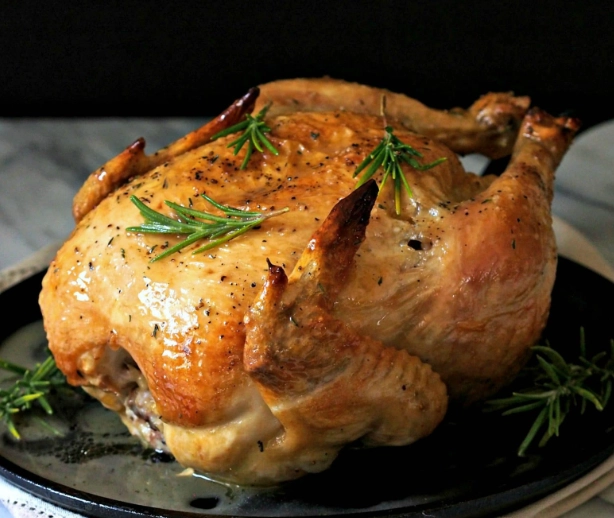
Your Roast Chicken Questions Answered
Mastering the roast chicken is a culinary rite of passage. It teaches you about heat, patience, and seasoning. It's a skill that feeds you, impresses guests, and builds kitchen confidence. Now go preheat that oven.
Related Articles