How Long to Roast a Whole Chicken: The Ultimate Timing Guide
Quick Navigation
You've got a beautiful whole chicken. You're ready to roast it. The oven is preheated. And then the big question hits you: how long does this thing actually need? You type "how long roast whole chicken" into Google and get a dozen different answers. 20 minutes per pound? 45 minutes total? An hour and a half? It's enough to make you just order pizza.
I've been there. My first few roast chickens were... educational. One was so undercooked near the bone it could have clucked. Another was drier than the Sahara because I left it in too long, terrified of the first scenario. The truth is, asking "how long to roast a whole chicken" is like asking "how long does it take to drive to the city?" It depends. On the size of your chicken (traffic), your oven's real temperature (your car's speed), and how you've prepared it (the route you take).
But after years of trial, error, and a few too many dry chicken dinners, I've nailed down a system. This isn't just another recipe with a single magic number. This is a complete guide to understanding the why behind the time, so you can roast with confidence, not hope.
Why "How Long to Roast a Whole Chicken" is a Trick Question
If you take one thing from this guide, let it be this: Time is a guideline, temperature is the law. Giving you a single number for how long roast whole chicken takes is a disservice. So many things change the clock.
Think about it. Is your chicken straight from the fridge, cold to the touch? That'll add time. Is it a plump, premium bird or a leaner one? Big difference. Did you truss it tightly, or leave the legs splayed out? Even the material of your roasting pan matters—dark pans cook faster than shiny ones.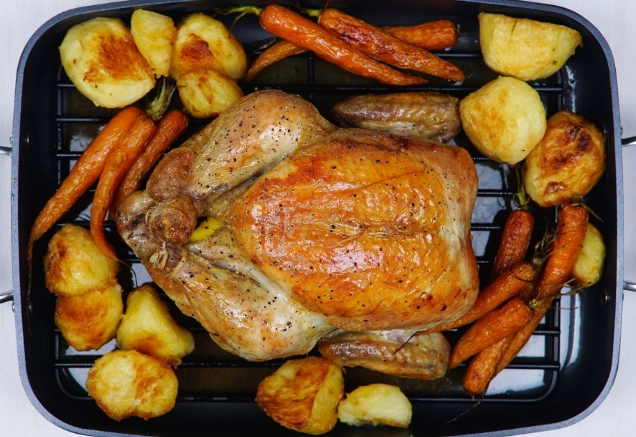
My biggest pet peeve with online recipes is the "20 minutes per pound" rule. It's a decent starting point, but it fails so often. A 3-pound chicken isn't just a scaled-down 5-pound chicken. The geometry is different. The heat penetrates differently. Blindly following that rule left me with undercooked joints more than once.
The Four Commandments of Roasting Time
Let's break down what actually determines how long you need to roast your whole chicken.
- Weight (The Biggest Factor): This is the obvious one. More mass = more time. But it's not perfectly linear, which is why simple math often fails.
- Starting Temperature: A room-temperature chicken roasts faster and more evenly than one straight from the fridge. I let mine sit out for about 30-45 minutes before it goes in. It makes a noticeable difference in juiciness, too.
- Oven Temperature & Accuracy: Is your oven running hot or cold? Mine runs about 15°F hot, which I didn't know for years. An oven thermometer is a $10 investment that will change your cooking life. Also, a higher temp (like 425°F) will give you crispier skin faster but risks drying out the breast if you're not careful. A lower temp (350°F) is gentler but takes longer and can lead to soggy skin.
- Preparation & Pan: Stuffing the cavity? That adds significant time. Roasting on a bed of hearty vegetables? They act as a insulator, slowing down heat from below. Using a roasting rack so air circulates all around? That speeds things up a bit.
The Master Roasting Time Table (Your Cheat Sheet)
Okay, enough theory. You need a starting point. Here's my go-to table, based on roasting at a reliable 375°F (190°C), with the chicken at room-ish temperature, on a rack in a pan. This is for an unstuffed bird.
| Chicken Weight | Approximate Roasting Time | Key Check-In Time | What to Look For |
|---|---|---|---|
| 3 lbs (1.4 kg) | 1 hr 10 min - 1 hr 25 min | At 50 minutes | Skin should be browning. Start checking temp. |
| 4 lbs (1.8 kg) | 1 hr 20 min - 1 hr 40 min | At 1 hour | Golden color. Juices at thigh should run clearer. |
| 5 lbs (2.3 kg) | 1 hr 35 min - 1 hr 55 min | At 1 hr 15 min | Legs should wiggle loosely in joints. Temp check crucial. |
| 6 lbs (2.7 kg) | 1 hr 50 min - 2 hr 10 min | At 1 hr 30 min | A larger bird needs patience. Tent with foil if browning too fast. |
See? Not just "20 minutes per pound." A 6-pounder is denser.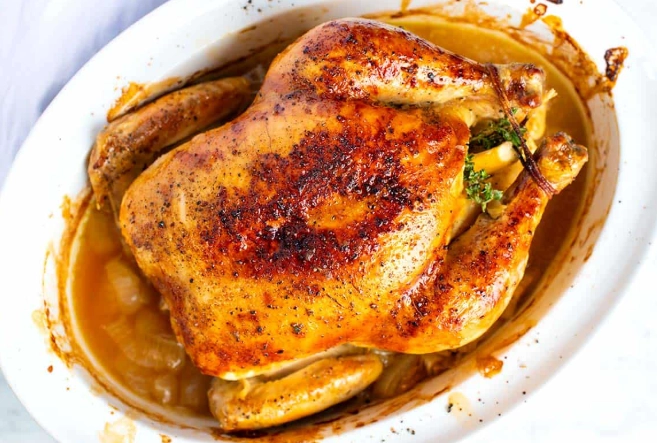
The Step-by-Step: What You Actually Do (and When)
Let's walk through a real roast. We'll use a super common 4.5-pound chicken as our example.
Before the Oven (The Most Important Hour)
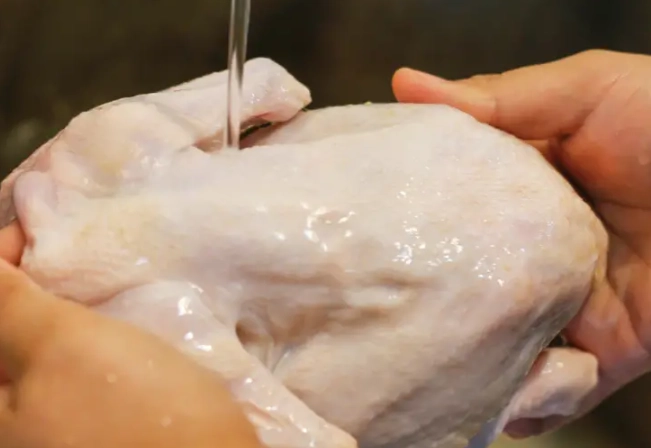
An hour before you even think about how long to roast the whole chicken, do this. Take the chicken out of its packaging. Remove any giblets (they're usually in a bag in the cavity—don't roast it with the bag in there, trust me). Pat the skin incredibly dry with paper towels. This is the #1 secret to crispy skin. Wet skin steams. Dry skin roasts.
Season it generously inside and out with salt and pepper. You can get fancy with herbs under the skin or a compound butter, but salt and pepper are non-negotiable. Now, leave it uncovered on a plate on the counter. Let the chill come off. This helps it cook evenly.
Preheat your oven to 375°F (190°C). Put an oven rack in the middle position. Place a V-rack or flat rack inside a roasting pan.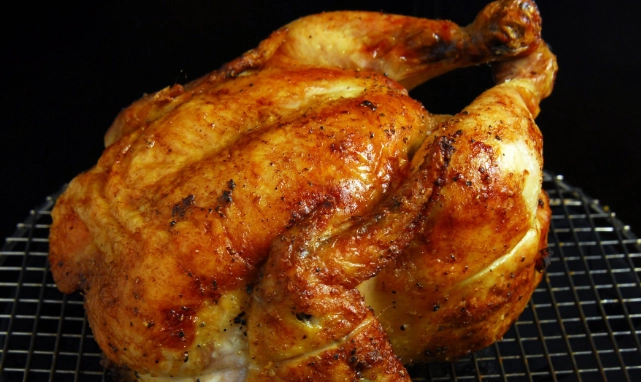
The Roasting Process (The Timeline)
Place your chicken breast-side up on the rack. You can truss it with kitchen twine (keeps it tidy) or leave it untrussed (crispies up the legs more). I go back and forth.
Slide it into the oven. Set a timer for 50 minutes. Don't open the door. Just let the heat work.
When the timer goes off, this is your first check. The skin should be turning a pale gold. Things are happening. Close the door and set another timer for 20 minutes.
At the 1 hour 10 minute mark, it should look like a proper roast chicken. Golden, smelling amazing. Now, grab your instant-read thermometer. Carefully open the oven and insert the probe into the thickest part of the thigh, avoiding the bone. What's it say?
- Below 150°F (65°C): Close the door. Give it another 10-15 minutes.
- Around 155-160°F (68-71°C): You're in the home stretch. The temperature will carry over as it rests. Start planning to take it out soon.
- 165°F (74°C) or above: You're done! Get it out now.
This is the dance. You're checking and adjusting based on reality, not a guess. For our 4.5-pound bird, it might be perfect at 1 hour 25 minutes. Maybe 1 hour 35 minutes. The thermometer decides.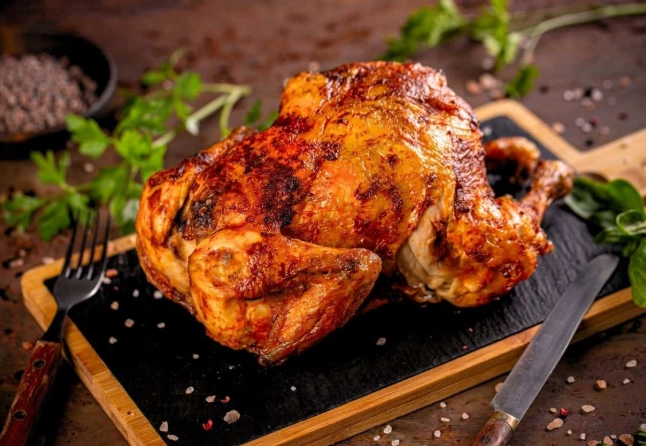
The Non-Negotiable Final Step: Resting
You've hit the perfect internal temperature. You're ecstatic. Do not carve it immediately. I know, it's hard.
Transfer the chicken to a cutting board or platter. Loosely tent it with foil. Let it rest for at least 15 minutes, ideally 20-25 for a larger bird. This is when the magic happens. The frantic, hot juices inside the meat redistribute and get re-absorbed. If you cut in now, all that flavorful juice will just flood your board, leaving you with dry meat.
Use this time to make a quick pan gravy with the drippings. Your patience will be rewarded with the juiciest chicken you've ever made.
Answering Your Burning Questions (The FAQ)
Can I really trust the "juices run clear" test?
It's an okay secondary sign, but it's unreliable on its own. Juices can look pink for reasons other than undercooking (like the bird's diet). And by the time they run perfectly clear, you might have already overcooked the breast. Use a thermometer. The USDA recommends 165°F for poultry. It's the only sure thing.
Why does everyone's time seem different?
We covered the variables, but also, people lie. Not maliciously, but they forget to mention their chicken was smaller, their oven runs hot, or they started with a warmer bird. Or they just round numbers. My times are from my notes, with my oven, over many chickens. Your mileage may vary, which is why the thermometer is your co-pilot.
Is it safe to cook chicken to 165°F? It seems low.
Absolutely safe. 165°F (74°C) is the temperature at which salmonella and other harmful bacteria are instantly destroyed. In fact, you can pull it at 155-160°F and let the carryover cooking bring it up, as long as it stays at that temperature for a corresponding amount of time (a concept called pasteurization). But for simplicity and safety, 165°F is the foolproof target.
My skin is burning but the inside is raw! Help!
This is a classic oven-too-hot problem. Or your chicken is too close to the top element. Next time, try starting at a lower temp, like 350°F. If it's happening right now, tent the chicken loosely with foil for the remainder of the cooking time to shield the skin. It'll still cook underneath.
How do I know if I've overcooked it?
The breast meat will be dry, stringy, and chalky. The thigh meat will be crumbly instead of juicy. It'll still be safe to eat, just not very pleasant. This is why many chefs prefer to cook dark and white meat to slightly different temps, but that's a more advanced technique involving parting out the chicken.
My Personal Method for the Best Results
After all these years, here's my no-fail, slightly fussy but totally worth it routine. It combines high heat for crispness and lower heat for even cooking.
- Dry Brine (Night Before): Salt the chicken heavily all over. Leave it uncovered on a rack in the fridge overnight. This seasons it deeply and dries the skin out for ultimate crackle.
- Start Hot: Preheat oven to 425°F (220°C). Roast the bird for 30 minutes. This blasts the skin and gets the color going.
- Finish Gentle: Without opening the door, reduce the oven temp to 350°F (175°C). Roast until the thigh hits 160°F (71°C). This usually takes another 35-50 minutes for a 4-5 pounder.
- Rest: Rest for 25 full minutes. No peeking.
This method answers "how long to roast a whole chicken" with a bit more nuance, but the results are consistently spectacular. The skin is like glass, the meat is succulent.
Tools That Actually Help (Not Gadgets)
You don't need much, but these two tools are essential.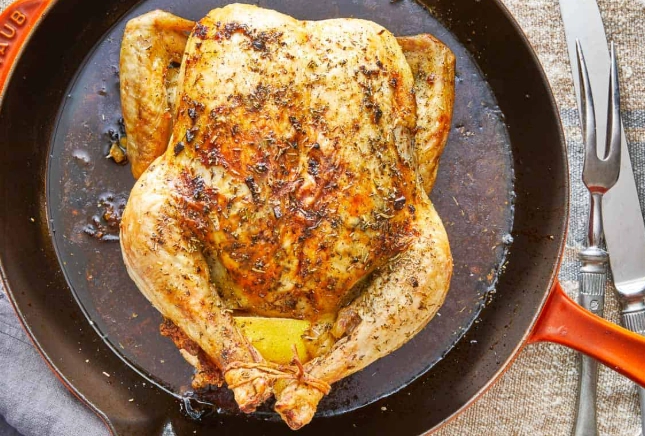
- Instant-Read Thermometer: This is non-negotiable. A Thermapen is the gold standard, but any reliable digital one works. Throw away the pop-up timer that comes with some chickens. They are notoriously inaccurate.
- Oven Thermometer: If you've never checked your oven's accuracy, you're flying blind. A simple $10 hanging thermometer tells you the truth about what's happening inside.
- Roasting Rack: Elevating the chicken lets hot air circulate underneath, promoting even cooking and preventing the bottom from steaming in its juices.
So, the next time you find yourself wondering how long to roast a whole chicken, remember this: you have the power to know for sure. Don't guess. Don't just follow a timer. Understand the factors, use the table as your map, and let your thermometer be your guide. You'll never have to search for that answer again. You'll just make perfect roast chicken.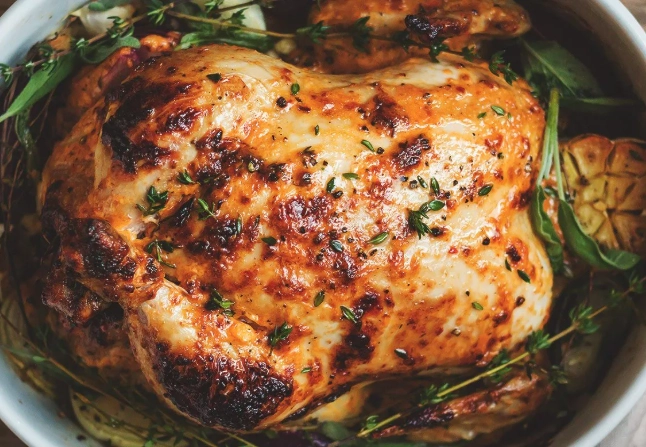
Now go preheat that oven.
Related Articles