How Many Calories Are in Chicken Wingettes? The Ultimate Guide
Your Wingette Calorie Guide
- The Raw Numbers: Starting from Scratch
- How Cooking Method Transforms the Calories in Chicken Wingettes
- The Sauce & Rub Calorie Catastrophe (or Blessing)
- So, What About a Real Serving? Calories in 5 Chicken Wingettes
- Making Wingettes Work in Your Diet: Practical Strategies
- Answering Your Wingette Calorie Questions (FAQ)
- The Final Take on Wingette Calories
Let's be honest. When you're staring at a plate of crispy, saucy chicken wingettes, the last thing you want to think about is the calorie count. You just want to dig in. I get it. I've been there, polishing off a dozen without a second thought. But then you wonder, maybe the next day, just how much did that indulgence really cost you, calorie-wise? The answer, like a good wing sauce, is a bit more complex than you might think.
Searching for "calories in chicken wingette" gives you a number, sure. But that number is almost useless on its own. Is it fried? Baked? Naked? Swimming in sauce? The truth about chicken wingette nutrition is a sliding scale, and where you land on it depends entirely on how you cook and dress them. This isn't about ruining your fun. It's about giving you the real information so you can make choices that fit your life, whether you're counting every calorie for weight loss or just trying to be a bit more mindful.
Key Takeaway First: A single, plain, baked chicken wingette (the middle segment, also called a "flat") with the skin on has roughly 43-55 calories. But that's just the blank canvas. The cooking oil, the sauce, the dipping side—that's where the real calorie story unfolds.
The Raw Numbers: Starting from Scratch
To understand anything, you have to start at the beginning. For wingettes, that means looking at them in their most basic form. According to the USDA's FoodData Central, a reliable source for nutrient data, the building blocks of a wingette are pretty straightforward.
We're talking about the middle segment of the chicken wing, with the bone in and the skin on. That skin is crucial. It's where most of the fat lives, which means it's also where a lot of the flavor and, yes, the calories come from. If you take that skin off, you dramatically change the calories in a chicken wingette. I tried a skinless baked wing once. It was... fine. A bit sad, honestly, like diet toast. But it's an option.
So, per average-sized wingette (about 20-25 grams):
- With Skin (Raw): ~50-65 calories, 4-5g fat, 4-5g protein.
- Without Skin (Raw): ~30-40 calories, 1-2g fat, 5-6g protein.
See the trade-off? Removing the skin cuts the calories almost in half but also cuts a lot of the fat that makes it taste good and juicy. This is decision point number one.
How Cooking Method Transforms the Calories in Chicken Wingettes
This is where it gets interesting. Or maybe frustrating, depending on your favorite wing joint. You cannot give one number for calories in chicken wingettes because how you apply heat changes everything. Let's break down the big three: frying, baking, and air frying.
Deep-Fried Wingettes: The Calorie Heavyweight
This is the classic sports bar wing. Dunked in batter or flour, submerged in hot oil. The result is magical—crispy, golden, irresistible. The cost? The wingette acts like a little sponge for oil. It can absorb a surprising amount, adding significant extra fat and calories from the cooking fat itself.
A single deep-fried, unbreaded wingette (just skin, no extra coating) can jump to 70-90 calories. If it's breaded or battered? You're easily looking at 100+ calories per piece. That's why a typical serving of 6-10 fried wingettes can feel like a full meal's worth of calories before you even touch the blue cheese.
I love them. But I treat them as a sometimes food, not a weekly staple.
Baked or Roasted Wingettes: The Middle Ground
This is my go-to method at home. You toss the wingettes in a little oil and seasoning (maybe a teaspoon of oil for a whole pound of wings) and bake them on a rack until the skin crisps up. It takes longer than frying, but you have way more control.
A baked wingette with skin typically lands in that 43-55 calorie range we mentioned earlier. You get crispy skin, juicy meat, and far less added fat. It's a fantastic compromise. The flavor is all about your seasoning blend—paprika, garlic powder, a little baking powder for extra crispiness (a game-changer trick).
Air-Fried Wingettes: The Modern Favorite
The air fryer has revolutionized home wing-making. It circulates super-hot air to crisp the skin with just a tiny spritz of oil. The results are shockingly close to deep-frying.
Calorie-wise, an air-fried wingette is virtually identical to a baked one, maybe even a touch lower if you use less oil. We're talking 40-52 calories each. The biggest win here is texture and speed. You get that satisfying crunch without the vat of oil, which is a huge win for anyone curious about the calories in 5 chicken wingettes and trying to keep the count reasonable.
Pro Tip: Pat your wingettes extremely dry with paper towels before adding any oil or seasoning. Moisture is the enemy of crisp skin, whether you're baking or air-frying. Dry skin = better crisp = more satisfaction for fewer calories.
Let's put this in a table. It's just clearer this way.
| Cooking Method | Avg. Calories per Wingette (with skin) | Key Characteristics | "Wing Experience" Rating |
|---|---|---|---|
| Deep-Fried | 70 - 100+ | Maximum crisp, absorbs oil, classic texture. | 10/10 (But heavy) |
| Baked/Roasted | 43 - 55 | Good crisp, controlled fat, versatile. | 8/10 |
| Air-Fried | 40 - 52 | Excellent crisp, minimal oil, fast. | 9/10 |
| Grilled | 45 - 58 | Smoky flavor, less crisp skin, can dry out. | 7/10 |
The Sauce & Rub Calorie Catastrophe (or Blessing)
Okay, you've cooked your wingettes. Now for the main event: the flavoring. This is arguably the biggest variable in the entire chicken wingette nutrition facts equation. A dry rub adds negligible calories. A buttery, sugary glaze can double the calorie count of the wing itself. No joke.
Here’s a rough guide to what your sauce or rub is adding per tablespoon (and you might use more than one on a serving!).
- Buffalo Sauce (Frank's & Butter): The classic. About 70-90 calories per tbsp, mostly from the butter or oil used to make the sauce. It's not low-cal, but it's iconic.
- BBQ Sauce (Sweet & Tangy): A major sugar bomb. 50-70 calories per tbsp, almost all from added sugars. Delicious, but it adds up fast.
- Teriyaki or Sweet Asian Glaze: Similar to BBQ—high in sugar, 60-80 calories per tbsp. Very sticky and addictive.
- Garlic Parmesan or Creamy Sauce: Often made with butter, oil, cheese, and cream. Can be 80-100+ calories per tbsp. Rich and decadent.
- Dry Rubs (Paprika, Chili, Garlic, etc.): The calorie saver. Maybe 15-25 calories per *teaspoon*, and you use less. Massive flavor, minimal calorie impact.
- Lemon Pepper (Wet vs. Dry): "Wet" lemon pepper is tossed in butter or oil (60+ cal/tbsp). "Dry" is just seasoning (
So, let's do a real-world scenario. You have five baked wingettes (~250 calories). You toss them generously in two tablespoons of classic buffalo sauce (+160 calories). Your total is now 410 calories just for the wings, before any carrots, celery, or that essential blue cheese dressing dip (another 150+ calories per two tablespoons). Suddenly, your snack is a 600-calorie affair.
Does that mean you shouldn't have them? Of course not. It means you should know. Maybe you choose a dry rub. Maybe you use a lighter hot sauce without the butter. Maybe you just decide it's a treat and enjoy every single bite, fully informed. That last option is perfectly valid.
Watch Out: "Naked" wings on a menu often just mean unsauced, not unbreaded. They could still be deep-fried. Always ask how they're cooked if you're trying to manage the calories in chicken wingettes.
So, What About a Real Serving? Calories in 5 Chicken Wingettes
Nobody eats just one wingette. Let's talk realistic servings. A small order is often 6 pieces. A typical meal might be 10-12. Let's use 5 as a common anchor point people search for.
Calories in 5 chicken wingettes: This is your total based on the path you choose.
- 5 Baked, No Sauce: ~215 - 275 calories. A solid, protein-rich snack.
- 5 Air-Fried, Light Dry Rub: ~200 - 260 calories. My personal weekday favorite.
- 5 Deep-Fried, Plain (No Breading): ~350 - 450 calories. Getting hefty.
- 5 Deep-Fried, with BBQ Sauce: ~500 - 700+ calories. Now we're in meal-replacement territory.
See the range? From a reasonable 200 to a whopping 700. This is why the single-number search result is so misleading. The calories in 5 chicken wingettes is not a fact; it's the result of a series of choices.
Making Wingettes Work in Your Diet: Practical Strategies
You want wings. You also have goals. These are not mutually exclusive. Here’s how I balance it.
For Weight Loss or Calorie-Conscious Eating:
- Bake or Air Fry. This is non-negotiable for regular eating. It cuts the biggest source of added calories.
- Embrace Dry Rubs. Discover the world of spice blends. Cajun, lemon pepper (dry), chili-lime, smoked paprika. So much flavor for almost no calories.
- Saucing Smart: Use a vinegar-based hot sauce (like Frank's RedHot Original) as a marinade or light toss. It's about 0-5 calories per teaspoon. Skip the butter binder.
- Dip Wisely: Instead of blue cheese or ranch, try a Greek yogurt-based dip. Mix non-fat Greek yogurt with a little garlic powder, dill, and a splash of vinegar. It's creamy, tangy, and high-protein for a fraction of the calories.
- Fill the Plate: Make 3-4 wingettes the star of a huge salad or a plate of roasted vegetables. You get the flavor and satisfaction without needing 12 wings to feel full.
For Maintenance or "Cheat" Meals:
Go for the fried. Get the sauce you love. But be present. Savor them. Order a sensible number (maybe 6 instead of 12) and pair with veggie sticks. Drink water. Enjoy the experience fully, then move on. Obsessing over the exact calories in chicken wingettes during a treat meal ruins the point of the treat.
Answering Your Wingette Calorie Questions (FAQ)
Are chicken wingettes healthy?
"Healthy" is a loaded word. Wingettes are a good source of protein. The skin provides fat, including some saturated fat. Prepared at home via baking with a dry rub, they can be part of a balanced diet. Deep-fried and drenched in sugary sauce regularly? Not so much. It's about the overall preparation and frequency.
Do frozen wingettes have more calories?
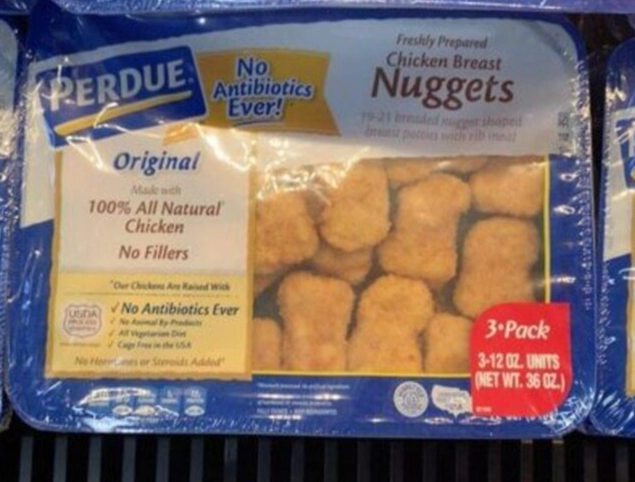
Not inherently. Plain, frozen wingettes have the same basic nutrition as fresh. However, pre-breaded, pre-fried, ready-to-cook frozen wingettes (like from the freezer aisle) are a different story. They often contain added oils, starches, and preservatives, which increase the calorie count. Always check the nutrition label on the bag. The calories in chicken wingettes from a bag of frozen, pre-prepared ones will be much higher than our base numbers.
Is the calorie difference between a wingette and a drumette significant?
A little. Drumettes (the meatier part that looks like a mini drumstick) have slightly more meat and a slightly different bone structure. They usually run 5-10 calories more than a wingette of similar size and preparation. But it's close enough that for planning purposes, you can usually group them together.
How accurate are restaurant calorie counts?
It varies. Big chains that are required to post calories generally have standardized recipes, so their numbers are a good guide. For local pubs and restaurants, the counts can be a rough estimate at best. Portion sizes, oil absorption, and sauce amounts can differ from cook to cook. Use posted counts as an estimate, not a gospel truth.
What's the best way to accurately log wingettes in a food tracker?
Be specific. Don't just search "chicken wing." If you made them at home, create a recipe in your app: weigh your raw wingettes, add the oil and seasoning you used. If you're eating out, find an entry from a major chain that matches your description (e.g., "Buffalo Wild Wings traditional medium sauce") and use that as a proxy. It won't be perfect, but it's better than guessing.
And remember, the USDA FoodData Central database is a great resource for checking base ingredients if you want to get technical.
The Final Take on Wingette Calories
Look, wingettes are never going to be a zero-calorie health food. And thank goodness for that. They're a delicious, social, satisfying food. The goal here isn't to scare you away from them. It's to arm you with knowledge.
The core calories in a chicken wingette are manageable. It's the cooking fat and the sauce that are the wild cards. By choosing to bake or air-fry at home, you take massive control. By favoring dry rubs or vinegar-based sauces, you keep the flavor sky-high while the calories in check.
So next time you're planning wing night, you won't just have a vague, worrying number in your head. You'll know the levers you can pull. You can decide: is tonight a crispy, spicy, baked dry-rub kind of night? Or is it a go-all-out, fried-and-dripping-with-blue-cheese kind of night? Both are valid. The difference is now you'll know exactly why, and you can enjoy your choice without the guesswork or the guilt. And that, to me, is the best way to enjoy food.
Knowledge is power. Even when it's about something as simple (or complex) as a chicken wing.
Related Articles