Dark Meat Chicken: The Ultimate Guide to Juicy, Flavorful Cuts
Quick Guide
- What Exactly Is Dark Meat Chicken? It's Not Just a Color
- Dark Meat vs. White Meat: A Side-by-Side Showdown
- Busting the Biggest Myth: Is Dark Meat Chicken Unhealthy?
- Mastering the Art of Cooking Dark Meat Chicken
- Answering Your Burning Questions (FAQ)
- My Favorite Simple Dark Meat Chicken Recipe (A Template)
- Final Thoughts: Give Dark Meat a Fair Shot
Let's be honest for a second. How many times have you picked up a pack of chicken breasts at the store because it felt like the "right" or "healthy" thing to do, only to end up with a dry, bland piece of meat that needs a whole bottle of sauce to be enjoyable? I've been there. I spent years thinking white meat was the only way to go, until one rainy Sunday, I reluctantly tried a recipe for chicken thighs. The result was a revelation—juicy, deeply flavorful, and almost impossible to overcook. That was the day I became a convert to the world of dark meat chicken.
This isn't just about taste. There's a whole world of confusion out there. Is it unhealthy? Is it just for fried chicken? What exactly counts as dark meat? If you've ever wondered any of this, you're in the right place. We're going to dig into everything about these richer, more forgiving cuts of poultry. Forget the dry chicken dinners of the past.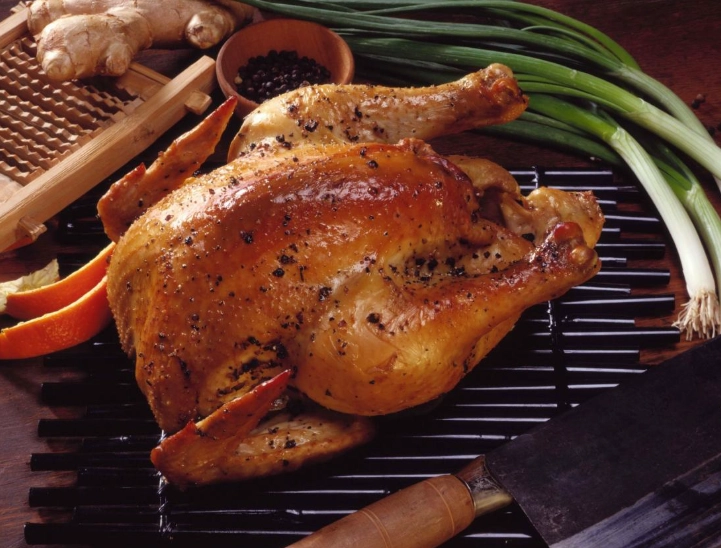
What Exactly Is Dark Meat Chicken? It's Not Just a Color
Most people point to the color and say, "Well, it's the dark parts." That's true, but it misses the why, which is the interesting bit. The dark color comes from a protein called myoglobin. Think of myoglobin as oxygen storage for muscles. Muscles that are used more frequently need more oxygen, so they develop more myoglobin, which gives them a darker, redder hue.
So which parts of the chicken work the hardest? The legs and thighs. A chicken spends its life walking and standing. Those leg muscles are constantly active, developing a richer network of blood vessels and more of that myoglobin. The breast and wings, used mainly for brief bursts (like flapping), are far less active. That's the simple, biological reason your chicken thigh is dark and your breast is white.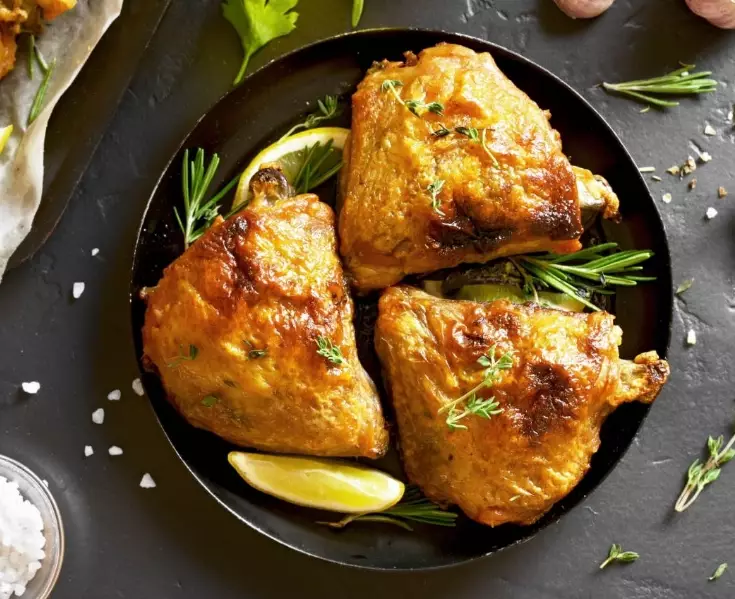
See? It's all about muscle use.
The main cuts that fall under the dark meat chicken umbrella are:
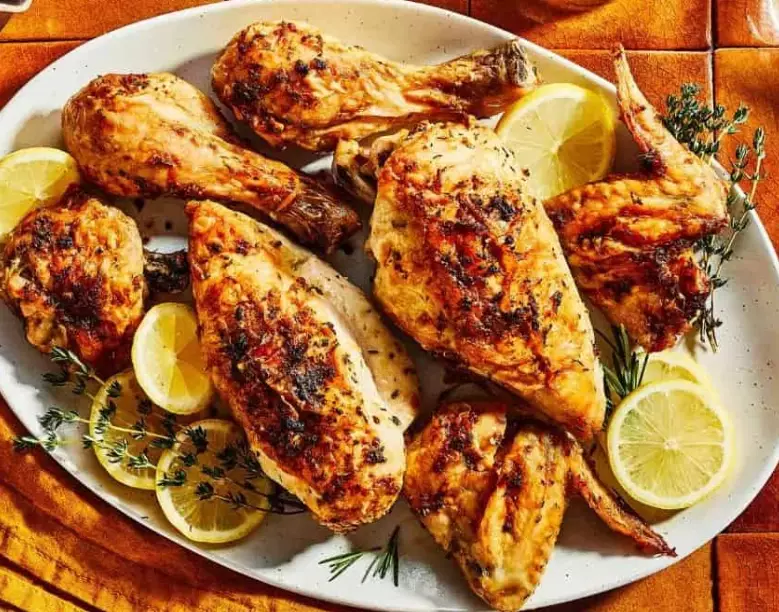
- Thighs: The undisputed king. Boneless, skinless thighs are a weeknight savior. Bone-in, skin-on thighs are for when you want maximum flavor and crispy skin.
- Drumsticks: The classic, fun-to-eat cut. Perfect for grilling, baking, or frying. They have a higher bone-to-meat ratio but are incredibly flavorful.
- Leg Quarters: This is the whole leg—the thigh and drumstick still attached. It's often the most budget-friendly option and fantastic for roasting.
- Whole Legs: Essentially the same as a leg quarter. A butcher might use either term.
Sometimes you'll see wings listed as dark meat, but that's a bit of a gray area. The wing is technically a fast-twitch muscle (like the breast), but the part closer to the body (the drumette) can sometimes have a slightly darker hue. For all practical purposes, when people talk about dark meat chicken, they mean the legs.
Dark Meat vs. White Meat: A Side-by-Side Showdown
It's not a competition, but if it were, dark meat wins on flavor and juiciness every single time. Let's break it down so you can see the real differences. This isn't about good vs. bad; it's about choosing the right tool for the job.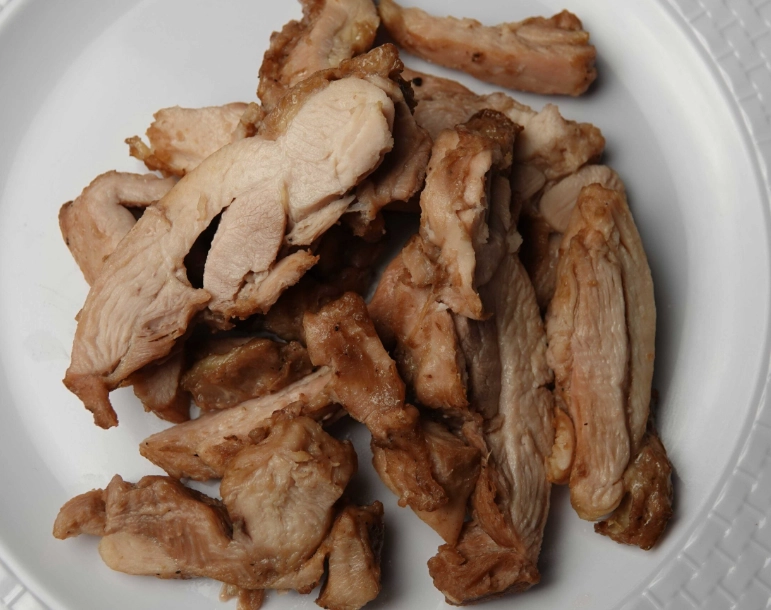
| Characteristic | Dark Meat (Thigh/Leg) | White Meat (Breast) |
|---|---|---|
| Flavor | Rich, robust, deeply "chicken-y." Has a more complex taste. | Mild, subtle, clean. Acts as a canvas for other flavors. |
| Texture & Juiciness | Inherently juicy and tender. Higher fat and connective tissue keep it moist, even if slightly overcooked. | Lean and can become dry/stringy very quickly if overcooked by even a few minutes. |
| Fat Content | Higher. A skinless thigh has about 2-3x the fat of a skinless breast. This fat is where the flavor and moisture live. | Very low. This is why it's prone to drying out and needs careful cooking or added moisture (brining, marinating). |
| Cooking Forgiveness | Extremely forgiving. The fat and collagen render and baste the meat from within. You have a much larger window of "doneness." | Demanding. Requires precise temperature control (usually to 165°F / 74°C) to avoid dryness. Less room for error. |
| Best Cooking Methods | Grilling, braising, roasting, frying, sautéing, slow-cooking. Handles high heat and long cooking times beautifully. | Quick sautéing, grilling (with care), baking (covered or brined), poaching. Best with shorter cook times. |
| Price | Generally more affordable. Thighs and leg quarters are often budget stars. | Typically commands a higher price per pound. |
My personal take? I reach for chicken breasts when I'm making something like a chicken Caesar salad where I want lean, sliced meat. But for probably 80% of my cooked chicken dishes—stews, curries, sheet-pan dinners, grills—dark meat chicken is my go-to. The stress level in the kitchen drops significantly when you know the meat won't turn into shoe leather if you get distracted for five minutes.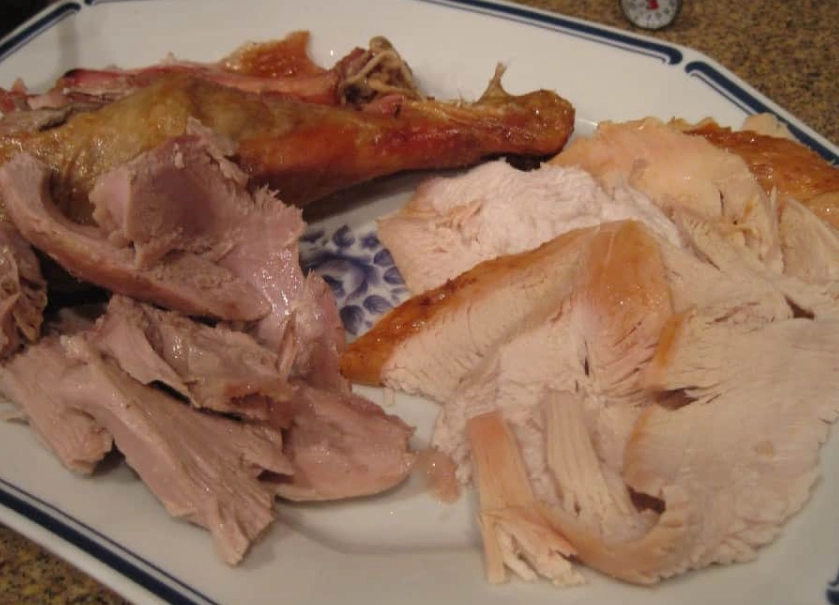
Busting the Biggest Myth: Is Dark Meat Chicken Unhealthy?
This is the elephant in the room. For decades, the message has been "fat is bad" and "white meat is healthier." It's time to clear the air with some nuance.
Yes, dark meat has more fat and calories than white meat. Let's look at a 3.5-ounce (100g) serving of cooked, skinless meat, using data from the USDA FoodData Central as a reliable source:
- Skinless Chicken Breast: ~165 calories, 3.6g fat, 31g protein.
- Skinless Chicken Thigh: ~209 calories, 10.9g fat, 26g protein.
So the thigh has about 45 more calories and 7 more grams of fat. But wait—look at the type of fat. A significant portion of the fat in dark meat chicken is monounsaturated fat, the same heart-healthy fat found in olive oil. It also contains more saturated fat than breast, but within a reasonable amount for a balanced diet.
The protein difference isn't huge either—26g vs. 31g.
Where dark meat really shines is in micronutrients. Because of its higher fat content and different physiology, it contains significantly more of certain vitamins and minerals:
- Iron: Crucial for oxygen transport in your blood. Dark meat has about twice as much heme iron (the easily absorbed kind) as white meat.
- Zinc: Vital for immune function and metabolism. Dark meat is a much better source.
- B Vitamins (especially B2, B6, and B12): Essential for energy production and brain health. Dark meat is packed with them.
The verdict? If you're on an extremely strict, low-fat diet for specific medical reasons, white meat may be prescribed. But for most people eating a balanced diet, the nutritional trade-off of dark meat chicken is excellent. You get more flavor, more juiciness, more cooking forgiveness, and a boost in key nutrients. The slightly higher calorie count is often worth it for the satisfaction factor alone, which can prevent overeating later. Calling it "unhealthy" is a gross oversimplification from the low-fat craze of the 90s.
Mastering the Art of Cooking Dark Meat Chicken
This is the fun part. Cooking with dark meat is liberating. You can use higher heat, longer cook times, and bolder flavors. Here’s how to make the most of it.
Golden Rules for Dark Meat Success
- Embrace the Skin (Sometimes): If you're going for flavor and crispiness, cook it skin-on. Pat the skin bone-dry with paper towels. Season under the skin too. For a crispy finish, start it in a cold pan skin-side down, render the fat slowly, then finish in the oven. If you want to reduce fat, remove the skin before eating—you'll still have juicy meat from the rendered fat during cooking.
- Don't Fear High Heat: The fat protects the meat. Get a good sear on thighs in a skillet. Throw drumsticks directly over the coals on the grill. It can take it.
- Cook to Temperature, Not Just Time: While forgiving, it's still best practice. The USDA safe temperature for all poultry is 165°F (74°C). However, because of its fat, dark meat is still juicy at that temp. Some chefs even pull it at 170-175°F (77-79°C) to further render connective tissue, resulting in fall-off-the-bone tenderness. Use a good digital thermometer.
- Let it Rest: After cooking, let your dark meat chicken rest for 5-10 minutes. This allows the juices, which have been forced to the center by the heat, to redistribute throughout the meat. If you cut right in, all that delicious juice ends up on your cutting board.
Top Cooking Methods, Ranked
Not all methods are created equal. Here's my personal ranking for getting the best out of your dark meat chicken.
Braising & Slow-Cooking: The absolute best. Submerging thighs in a flavorful liquid (wine, stock, tomatoes) and cooking low and slow melts all the connective tissue into gelatin. The result is unbelievably tender, flavor-infused meat. Think coq au vin, chicken cacciatore, or a simple curry. This method is impossible to mess up.
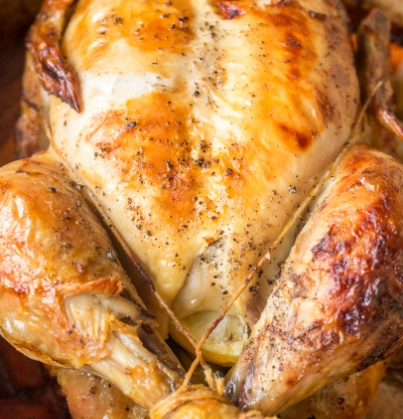
Roasting: A close second. High-heat roasting (around 425°F / 220°C) gives you crispy skin and juicy meat. Toss some root vegetables in the pan drippings. A whole roasted chicken benefits massively from the dark meat staying moist while the breast cooks.
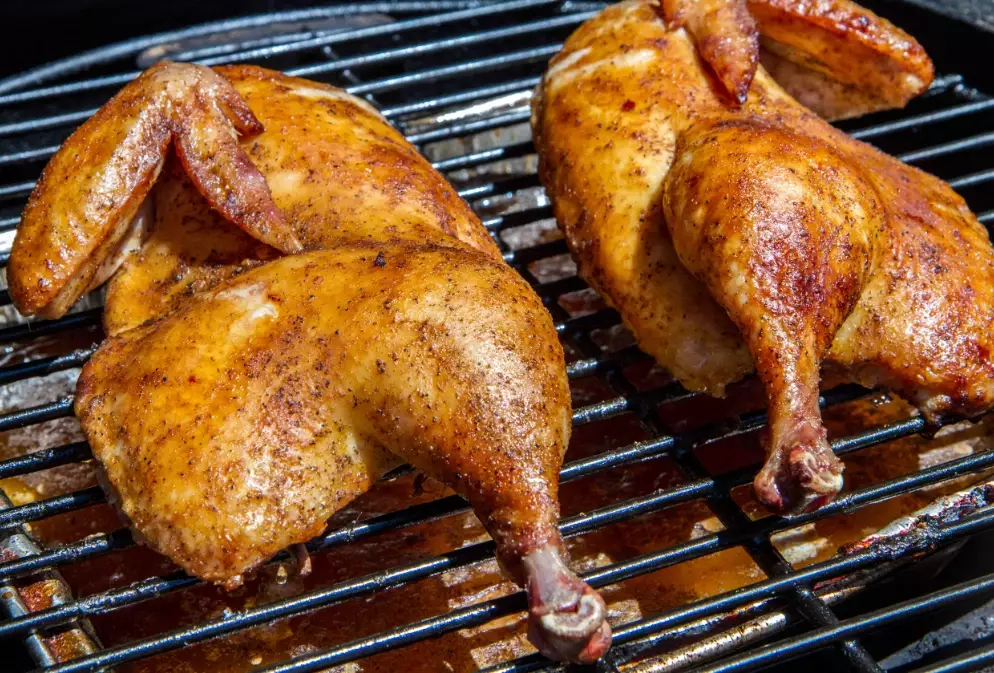
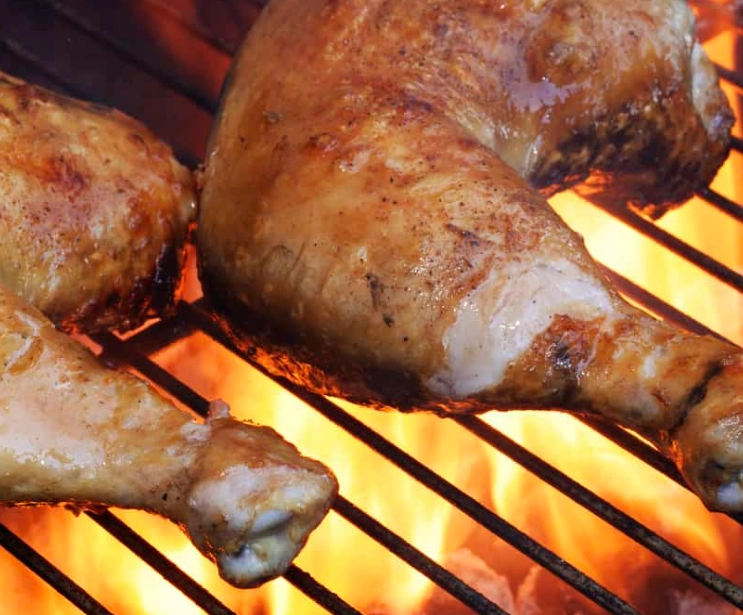
Grilling: Summer perfection. The fat drips onto the coals, creating flavorful smoke that kisses the meat. Drumsticks are ideal for the grill—their shape protects them from drying out. Just watch for flare-ups from the dripping fat.
Pan-Searing/Sautéing: The quickest path to a weeknight dinner. Boneless, skinless thighs cook in under 15 minutes. Slice them up for stir-fries, fajitas, or just serve whole with a pan sauce made from the delicious browned bits (fond) left in the skillet.
Frying is a classic, of course (hello, fried chicken), but it's more of a special occasion technique for me.
Answering Your Burning Questions (FAQ)
My Favorite Simple Dark Meat Chicken Recipe (A Template)
I won't leave you hanging without a starting point. This isn't so much a recipe as a formula. You can't mess it up.
Easy Sheet Pan Chicken Thighs & Veggies
- Heat your oven to 425°F (220°C).
- On a large, rimmed baking sheet, toss chunks of sturdy vegetables (potatoes, carrots, broccoli, onions) with a glug of olive oil, salt, and pepper. Push them to the sides.
- Place 4-6 bone-in, skin-on chicken thighs in the middle of the pan. Pat the skin dry. Rub with a little oil, then season generously with salt, pepper, and any dried herbs you like (paprika, thyme, garlic powder are great).
- Roast for 35-45 minutes, until the veggies are tender and the chicken skin is crispy and the internal temp hits at least 165°F (74°C). No need to flip anything.
- Let rest for 5 minutes. That's it. Dinner is done, with minimal cleanup.
The fat from the chicken thighs will drip onto the vegetables, roasting them in delicious schmaltz (chicken fat). It's a perfect, self-basting system. This is the magic of dark meat chicken—it makes you look like a better cook.
Final Thoughts: Give Dark Meat a Fair Shot
If you've been exclusively a breast person, I challenge you to buy a pack of chicken thighs this week. Try them. Notice how much less you have to worry about the timer. Taste the deeper flavor. Feel the juiciness.
Dark meat chicken isn't a consolation prize; it's a first-choice ingredient for flavorful, reliable, and satisfying meals. It's the workhorse of the chicken world, forgiving for beginners and revered by experienced cooks for its robust qualities. From a nutritional standpoint, it brings valuable nutrients to the table, and from a culinary standpoint, it brings confidence and results.
So next time you're at the meat counter, don't just automatically reach for the breasts. Look at those packages of thighs and leg quarters. Think of the curries, the stews, the crispy skin, the juicy bites. That's where a lot of the real cooking joy is hiding. Your taste buds—and your weeknight dinner routine—will thank you.
Related Articles