The Ultimate Guide to Oven Roasted Whole Chicken
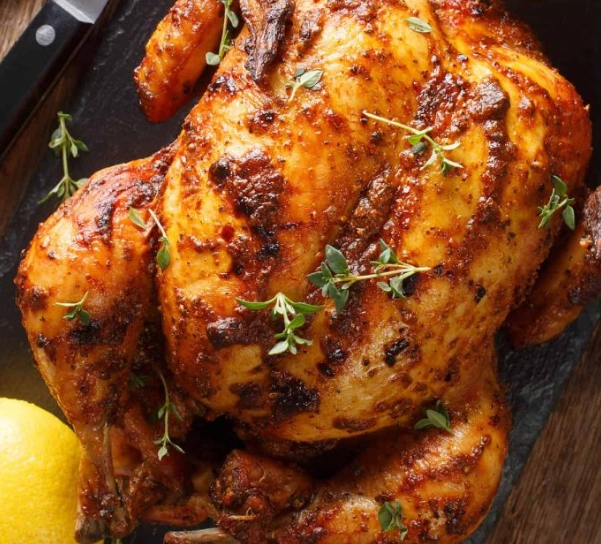
Let's cut to the chase. A perfectly roasted whole chicken, with crackling golden skin and juicy, tender meat, feels like a culinary triumph. It shouldn't be reserved for holidays. The truth is, it's one of the most forgiving and rewarding dishes you can master for a regular Tuesday night. Forget the intimidation. I've roasted hundreds of chickens, messed up plenty along the way, and learned that success hinges on a few non-negotiable steps, not chef-level skills.
This guide is for anyone who's ever ended up with dry breast meat, pale skin, or a bird that's raw near the bone. We're going beyond the basic recipe to the why behind each step. By the end, you'll have a framework, not just a set of instructions, that guarantees a stellar result every single time.
What You'll Learn In This Guide
Why Preparation is 80% of the Battle
You can't fix a bad start in the oven. The work you do in the 24 hours before roasting determines your chicken's destiny.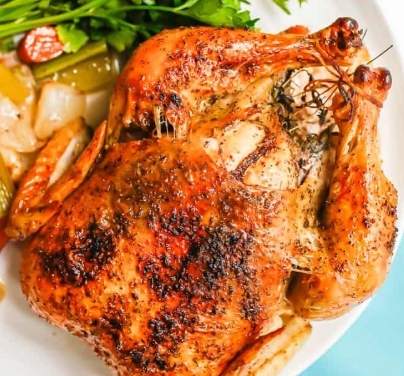
Choosing Your Chicken
Walk into any grocery store and you're faced with a wall of labels: organic, free-range, air-chilled, enhanced (or "seasoned"), conventional. What matters?
Air-chilled birds cost more but are worth it for flavor and texture. The standard water-chilling process leaves the chicken absorbing water. Air-chilling doesn't, resulting in drier skin (a good thing for roasting) and more concentrated chicken flavor. If it's a special occasion, go for it. For a weekly roast, a good conventional bird is fine—just make sure it's not enhanced.
Size matters. A 4 to 4.5-pound chicken is the sweet spot. It feeds four comfortably, cooks evenly, and fits in most pans.
The Dry Brine: Your Secret Weapon
This is the single biggest upgrade you can make, and it's passive. A dry brine—salting the chicken heavily and leaving it uncovered in the fridge—works miracles.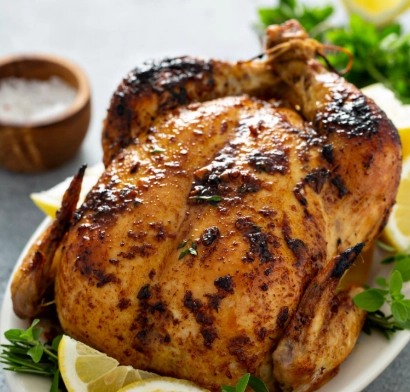
- How: Pat the chicken extremely dry inside and out. Sprinkle about 1 teaspoon of kosher salt per pound all over, getting into the nooks. Place it on a rack over a plate, breast-side up, and leave it uncovered in the fridge for at least 12 hours, up to 48.
- Why it works: The salt seasons the meat deeply, all the way to the bone. It also draws out moisture, which then gets reabsorbed along with the salt, improving the chicken's ability to hold onto juices during cooking. The uncovered fridge air dries the skin surface, which is the key to ultimate crispiness.
I made the mistake of skipping this for years, thinking it was fussy. It's not. It's just planning. The difference in juiciness and seasoned flavor is night and day.
Trussing, Tucking, and Seasoning
Forget fancy trussing with twine. Just tuck the wingtips behind the shoulders (like the chicken is putting its hands behind its head) and tie the legs together with a simple loop of kitchen twine. This creates a more even shape for cooking.
Seasoning under the skin is a pro move. Gently slide your fingers between the skin and the breast meat to loosen it. Rub a little softened butter or oil mixed with herbs (thyme, rosemary) directly onto the meat. This flavors the meat itself and helps the skin crisp.
The Foolproof Roasting Process: Temperatures & Times
Here's where most anxiety lives. Let's demystify it. The biggest rookie mistake? Relying solely on a fixed time. You must use a thermometer.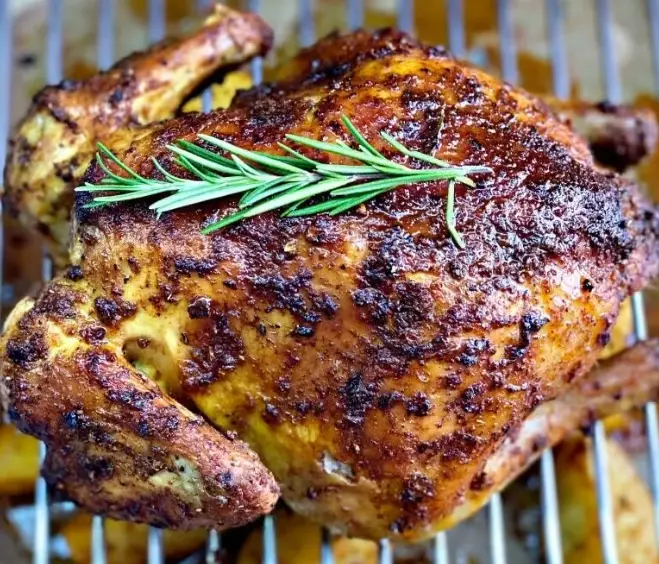
Choosing Your Roasting Method
There are two main schools of thought:
| Method | Process | Result | Best For |
|---|---|---|---|
| High-Heat Blast | Roast at 425°F-450°F (220°C-230°C) for the entire time, usually 50-70 mins. | Super crispy skin, slightly faster cook. Risk of over-browning if not watched. | Weeknight cooks who love crackling skin. |
| Start High, Finish Low | Start at 425°F for 20-30 mins to brown, then reduce to 350°F (175°C) to finish gently. | Excellent, even cooking, very juicy meat, still great skin. More forgiving. | Guaranteed juicy results, especially for larger birds. |
I default to the start-high, finish-low method. It's my safety net. But if I'm in a rush, a straight 425°F roast works fine with a well-dry-brined bird.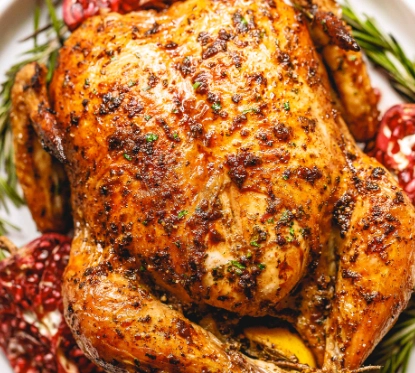
The Flip Technique for Juicy Breasts
Here's a trick you don't see everywhere: start the chicken breast-side down. Roast it like this for the first 30-40 minutes. Why? The fat and juices from the back and thighs pool and baste the breast meat, the part that dries out fastest. Then, carefully flip it breast-side up for the remainder of the cooking time to crisp the skin. It's a game-changer for even juiciness.
When Is It Done? (The Only Rule That Matters)
Forget poking and clear juices as your primary guide. Use an instant-read thermometer. Insert it into the thickest part of the thigh, avoiding the bone. The USDA recommends 165°F (74°C), but I pull mine at 160°F-162°F. The temperature will carry over and rise another 5 degrees while resting, landing you at a perfect, juicy 165°F+.
If the thighs are done but the breast is lagging, it's okay. You can carve the thighs and legs and put the breast section back in for a few minutes.
The Critical Step Everyone Rushes: Resting & Carving
You spent an hour roasting. Don't ruin it by cutting in immediately. Resting is non-negotiable. Transfer the chicken to a cutting board and let it sit, loosely tented with foil, for at least 15-20 minutes. This allows the frantic muscle fibers to relax and reabsorb the juices. If you cut too soon, all that precious liquid ends up on the board, not in your meat.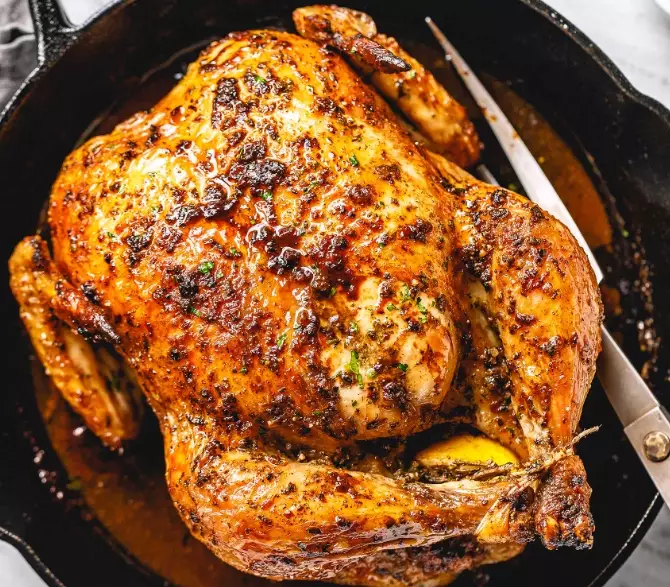
Carving is simpler than it looks. Remove the twine. Use a sharp knife to cut through the skin between the leg and body, pop the thigh joint, and remove the leg quarter. Separate the thigh and drumstick. Slice down each side of the breastbone to remove the breast, then slice it crosswise. Don't forget the "oysters"—those two succulent bits of dark meat on the back. They're the chef's reward.
Simple Sauces & Side Dishes to Complete the Meal
The pan drippings are liquid gold. Pour off most of the fat (save it for potatoes!), scrape up the browned bits (fond), and you have a base for a quick sauce. Add a cup of chicken broth, a splash of white wine, and a spoonful of Dijon mustard. Simmer until slightly thickened. Or, whisk in a knob of cold butter for a glossy, rich pan sauce.
For sides, keep it easy. While the chicken rests, roast some vegetables (carrots, potatoes, Brussels sprouts) in the same oven. Toss them in the chicken fat you saved. A simple green salad with a sharp vinaigrette cuts the richness perfectly.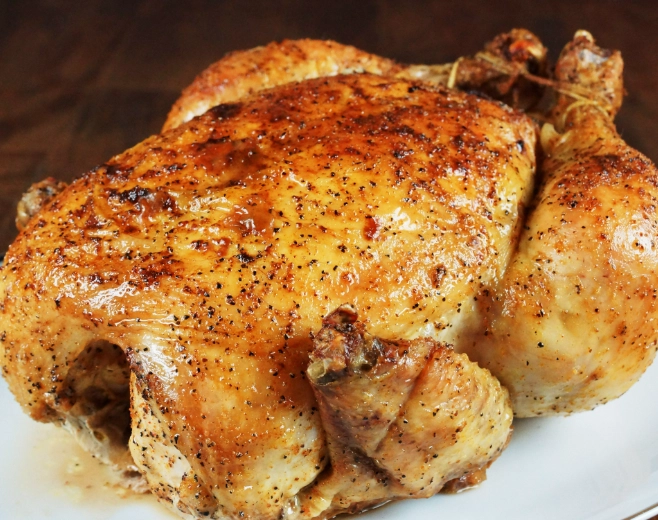
Your Roasted Chicken Questions, Answered
Related Articles