How to Make Perfect Breaded Chicken Strips: A Complete Guide
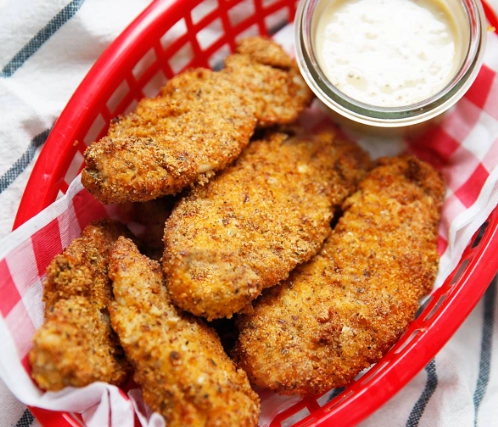
Let's be honest. We've all had that disappointing plate of breaded chicken strips. The kind that promises crispy, juicy joy but delivers a soggy, bland letdown. Maybe it was from a drive-thru, maybe it was your own kitchen experiment. The good news? That doesn't have to be the story. Making incredible breaded chicken strips at home isn't just possible; it's straightforward once you know the few things most recipes gloss over. I'm talking about the kind of strips that are shatteringly crisp on the outside, tender and flavorful inside, and good enough to make you question why you ever bothered ordering them.
Your Quick Guide
The Home Kitchen Blueprint: Step-by-Step, No Fluff
Most recipes just list ingredients and steps. I want to talk about why each step matters. That's the difference between following instructions and understanding the process.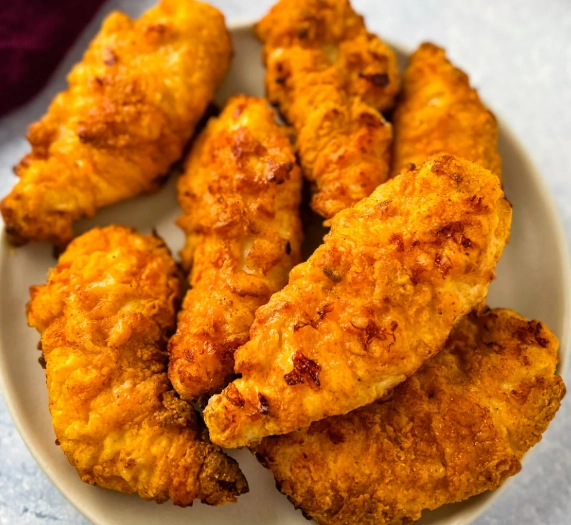
Choosing and Prepping Your Chicken
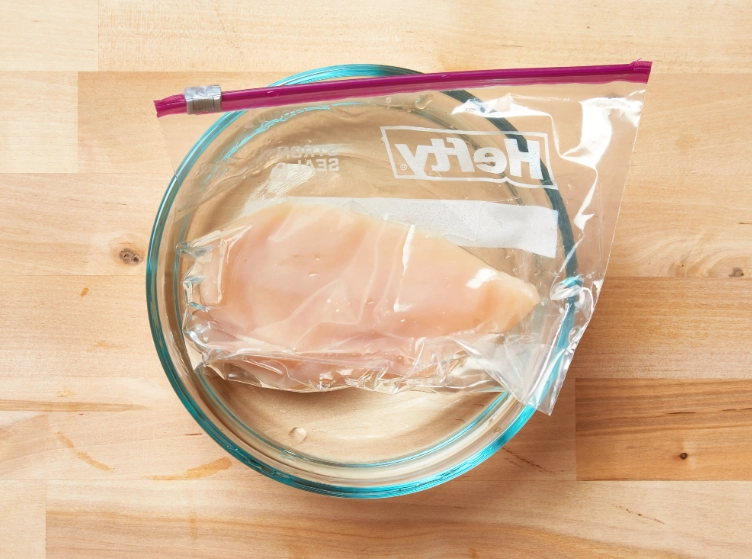
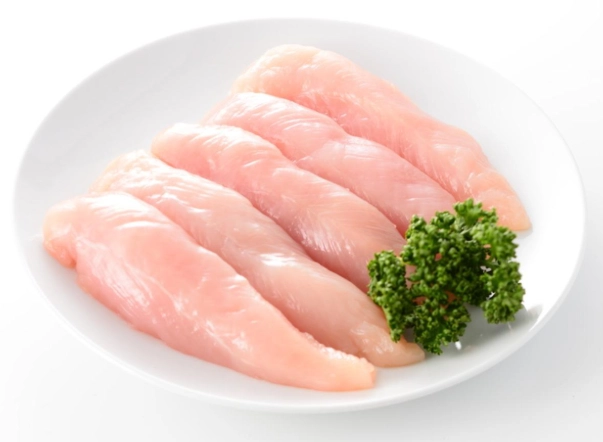
Don't just grab any chicken breast. Look for ones that are relatively even in thickness. If you have a thick, plump breast and a thin, flat one, they'll cook at wildly different rates. I often buy tenderloins specifically for this—they're the perfect size and shape, and they're usually more tender. If you're using breasts, slice them into strips about 1-inch wide. Here's the first pro tip nobody tells you: don't just slice. Pound them gently to an even ½-inch thickness. This ensures even cooking and maximizes the surface area for that delicious crust.
Dryness is your friend. After cutting, lay the strips on paper towels and pat them aggressively dry. Any surface moisture is the enemy of adhesion. Your seasoning and breading will just slide right off a wet chicken strip.
The Breading Station: A Three-Bowl Symphony
The classic setup is flour, egg wash, breadcrumbs. But let's upgrade it.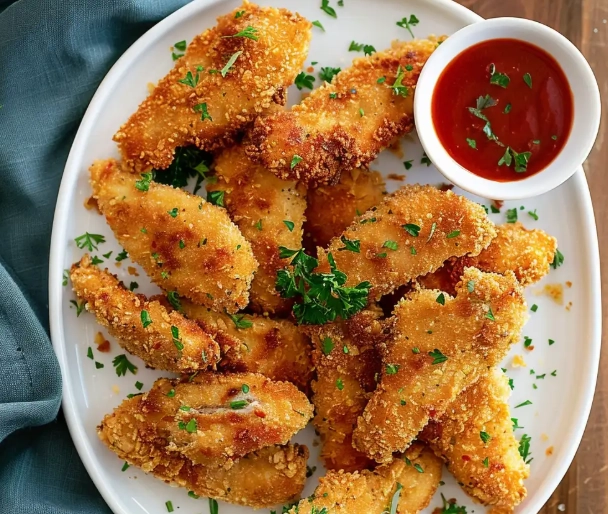
Bowl 1: The Flour. All-purpose flour is fine. But mix your dry seasonings into this flour, not just the breadcrumbs. I use a generous amount of salt, black pepper, garlic powder, onion powder, and a pinch of paprika for color. Seasoning every layer builds flavor.
Bowl 2: The Egg Wash. Whisk 2 large eggs with a tablespoon or two of milk, buttermilk, or even hot sauce. The liquid helps the flour form a paste. The biggest mistake here? Making it too thin. You want a viscous, creamy coating that clings.
Bowl 3: The Breading. This is where personality comes in. Panko breadcrumbs are my go-to for maximum crunch. You can use regular breadcrumbs, crushed cornflakes, or even crushed crackers. For extra flavor, add some grated Parmesan cheese and a bit more of your dry seasoning mix to the crumbs. Keep one hand for dry ingredients and one for wet to avoid ending up with breaded fingers.
The Cooking Method: Fry, Bake, or...?
Pan-Frying (My Preferred Method for Control): Use a neutral oil with a high smoke point—vegetable, canola, or peanut oil. Fill a heavy-bottomed skillet (cast iron is king) with about ½ inch of oil. Heat it to 350°F-375°F. A thermometer isn't optional if you want consistency. Too cold = greasy. Too hot = burnt outside, raw inside.
Gently lay the strips in, don't crowd the pan. Cook for 3-4 minutes per side until deep golden brown. The internal temperature should hit 165°F. The secret to keeping them crisp? Don't drain on paper towels. Place them on a wire rack set over a baking sheet. Paper towels trap steam and create sogginess on the bottom. The rack lets air circulate all around.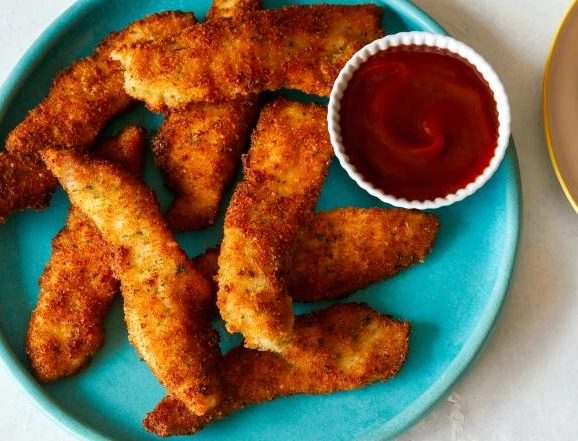
The Overcrowding Trap: This is the #1 reason homemade strips fail. Adding too many strips at once plummets the oil temperature. The breading soaks up oil instead of sealing, and you get a pale, greasy mess. Cook in batches and be patient. Let the oil come back up to temp between batches.
The Restaurant Scene, Decoded: What You're Really Getting
Sometimes you just want someone else to cook. Knowing what to order can save you from a subpar experience. Here’s a quick breakdown of what different places typically offer. This is based on my own tastings and menu research across several chains.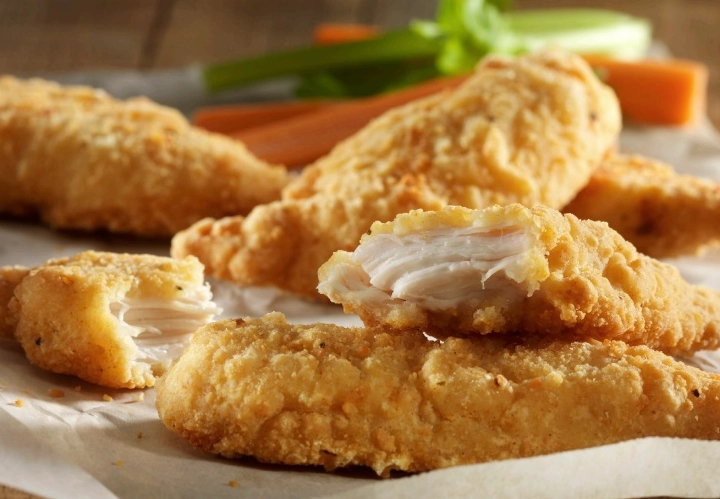
| Restaurant Type | Typical Style | Price Point (for a meal) | The Inside Scoop |
|---|---|---|---|
| Fast Food (e.g., Major Chains) | Thin, uniform strips; often pre-formed or minced chicken; heavily seasoned coating. | $6 - $9 | Consistency is key here, not quality. They're designed to hold in a warmer for a long time, which often sacrifices ultimate crispiness. Ask for them fresh if you can. |
| Casual Dining (e.g., Applebee's, Chili's) | Larger, whole-muscle strips; hand-breaded in-house (sometimes); more varied seasoning profiles. | $12 - $18 | You're more likely to get actual chicken breast here. They might offer a few sauce options beyond honey mustard. Check if they're an appetizer or entrée—portions vary wildly. |
| Specialty Chicken Joints (e.g., Local 'Tenders' Spots) | The main event. Often boasts fresh, never-frozen chicken, unique breading blends, and house-made sauces. | $10 - $15 | This is where you find the passion. Look for places that mention brining or marinating their chicken. It makes a huge difference in juiciness. These are the spots worth seeking out. |
When you're ordering out, here's a trick: ask for the sauce on the side, always. A good strip should stand on its own. Dunking is a choice, not a necessity to make it edible. If the coating slides off the chicken the moment you pick it up, that's a bad sign—it means the breading didn't adhere properly during cooking.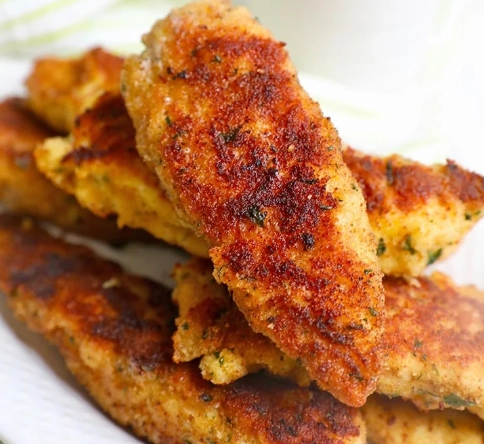
The Air Fryer Alternative: Making It Work
Everyone wants a healthier, less messy option. Air fryers are great, but they treat breaded chicken differently.
You can't just follow a deep-fry recipe. The hot air needs space to circulate, so overcrowding is an even bigger sin. Arrange the strips in a single layer with space between them. Spray or brush them lightly with oil. This is non-negotiable—it helps the breading brown and crisp up. Without it, you get a pale, dry coating.
Cook at 400°F. Timing is usually 10-12 minutes, flipping halfway. But trust the color and the thermometer, not just the clock. They won't get *quite* as uniformly golden as deep-fried, but they can be wonderfully crisp and significantly less oily.
The trade-off? The texture is different. It's a drier, more concentrated crunch versus the lighter, shatteringly crisp texture of oil-frying. Both are good, just different. For a weeknight meal where cleanup is a factor, the air fryer wins every time.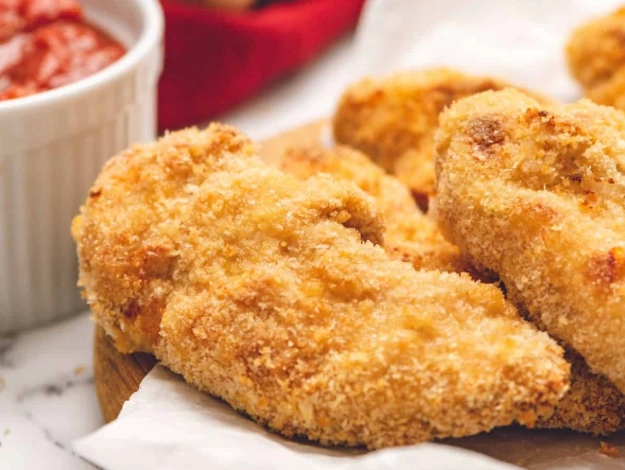
Your Questions, Answered
Related Articles