Thawing Frozen Chicken: Safe Methods & Exact Timelines
What You'll Learn in This Guide
You pull a frozen chicken breast from the freezer an hour before dinner. Panic sets in. How long does frozen chicken take to thaw? Let's skip the fluff—I've been there, and the answer isn't just a number. It's about safety, texture, and avoiding that soggy, half-frozen mess. Based on my years in the kitchen and talking to food safety pros, I'll break it down so you never guess again.
Thawing isn't just about time; it's about keeping bacteria at bay. The USDA stresses that poultry must stay out of the temperature danger zone (40°F to 140°F). Get it wrong, and you risk foodborne illness. Get it right, and your chicken cooks evenly, stays juicy, and tastes great.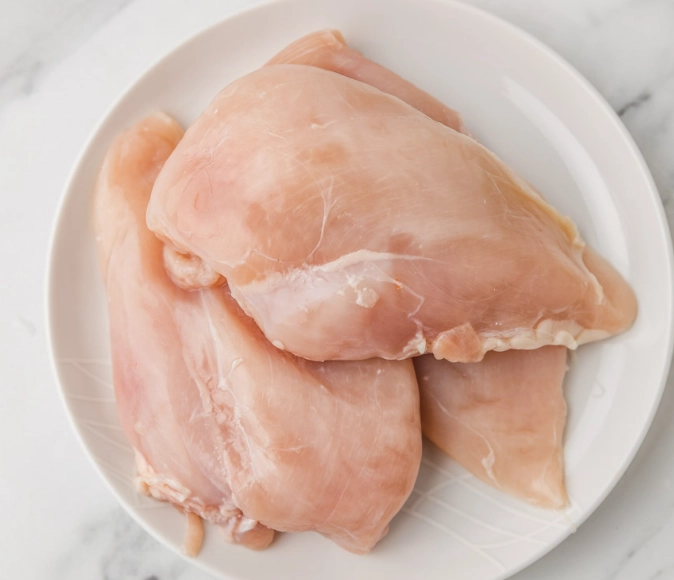
Why Getting Thawing Right Matters
Most people focus on speed, but safety and quality are the real goals. Thawing frozen chicken improperly can lead to two big problems: bacterial growth and texture ruin.
Bacteria like Salmonella and Campylobacter love warm spots. If you leave chicken on the counter, the outside warms up while the inside stays frozen. That's a breeding ground. I once made that mistake with a pack of thighs—thought a few hours on the counter would be fine. Dinner was delayed, and I ended up tossing them after reading up on guidelines from the USDA's Food Safety and Inspection Service.
Texture-wise, uneven thawing means uneven cooking. You might end up with dry edges and a raw center. No one wants that.
The Three Safe Thawing Methods Explained
There are only three methods recommended by food safety experts: refrigerator thawing, cold water thawing, and microwave thawing. Each has its place, and I've used them all in different situations.
Refrigerator Thawing: The Gold Standard
This is the safest way. You put the frozen chicken in the fridge and let it thaw slowly. It keeps the chicken at a safe temperature (below 40°F) the whole time.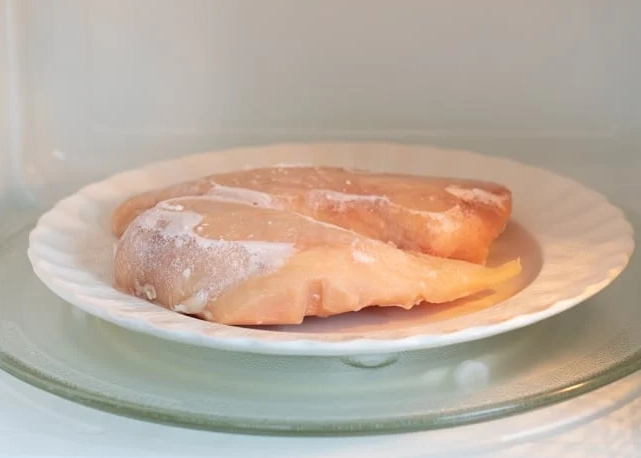
How it works: Place the chicken, still in its packaging or a sealed bag, on a plate or tray to catch drips. Set it on a shelf where it won't touch other foods. Your fridge should be at 40°F or colder.
I rely on this for meal prep. If I know I'm cooking chicken on Wednesday, I move it from the freezer to the fridge on Monday night. It's foolproof, but it requires planning.
Cold Water Thawing: The Quick Alternative
When you forget to plan ahead, this method saves the day. It's faster than the fridge but still safe if done correctly.
Steps: Seal the chicken in a leak-proof plastic bag. Submerge it in a bowl or sink of cold water. Change the water every 30 minutes to keep it cold. Don't use warm water—it pushes the chicken into the danger zone.
I've used this for last-minute dinners. A pound of chicken breasts takes about 1-2 hours. It's more hands-on, but it works.
Microwave Thawing: The Last Resort
Microwaves are fast but tricky. They can start cooking the chicken, leading to dry spots. Only use this if you're cooking the chicken immediately after.
How to do it: Use the defrost setting on your microwave, based on weight. Stop and check frequently. Rotate or separate pieces to ensure even thawing.
I avoid this method for anything but small cuts. Once, I microwaved chicken thighs and ended up with rubbery edges—not pleasant.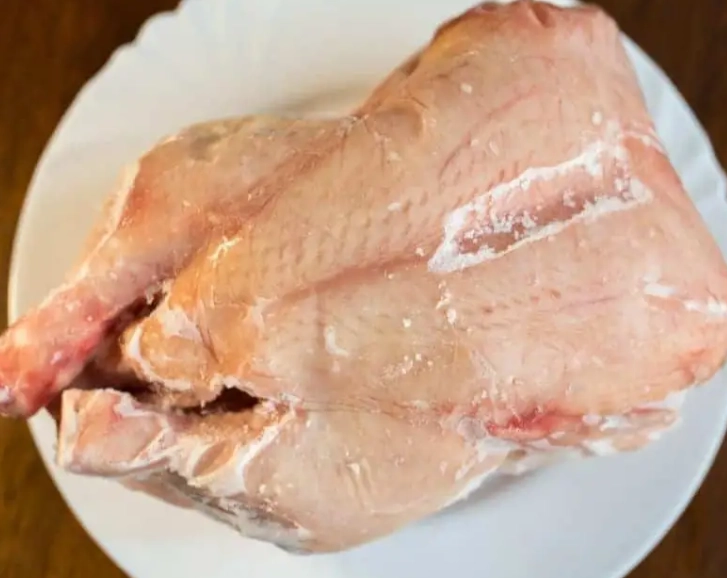
How Long It Takes: A Detailed Timeline
Time varies by method and chicken type. Here's a table based on my experience and data from sources like the FDA's food safety guidelines.
| Chicken Type (Weight) | Refrigerator Thawing Time | Cold Water Thawing Time | Microwave Thawing Time |
|---|---|---|---|
| Boneless breasts (1 lb) | 12-24 hours | 1-2 hours | 5-8 minutes |
| Bone-in thighs (2 lbs) | 24-36 hours | 2-3 hours | 10-15 minutes |
| Whole chicken (5 lbs) | 24-48 hours | 3-5 hours | Not recommended |
| Ground chicken (1 lb) | 12-18 hours | 1-1.5 hours | 4-6 minutes |
These are estimates. Your fridge temperature, water temperature, and microwave wattage can change things. For refrigerator thawing, I always add a few extra hours—better safe than sorry.
Let's say you have a 3-pound pack of chicken wings. In the fridge, it might take 18-24 hours. In cold water, plan for 2.5-4 hours. Microwaving? Maybe 8-12 minutes, but you'll need to cook them right away.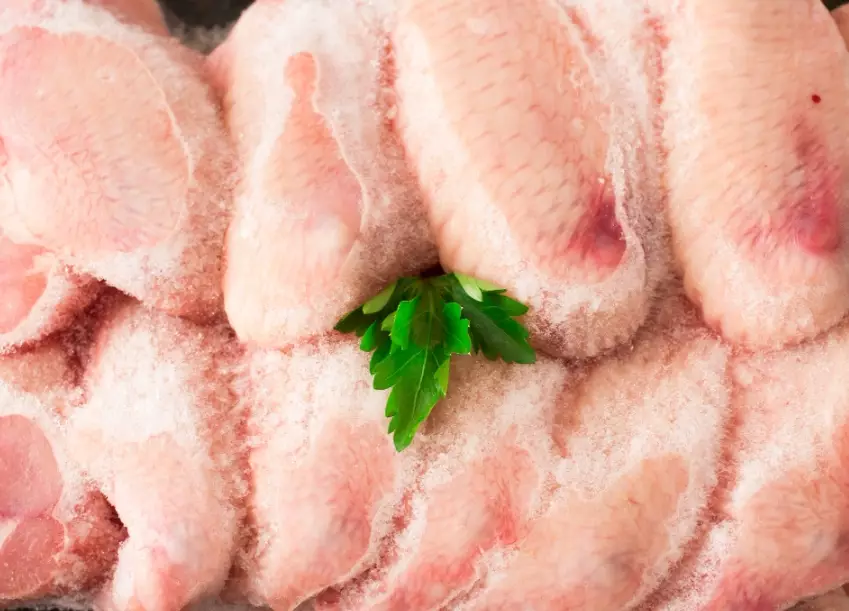
What Changes Thawing Time?
It's not just about weight. Several factors play a role, and most guides overlook these nuances.
- Packaging: Chicken in a thick vacuum-sealed bag thaws slower than in a thin plastic wrap. I've noticed a difference of a couple hours sometimes.
- Shape and size: A thick, whole chicken breast takes longer than thin cutlets. Bone-in pieces slow things down because bones act as insulators.
- Temperature of your environment: If your fridge is set to 35°F, thawing might be slower than at 40°F. Cold water thawing depends on how cold your tap water is—in winter, it might be faster.
- Air circulation: In the fridge, placing chicken near the back where it's colder can extend time. I once had a whole chicken take 60 hours because my fridge was packed.
A common myth: adding salt to water speeds up thawing. It doesn't make a significant difference for safety or time. Stick to plain cold water.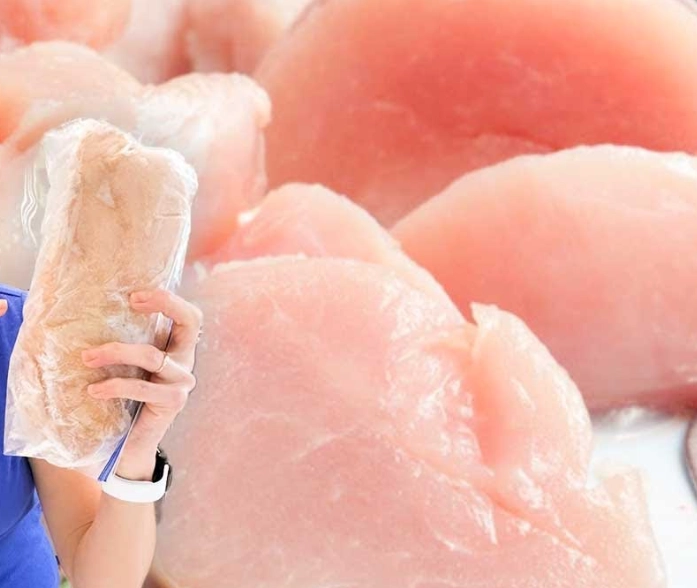
Mistakes You Might Be Making
After talking to home cooks, I've seen patterns. Here are errors that can ruin your chicken.
Thawing on the counter. This is the big one. I know it's tempting—you think, "It's just for a few hours." But bacteria double every 20 minutes in the danger zone. Even if the chicken looks thawed, the center might be frozen, creating unsafe temperatures. Just don't do it.
Using hot water. Some people run hot water over the bag to speed things up. Hot water can cook the surface, making it tough, and it pushes the chicken into the danger zone. Cold water only.
Not changing water during cold water thawing. If you leave the same water, it warms up. Change it every 30 minutes to keep it cold. I set a timer on my phone to remind me.
Refreezing thawed chicken. You can refreeze chicken if it was thawed in the fridge and hasn't been out too long, but quality suffers. The texture becomes mushy. I avoid it unless absolutely necessary.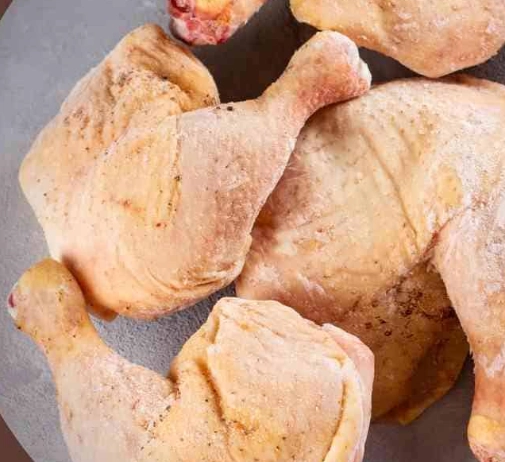
Ignoring drip contamination. Thawing chicken can leak juices that contain bacteria. Always use a plate or tray in the fridge, and clean surfaces afterward. I've seen cross-contamination happen in shared fridges.
Your Thawing Questions Answered
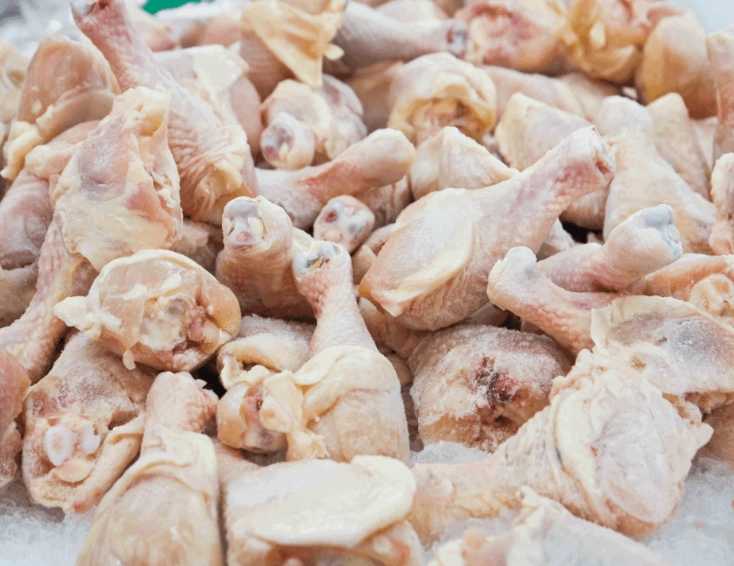
Thawing frozen chicken doesn't have to be a mystery. Plan ahead with the fridge, use cold water for speed, and avoid the counter at all costs. Keep a meat thermometer handy—it's your best friend for safety. Next time you reach for that frozen pack, you'll know exactly how long it takes and why it matters. Happy cooking!
Related Articles