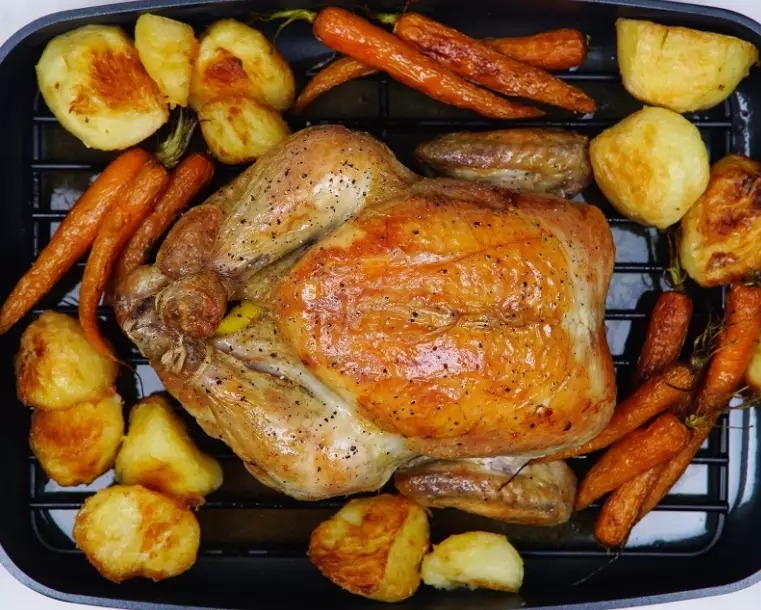
The Ultimate Guide to a Perfectly Juicy Whole Baked Chicken
Let's be honest. The idea of a whole baked chicken can be intimidating. It feels like a Sunday dinner centerpiece, something that requires culinary confidence and hours of monitoring. But what if I told you the secret to the most succulent, flavor-packed, and impressively golden bird isn't a secret at all? It's a simple, almost foolproof method that hinges on one thing most home cooks overlook: patience, not complexity.
I learned this the hard way. Years ago, my "special occasion" roast chicken was a gamble. Sometimes it was decent, often it was dry, and the skin was never quite right. I tried brining, basting, fancy herb butters, and even spatchcocking (which, while effective, felt like a wrestling match). Then, a chef friend watched me fuss over the bird and said, "You're trying too hard. The oven is doing the work. Let it." He introduced me to the high-heat method, and it changed everything.
This isn't just another recipe. It's a blueprint for a foundational kitchen skill that yields not just dinner, but leftovers for salads, sandwiches, and soups. A perfectly baked whole chicken is economical, versatile, and frankly, a quiet boast of domestic prowess. We're going to strip away the mystery and walk through every step, from selecting your bird to carving it like a pro.
What You'll Learn
- Why a Whole Baked Chicken is a Kitchen Power Move
- The Chicken Itself: Picking Your Bird
- The Non-Negotiable Prep Work (The Key to Crispy Skin)
- Seasoning Deeply: More Than Just Salt and Pepper
- To Truss or Not to Truss? (And Why It Matters)
- The Magic Numbers: Temperature & Time Guide
- Carving Without Chaos: A Simple Guide
- Troubleshooting: Dry Chicken, Pale Skin, and Other Woes
Why a Whole Baked Chicken is a Kitchen Power Move
Before we get our hands dirty, let's talk about why this is worth your time. A whole baked chicken is the definition of a culinary win-win. It's arguably the most cost-effective way to buy protein. It feeds a crowd or provides multiple meals for a family. The carcass becomes golden stock. It’s naturally impressive with minimal effort. And the flavor? When done right, it's unmatched—juicy meat, crispy skin, and a pan of drippings that are liquid gold for gravy or potatoes.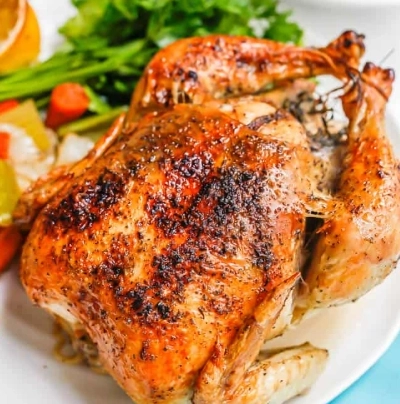
The common fear is dry, bland meat. I get it. A bad roast chicken is a sad affair. But the culprit is almost always the same: overcooking. We'll solve that with science, not guesswork.
The Chicken Itself: Picking Your Bird
You can't build a great house on a bad foundation. Start with a good chicken.
Size & Type: A 3.5 to 4.5 pound chicken is the sweet spot. It cooks evenly and fits in most pans. Look for a bird labeled "air-chilled" if you can find it; it tends to have crispier skin. Organic or free-range often means better flavor and texture, but a standard bird will still be delicious.
The Feel Test: The skin should be taut, not slimy. The package should have no tears. Check the sell-by date. A plump bird is a happy bird.
To Brine or Not to Brine? A quick brine (1/4 cup salt dissolved in 4 cups water for 1-4 hours) can work wonders for juiciness, especially with leaner birds. But if you're short on time, a generous dry salt rub (kosher salt) all over and inside the cavity at least 45 minutes before cooking is the next best thing. This "dry brine" pulls moisture to the surface, which then gets reabsorbed, seasoning the meat deeply and helping it retain juices.
The Non-Negotiable Prep Work (The Key to Crispy Skin)
This is where the magic starts. Rushing prep is the first step to a mediocre chicken.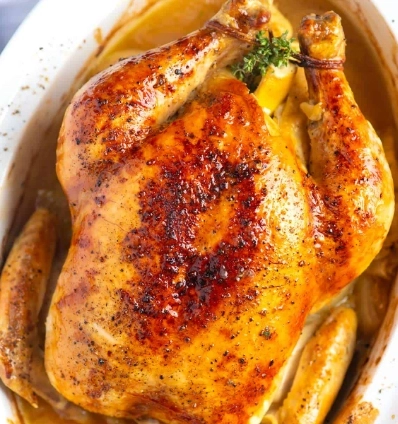
1. The Temperature Equalizer
Take your chicken out of the fridge at least 45 minutes, ideally an hour, before cooking. A cold bird going into a hot oven will cook unevenly. The outside overcooks while the inside struggles to catch up. Room temperature meat cooks more uniformly. Pat it completely dry with paper towels—inside and out. Wet skin steams; dry skin crisps. This is non-negotiable.
2. To Truss or Not to Truss? (And Why It Matters)
Trussing—tying the legs together—isn't just for looks. It promotes even cooking by creating a compact shape. The wings should be tucked under. But here's my take: don't stress about fancy butcher's twine. If you have it, great. If not, just tie the legs together with any kitchen-safe string. The goal is to keep the legs from splaying, which can cause the breast to overcook.
3. The Pan & Rack Setup
Use a roasting pan or a heavy-duty baking sheet. A wire rack is ideal, as it allows hot air to circulate around the entire bird. No rack? Create a "nest" with roughly chopped onions, carrots, and celery. This lifts the chicken and lets the fat drip away, and the vegetables flavor the drippings.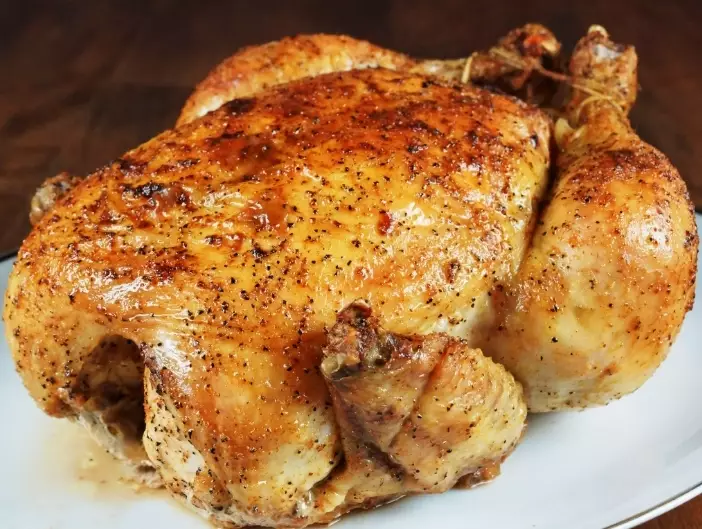
Seasoning Deeply: More Than Just Salt and Pepper
Seasoning a whole chicken is an opportunity. You have a large canvas. Be generous.
The Foundation: Kosher salt and freshly ground black pepper. Get it everywhere—the cavity, under the skin on the breasts and thighs, and all over the outside. For a 4-pound chicken, I use about 1 tablespoon of salt total.
Fat is Flavor: Rub the entire bird with a neutral oil with a high smoke point—grapeseed, avocado, or even a mild olive oil. This helps the seasoning stick and promotes browning.
Herbs & Aromatics: This is where you can personalize. A classic combination is a halved lemon, a few smashed garlic cloves, and a bundle of thyme and rosemary stuffed in the cavity. Under the skin, you can slide thin slices of lemon or fresh herbs. It perfumes the meat from the inside.
The Spice Route (Optional but Rewarding): A blend like paprika, garlic powder, and a touch of cayenne shaken over the oiled skin adds another dimension.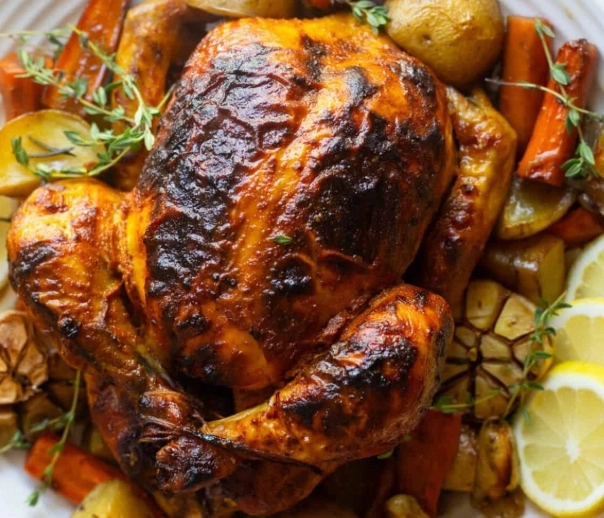
Don't forget the bottom. Season the vegetables in the pan too. They'll caramelize in the chicken fat.
The Main Event: How to Bake a Whole Chicken
Preheat your oven to 425°F (220°C). Place your prepared chicken on the rack in the pan, breast-side up. The high initial heat is crucial. It shocks the skin, causing it to contract and crisp up quickly, sealing in the juices.
There's a lot of debate about basting. I've done side-by-side tests, and for a high-heat method like this, opening the oven to baste loses too much heat and can actually hinder crisping. The chicken creates its own juices. Trust the process.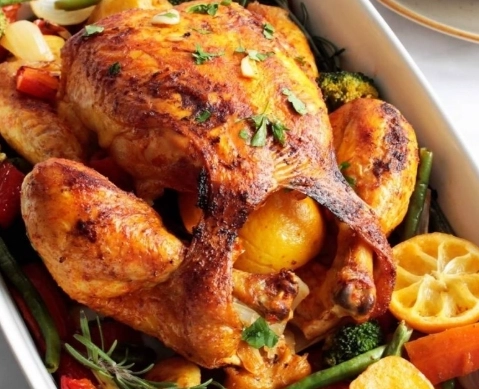
Roast until the skin is deep golden brown and crispy. Start checking at the 50-minute mark. The safest way to know it's done is with a good instant-read thermometer.
Target Temperatures:
- Breast: 160-165°F (71-74°C)
- Thigh: 175°F (79°C)
Insert the thermometer into the thickest part of the breast and thigh, avoiding bone. Remember, the temperature will rise another 5-10 degrees as it rests.
The Rest (Don't You Dare Skip This)
When your chicken hits temperature, take it out. Transfer it to a cutting board. Do not cut into it. Tent it loosely with foil and let it rest for 15-20 minutes. This is when the magic happens. The juices, which have been driven to the center by the heat, redistribute throughout the meat. Cutting too soon is the number one reason for dry chicken. Let it be.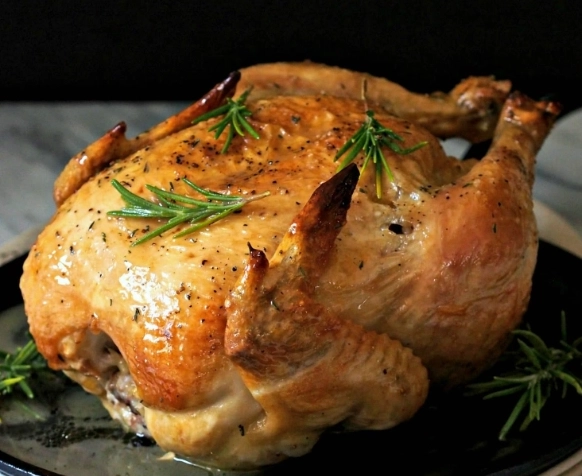
Carving Without Chaos: A Simple Guide
Resting done? Let's carve. A sharp knife is your best friend. A dull knife is dangerous and crushes the meat.
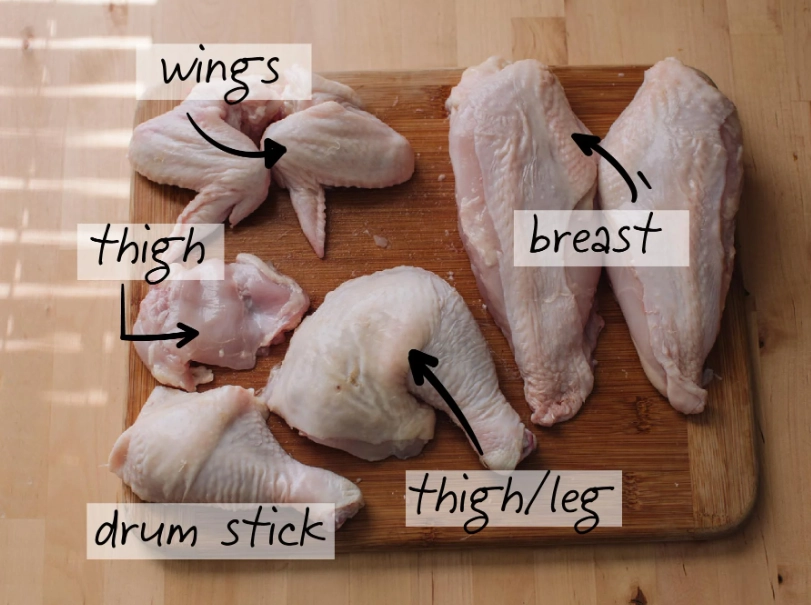
- Remove the Legs: Pull a leg away from the body and slice through the skin and joint. Repeat.
- Find the Breastbone: Make a long cut along one side of the breastbone. Gently peel the breast meat away from the bone.
- Slice the Breast: Place the breast skin-side up and slice against the grain into even pieces.
- The Wings: They usually come off with a gentle twist and cut at the joint.
There's no single "right" way. Find what feels comfortable. The goal is tidy pieces and minimal frustration.
Troubleshooting: Dry Chicken, Pale Skin, and Other Woes
Even with a guide, things can go sideways. Here's how to fix them.
| Problem | Likely Cause | The Fix |
|---|---|---|
| Dry, stringy meat, especially the breast | Overcooking. You relied on time, not temperature. | Invest in a good instant-read thermometer. It's the single best tool for meat cooking. |
| Skin is pale, flabby, not crispy | The oven wasn't hot enough, or the skin was wet when it went in. | Ensure proper preheating and pat the chicken completely dry before seasoning. |
| Burnt skin but undercooked inside | Oven temperature is too high, or the chicken was too close to the heating element. | Verify your oven temperature with a separate oven thermometer. Rack position matters—keep it in the middle. |
| Seasoning tastes bland, only on the surface | You didn't season under the skin or inside the cavity. | Next time, be bold. Get seasoning into every nook. The dry-brine method mentioned earlier helps seasoning penetrate. |
Flavor Variations: Beyond the Basic Roast
Once you've mastered the basic method, the world is your oyster (or, well, your chicken). Here are two roads you can go down.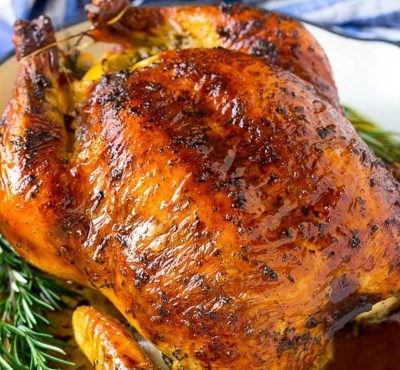
The Lemon-Herb Brightness
This is a classic for a reason. It's bright, fresh, and feels clean. Use the herbs you like—parsley, dill, chives. A little grated garlic under the skin goes a long way.
The Spice-Rubbed Comfort
This is for when you want something with more warmth and depth. A blend of smoked paprika, cumin, coriander, and a touch of cinnamon creates a deeply fragrant bird. A splash of vinegar in the pan drippings can cut through the richness.
What to Do With Your Perfectly Baked Chicken
The first meal is the roast dinner with vegetables and maybe some bread to soak up the juices. But the beauty of a whole chicken is the afterlife.
Meal Prep Magic: Shred the leftover meat for salads, sandwiches, wraps, or tacos throughout the week. It's a guaranteed way to make weekday lunches feel special.
Don't Toss the Carcass! This is the biggest rookie mistake. Throw the bones, skin, and any leftover pan vegetables into a pot. Cover with water, add a splash of vinegar (which helps extract minerals from the bones), and simmer for 4-24 hours. Strain, and you have the best homemade chicken stock you'll ever taste. It freezes beautifully.
The final secret? There isn't one. It's just a series of small, intentional choices—drying the skin, seasoning generously, trusting the thermometer, and letting it rest. These steps build upon each other to create a result that feels like magic but is rooted in simple kitchen science.
So go find that chicken. Pat it dry. Be generous with the salt. And let your oven do what it does best. You've got this.
Related Articles