The Health Benefits of Chicken: A Complete Guide to Nutrition & Wellness
Your Chicken Health Guide
- Chicken 101: The Nutritional Foundation
- The Core Health Benefits of Chicken, Explained
- Navigating the Supermarket: How to Choose the Best Chicken
- Cooking Matters: Maximizing the Health Benefits
- Answering Your Questions: The Chicken FAQ
- The Other Side of the Coin: Considerations and Potential Downsides
Let's be honest, when you think about healthy eating, chicken probably pops into your head pretty quickly. It's that staple protein sitting in fridges everywhere, from bodybuilders to busy families. But beyond just being a "lean meat," what are the actual, tangible health benefits of chicken? Is it all it's cracked up to be, or are we just following the crowd? I remember when I first started paying attention to my diet, I'd just grill a chicken breast because everyone said to. I didn't really know why.
Turns out, there's a lot more to it. The health benefits of chicken aren't just about low fat—though that's part of it. It's a package deal involving protein quality, a bunch of vitamins you might not think about, and how it fits into a sustainable, healthy lifestyle. It's also not without its controversies and things to watch out for. So, let's dig in and move past the basics. We'll look at the science, the practical stuff, and even tackle those questions you might be too hesitant to ask, like whether the antibiotics in some chicken are a real concern.
Bottom Line Up Front: Yes, chicken is genuinely healthy for most people. Its core value lies in being an excellent source of complete protein and key B-vitamins, all while being relatively low in saturated fat (especially if you choose the right cuts). But the full spectrum of health benefits depends heavily on the quality of the chicken, how you prepare it, and what you eat it with.
Chicken 101: The Nutritional Foundation
You can't talk about the health benefits of chicken without knowing what's actually in it. It's not a magical food, but its nutrient profile is impressively efficient. Think of it as a nutritional multitasker.
The star of the show, without a doubt, is the protein. A 3-ounce (85-gram) cooked, skinless chicken breast packs about 26 grams of protein. That's over half the daily recommended intake for an average adult. And this isn't just any protein—it's a "complete" protein, meaning it contains all nine essential amino acids our bodies can't make on their own. These are the building blocks for everything from your muscles and enzymes to your immune system's antibodies. Organizations like the U.S. Department of Agriculture (USDA) maintain extensive databases on this, and chicken consistently ranks as a top-tier source.
But it's not a one-trick pony. The health benefits of chicken extend into its vitamin and mineral content. It's particularly rich in B vitamins:
- Niacin (B3): Crucial for converting food into energy and keeping your nervous system and skin healthy. A single serving can provide a huge chunk of your daily needs.
- Vitamin B6: Plays a vital role in brain development, immune function, and protein metabolism.
- Vitamin B12: Essential for red blood cell formation and neurological function, and it's primarily found in animal products.
You also get a good dose of minerals like phosphorus for strong bones and teeth, selenium—a powerful antioxidant that supports thyroid function—and smaller amounts of iron, zinc, and magnesium.
So, it's a nutrient-dense package. But here's where people get tripped up.
Skinless vs. Skin-On: The Fat Factor
This is a major point of confusion. The skin is where a large amount of the saturated fat in chicken resides. Now, dietary science is always evolving, and the role of saturated fat is complex. But most major health bodies, like the American Heart Association, still recommend limiting it to reduce the risk of heart disease.
Choosing skinless chicken breast is one of the leanest moves you can make. Dark meat (thighs, legs) is naturally higher in fat, some of it saturated, but it's also more flavorful and moist. It's not "unhealthy," but if your primary goal is minimizing saturated fat and calories, breast meat wins. Personally, I find skinless breast can be dry if overcooked, which is a common kitchen fail. The trick is not to overcook it! A good meat thermometer is your best friend here.
Let's put some numbers on it. This table breaks down the key differences between a skinless breast and a skinless thigh, based on data from the USDA FoodData Central.
| Nutrient (per 100g cooked) | Skinless Chicken Breast | Skinless Chicken Thigh |
|---|---|---|
| Calories | 165 kcal | 209 kcal |
| Protein | 31g | 26g |
| Total Fat | 3.6g | 10.9g |
| Saturated Fat | 1.0g | 3.0g |
| Niacin (B3) | 14.8 mg (92% DV) | 6.5 mg (41% DV) |
See the trade-off? Breast is leaner and has more protein and niacin per gram. Thigh has more fat (which carries flavor and vitamins A and K), and some people prefer the texture. Neither is "bad"; it's about your personal health goals and taste.
The Core Health Benefits of Chicken, Explained
Okay, so we know what's in it. But what does that actually do for you? Let's connect the dots between those nutrients and real-world wellness.
Muscle Building and Maintenance
This is the most famous of the health benefits of chicken. That high-quality, complete protein is like sending raw materials directly to your body's repair and construction sites. After exercise, your muscles have micro-tears that need protein to heal and grow stronger. As we age, we naturally lose muscle mass (a process called sarcopenia), and adequate protein intake is critical to slow that down. Chicken provides a convenient, efficient source. It's no wonder it's a gym bag staple. But you don't need to be a bodybuilder to benefit—anyone who wants to stay strong and mobile needs this.
Weight Management and Satiety
Here's a benefit that doesn't get enough airtime. Protein is incredibly satiating. It makes you feel fuller, longer, compared to fats and carbohydrates. When you include a good source of protein like chicken in your meal, you're less likely to be rummaging through the snack cupboard an hour later. This can naturally help you regulate your calorie intake without feeling deprived. A study published by resources like the Harvard T.H. Chan School of Public Health often highlights the role of lean protein in healthy weight management strategies.
My Experience: When I switched from a carb-heavy lunch to one centered around a lean protein like chicken with lots of veggies, my afternoon energy crashes and cravings for sweets virtually disappeared. It wasn't a magic pill, but it made sticking to healthier choices way easier.
Bone Health (The Unsung Hero)
We always talk about dairy for bones, but protein is a key player too. Your bones are about 50% protein by volume. Adequate protein intake is necessary for maintaining bone mass and strength. Chicken provides that protein along with phosphorus, a mineral that teams up with calcium to form the hard structure of bones and teeth. Neglecting protein can be just as detrimental to bone health as neglecting calcium.
Metabolic and Cellular Support
Remember those B vitamins? They're coenzymes, meaning they help enzymes in your body do their jobs. Niacin and B6 are pivotal in metabolizing the food you eat into usable energy. So, the health benefits of chicken include helping your body efficiently run its power plants. Selenium, that antioxidant mineral, helps protect your cells from damage caused by free radicals. It's like having a little cellular maintenance crew funded by your dinner.
Immune Function and Healing
Protein is essential for building antibodies and immune system cells. Zinc, found in chicken (especially dark meat), is a well-known immune-booster. When you're sick or recovering from an injury, your protein needs actually increase. That's why chicken soup is more than just an old wives' tale—it provides fluids, electrolytes, and the protein/ nutrients needed for repair. There's a reason it's comfort food.
Navigating the Supermarket: How to Choose the Best Chicken
All these health benefits of chicken can be undermined if you start with a low-quality product. The labels are confusing—free-range, organic, natural, antibiotic-free. What matters?
First, the basics. Look for plump, firm flesh with a pinkish color (not gray or yellow) and no off-odors. But the label tells the deeper story.
- Organic (USDA Certified): This is the gold standard in terms of regulations. The chickens must be fed 100% organic feed, given no antibiotics ever, and have access to the outdoors. It often means better animal welfare and potentially lower exposure to certain chemicals. It's also more expensive.
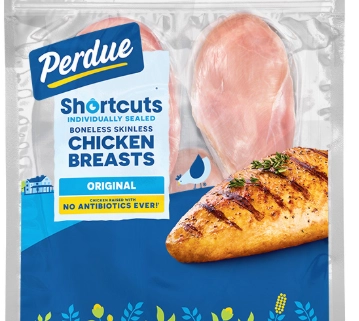
- No Antibiotics Ever / Raised Without Antibiotics: This is a big one for many people concerned about antibiotic resistance. It means the bird was never given antibiotics, even if it got sick (in which case it would be removed from the supply chain). The World Health Organization (WHO) has repeatedly flagged antibiotic resistance as a major global health threat, so reducing demand for meat raised with routine antibiotics is a public health plus.
- Natural: This is almost meaningless. It simply means the product contains no artificial ingredients and is minimally processed. All fresh chicken qualifies.
- Free-Range / Pasture-Raised: These imply access to the outdoors, but the standards are loose. "Free-range" just means some access for an unspecified time. "Pasture-raised" is better but not legally defined. These can impact flavor and possibly nutrient profile (some studies suggest slightly higher omega-3s in pasture-raised birds), but the evidence for massive health differences is slim.
My take? If your budget allows, prioritize "No Antibiotics Ever" or "Organic." If not, don't stress. Conventional chicken is still a nutritious food. The health benefits of eating conventional chicken far outweigh the risks of not eating protein at all.
Watch Out For: Sodium solutions. A lot of chicken, especially "premium" brands or "flavor-enhanced" products, are injected with a saltwater or broth solution to increase weight and juiciness. This can add significant sodium. Check the ingredient list. It should say "chicken" and nothing else. If it lists "broth," "salt," or "sodium phosphate," you're buying added water and salt.
Cooking Matters: Maximizing the Health Benefits
You can buy the best organic, pasture-raised chicken and ruin its health profile in the kitchen. How you cook is half the battle.
High-heat cooking methods like grilling, broiling, and pan-frying can create compounds called heterocyclic amines (HCAs) and polycyclic aromatic hydrocarbons (PAHs), which are potential carcinogens in very high amounts. Charing and burning the meat is the main culprit.
So, does this negate the health benefits of chicken? Not if you're smart. You don't need to avoid grilling; just do it wisely.
My Go-To Methods for Healthier Chicken:
- Poaching or Steaming: Super gentle, retains moisture without adding fat. Perfect for chicken you'll shred for salads or soups.
- Baking/Roasting: Versatile and hands-off. Use a rack so fat drips away. A meat thermometer is essential to avoid drying it out (aim for 165°F/74°C at the thickest part).
- Sautéing/Stir-Frying: Quick and healthy if you use a small amount of healthy oil (like avocado or olive oil) over medium-high heat and cut the chicken into small, even pieces so it cooks fast.
- Slow Cooking: Fantastic for tougher cuts like thighs. The low, moist heat breaks down connective tissue without creating harmful compounds.
Methods to Use More Judiciously:
- Grilling/Broiling: Marinate beforehand (this can reduce HCA formation by up to 90% according to some studies—acidic ingredients like lemon juice or vinegar help). Avoid direct flames, flip frequently, and cut off any charred bits before eating.
- Deep-Frying: Obviously, this adds a ton of calories and unhealthy fats. It turns a lean protein into a heavy, greasy meal. A once-in-a-while treat, not a staple.
The bottom line is, variety is key. Don't just grill everything. Mix up your methods.
Answering Your Questions: The Chicken FAQ
I get a lot of questions about this topic. Here are the ones that come up again and again.

The Other Side of the Coin: Considerations and Potential Downsides
It wouldn't be a complete guide without talking about the potential pitfalls. Ignoring these can undermine the health benefits of chicken.
Antibiotic Resistance: As mentioned, conventional farming often uses antibiotics to promote growth and prevent disease in crowded conditions. This practice contributes to the development of antibiotic-resistant bacteria, a serious public health threat. Choosing chicken raised without antibiotics is one way to vote with your wallet against this practice.
Foodborne Illness: Raw chicken can harbor bacteria like Salmonella and Campylobacter. This isn't a reason to avoid it, but a reason to handle it with care. Never wash raw chicken (it sprays bacteria around your sink). Use a dedicated cutting board, cook it thoroughly to 165°F (74°C), and wash your hands and surfaces meticulously.
Environmental Impact: Poultry farming has a lower carbon and water footprint than red meat, but it's not zero. Large-scale operations can produce significant waste and pollution. Supporting producers with better environmental practices, even if it costs a bit more, is something to consider.
The "Healthy Halo" Trap: Just because it's chicken doesn't mean the meal is healthy. A fried chicken sandwich with creamy sauce on a white bun is still a high-calorie, high-fat, refined-carb meal. The health benefits of chicken are best realized when it's part of a balanced plate—think a grilled chicken breast with a huge portion of roasted vegetables and some quinoa.
Final Thought: The health benefits of chicken are real and substantial. It's a practical, versatile, and nutrient-rich food that can support muscle health, weight management, and overall metabolic function. But like anything, it's not a superhero. Get the best quality you can afford and feel good about, cook it wisely, pair it with plenty of plants, and don't make it the only player on your team. That's how you build a truly healthy, sustainable diet that you can actually enjoy for the long run.
Hopefully, this clears up the hype and gives you a solid, practical understanding of why chicken is on so many healthy eating lists. Now go make something tasty with it.
Related Articles