Ground Chicken Calories: A High-Protein, Low-Fat Choice (120-200 per serving)
You're here because you picked up a package of ground chicken, maybe for tacos or meatballs, and that little voice in your head asked, "Wait, how many calories is this, really?" It's a smart question. Whether you're meticulously tracking macros, trying to lean out, or just making more conscious choices, understanding the calories in ground chicken is step one. But here's the thing most articles miss: the number on the package is just the starting point. What you do with it, and which type you buy, changes everything.
What's Inside?
The Basic Calorie Breakdown: It's Not One Number
Let's cut to the chase. There is no single answer to "calories in ground chicken." It's a range, and that range is primarily dictated by one thing: fat. The USDA National Nutrient Database is our go-to source for this, and it shows a clear spectrum.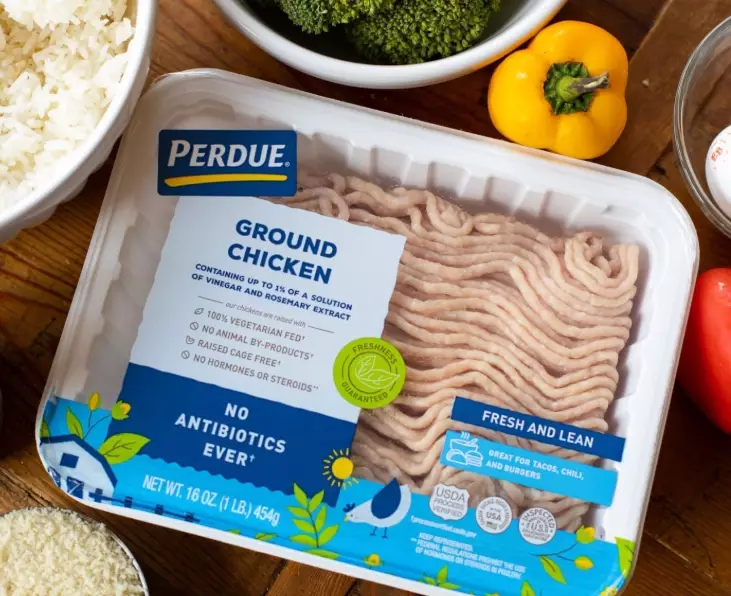
For a standard 4-ounce (113-gram) serving, which is about the size of a decent burger patty:
- 99% Lean / 1% Fat: Around 120 calories. This is the leanest option, almost pure protein.
- 93% Lean / 7% Fat: Approximately 153 calories. This is the sweet spot for many—good flavor without sky-high calories.
- 85% Lean / 15% Fat: Roughly 193 calories. Notice how the calories jump significantly with just a bit more fat.
I learned this the hard way early in my fitness journey. I'd buy "ground chicken" assuming it was all super lean, only to realize later I'd gotten the 85% lean variety. Those extra 40 calories per serving add up fast over a week. Always, always check the label.
The Fat Percentage Factor: Why It's Everything
Fat has over double the calories per gram compared to protein or carbs. So, a small increase in fat percentage means a big increase in total calories. But it's not just about the number.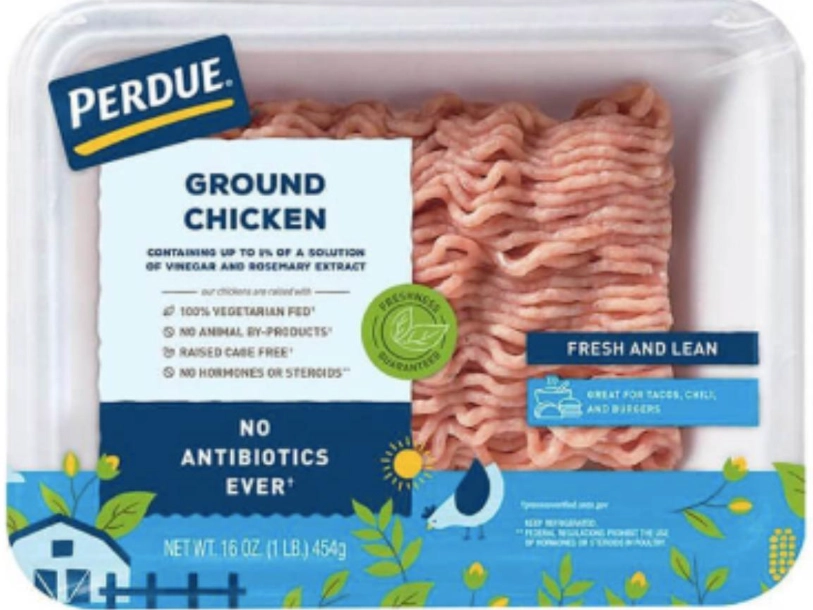
The Texture Trade-Off: That fat is also what gives ground chicken moisture and flavor. 99% lean can be dry and grainy if you're not careful with your cooking. 93% lean often provides the best balance for things like burgers or meatloaf where you want it to hold together and taste good. 85% lean? It's juicy and flavorful, ideal for recipes where fat can render out, like in a slow-simmered chili.
Here’s a quick comparison table to visualize the differences per 4 oz (raw):
| Type (Lean / Fat) | Calories | Protein | Total Fat | Best For |
|---|---|---|---|---|
| 99% / 1% | ~120 | ~28g | ~1.5g | Stir-fries, stuffed peppers, mixing with binders |
| 93% / 7% | ~153 | ~22g | ~7g | Burgers, meatballs, tacos, general use |
| 85% / 15% | ~193 | ~20g | ~11g | Chilis, bolognese, sausages |
Ground Chicken vs. Other Meats: The Calorie Showdown
This is where ground chicken often wins for calorie-conscious eaters. Let's compare 4 oz servings of 93% lean varieties (where available).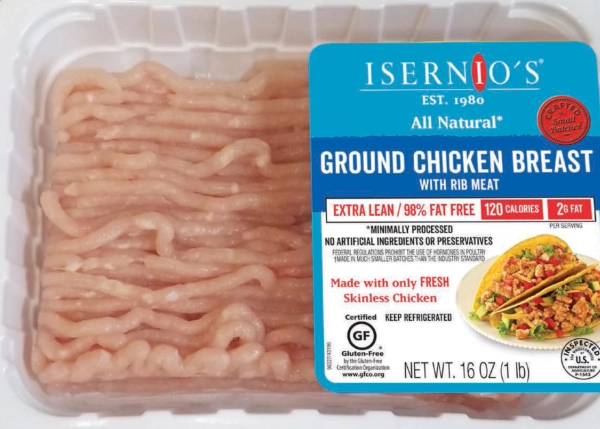
Ground Chicken (93% lean): 153 calories, 22g protein, 7g fat.
Ground Turkey (93% lean): Very similar, often within 5-10 calories. Nutritionally, they're twins.
Ground Beef (93% lean): About 170 calories. Slightly higher, often due to a bit more inherent fat.
Ground Beef (85% lean): Jumps to about 235 calories. This is a common grocery store fat percentage, and it's significantly higher.
Ground Pork (85% lean): Can be around 250 calories or more.
The takeaway? Lean ground chicken and turkey are typically the lowest-calorie options among ground meats at similar fat levels. But if you compare 85% lean ground chicken to 85% lean beef, the chicken usually still comes out slightly ahead. The real advantage is in the fat profile—ground chicken generally has less saturated fat than its red meat counterparts.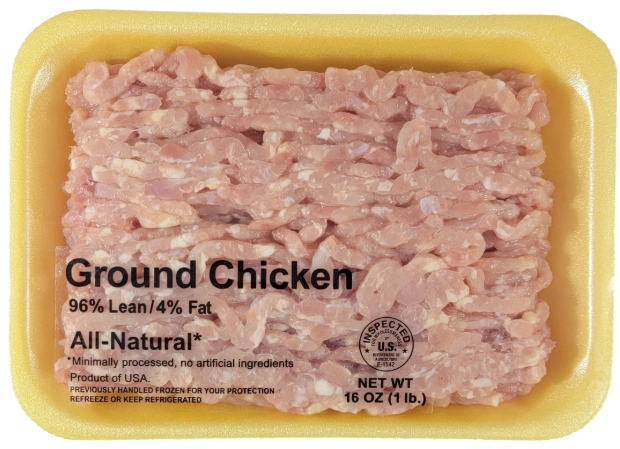
Using Ground Chicken in Your Diet: Strategies That Work
Knowing the calories is one thing. Using it effectively is another. Here’s how to make it work for different goals.
For Weight Loss
Stick with 93% or 99% lean. The high protein content is key—it helps you feel full. The mistake I see most often? People smother a lean chicken patty in a 300-calorie sugary BBQ sauce or cheese. Pair it with massive volumes of low-calorie vegetables (think a huge salad, roasted broccoli, or zucchini noodles). Bulk out recipes by mixing in finely chopped mushrooms, onions, or even lentils. You get a bigger, more satisfying meal for fewer calories.
For Muscle Gain
You have more calorie flexibility. The 85% or 93% lean options are great here, providing those extra calories from fat for energy. Focus on the protein hit (20-28g per serving) and pair it with quality carbohydrates like brown rice, sweet potato, or quinoa to fuel your workouts and recovery.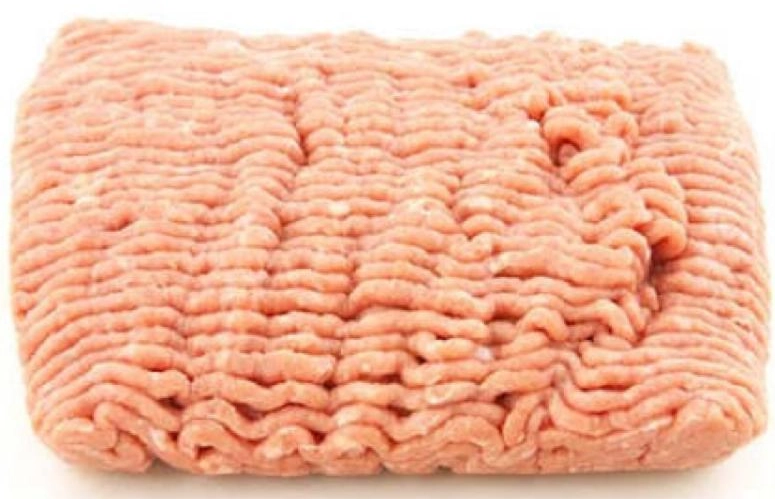
How Cooking Method Changes the Calories
This is the big one most calorie counters forget. The nutrition data on the package is for raw meat. Cooking changes everything, especially with fattier blends.
Draining Fat: If you brown 85% lean ground chicken and then drain the fat in a colander, you're literally draining away calories. You might reduce the final calorie count by 10-20% depending on how well you drain it. Baking meatballs or burgers on a rack allows fat to drip away, reducing calories compared to pan-frying.
Added Fats: Cooking your chicken in a tablespoon of oil adds about 120 calories to the entire dish. If you're making two servings, that's 60 extra calories per serving right there. Using cooking spray instead can save most of those calories.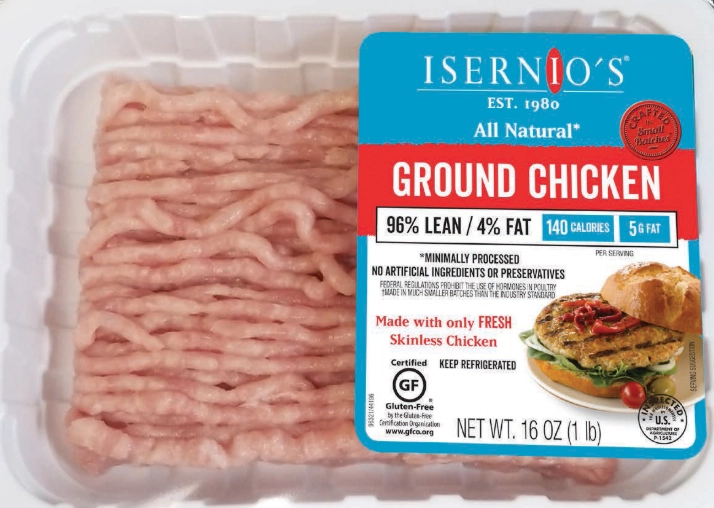
Absorption: Cooking ground chicken in a creamy sauce or soup means it absorbs some of that liquid (and its calories). The chicken's calorie count doesn't change, but the calorie density of the chicken in that dish goes up.
Common Mistakes & Expert Tips
- Mistake: Assuming "Ground Chicken" is Always Lean. It's not. Packages range from 99% to 85% lean or even higher fat. The calorie difference is substantial. Tip: Always, always check the fat percentage on the nutrition label.
- Mistake: Overcooking Lean Ground Chicken. 99% lean has almost no fat to keep it moist. Overcook it, and you'll be eating dry, crumbly cardboard. Tip: Cook it just until it's no longer pink. Consider adding moisture with broth, sautéed vegetables, or a binder like egg or breadcrumbs.
- Mistake: Not Seasoning Enough. Lean meats can taste bland. Don't be shy with herbs, spices, garlic, onion, and a good pinch of salt. Flavor is key to satisfaction, which helps with portion control.
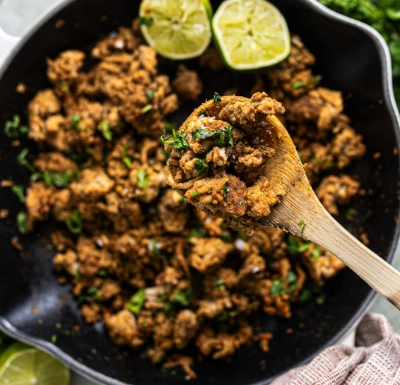
- Tip: Cook in Bulk. Brown a few pounds of lean ground chicken with onions and spices, drain the fat well, and freeze it in portions. You have a low-calorie, high-protein base ready for tacos, chili, or pasta sauce in minutes.
Your Questions Answered
How many calories are in 4 oz of 93% lean ground chicken?
About 153 calories for a 4-ounce (113g) serving of raw 93% lean ground chicken. Remember, cooking method can alter this slightly, especially if you drain excess fat.
Is ground chicken good for weight loss?
It can be an excellent choice, particularly the 93% or 99% lean varieties. Its high protein content helps with satiety, meaning you feel fuller for longer on fewer calories. The crucial part is portion control and preparation—avoid drowning it in high-calorie sauces or oils.
Which has more calories: ground chicken or ground turkey?
Nutritionally, they are almost identical when comparing the same lean-to-fat ratio (e.g., 93% lean chicken vs. 93% lean turkey). The calorie difference is negligible. The choice often comes down to personal taste preference, price, and availability.
Does the dark meat vs. white meat difference matter for calories?
It can, but it's usually reflected in the fat percentage on the label. Pre-packaged "ground chicken" is often a mix of white and dark meat. If you're grinding your own, using all breast meat will result in a leaner (lower-calorie) product than using thigh meat. The label's fat content is your best guide.
So, the bottom line on calories in ground chicken? It's a fantastic, versatile protein source, but its calorie count is directly tied to its fat content. By choosing the right lean percentage for your goals and cooking it smartly (drain that fat!), you can make it a staple in a healthy, calorie-conscious diet. Don't just look at the number—understand what affects it, from the package label to your cooking pan. That knowledge is what turns simple calorie counting into effective nutrition management.
Related Articles