How Long Does It Take Chicken to Thaw? Safe Methods & Timelines
In This Guide
- Why Thawing Time and Method Matter (It's Not Just About Speed)
- The Gold Standard: Thawing Chicken in the Refrigerator
- A Fourth Option: Cooking From Frozen (Yes, Really!)
- How to Know When Your Chicken Is Fully Thawed
- Putting It All Together: Your Thawing Decision Flowchart
- Your Thawing Chicken FAQs, Answered
You've been there. It's 5 PM, dinner needs to happen, and that rock-solid pack of chicken breasts is staring at you from the freezer. The big question hits: how long does it take chicken to thaw? You might have heard "overnight in the fridge," but what if you forgot? Is there a faster way that's still safe? Let's cut through the confusion. The truth is, the time it takes to thaw chicken isn't a single number. It depends entirely on how you do it, how much chicken you have, and even how it's packaged.
I learned this the hard way, trying to speed-thaw a whole chicken in a bowl of lukewarm water (a big no-no, as I'll explain). The outside was mushy while the cavity was still an ice block. Not a good look, and definitely not safe. Getting thawing right matters more than just meal timing—it's your first line of defense against foodborne illness. So, let's break down every method, clock in hand, and talk about why doing it safely is non-negotiable.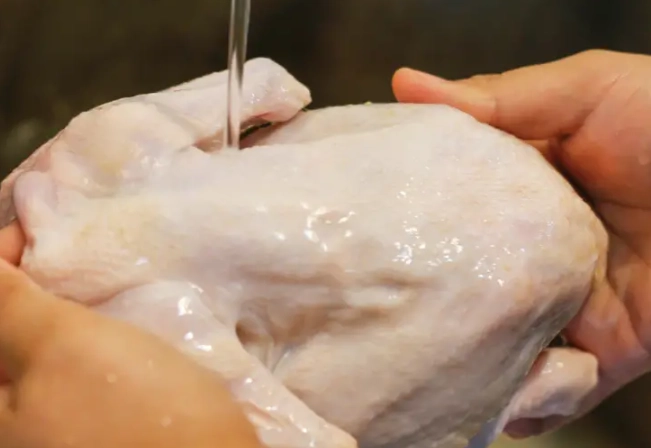
The Core Takeaway: There is no one-size-fits-all answer to "how long does it take chicken to thaw?" Safe thawing is a balance of time, temperature, and method. Rushing it often leads to a dangerous "danger zone" dance where bacteria thrive.
Why Thawing Time and Method Matter (It's Not Just About Speed)
Before we get into the minutes and hours, let's talk about the why. Thawing isn't just about turning ice back to water. It's about controlling the temperature of your food as it goes through that transition. The USDA's Food Safety and Inspection Service (FSIS) is crystal clear on this: perishable food should never be thawed on the counter or in hot water. Why? Because the outer layers of the chicken can enter the "Danger Zone"—temperatures between 40°F and 140°F (4°C and 60°C)—where bacteria multiply rapidly, long before the inside is thawed.
Think of it like this. If you leave a frozen chicken breast on the counter, the outside might feel cold but could easily be at 50°F or 60°F, a paradise for bacteria like Salmonella or Campylobacter, while the core is still frozen. You've essentially incubated the outside. So, when we ask "how long does it take chicken to thaw," the safe answers are all methods that keep the majority of the meat at a safe temperature (below 40°F) for as long as possible, or thaw it so fast it doesn't have time to sit in the danger zone.
Stop Doing This: The countertop thaw. Just don't. It's the most common mistake and the biggest food safety risk in home kitchens regarding thawing. Even if the center is frozen, the surface temperature can become unsafe in under an hour.
The Gold Standard: Thawing Chicken in the Refrigerator
This is the method recommended by every food safety authority, including the USDA FSIS. It's slow, predictable, and safest because it keeps the chicken at a constant, cold temperature (how long does it take chicken to thaw in the fridge?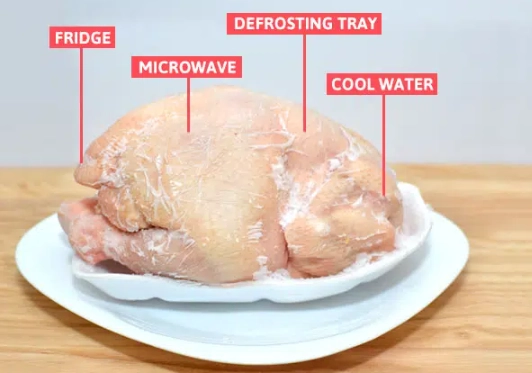
As a general rule, allow about 24 hours for every 5 pounds of chicken. But that's just a starting point. A single boneless, skinless chicken breast (about 6-8 oz) will typically thaw in 12 hours or less. A whole chicken or a large pack of thighs? You're looking at a full day, maybe two.
My Personal Fridge Thawing Hack: Place the frozen chicken (in its sealed packaging or a leak-proof bag) on a plate or in a shallow dish on the bottom shelf of your fridge. This catches any drips and prevents cross-contamination. The bottom shelf is also the coldest, most consistent spot.
Here’s a more detailed breakdown of how long to thaw chicken in the refrigerator:
| Type of Chicken | Approximate Weight | Estimated Fridge Thawing Time | Notes |
|---|---|---|---|
| Boneless Breast (single) | 6-8 oz | 8-12 hours | Thaws relatively quickly due to thin profile. |
| Bone-in Breast or Thighs | 10-12 oz | 12-18 hours | The bone slows heat transfer slightly. |
| Pack of 4 Breasts | 1.5 - 2 lbs | 18-24 hours | Stacking slows thawing; try to separate if possible. |
| Whole Chicken | 3-4 lbs | 24-36 hours | A large bird needs the full day-plus treatment. |
| Whole Chicken | 5-7 lbs | 2-3 days | Plan ahead for your Sunday roast! |
The beauty of fridge thawing? You get a bonus. Once thawed, chicken can safely remain in the refrigerator for an additional 1-2 days before cooking. It gives you a flexible window, which real-life cooking often needs.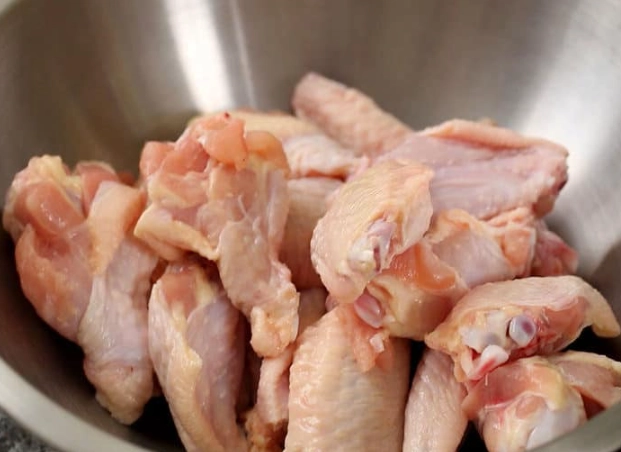
What If You're Short on Time? The Cold Water Thaw Method
Forgot to take the chicken out? This is your next-best, safe option. It's significantly faster than the fridge but requires more attention. The key is cold water, changed every 30 minutes to keep it cold and ensure the chicken stays at a safe temperature.
So, how long does it take chicken to thaw in cold water? The rule of thumb is about 30 minutes per pound. This method works because water transfers heat much more efficiently than air.
Here’s the step-by-step, no-fail process:
- Seal It: Make sure the chicken is in a leak-proof plastic bag. Submerging the original store packaging is okay if it's completely sealed and has no holes. Removing air from the bag helps it sink and makes better contact with the water.
- Submerge It: Place the bagged chicken in a large bowl, pot, or clean sink. Fill with cold tap water.
- Change It: Set a timer for 30 minutes. When it goes off, drain the now-warmed water and replace it with fresh cold water. This step is crucial—it keeps the water temperature safely low.
- Cook It Immediately: Once thawed, cook the chicken right away. Do not refreeze it without cooking it first, and don't put it back in the fridge to cook later. Bacteria may have started to awaken on the surface.
Pro Tip: If you have a lot of chicken, you can use the cold-water method in the sink, but for a single breast or a few thighs, a large mixing bowl uses less water and makes the water-change process easier.
The Fastest Route: Thawing Chicken in the Microwave
This is the "emergency only" method. It's fast but uneven and partially cooks the edges if you're not careful. Most microwaves have a "defrost" setting based on weight. This is your best bet. How long does it take chicken to thaw in the microwave? For a pound of chicken, it's usually 5-8 minutes on defrost, but you must check and separate pieces halfway through.
The major drawback? You get hot, rubbery spots and cold, icy spots simultaneously. It's frustrating. Because of this partial cooking, you must cook microwave-thawed chicken immediately after thawing. Do not delay and do not try to refreeze it.
A Fourth Option: Cooking From Frozen (Yes, Really!)
Sometimes, the best answer to "how long does it take chicken to thaw" is "zero minutes." You can cook certain cuts directly from frozen. It's not ideal for all recipes, but it works perfectly for some.
- In the Oven: For bone-in pieces like thighs, legs, or breasts, you can roast from frozen. Just increase the cooking time by about 50%. Use a meat thermometer to ensure it reaches 165°F internally.
- In a Soup or Stew: Toss frozen chicken pieces directly into a boiling broth or stew. It will thaw and cook as the soup simmers. Just make sure it cooks long enough.
- Sous Vide: This is a fantastic method for cooking frozen chicken breasts. You just add an extra 30-60 minutes to the cooking time, and it comes out perfectly juicy.
Pan-frying or grilling a frozen breast? That's a recipe for a charred outside and raw inside. I don't recommend it.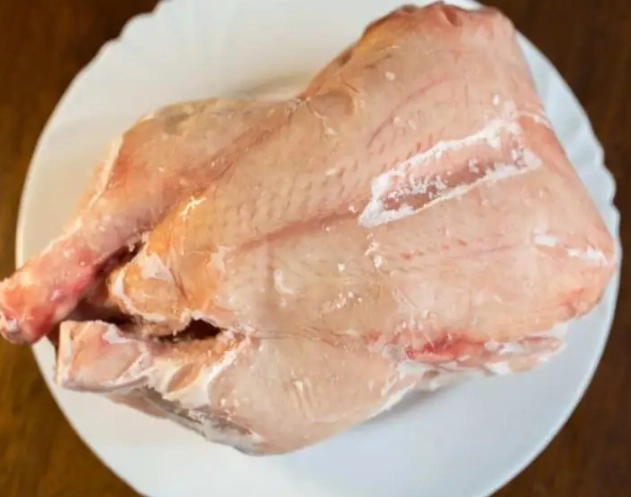
How to Know When Your Chicken Is Fully Thawed
Timelines are guides, but how do you actually know? Here are the signs:
Touch Test: The chicken should be cool to the touch but pliable all the way through. Press gently on the thickest part. There should be no hard, icy core. If it's a whole bird, check the cavity.
Flex Test (for breasts): You should be able to bend it slightly without it feeling stiff or snapping back rigidly.
Probe Test: Insert a skewer or the tip of a sharp knife into the thickest part. It should slide in with consistent resistance, not hit a solid, icy block.
If you see a lot of pinkish liquid (purge) in the package, that's normal. It's a mix of water and protein that was lost during freezing and thawing. Pat the chicken dry with paper towels before cooking for better browning.
Your Thawing Chicken FAQs, Answered
Your Thawing Chicken FAQs, Answered
Let's tackle the common questions that pop up after the basic "how long does it take chicken to thaw" is answered.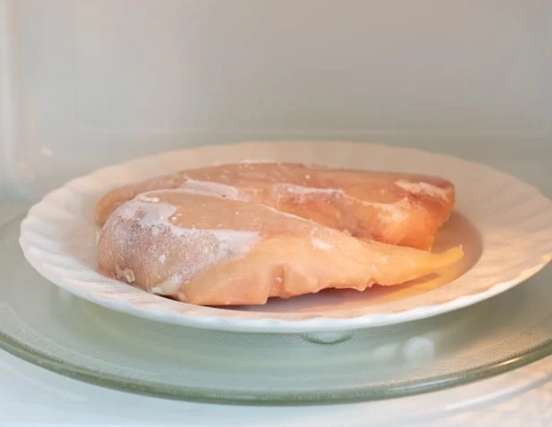
Can I refreeze chicken that I've thawed?
This is a big one. The official guidance from the USDA is that you can safely refreeze raw chicken if it was thawed in the refrigerator and hasn't been there for more than a couple of days. The quality might suffer a bit (more moisture loss), but it's safe. If you thawed it using the cold water or microwave method, you must cook it first before refreezing. Never refreeze raw chicken left on the counter.
Why does my thawed chicken sometimes smell funny or feel slimy?
A slight, mild smell is normal. But if it's a strong, sour, or ammonia-like odor, or if the surface is unpleasantly slimy (not just wet), it's likely spoiled. Trust your nose and eyes. When in doubt, throw it out. This can happen if it thawed too slowly (partially on the counter) or was stored too long after thawing.
Does the packaging affect thawing time?
Absolutely. Chicken vacuum-sealed in thick plastic will take longer to thaw than a thin, loosely wrapped piece because the plastic acts as an insulator. For water thawing, a good seal is essential. For fridge thawing, just leave it as is.
Is it safe to thaw chicken in hot water to speed it up?
No. Please don't. Hot water creates the perfect "danger zone" bath, warming the outer layers into the bacterial growth range while the inside is still frozen. It's arguably worse than the countertop method. Cold water only.
How long can thawed chicken stay in the fridge?
If thawed in the refrigerator, cook or use it within 1-2 days. If thawed by cold water or microwave, cook it immediately. Always use the "first in, first out" principle in your fridge.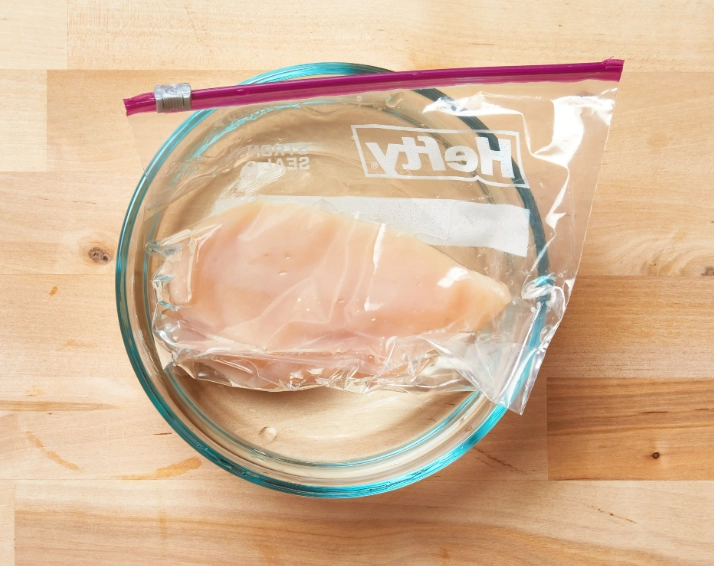
Putting It All Together: Your Thawing Decision Flowchart
So, when you're standing in front of the freezer, here's how to think:
Do you have 12-24+ hours? Use the refrigerator. It's the best for safety, quality, and flexibility.
Do you have 1-3 hours? Use the cold water method. It's reliable and safe with a little babysitting.
Do you need to cook right now, in under 30 minutes? Consider cooking from frozen if your recipe allows, or use the microwave defrost setting with the plan to cook immediately after.
The goal isn't just to know how long it takes chicken to thaw, but to understand which timeline fits your life and keeps your food safe. Planning for a fridge thaw is a habit that makes weeknight cooking infinitely easier—just move tomorrow's protein from the freezer to the fridge tonight. For the inevitable times you forget, the cold water bath is your reliable, safe backup. Ditch the countertop gamble for good. Your chicken (and your stomach) will thank you.
Honestly, after years of cooking, I still occasionally mess up the timing and have to resort to the cold water shuffle. It happens. The important thing is knowing the safe way to do it. Now you do.
Related Articles