Butterfly Chicken Breast: The Ultimate Guide to Perfectly Cooked Chicken Every Time
Quick Guide
- Why Butterfly a Chicken Breast? The Real Reasons It's a Game-Changer
- Your Step-by-Step Guide to the Perfect Butterfly Cut
- Seasoning & Marinating: How to Make It Actually Taste Good
- Cooking Methods Compared: Pan, Grill, Oven, Air Fryer
- The Non-Negotiable Rule: Temperature & Resting
- Meal Prep Magic: How Butterfly Chicken Breast Saves Your Week
- Answering Your Butterfly Chicken Breast Questions (FAQ)
- A Few Final Thoughts and My Favorite Way to Serve It
Let's be honest for a second. How many times have you cooked a chicken breast, only to end up with something that's dry on the outside, somehow still raw near the bone, and just... disappointing? I've been there more times than I care to admit. It feels like a waste of good food and money. That frustration is exactly why I became obsessed with finding a better way. And that's how I fell in love with the butterfly chicken breast technique.
It's not some fancy chef's secret, really. It's a simple cut that changes everything. A butterfly chicken breast, sometimes called a spatchcocked chicken breast (though that term is more for a whole bird), is just a boneless, skin-on or skin-off breast that's been sliced horizontally almost all the way through, then opened up like a book. This creates a thinner, more even piece of meat. That's the magic. Even thickness means even cooking. No more dry edges and raw centers.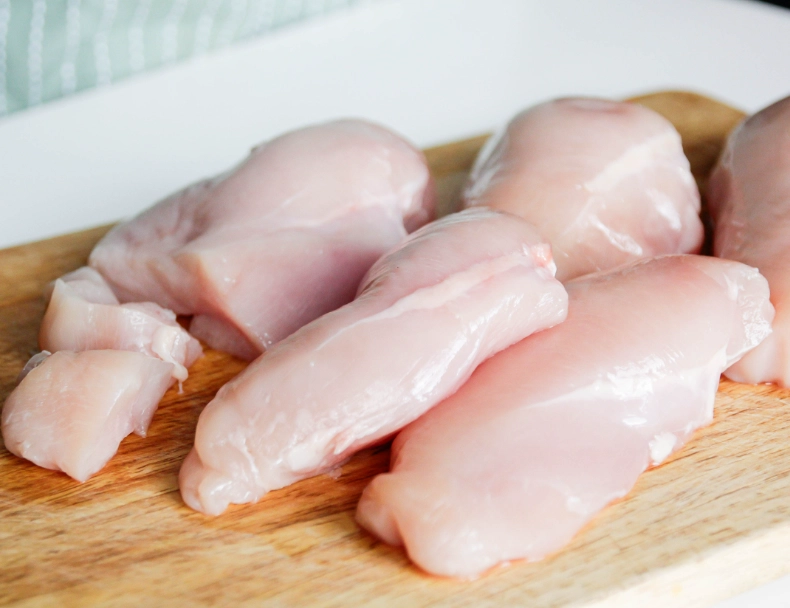
Why Butterfly a Chicken Breast? The Real Reasons It's a Game-Changer
You might be thinking, "Is it really worth the extra step?" After my first perfectly cooked piece, I never looked back. Here's why it works so well.
It Solves the #1 Chicken Breast Problem: Uneven Cooking. A standard chicken breast is thick on one end and thin on the other. The thin part is done in minutes, while the thick part needs much longer. By butterflying it, you create a uniform thickness—usually about ¾ of an inch. Everything cooks at the same rate. This is the single biggest reason to learn how to butterfly chicken breast.
It Cooks Way Faster. Because it's thinner, a butterfly chicken breast cooks in nearly half the time. We're talking 8-12 minutes total cooking time versus 20-25 minutes for a whole breast. That's a weeknight dinner win.
Maximum Flavor in Every Bite. More surface area means more space for your marinade, rub, or seasoning to cling to. You get flavor in every single forkful, not just on the outside.
It's Versatile as Hell. Once you have a butterflied breast, you can grill it, pan-sear it, bake it, air fry it, or stuff it. It lays flat, so it's perfect for sandwiches, salads, or slicing over grain bowls. Mastering the butterfly chicken breast technique opens up dozens of meal options.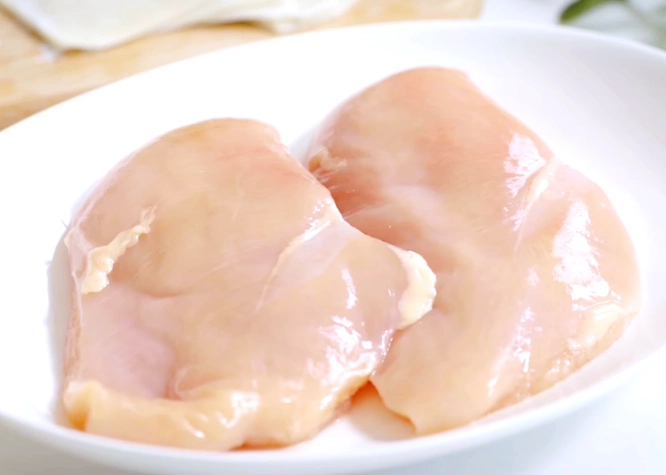
Your Step-by-Step Guide to the Perfect Butterfly Cut
This is where people get nervous. Knife skills. But I promise, this is beginner-level. You don't need to be a pro. You just need a sharp knife and to go slow. A dull knife is actually more dangerous here.
What You Need:
- A sharp chef's knife or boning knife: Seriously, sharpen it if you haven't in a while.
- A stable cutting board: Place a damp towel underneath to stop it from sliding.
- One or two boneless, skinless chicken breasts: Start with skinless for your first try—it's easier to see what you're doing.
- Paper towels: To pat the breast dry. Dry meat is easier to handle.
Step 1: Find the Tenderloin. Place the chicken breast smooth-side down on your board. You'll see a loose, smaller piece of meat attached along one side—that's the tenderloin. Sometimes it's already removed. If it's there, you can either leave it attached or carefully remove it and cook it separately (it cooks even faster!).
Step 2: Position Your Hand. Place your non-knife hand flat on top of the breast to hold it firmly in place. Fingers curled under, knuckles facing the knife. This keeps your fingers safe.
Step 3: The Cut. With the knife parallel to the cutting board, start slicing into the thickest side of the breast. Imagine you're trying to open a book. You want to cut horizontally through the middle, stopping about ½ inch from the opposite edge. Don't cut all the way through! That ½ inch "hinge" is what lets you open it up.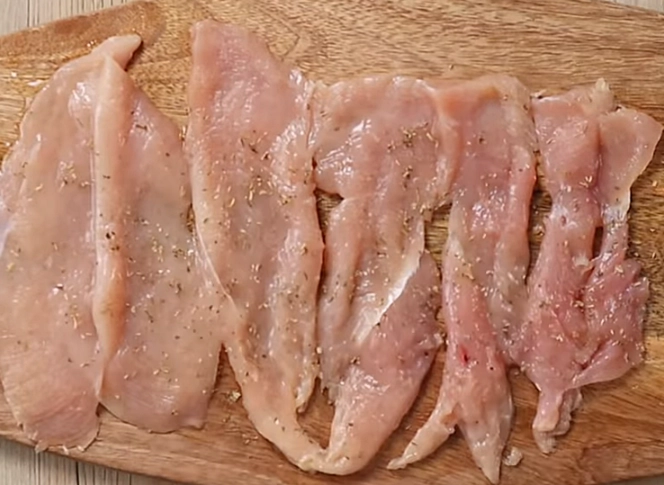
Step 4: Open It Up. Once you've made your cut, open the breast like a book. You now have a larger, thinner, roughly heart-shaped piece of meat. See? It's already looking more even.
Step 5: The Optional "Pound". For absolute perfection, place the opened breast between two sheets of plastic wrap or in a large zip-top bag. Use a rolling pin, a heavy pan, or the flat side of a meat mallet to gently pound it to an even thickness—about ¾ inch is ideal. Don't beat it to a pulp; gentle, even whacks are all you need. This step guarantees total uniformity, especially if your knife work was a little wobbly (mine often is).
And that's it. You've just butterflied a chicken breast.
Seasoning & Marinating: How to Make It Actually Taste Good
Now for the fun part. A plain butterfly chicken breast is a blank canvas. But a blank canvas is boring. You have to add flavor. The great thing about this cut is that it absorbs marinades faster and holds dry rubs better.
My Go-To Dry Rub (The "Never Fails" Blend)
This works for almost any cooking method. Mix these in a small bowl:
- 2 tsp paprika (smoked paprika is incredible here)
- 1 tsp garlic powder
- 1 tsp onion powder
- 1 tsp dried oregano or thyme
- ½ tsp black pepper
- ½ tsp salt (or more, to taste)
Pat your butterfly chicken breast dry with paper towels. Drizzle lightly with oil (olive, avocado, whatever you have), then rub the spice mix all over every surface. Let it sit for 10-15 minutes while your pan or grill heats up. The salt will start to pull moisture to the surface, which then helps form a gorgeous crust.
Marinating? Because it's thinner, a butterfly chicken breast doesn't need to marinate for hours. 30 minutes to 2 hours is plenty. Any acidic marinade (with lemon juice, vinegar, yogurt) will start to "cook" the surface (ceviche-style) if left too long, making the texture mushy. For a simple marinade, try ¼ cup olive oil, 2 tbsp lemon juice, 2 minced garlic cloves, and a big pinch of salt and herbs.
One trick I learned the hard way: if you're using a sugary marinade (like one with honey or maple syrup), save some to brush on at the very end of cooking. Sugar burns fast, and you'll end up with a blackened, bitter crust if you cook it the whole time.
Cooking Methods Compared: Pan, Grill, Oven, Air Fryer
This is the core of it. How do you actually cook this thing? I've tested them all. Here's a breakdown of each method, with the pros, cons, and my personal take.
Pan-Searing (My Weeknight Hero)
How-To: Heat a heavy skillet (cast iron or stainless steel) over medium-high heat. Add a high-smoke-point oil (avocado, grapeseed). Once hot, lay the seasoned butterfly chicken breast in the pan. It should sizzle immediately. Cook for 5-7 minutes without moving it, until you get a deep golden-brown crust. Flip and cook for another 4-6 minutes, until cooked through.
Best for: Speed, incredible crust, and easy pan sauces. Deglaze the pan with a splash of wine or broth after cooking, add a pat of butter, and you have instant sauce.
My Take: This is my most-used method. It's fast, the kitchen doesn't get too hot, and the crust you get is unbeatable. The key is a hot pan and not crowding it.
Grilling (The Flavor King)
How-To: Preheat your grill to medium-high (about 400-450°F). Clean and oil the grates well. Place the butterfly chicken breast on the grill. Close the lid. Grill for 5-6 minutes per side. Avoid constant flipping. Use a meat thermometer.
Best for: Smoky flavor, beautiful grill marks, and keeping heat out of the kitchen.
My Take: Nothing beats the flavor of a grilled butterfly chicken breast. But it can dry out faster if you're not careful. I always keep a spray bottle of water handy to tame flare-ups. Also, letting it rest after grilling is non-negotiable.
Baking/Roasting (The Hands-Off Approach)
How-To: Preheat oven to 400°F (200°C). Place seasoned breasts on a parchment-lined baking sheet. For extra juiciness, you can add a couple of tablespoons of broth or water to the pan. Bake for 15-20 minutes, until cooked through.
Best for: Cooking large batches with minimal effort. You can easily cook 4-6 butterfly chicken breasts at once.
My Take: It's reliable but can lack the sexy crust of pan-searing or grilling. To fix that, I often sear the breast in a hot pan for 2-3 minutes per side first, then finish it in the oven. More dishes, but a much better result.
What about the air fryer? Absolutely. It's basically a mini convection oven. Cook at 375°F for 10-12 minutes, flipping halfway. It comes out crispy and juicy with very little oil. Just don't overcrowd the basket.
The Non-Negotiable Rule: Temperature & Resting
This is the most important paragraph in this whole guide. You can do everything else right, but if you ignore this, you'll still have dry chicken.
Use a Meat Thermometer. Guessing is for gamblers, not cooks. A good instant-read thermometer costs less than $20 and will save you hundreds in overcooked meat. The target temperature for safe, juicy chicken is 165°F (74°C) as measured in the thickest part. But here's a pro tip: you can pull it off the heat at 160°F (71°C). The residual heat will carry it over to 165°F as it rests.
Rest your meat.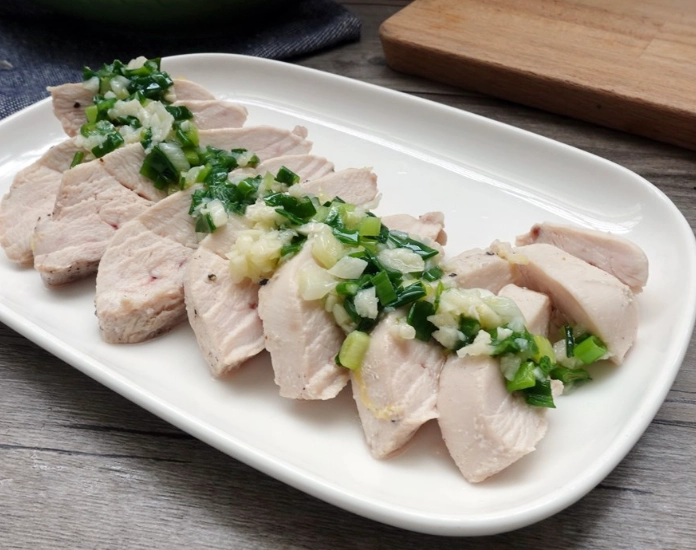
When you take the butterfly chicken breast off the heat, the juices are all rushing to the center. If you cut it immediately, those juices pour right out onto your cutting board. Let it rest on a plate or cutting board, loosely tented with foil, for 5-10 minutes. The juices redistribute throughout the meat. The result? A moist, tender bite from edge to edge. Skipping the rest is the #1 reason home cooks think they can't make juicy chicken.
| Cooking Method | Approx. Total Time | Key to Success | Best For |
|---|---|---|---|
| Pan-Searing | 10-14 mins | Hot pan, don't move it | Weeknights, perfect crust |
| Grilling | 10-12 mins | Clean, oiled grates | Summer, smoky flavor |
| Baking | 15-20 mins | Even spacing on pan | Large batches, meal prep |
| Air Frying | 10-12 mins | Don't overcrowd | Quick, crispy results |
Meal Prep Magic: How Butterfly Chicken Breast Saves Your Week
If you're into preparing meals for the week, this cut is your best friend. Here's my typical Sunday routine.
I'll buy a family pack of 4-6 boneless, skinless chicken breasts. I butterfly them all at once—it takes maybe 10 minutes once you get the hang of it. I'll pound a few to be extra even for quick-cooking, and leave a couple just butterflied for grilling.
Seasoning for the Week: I use different seasonings on different breasts so I don't get bored. One gets the classic dry rub, one goes into a zip-top bag with an Italian herb marinade, and maybe one gets a simple salt and pepper treatment for maximum flexibility.
The Cook: I'll either pan-sear them in batches or, more often, roast them all at once on a large sheet pan at 400°F. Using a thermometer, I pull them at 160°F, let them rest, then slice or leave whole.
Storage: Once cooled, they go into airtight containers in the fridge. Properly cooked and stored butterfly chicken breast will last 3-4 days easily. You can also freeze the cooked, sliced chicken in portions for up to 3 months.
Answering Your Butterfly Chicken Breast Questions (FAQ)
I've gotten a lot of questions from friends and readers over the years. Here are the most common ones.
A Few Final Thoughts and My Favorite Way to Serve It
Look, the goal here isn't to make a Michelin-star dish. It's to get a simple, healthy protein on the table that tastes great and doesn't have the texture of cardboard. The butterfly chicken breast method is the most reliable way I've found to do that consistently.
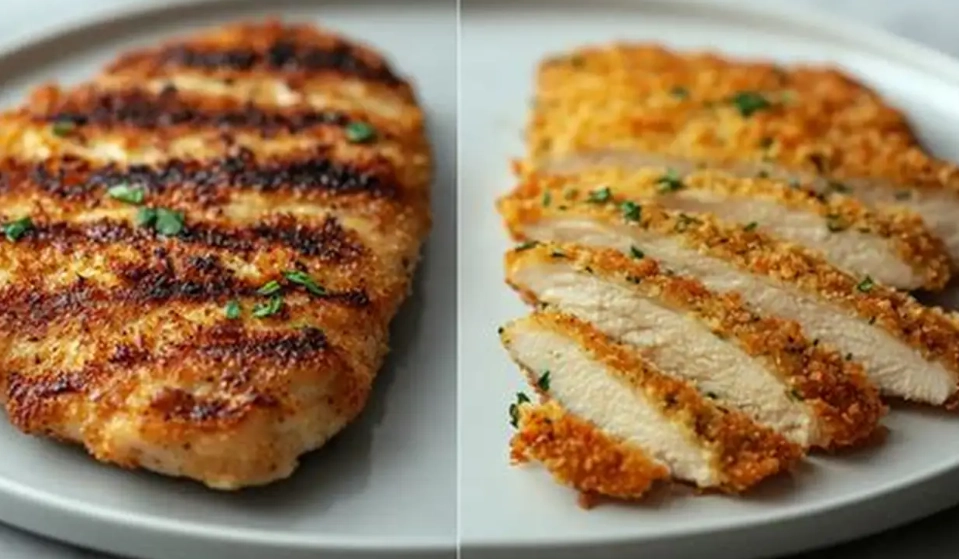
My absolute favorite way to eat it? A simple pan-seared butterfly chicken breast with that classic dry rub. Let it rest, then slice it against the grain (this shortens the muscle fibers, making it even more tender). Pile those slices on top of a big salad with lots of veggies, or stuff them into a warm pita with some tzatziki. It's satisfying, it's healthy, and it makes you feel like you actually know how to cook.
The process might seem like an extra step now, but after a few times, you'll do it without thinking. It becomes part of the rhythm of cooking. And the payoff—a perfectly cooked piece of chicken every single time—is more than worth it.
Related Articles