How Long to Thaw Frozen Chicken: Safe Methods & Times
You pull a rock-solid package of chicken breasts from the freezer at 5 PM, hoping for a quick dinner. Sound familiar? We've all been there. The big question isn't just "how long does it take?" but "what's the right way to do it without turning dinner into a food safety gamble or a dried-out disappointment?"
Thawing frozen chicken is one of those basic kitchen skills that most guides oversimplify. They throw a generic "24 hours in the fridge" at you and call it a day. But a whole chicken and a thin cutlet don't play by the same rules. And what about that "cold water" method everyone mentions but rarely explains properly?
Let's cut through the noise. This isn't just about time; it's about method, safety, and ending up with chicken that's actually good to eat.
What's Inside This Guide
Why Getting the Time Right is a Safety Issue
Think of thawing as a race between you and bacteria. The goal is to get the chicken from frozen to cook-ready without letting it sit in the "Danger Zone"—temperatures between 40°F and 140°F (4°C and 60°C)—for too long. That's where nasty stuff like Salmonella and Campylobacter can multiply.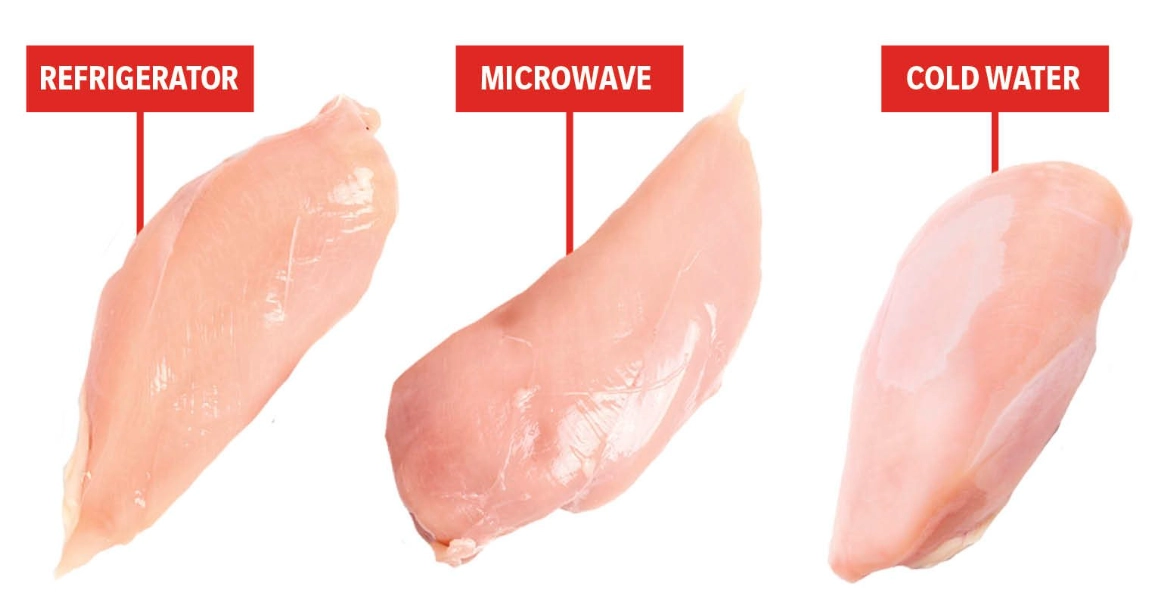
Here's the expert nuance most miss: The outside thaws first. When you leave a chicken breast on the counter, the outer layer hits room temperature while the core is still frozen. That outer layer is now in the Danger Zone, a breeding ground, while you wait for the inside to soften. It's why the USDA strongly advises against thawing at room temperature. The time it spends partially thawed and warm is the real risk, not just the total elapsed time.
So, the best methods keep the chicken cold (fridge) or use continuous cold water to speed the process without warming the meat.
The Gold Standard: Refrigerator Thawing (Slow & Steady)
This is the hands-down winner for safety and quality. The chicken stays at a safe, consistent temperature below 40°F. The texture and moisture retention are superior because the ice crystals melt slowly, causing less cellular damage.
But how long, really?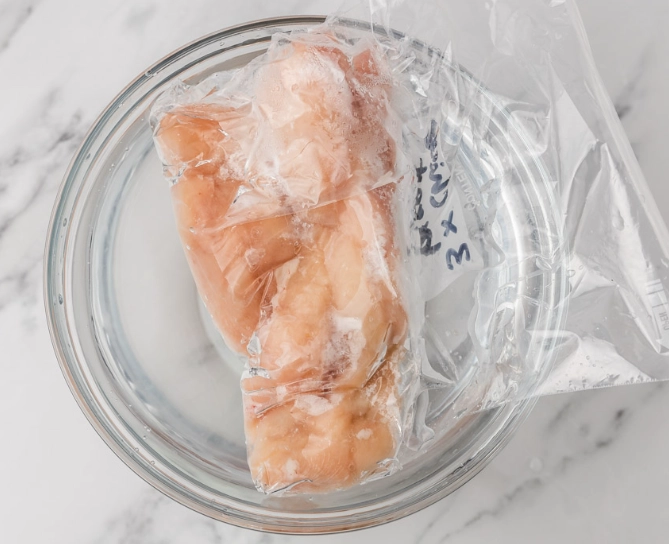
The standard rule is 24 hours for every 4 to 5 pounds. But that's a starting point. Your fridge's actual temperature, how stacked it is, and the shape of the cut all play a role.
| Type of Chicken | Average Weight/Size | Estimated Fridge Thaw Time | Notes |
|---|---|---|---|
| Whole Chicken | 3-5 lbs | 24 hours + | A 5-pounder can take 30+ hours. Plan for a full day, minimum. |
| Chicken Breast (Boneless) | 0.5 - 1 lb (each) | 6-12 hours | Individually wrapped breasts thaw faster. A 1-inch thick breast takes about 12 hours. |
| Chicken Thighs (Bone-in) | 4-6 oz (each) | 8-12 hours | Bone slows thawing. A pack of 4-6 thighs needs a good 12 hours. |
| Ground Chicken (1 lb pack) | 1 lb | 12-18 hours | Dense and compact, it takes longer than you think. Don't rush it. |
| Chicken Wings | 2-3 lbs (pack) | 8-12 hours | Small pieces thaw relatively quickly. |
My own fridge runs cold. I've found a 4-pound chicken often needs a solid 30 hours to be completely pliable inside the cavity. The best test? Gently press the thickest part. If there's any hardness or ice crystals, it needs more time.
The Quick Fix: Cold Water Thawing (The Right Way)
Need chicken in a few hours, not a day? This is your method. The key word is cold. Never use warm or hot water—it will cook the exterior and launch bacteria into overdrive.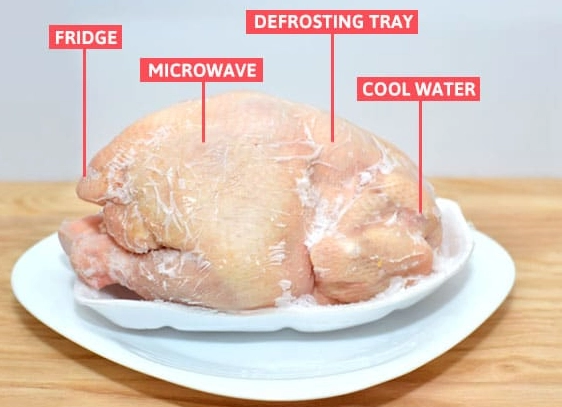
Here's the exact, foolproof process:
- Seal it tight: Keep the chicken in its original leak-proof packaging. If the package is torn or non-existent, put the chicken in a sturdy ziplock bag, press out all the air, and seal it tightly. This is non-negotiable for preventing water-logged chicken and contamination.
- Submerge in cold tap water: Place the bagged chicken in a large bowl, pot, or clean sink. Fill with cold water until the chicken is fully submerged.
- Change the water every 30 minutes: This is the step people forget. The water warms up from the frozen chicken, slowing thawing and edging into the Danger Zone. Draining and adding fresh cold water keeps the process efficient and safe.
- Cook immediately after thawing. Do not refrigerate it for later. The outer layers have experienced more temperature fluctuation.
Cold Water Thawing Timelines
This method is much faster: roughly 30 minutes per pound. So a 1-pound pack of breasts takes about 30-45 minutes. A whole 4-pound chicken will take 2-3 hours with consistent water changes. Boneless, thin cuts can be ready in under 30 minutes.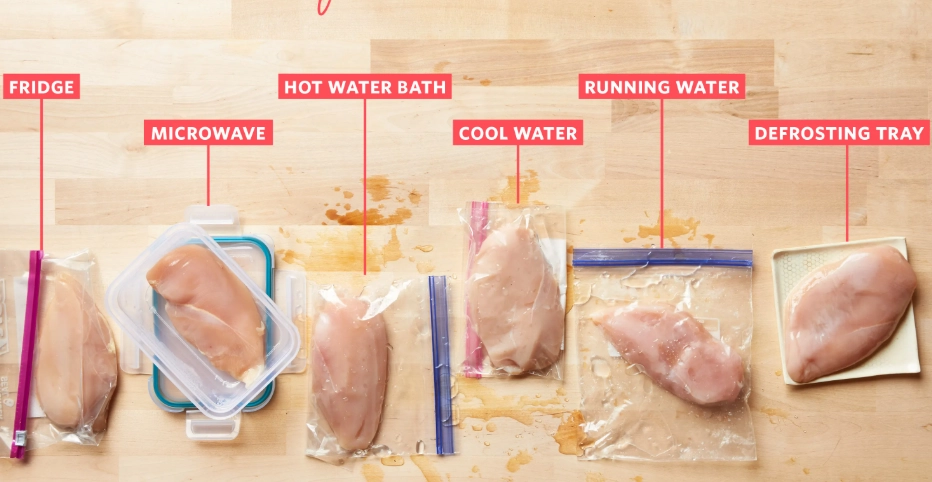
The Last Resort: Microwave Thawing (Handle With Care)
I'll be honest: I avoid this method unless I'm in a true pinch. Microwaves thaw unevenly, often starting to cook the thinner edges and leaving icy spots in the thick parts. It's a fast track to rubbery texture.
If you must use it, here's how to minimize the damage:
- Use the "defrost" or low-power setting (usually 30-50% power). Never use full power.
- Remove any plastic packaging not labeled "microwave-safe." Place the chicken on a microwave-safe plate.
- Follow your microwave's guidelines for weight. As a rough estimate, it takes about 3-5 minutes per pound on defrost, but you must stop and check often.
- Flip and separate pieces every 1-2 minutes. As soon as the pieces are pliable enough to separate (especially with breasts or thighs), pry them apart to promote even thawing.
- Cook it immediately. Parts of the chicken will have begun to warm and cook. Letting it sit is a major food safety risk.
Consider this: if you're microwaving chicken to thaw for a recipe that then requires 20 minutes of cooking, you might be better off adjusting that recipe to cook the chicken from frozen (like in a soup or stew) and adding more time.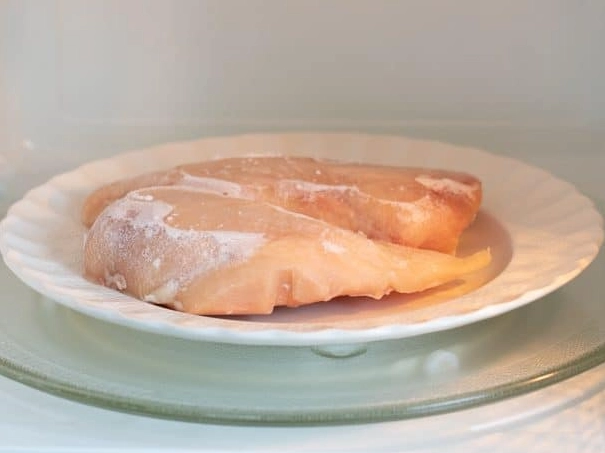
The Mistakes Everyone Makes (And How to Avoid Them)
After years of cooking and talking to other home cooks, I see the same errors repeatedly.
Mistake #1: The Countertop Thaw. We covered this. Just don't. Even for "just an hour." The outer layer is vulnerable.
Mistake #2: Underestimating Fridge Time. You think "24 hours" means you can take it out at 6 PM for a 6 PM dinner tomorrow. But if you put it in at 8 PM, the core might still be icy at 6 PM. Start thawing in the morning for the next day's dinner, or even two nights before for a whole bird.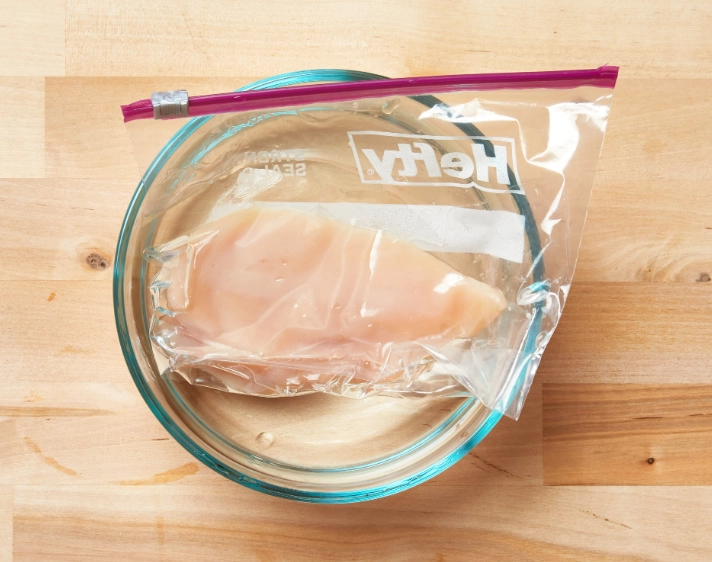
Mistake #3: Thawing in the Original Flimsy Packaging. That supermarket styrofoam tray and plastic wrap are not watertight. For the cold water method, double-bagging in ziplocks is cheap insurance against soggy chicken and a bacterial soup in your sink.
Mistake #4: Assuming "Thawed" Means "Ready to Sit." Refrigerator-thawed chicken has a 1-2 day window. Water-thawed or microwave-thawed chicken has a 0-day window. Get it cooking.
Mistake #5: Not Using a Meat Thermometer. However you thawed it, the final cook is what makes it safe. The only way to know for sure your chicken is safe to eat is to check that the thickest part reaches 165°F (74°C). Guesswork isn't good enough.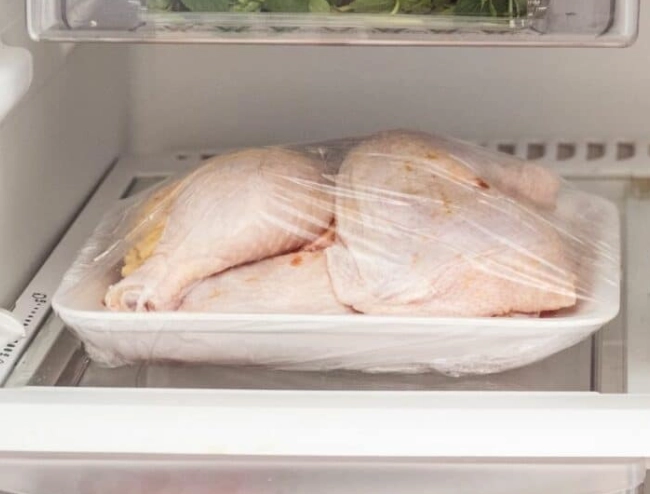
Your Thawing Questions, Answered
The bottom line? Thawing frozen chicken isn't complicated, but it does require a little forethought. The refrigerator is your best friend for quality. Cold water thawing is a great, safe speedier option if you remember to change the water. The most important tool in your kitchen for safe chicken handling isn't a special gadget; it's a plan. Give it the time it needs, use a dedicated container, and cook it to the right temp. Your meals—and your peace of mind—will be better for it.
Related Articles