How to Cook Whole Chicken: Foolproof Roast Recipe & Tips
What You'll Learn in This Guide
Let's cut to the chase. Cooking a whole chicken shouldn't be intimidating, but so many of us end up with dry meat or bland flavor. I've roasted hundreds of chickens over the years, from holiday dinners to quick weeknight meals, and I've learned the hard way that a few simple tricks make all the difference. This guide will walk you through everything, so you get juicy, flavorful results every time.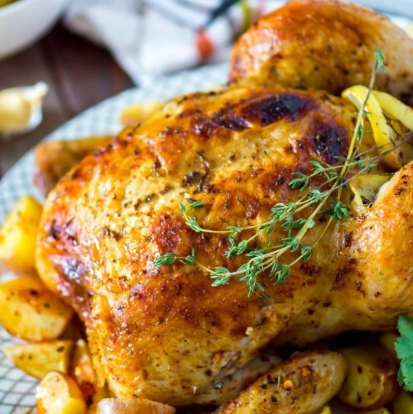
Why Cooking a Whole Chicken is a Game-Changer
Buying a whole chicken is cheaper per pound than parts—think $5-$8 for a 4-pound bird versus $10 for just breasts. But it's not just about saving money. A whole chicken gives you multiple meals: roast it for dinner, use leftovers for sandwiches or salads, and boil the carcass for stock. It's the ultimate meal prep hack.
I used to avoid whole chickens because they seemed fussy. Then I realized I was wasting money on pre-cut pieces that often dried out. Once you master the basics, it becomes a weekly staple.
Preparing Your Chicken: The Foundation
Start with a good chicken. Look for one around 4-5 pounds; larger ones take longer and can cook unevenly. Organic or free-range birds often have better flavor, but conventional works fine if you're on a budget.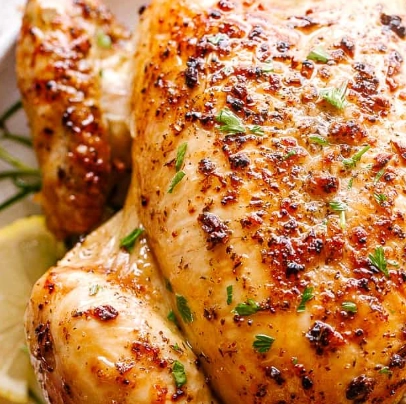
Seasoning: Keep It Simple or Get Creative
Salt and pepper are non-negotiable. I use about 1 teaspoon of kosher salt per pound, rubbing it inside the cavity and all over the skin. For flavor, you can add herbs like rosemary or thyme, garlic cloves inside, or a lemon wedge. Trussing (tying the legs together) helps the chicken cook evenly, but if you're lazy like me sometimes, just tuck the wings under—it still works.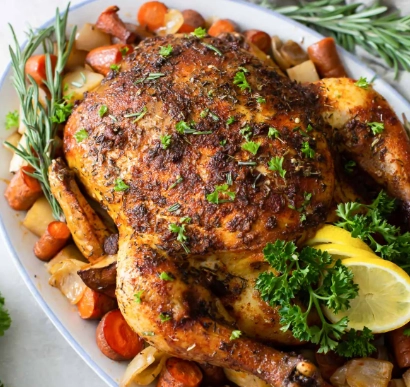
My personal favorite? Sliding softened butter under the skin. It bastes the meat from the inside, keeping it moist. Olive oil works too, but butter adds richness.
The Best Roasting Method Step-by-Step
Roasting is the most common way, and for good reason—it's straightforward and delivers that classic crispy skin. Preheat your oven to 375°F (190°C). Use a roasting pan or a skillet; I prefer a cast-iron skillet because it retains heat well.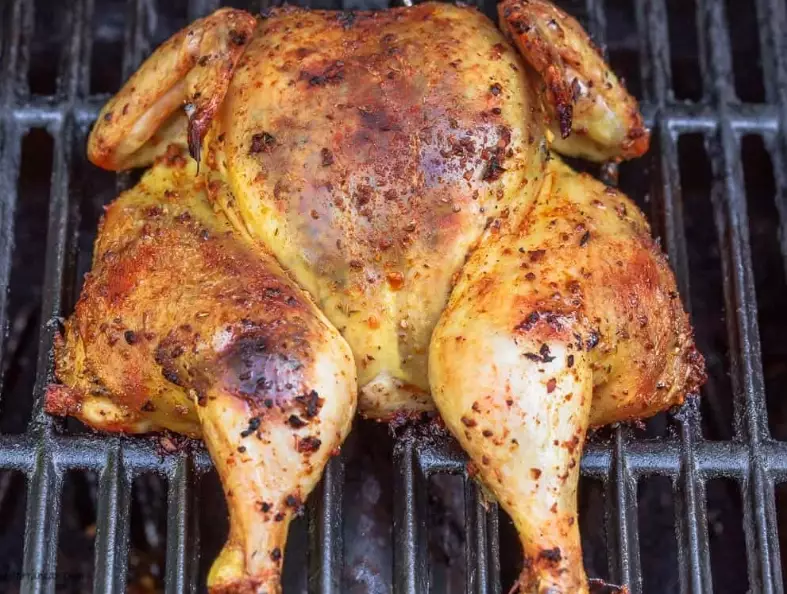
Place the chicken breast-side down initially. This is my secret: starting upside-down protects the breast from drying out. Roast for 30 minutes, then flip it breast-side up. Total time depends on weight.
| Chicken Weight (pounds) | Approximate Roasting Time at 375°F | Internal Temperature Target |
|---|---|---|
| 3-4 lbs | 1 hour 15 mins - 1 hour 30 mins | 165°F (74°C) |
| 4-5 lbs | 1 hour 30 mins - 1 hour 45 mins | 165°F (74°C) |
| 5-6 lbs | 1 hour 45 mins - 2 hours | 165°F (74°C) |
Always use a meat thermometer. Insert it into the thickest part of the thigh, avoiding bone. When it hits 165°F, you're done. Don't guess—I've ruined chickens by eyeballing it.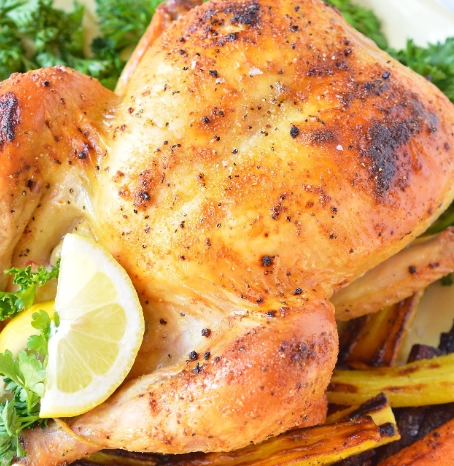
Resting: The Step Everyone Skips
Once out of the oven, let the chicken rest on a cutting board for 15-20 minutes. This allows juices to redistribute. If you cut it immediately, all those juices run out, and you're left with dry meat. Cover it loosely with foil to keep warm.
Other Ways to Cook Whole Chicken
Roasting isn't the only option. If you're short on time, a pressure cooker like an Instant Pot can cook a whole chicken in about 30 minutes, but the skin won't be crispy. For fall-off-the-bone tenderness, try a slow cooker on low for 6-8 hours—just add a cup of broth to prevent drying.
Grilling is another favorite in summer. Use indirect heat at around 350°F, and it takes similar time to roasting. The smoky flavor is worth the extra effort.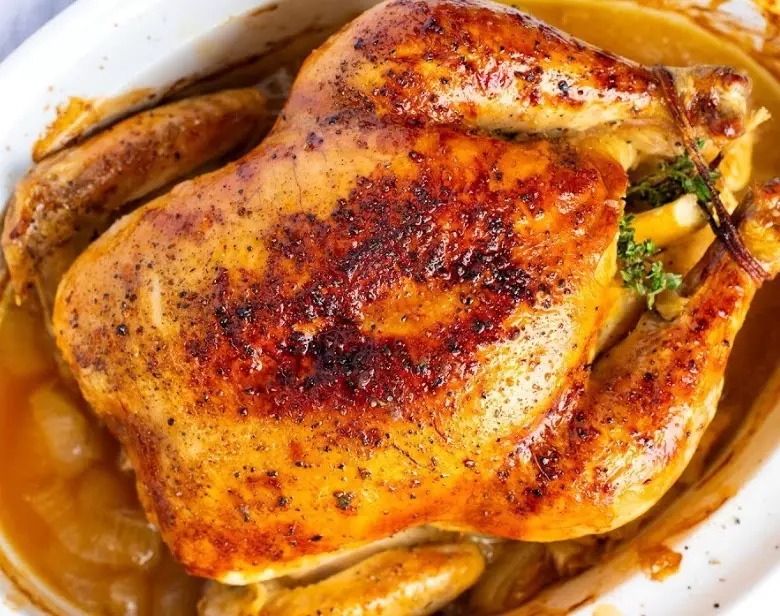
Common Mistakes and How to Dodge Them
I've made every mistake in the book. Overcooking is the big one. People think chicken must be cooked to death to be safe, but 165°F is the magic number according to food safety guidelines from sources like the USDA. Going beyond that dries it out.
Another error: overcrowding the pan. If you add vegetables around the chicken, they steam instead of roast. If you want veggies, roast them separately or use a larger pan.
Seasoning too late. Salt needs time to penetrate. Do it at least an hour before cooking, or even the night before for deeper flavor.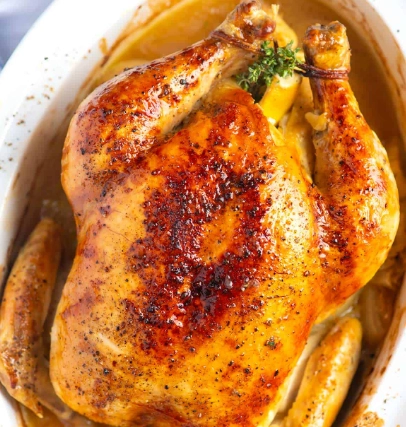
Frequently Asked Questions
There you have it. Cooking a whole chicken is a skill that pays off in flavor, savings, and versatility. Start with a simple roast, experiment with seasonings, and don't fear the thermometer. Once you get the hang of it, you'll wonder why you ever bought pre-cut parts. Give it a try this week—your dinner table will thank you.
Related Articles