Nutrition Value of Chicken Thighs: A Complete Guide to Calories & Health Benefits
What You’ll Discover
- The Raw Numbers: A Deep Dive into Chicken Thigh Nutrition
- Chicken Thigh vs. Chicken Breast: The Ultimate Showdown
- Beyond the Basics: The Health Benefits Explained
- How Cooking Transforms the Nutrition Value of Chicken Thighs
- Your Questions, Answered (The Real Stuff People Search For)
- Putting It All Together: How to Make Chicken Thighs Work for You
Let's be real for a second. Chicken thighs get a bad rap. For years, the health and fitness world has been screaming from the rooftops about chicken breast, treating thighs like the less desirable cousin you only see at family reunions. But what if I told you that when you dig into the actual nutrition value of chicken thighs, you might be missing out on a seriously good deal—both for your taste buds and your body? I used to be a breast-only guy myself, until I started actually looking at the numbers and, more importantly, how I felt after eating. This isn't about picking sides in some poultry civil war. It's about getting the facts straight so you can make a choice that works for your goals, your budget, and your kitchen routine.
So, are chicken thighs healthy? The short answer is a resounding yes, but with some important context. The long answer is what this entire guide is about. We're going to peel back the skin (figuratively, you can keep it on if you want) and look at everything: the protein that builds muscle, the fats that everyone argues about, the vitamins you didn't know were in there, and how it all stacks up against the other parts of the bird. We'll also tackle the big questions: What happens to the nutrition value of chicken thighs when you bake, fry, or grill them? Is the skin really that evil? And who should actually choose thighs over breasts? By the end, you'll have a crystal-clear picture, free from the hype and fear-mongering.
The Core Takeaway: Chicken thighs are a nutrient-dense, flavorful, and often more affordable source of high-quality protein and essential fats. Their nutritional profile supports sustained energy, muscle maintenance, and overall health, making them a fantastic option for most people when consumed as part of a balanced diet.
The Raw Numbers: A Deep Dive into Chicken Thigh Nutrition
Before we get into the "why" and "how," let's look at the "what." What are you actually getting when you eat a chicken thigh? I always find it helpful to start with the data from a trusted source. The gold standard for this kind of information in the United States is the USDA FoodData Central database. According to their latest published data for a cooked, boneless, skinless chicken thigh (we'll get to skin-on in a bit), here's the breakdown for a typical 3-ounce (about 85-gram) serving.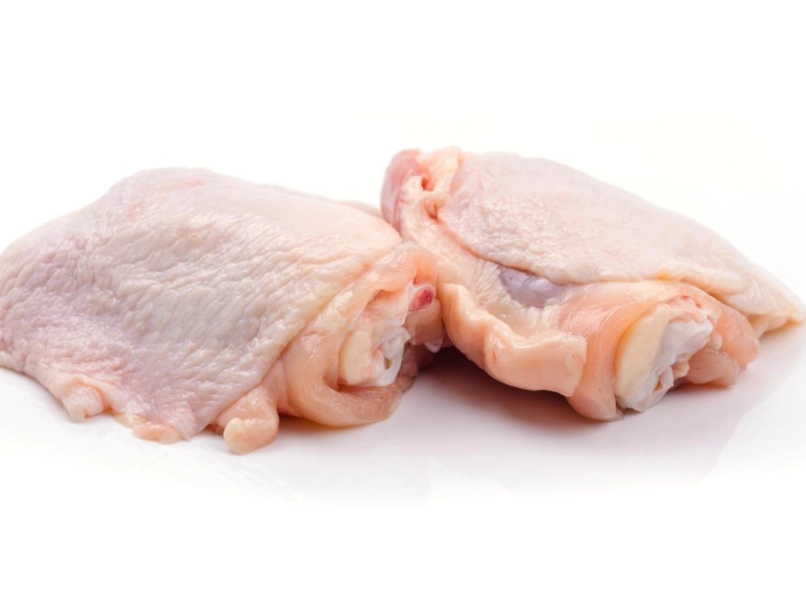
This serving size is a good benchmark—it's roughly the size of a deck of cards or the palm of your hand. It's what most diet plans and nutrition labels use as a reference point.
| Nutrient | Amount per 3oz (85g) Cooked, Boneless, Skinless | % Daily Value (DV)* |
|---|---|---|
| Calories | ~180-200 kcal | ~9-10% |
| Protein | ~21-23 grams | ~42-46% |
| Total Fat | ~9-11 grams | ~12-16% |
| Saturated Fat | ~2.5-3 grams | ~13-15% |
| Iron | ~0.9-1.1 mg | ~5-6% |
| Zinc | ~1.8-2.2 mg | ~16-20% |
| Selenium | ~14-16 mcg | ~25-29% |
| Niacin (Vitamin B3) | ~4.5-5.5 mg | ~28-34% |
| Vitamin B6 | ~0.3-0.4 mg | ~18-24% |
*Percent Daily Values are based on a 2,000 calorie diet. Your needs may vary.
Okay, so what does this table actually tell us? First, look at that protein number. Over 20 grams. That's substantial. For someone trying to hit, say, 80-100 grams of protein a day, one serving of thighs gets you a quarter of the way there. It's a complete protein too, meaning it has all nine essential amino acids your body can't make on its own. The leucine content, which is particularly important for triggering muscle protein synthesis, is excellent.
Now, the fat. This is where people's eyes widen. Nine to eleven grams of total fat. But hold on—let's not panic. Fat isn't the enemy it was made out to be in the 90s. This fat is what gives the thigh its flavor and, crucially, its juiciness. It also helps your body absorb fat-soluble vitamins (A, D, E, K) from other foods you eat with it. About a third of that total fat is saturated. This is the part that gets the most criticism. The American Heart Association suggests limiting saturated fat to about 13 grams per day for a 2,000-calorie diet. A skinless thigh serving gives you about 2.5-3 grams. That's manageable within a balanced diet, especially if you're pairing it with lots of veggies and whole grains.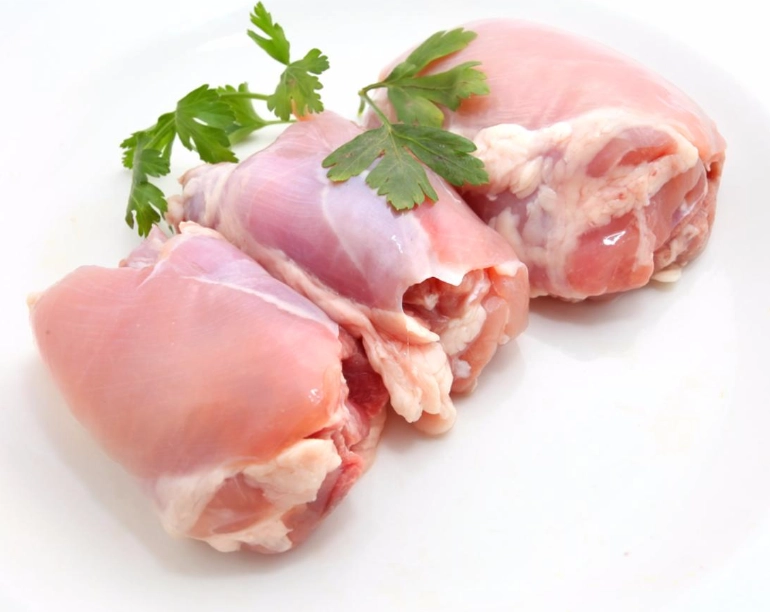
The mineral and vitamin content is the unsung hero here.
Zinc and selenium are powerhouse minerals for immune function. You're getting a solid chunk of your daily needs from one serving. Niacin (B3) is crucial for converting food into energy and keeping your nervous system and skin healthy. B6 is involved in over 100 enzyme reactions in the body, mostly related to protein metabolism. This rich micronutrient profile is a key part of the overall nutritional value of chicken thighs that often gets overshadowed by the protein-fat conversation.
Skin-On vs. Skin-Off: A Dramatic Difference
This is a major fork in the road. Leaving the skin on changes the game. I'm not here to tell you to always eat it or never eat it. I'm here to give you the facts so you can decide.
Adding the skin to that same 3-ounce thigh can easily add 50-80 more calories and 5-7 more grams of fat, most of which is unsaturated. The protein content stays roughly the same. The skin is where a lot of the chicken's natural fat is stored. Some of it renders out during cooking (especially if you're roasting or grilling), but a good amount remains, creating that irresistible crispy texture.
The Skinny on Skin: If your primary goal is fat or calorie reduction for weight management, removing the skin is the single most effective thing you can do. The flavor difference is real, but so is the calorie difference. It's a pure trade-off. For a regular Tuesday night dinner where I'm just trying to eat well without overthinking, I often go skinless. For a weekend meal where I want maximum enjoyment? The skin stays on. Balance.
Chicken Thigh vs. Chicken Breast: The Ultimate Showdown
You knew this was coming. It's the comparison everyone wants to see. Let's put them head-to-head, using the same 3-ounce cooked, boneless, skinless standard for a fair fight.
Chicken breast is the undisputed lean protein champion. For that same serving, you're looking at roughly 165 calories, 31 grams of protein, and only 3.5 grams of fat (about 1 gram saturated). On paper, for pure protein yield with minimal fat, breast wins. It's more protein-dense per calorie. If you are on an extremely strict cutting phase for a bodybuilding competition or have been advised by a doctor to minimize saturated fat intake, breast might be your go-to.
But—and this is a big but—the nutrition value of chicken thighs offers something different, not necessarily worse.
The higher fat content in thighs means more calories, yes, but also more satiety. Fat digests slower than protein and carbs, helping you feel full longer. That can be a huge benefit for someone trying to manage hunger between meals. The extra fat also carries flavor. This isn't just about taste; it's about dietary satisfaction. A diet you enjoy is a diet you can stick to. I've seen so many people (myself included years ago) burn out on dry, bland chicken breast only to fall off their nutrition plan entirely. Thighs are forgiving. They're harder to overcook into a leathery state, and their inherent juiciness makes them more palatable with simpler seasonings.
Then there's the micronutrient angle. Thighs generally have a higher mineral content, particularly iron and zinc, because dark meat is more active muscle tissue (legs) compared to the less-active breast meat. The difference isn't astronomical, but it's there.
My Practical Take: I use both. I keep frozen chicken breasts for quick, high-protein lunches where I'm just throwing something together with a salad. But for my main family dinners, 80% of the time I'm reaching for thighs. They're more reliable, everyone likes them more, and the slightly higher calorie count fits well into an active person's day. It's about utility, not dogma.
Beyond the Basics: The Health Benefits Explained
So we've got the numbers. What do they actually do for you? Let's connect the dots between the nutrition value of chicken thighs and real-world health outcomes.
Muscle Building and Maintenance
This is the big one. That 20+ grams of high-quality protein is the building block for repairing and building muscle tissue. This is critical not just for athletes, but for everyone as they age. After about age 30, we naturally begin to lose muscle mass (a process called sarcopenia). Consuming adequate protein at each meal is the primary dietary strategy to combat this. Thighs provide an excellent, complete source. The presence of fat also helps create a more sustained release of amino acids into the bloodstream, which some research suggests may be beneficial for muscle protein synthesis over a longer period compared to a very lean protein source alone.
Sustained Energy and Satiety
Remember the fat? This is where it shines. Meals with a good balance of protein, fat, and fiber lead to a slower, more gradual rise in blood sugar and keep you feeling satisfied for hours. A meal centered on chicken thighs, a complex carb like brown rice or sweet potato, and a heap of broccoli will power you through an afternoon far better than a super-lean, carb-heavy meal that might leave you crashing a couple of hours later. This stable energy is key for productivity, mood, and avoiding unnecessary snacking.
Immune System Support
This one flies under the radar. Those minerals we listed—zinc and selenium—are critical for a well-functioning immune system. Zinc is involved in the development and function of immune cells. Selenium acts as a powerful antioxidant, helping to reduce inflammation and support immune response. While you shouldn't rely on one food to "boost" your immunity, consistently including nutrient-dense sources like chicken thighs as part of a varied diet helps build a resilient foundation.
It's worth noting that organizations like the Harvard T.H. Chan School of Public Health emphasize the importance of the overall protein package—the fats, carbs, vitamins, and minerals that come along with it—rather than focusing on protein in isolation. From that perspective, chicken thighs offer a very favorable package.
How Cooking Transforms the Nutrition Value of Chicken Thighs
You don't eat raw chicken. How you cook it has a massive impact on the final nutritional profile on your plate. This isn't just about adding oil; it's about what happens to the meat itself.
Grilling and Broiling: These dry-heat methods are fantastic. They allow excess fat to drip away. If you're grilling with the skin on, a lot of the subcutaneous fat will render out, leaving you with crispy skin and slightly leaner meat underneath. These methods don't add significant extra fat unless you're constantly basting with oil or butter. They also create those flavorful (and harmless) char marks from the Maillard reaction.
Baking/Roasting: Similar to grilling, a great choice. Using a rack in your baking sheet is a pro-tip to let fat drain away from the thigh as it cooks. You can roast vegetables on the same tray underneath to catch the flavorful drippings—a fantastic way to add taste to your veggies without extra oil.
Pan-Frying/Sautéing: Here's where calories can sneak in. If you're frying a thigh in a couple tablespoons of oil, you're absorbing a good portion of that oil into the breading or even the meat itself. This can easily add 100-200 extra calories per serving. My workaround? I use a well-seasoned cast iron or non-stick pan and just a light spray or teaspoon of oil to get things started. The thigh's own fat will often render out enough to finish the cooking process without sticking.
Braising and Stewing: Cooking thighs slowly in liquid (like a curry, soup, or coq au vin) is a magical method. The connective tissue in the dark meat breaks down beautifully, making it incredibly tender. The nutrition mostly stays in the pot. Any fat that renders out will often rise to the top where you can skim it off before serving if you choose. The downside? It's easy to add a lot of high-sodium broth or sauce. Opt for low-sodium versions and load up on herbs and spices for flavor.
The method matters, but don't let perfect be the enemy of good.
The healthiest cooking method is the one you'll actually use consistently to get chicken on your table. If you hate dry grilled chicken, you won't eat it. If a quick pan-fry with a little oil means you cook at home instead of ordering takeout, that's a net win for your health. Focus on the big picture.
Your Questions, Answered (The Real Stuff People Search For)
After reading thousands of forum posts and comments, here are the questions that pop up again and again. Let's tackle them head-on.
Putting It All Together: How to Make Chicken Thighs Work for You
Let's get practical. Here’s my no-fuss approach to incorporating the nutritional value of chicken thighs into your weekly routine.
- Buying: Buy in bulk when on sale. Thighs freeze beautifully. I separate them into meal-sized portions in freezer bags. Boneless, skinless is convenient for quick meals. Bone-in, skin-on is cheaper and more flavorful for weekend roasts or braises.
- Prepping: Pat them dry with a paper towel before cooking. This is the secret to getting a good sear or crispy skin. Season generously. Thighs can handle bold flavors—smoked paprika, cumin, garlic powder, rosemary, thyme, you name it.
- Portioning: For a main course, I aim for 1-2 thighs per person (about 6-8 oz raw, bone-in). For meal prep, I'll cook 4-6 boneless thighs and divide the meat into containers with grains and veggies for 2-3 days of lunches.
- Pairing: This is where the magic happens. Balance the richness of the thigh. Pair it with:
- Bright, acidic sides: A vinegar-based coleslaw, a tomato salad, or a squeeze of lemon.
- Fibrous vegetables: Roasted broccoli, Brussels sprouts, or a big leafy green salad.
- Whole-food carbs: Quinoa, brown rice, sweet potato, or whole-wheat couscous to round out the meal.
At the end of the day, understanding the nutrition value of chicken thighs gives you power—the power to choose based on facts, not fads. They're not a "cheat" food or a "guilty pleasure." They're a legitimate, nutritious, and delicious whole food that deserves a regular spot on your plate. They bring flavor, satisfaction, and a great nutrient profile to the table, all often for a lower price than their leaner counterpart. That's a win in my book.
So next time you're at the store, don't just walk past the thigh section. Give it a look. Your dinner—and your taste buds—might just thank you for it.
Related Articles