Diced Chicken Mastery: Your Ultimate Guide to Cuts, Cooking & Safety
Quick Navigation
- First Things First: Picking Your Chicken for Dicing
- The Art (and Simple Science) of Dicing Chicken Properly
- Cooking Methods: Matching the Technique to Your Diced Chicken Dish
- Storing, Reheating, and Freezing: Make Your Diced Chicken Last
- Answering Your Diced Chicken Questions (The FAQ)
- Putting It All Together: A Simple, Flawless Weeknight Recipe Idea
Let's talk about diced chicken. You see it in every recipe, from stir-fries and salads to curries and casseroles. It seems simple enough, right? Just chop up some chicken. But here's the thing – that's where most home cooks hit a wall. Ever ended up with a pile of uneven chunks, some tiny shreds, and a couple of weird, rubbery pieces that cooked way too fast? Or maybe your beautifully diced chicken turned dry and tough the moment it hit the pan. I've been there, staring into a sizzling wok, wondering where I went wrong.
It happens to everyone. The truth is, mastering diced chicken isn't just about the dicing. It's a whole process, starting at the grocery store and ending on your plate. It's about choosing the right part of the bird, handling it safely, cutting it with purpose, and cooking it with the right technique for the job. Get one step wrong, and your dinner suffers.
So I decided to dig deep. I spent weeks testing different methods, consulting professional resources like the USDA's Food Safety and Inspection Service for the non-negotiable safety stuff, and reading through countless threads on cooking forums. I even burned a batch or two in the name of research (my smoke detector can confirm). This guide is everything I wish I'd known years ago. It's not just a list of recipes; it's the foundation. Let's fix your diced chicken game for good.
First Things First: Picking Your Chicken for Dicing
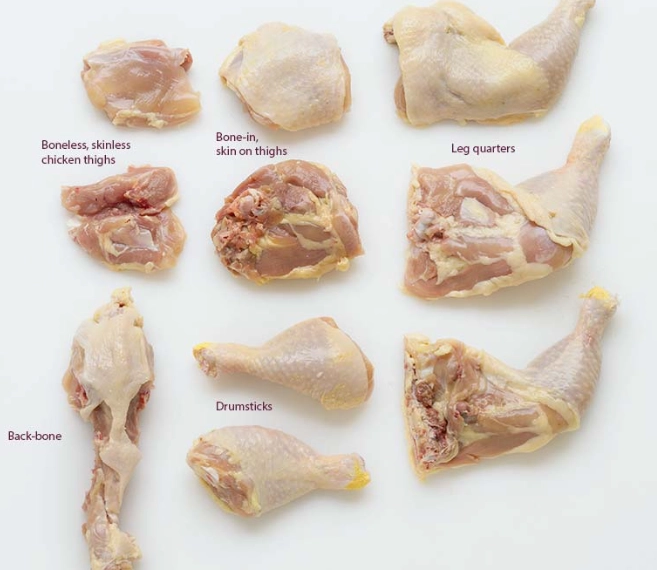
Walk into any store, and you're bombarded with choices. Whole chicken? Breasts? Thighs? Boneless, skinless? Organic? Free-range? The labels are endless, and they all affect your final dish more than you might think.
I made the "all breast, all the time" mistake for years. They're lean, they're easy, sure. But they're also unforgiving. Overcook them by a minute, and you're chewing on chalk. My personal turning point was trying a curry with diced chicken thigh. The flavor was richer, the texture stayed juicy even after simmering, and I realized I'd been missing out.
Here’s a breakdown to help you decide at the meat counter:
| Cut of Chicken | Best For Dicing Because... | Watch Out For... | My Personal Preference |
|---|---|---|---|
| Chicken Breast | Very lean, uniform texture, mild flavor that absorbs sauces well. Looks "neat" in dishes. | Dries out incredibly fast if overcooked. Can be bland without proper seasoning. | I use it for dishes like chicken salad or piccata where delicate, clean chunks are key. Otherwise, I lean towards thighs. |
| Chicken Thighs (Boneless/Skinless) | Higher fat content = more flavor and juiciness. Forgiving texture, harder to overcook. Ideal for braises, curries, stir-fries. | Slightly more uneven shape than breast, can have small bits of connective tissue to trim. Darker meat color. | This is my go-to for 80% of my diced chicken needs. The flavor and juiciness win every time. |
| Whole Chicken (deboned) | Gives you a mix of white and dark meat in one batch, creating complex flavor and varied texture. | Requires you to debone the chicken first, which is a skill in itself. More prep time. | A weekend project when I'm making a big pot of soup or stew. The mix is fantastic, but it's not a quick Tuesday night option. |
| Tenders | Already a uniform, easy-to-cut shape. Very tender (hence the name). | Often the most expensive option per pound. Can be too soft for some applications. | Great for kids' meals or quick slicing, but not cost-effective for regular family-sized batches of diced chicken. |
See what I mean? Your choice sets the stage. Picking thighs for a stir-fry almost guarantees success, while using breast means you're on a tight timer.
And a quick word on safety here, because it's boring but critical. Always check those dates. Give the package a sniff if you can (through the plastic, obviously) – fresh chicken should have little to no odor. If it's slimy or smells off, even a little, put it back. The USDA's safe handling guidelines are the bible for this stuff. I keep chicken in a separate bag at checkout to avoid cross-contamination with my produce. Small habit, big impact.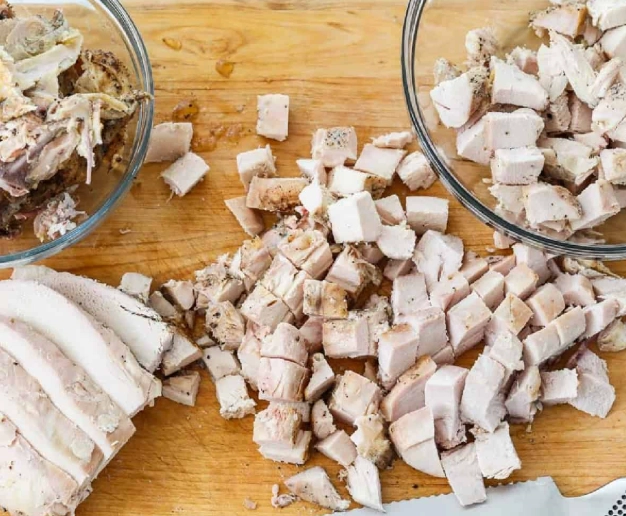
The Art (and Simple Science) of Dicing Chicken Properly
This is where the magic – or the mess – happens. A good dice isn't just about size; it's about uniformity. Same-sized pieces cook at the same rate. It's that simple. If you have a 2-inch chunk next to a 1/2-inch piece, one will be raw while the other is sawdust.
You need a decent knife. I'm not saying go buy a $300 Japanese chef's knife, but that flimsy little paring knife isn't going to cut it (pun intended). A standard 8-inch chef's knife is perfect. Keep it sharp. A dull knife is dangerous because you have to use more force, and it tears the meat instead of slicing cleanly.
My Step-by-Step Method for Perfect, Even Diced Chicken
I've tried every "hack" on the internet. Partially freezing the chicken, using kitchen shears, you name it. This method below is the one that consistently works for me, whether it's breast or thigh.
- Pat it Dry. Seriously, do not skip this. Take your chicken pieces and dry them thoroughly with paper towels. Wet chicken steams and sticks to your cutting board and knife. Dry chicken sears. It also gives you a much better grip.
- Find the Grain. Look at the chicken. See those faint lines running along the meat? That's the grain, the direction of the muscle fibers. You want to cut against that grain. This shortens the fibers, making your cooked diced chicken more tender and less stringy. For breasts, the grain usually runs the long way, so you'd cut across the short side.
- Slice into Strips. Against the grain, cut the chicken into planks or strips. Aim for the width you want your final dice to be. Want 3/4-inch diced chicken? Cut 3/4-inch wide strips.
- Stack and Dice. Gather a few strips together, stack them neatly, and then cut across them into cubes. Boom. Uniform diced chicken. For thighs, which are less uniform, you might need to trim odd bits of fat or connective tissue first and cut them piece by piece instead of stacking.
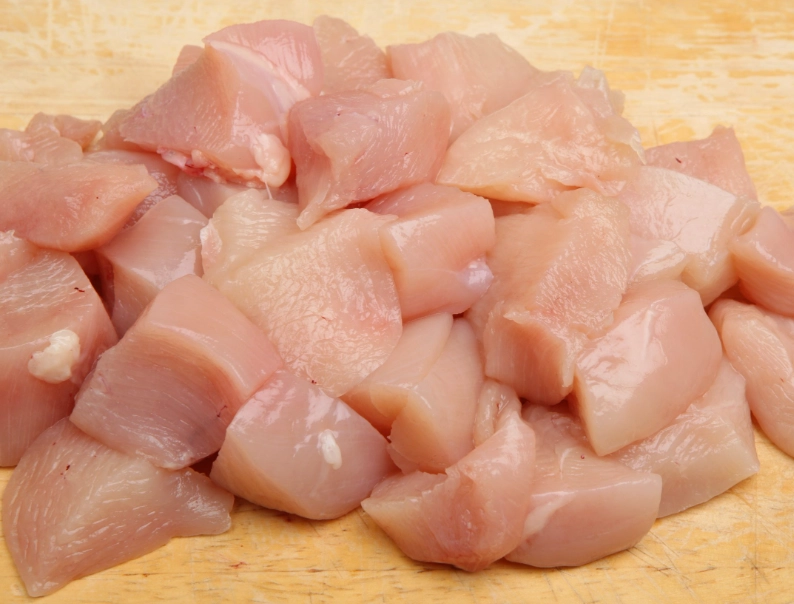
What size should you dice? It depends entirely on the dish.
- Small Dice (1/4 to 1/2 inch): Perfect for fried rice, soups, or salads where you want the chicken to blend in with other ingredients.
- Medium Dice (3/4 inch): The all-purpose, goldilocks size. Ideal for most stir-fries, curries, kebabs, and pasta dishes. It's substantial but cooks quickly and evenly.
- Large Dice (1 inch or more): Best for stews, braises, or skewers where you want a hearty, chunky piece that can hold up to long cooking.
Just pick one size per dish and stick to it. Your cooking will instantly look and taste more professional.
Cooking Methods: Matching the Technique to Your Diced Chicken Dish
You've got your beautiful, uniform pile of diced chicken. Now what? Throwing it all into a scorching pan is a common mistake. Different methods serve different purposes.
Searing/Sautéing (The Quick Weeknight Hero)
This is your go-to for stir-fries, fajitas, or just browning chicken to add to a sauce. The goal is a flavorful, golden-brown exterior while keeping the inside juicy.
Key points? High heat, don't crowd the pan. If you dump all your diced chicken in at once, the pan temperature plummets, and you end up steaming the meat in its own juices. It turns gray and rubbery. I do it in batches, even if it feels like extra work. Let the pan get properly hot, add a high-smoke-point oil (like avocado or canola), and spread the chicken in a single layer. Don't touch it for a minute or two! Let it develop that sear. Then toss or flip. It should take just 5-8 minutes total for medium-diced pieces.
The sizzle should make you happy, not scare you.
Poaching (The Secret to Super-Tender, Shreddable Chicken)
Poaching gets a bad rap for being bland. Done right, it's a revelation for getting incredibly moist, tender diced chicken perfect for chicken salad, enchiladas, or topping a green salad. You're cooking it gently in liquid.
I don't just use water. I use a simple aromatic broth. Throw some diced onion, a smashed garlic clove, a bay leaf, and a few peppercorns in a pot with enough low-sodium chicken broth or water to just cover the chicken. Bring it to a bare simmer – tiny bubbles, not a rolling boil. Add your diced chicken, make sure it's submerged, and let it cook gently for about 8-10 minutes. Then, crucially, turn off the heat and let it sit in the hot liquid for another 5 minutes. This carryover cooking finishes it perfectly without drying it out. The result is succulent, perfectly cooked diced chicken that flakes apart.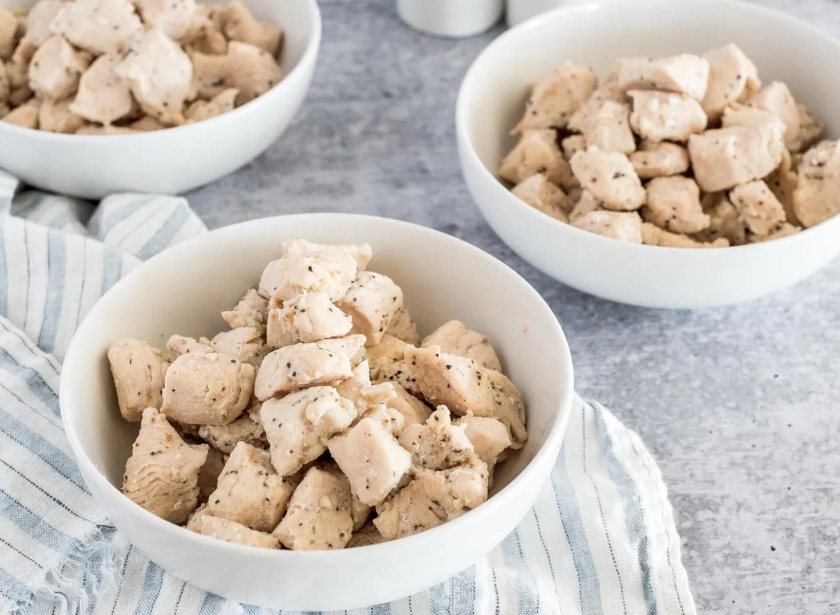
Baking/Roasting (For Hands-Off, Large Batches)
Need a big batch of cooked diced chicken for meal prep? The oven is your friend. Toss your diced chicken with a little oil, salt, pepper, and maybe some paprika or garlic powder. Spread it on a parchment-lined baking sheet. The parchment is non-negotiable for easy cleanup.
Roast at 400°F (200°C) for about 12-18 minutes, depending on dice size, tossing halfway through. The dry heat of the oven gives it a slightly different, more concentrated flavor than pan-searing. It's not as quick as the stovetop, but you can cook multiple pounds at once with minimal effort. This method yields fantastic diced chicken for grain bowls, casseroles, or just to have in the fridge for the week.
Storing, Reheating, and Freezing: Make Your Diced Chicken Last
Let's be real. We often cook more than we need. Proper storage is the difference between a handy ready-to-eat protein and a science experiment you have to throw out on Thursday.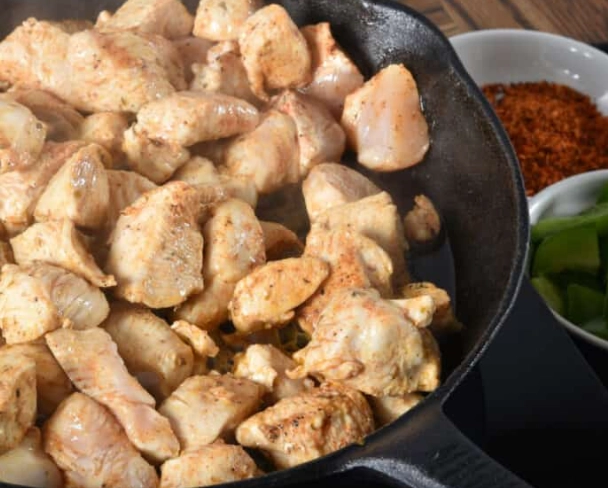
Fresh, Raw Diced Chicken: Keep it in its original packaging in the coldest part of your fridge (usually the back, bottom shelf). Use it within 1-2 days of purchase. If you've diced it yourself, store it in an airtight container. The clock doesn't reset because you cut it.
Cooked Diced Chicken: This is the meal prep superstar. Let it cool to room temperature (but don't leave it out for more than 2 hours). Then, into an airtight container in the fridge. It'll keep for 3-4 days. For the best quality, I try to use it within 3.
Freezing: You can freeze both raw and cooked diced chicken. For raw, I spread the pieces on a baking sheet, freeze them solid (this is called "flash freezing"), and then toss them into a freezer bag. This prevents them from freezing into one giant, unusable block. They'll keep for up to 9 months. Cooked diced chicken freezes well too, though the texture can become slightly drier upon thawing. It's perfect for tossing directly into soups or stews later.
Reheating is the final hurdle. The microwave is the enemy of juicy chicken. It zaps the moisture right out. If you must use it, add a tablespoon of water or broth to the container, cover it loosely, and reheat on medium power in short bursts, stirring in between.
The best way? Reheat it gently in a sauce. Tossing your refrigerated diced chicken into a simmering pasta sauce, curry, or soup for the last few minutes warms it through perfectly without further cooking it. For dry applications (like salads or bowls), let it come to room temperature for 30 minutes before serving. Cold, cooked chicken straight from the fridge is often dry and unappealing.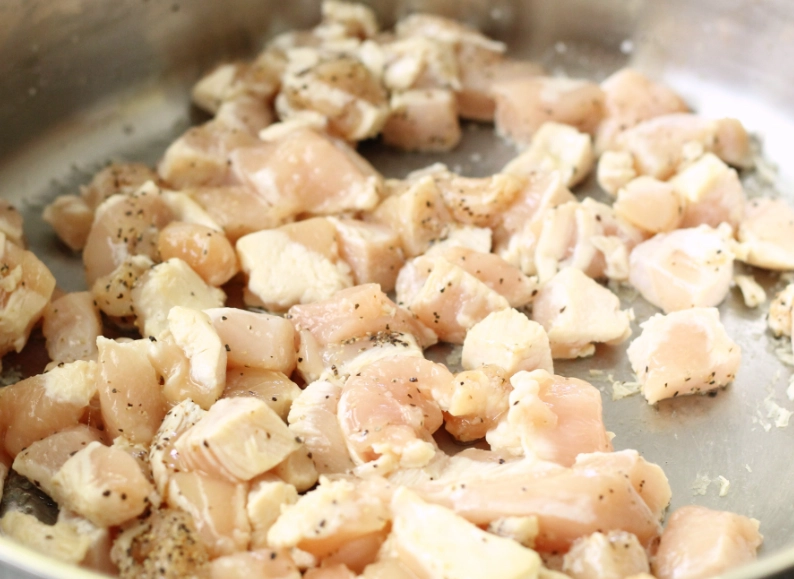
Answering Your Diced Chicken Questions (The FAQ)
Q: Can I dice chicken ahead of time and store it raw?
A: You can, but I'm cautious about it. From a safety perspective, dicing increases the surface area exposed to air and potential bacteria. If you do it, store the raw diced chicken in the coldest part of your fridge in a sealed container and cook it within 24 hours. Personally, I prefer to dice just before cooking for the freshest result.
Q: Why is my diced chicken always tough and rubbery?
A: Nine times out of ten, it's overcooked. Chicken, especially breast, goes from juicy to sawdust in a matter of minutes. Use a thermometer and pull it at 165°F. Also, cutting against the grain (as explained above) is a massive help. And consider switching to thighs for dishes where juiciness is paramount.
Q: What's the best way to add flavor to plain diced chicken?
A: Marinades and brines are your friends. Even a 30-minute soak in a simple mix of olive oil, lemon juice, garlic, salt, and herbs makes a world of difference. For a quick brine before dicing, soak your chicken pieces in a solution of 1/4 cup salt dissolved in 4 cups of cold water for 15-30 minutes. Rinse, pat dry, then dice and cook. It seasons the meat all the way through and helps it retain moisture. This trick from resources like Serious Eats is a game-changer.
Q: Is it cheaper to buy whole chicken and dice it myself?
A> Almost always, yes. A whole chicken costs less per pound than pre-cut parts. You get breasts, thighs, wings, and a carcass for stock. The trade-off is time and skill. You have to break down the bird. It's a valuable skill to learn (there are great tutorials online), but for a busy Tuesday, buying pre-cut boneless thighs might be worth the extra dollar for the convenience.
Putting It All Together: A Simple, Flawless Weeknight Recipe Idea
One-Pan Lemon Herb Diced Chicken & Veggies
This is the kind of recipe that proves the point. Uniform dicing means everything finishes at the same time.
You'll need: 1.5 lbs boneless, skinless chicken thighs (diced into 3/4" cubes), 1 red bell pepper (diced), 1 zucchini (diced), 1 small red onion (diced), 3 cloves garlic (minced), juice and zest of 1 lemon, 2 tbsp olive oil, 1 tsp dried oregano, salt & pepper.
Do this: Preheat oven to 425°F (220°C). On a large, parchment-lined baking sheet, toss the diced chicken and all diced veggies with olive oil, garlic, lemon zest, oregano, salt, and pepper. Spread in a single layer. Roast for 15-18 minutes, until the chicken is cooked through (165°F) and the veggies are tender and slightly charred. Remove from oven, drizzle with fresh lemon juice, and toss. Serve over rice or quinoa. The uniformity of your diced chicken and veggies ensures no burnt onions alongside raw chicken. It just works.
See? It all connects. The cut (thighs), the uniform dice, the right cooking method (high-heat roasting). That's the path from a potential kitchen fail to a reliable, delicious dinner.
Mastering diced chicken isn't about one fancy trick. It's about linking together a series of small, intentional choices – from the store, to the board, to the pan. Pay attention to those choices, and this humble ingredient stops being a chore and starts being the most reliable, versatile protein in your kitchen. You'll stop fearing the dry, bland bite and start looking forward to the juicy, flavorful one. Now go grab some chicken and give it a try. Your next stir-fry is waiting.
Related Articles