Perfect Roast Chicken Temperature: A Foolproof Guide for Juicy Results
Your Roast Chicken Roadmap
- Why Temperature for Roast Chicken is a Big Deal (Beyond Just Safety)
- The Core Temperature Guide: Your Roadmap to Juicy Chicken
- The Magic of Carryover Cooking and Resting
- Your Step-by-Step Guide to Applying the Perfect Temperature
- Advanced Temperature Considerations & Tricks
- Common Roast Chicken Temperature Questions (Answered)
- Wrapping It Up: Your Temperature Checklist
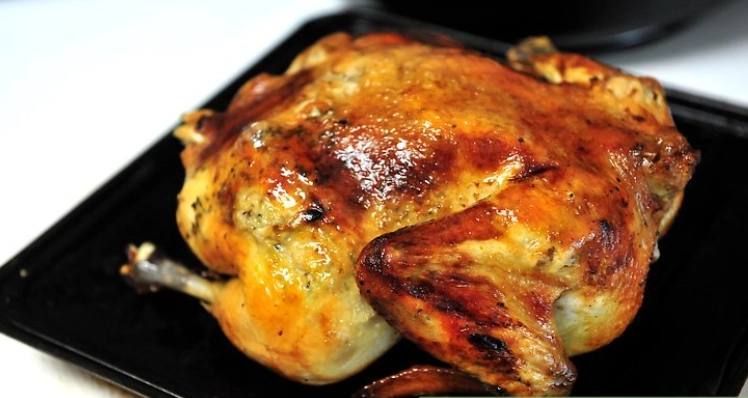
Let's be honest. We've all been there. You follow a recipe to the letter, you wait what feels like forever, you pull out what looks like a gorgeous, golden-brown bird from the oven... only to slice into a breast that's drier than the Sahara. The legs might be okay, but the white meat is a lost cause. Sound familiar?
I've ruined more chickens than I care to admit. My early attempts were either pink and terrifying near the bone or so overcooked they could have been used as a doorstop. The problem, almost every single time, wasn't the recipe, the herbs, or even the oven. It was my complete misunderstanding of the correct temperature for roast chicken.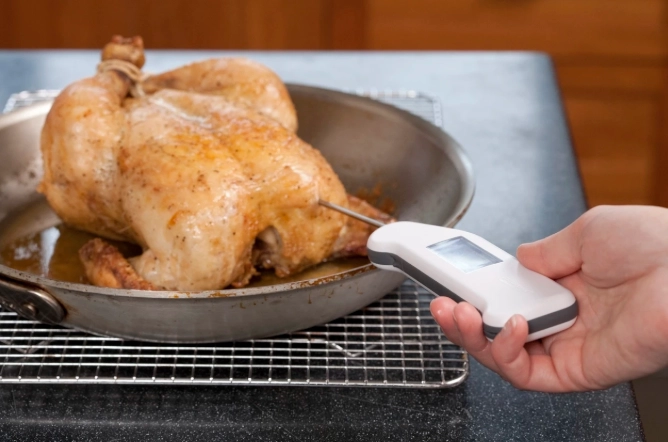
Getting the roast chicken temperature right is the single most important factor between a disappointing dinner and a show-stopping meal. It's the difference between juicy, tender meat that pulls cleanly from the bone and a tough, stringy mess. And it's not just one number. It's a whole strategy.
Think of temperature as your guide, not just a finish line. It tells you what's happening inside the meat, not just when to stop cooking.
Why Temperature for Roast Chicken is a Big Deal (Beyond Just Safety)
Most people know you need to cook chicken to a safe temperature to avoid getting sick. That's Food Safety 101. But hitting the right temperature for roast chicken does so much more than just kill bacteria.
It's the master controller for texture and flavor.
Texture: From Slick to Perfect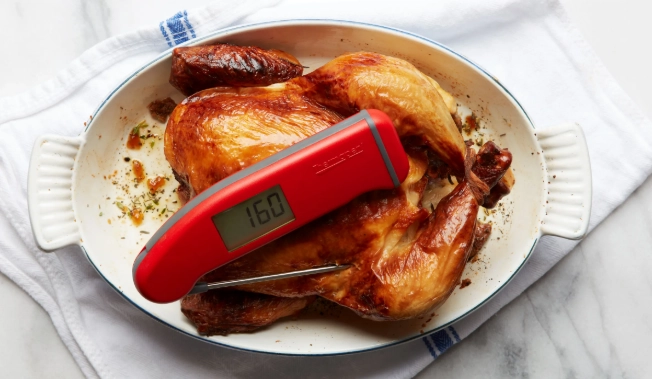
Chicken meat, especially the breast, is primarily made of proteins and water. As it heats up, the proteins tighten and squeeze out moisture. Do this too aggressively (i.e., at too high a temperature for too long), and you wring the chicken dry. The goal is to cook it just enough for the proteins to set and become tender, while retaining as much of that natural juice as possible.
Ever notice how a perfectly cooked chicken breast almost glistens when you cut into it? That's moisture. That's success. That's hitting the right internal temperature.
Flavor: It's Not Just Seasoning
High heat creates beautiful browning (the Maillard reaction) on the skin, which equals big flavor. But if the oven's too hot, the skin can burn before the inside is done. If it's too low, you get pale, rubbery skin. The art of roasting is balancing the external heat to crisp the skin while the internal heat gently cooks the meat to the perfect roast chicken temperature.
Also, fat renders better at certain temperatures. Getting the dark meat (thighs, legs) to a higher temp helps break down the connective tissue and fat, making it incredibly rich and falling-off-the-bone tender. The breast, with less fat, needs a gentler touch.
My biggest "aha!" moment was realizing the breast and thighs are done at different temperatures. I used to cook the whole bird until the breast was safe, leaving the thighs tough. Or I'd cook until the thighs were perfect, murdering the breast. There's a better way.
The Core Temperature Guide: Your Roadmap to Juicy Chicken
Okay, let's get down to numbers. Forget the single, scary number you might have in your head. Here’s the breakdown you actually need.
The golden rule? Always use a good instant-read digital thermometer. Don't guess. Don't rely on clear juices (they can run clear before the meat is safe) or wiggly legs. Trust the probe.
The Safety Floor: The Non-Negotiable Number
According to the U.S. Department of Agriculture (USDA), all poultry should be cooked to a minimum internal temperature of 165°F (74°C). At this temperature, harmful bacteria like Salmonella are destroyed instantaneously.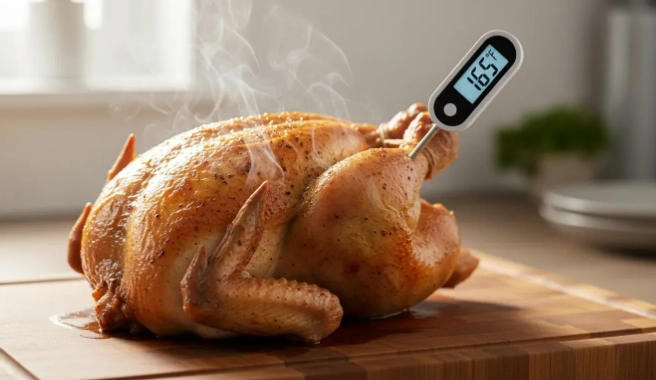
This 165°F is a safety minimum. It's the line you must cross. But for the best eating quality, especially for white meat, you often want to target a temperature slightly below this, knowing that carryover cooking will push it over the line. More on that in a second.
The Sweet Spot for Each Cut
This is where precision pays off. Different parts of the chicken thrive at different final temperatures.
| Chicken Part | Target Internal Temperature | Why This Temp? | Texture & Notes |
|---|---|---|---|
| Chicken Breast (Boneless) | 155°F - 160°F (68°C - 71°C) | Pulls from oven at 155°F. Residual heat will carry it to 160°F+. | Maximizes juiciness. Meat is opaque, firm yet tender, not stringy. |
| Chicken Thighs & Legs (Bone-in) | 170°F - 175°F (77°C - 79°C) | Connective tissue (collagen) needs higher heat to melt into gelatin. | Meat is incredibly tender, juicy, and pulls easily from the bone. |
| Whole Chicken (Breast area) | 155°F - 160°F (68°C - 71°C) | Protect the delicate breast while allowing legs to cook longer. | Requires strategic positioning or spatchcocking. The holy grail. |
| Whole Chicken (Thigh area) | 170°F - 175°F (77°C - 79°C) | Ensures dark meat is fully rendered and tender. | Check both the breast and thigh. Thigh temp is your final cue. |
| Wings | 165°F - 170°F (74°C - 77°C) | Skin should be crispy, meat cooked through. | Easy to overcook. Watch them closely if roasting separately. |
See the challenge with a whole bird? The breast is perfect around 155°F, but the thighs need 170°F+. If you cook the whole thing to 165°F, the breast is often overdone by the time the thighs are just barely safe. This leads us to the most important technique in your arsenal.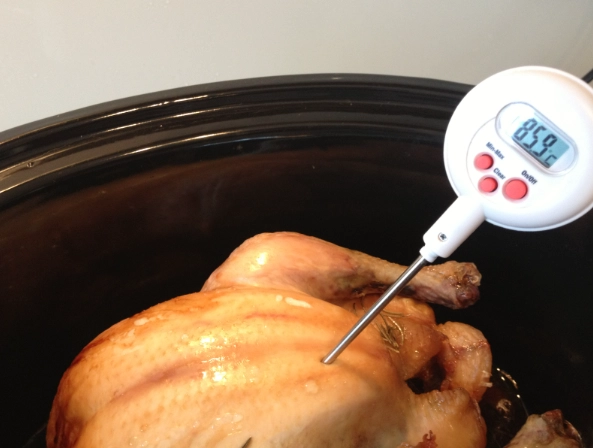
The Magic of Carryover Cooking and Resting
This is the pro trick that most beginner recipes gloss over. When you take food out of the oven, the cooking doesn't stop immediately. The intense heat on the outside continues to travel inward, raising the internal temperature. This is called "carryover cooking" or "residual heat."
For a large, dense item like a whole roast chicken, the internal temperature can rise by 5 to 10 degrees Fahrenheit after it leaves the oven.
So, if you want your chicken breast to end up at a safe 165°F, you should actually remove the whole bird from the oven when the breast reads 155°F-160°F. Then, you let it rest, tented loosely with foil, for at least 15-20 minutes. During this rest, three wonderful things happen:
- Carryover Cooking: The temperature climbs those last few degrees, ensuring safety without direct heat.
- Juice Redistribution: The fierce heat caused the juices to rush to the center. Resting allows them to settle back throughout the meat. If you cut immediately, all those precious juices just flood onto your cutting board.
- Easier Carving: The meat fibers relax, making it much simpler to carve clean slices.
I used to be so impatient. I'd poke and prod the chicken the second it came out, letting all the steam escape. The result was always drier meat. Forcing myself to wait 20 minutes was a game-changer. The chicken is still plenty hot to serve, I promise.
Your Step-by-Step Guide to Applying the Perfect Temperature
Let's put this all together into a practical plan. How do you actually achieve these perfect temperatures in a real kitchen?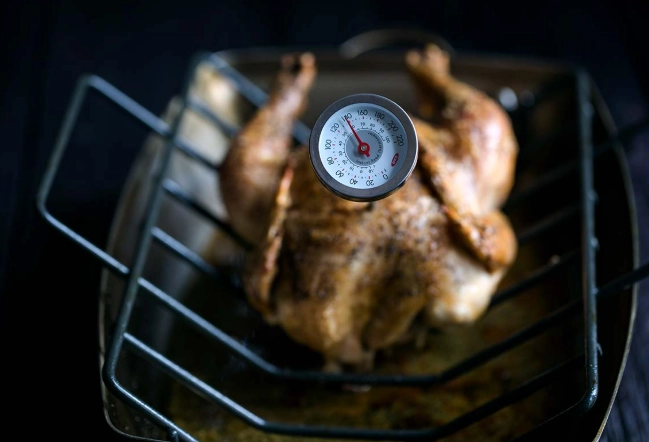
Step 1: Preparation is Key
Pat the chicken extremely dry, inside and out, with paper towels. Wet skin steams; dry skin roasts and crisps. Season generously under the skin and in the cavity. Let it sit uncovered in the fridge for a few hours or even overnight (dry-brining) for the ultimate crisp skin and seasoned meat.
Step 2: The Roasting Strategy
For a Whole Chicken: I'm a huge advocate for spatchcocking (removing the backbone and flattening the bird). It creates a uniform thickness so the breast and thighs cook more evenly, making it infinitely easier to hit both target temperatures. Roast at a high heat (425°F-450°F) to start for crisp skin, then you can lower it if needed.
For Parts: Consider cooking dark and white meat separately. Or, put the thighs in the oven 10-15 minutes before the breasts.
Step 3: The Temperature Check Protocol
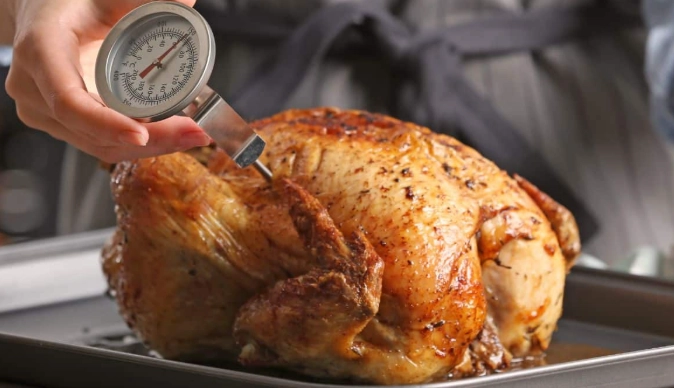
Start checking the temperature earlier than you think. For a 4-pound chicken, maybe at the 45-minute mark. Insert your thermometer into the thickest part of the breast, avoiding the bone. Then check the thickest part of the thigh. If the breast is at 155°F and the thigh is only at 160°F, you might need to shield the breast with a small piece of foil to slow its cooking while the thighs catch up.
Step 4: The Final Act - Resting
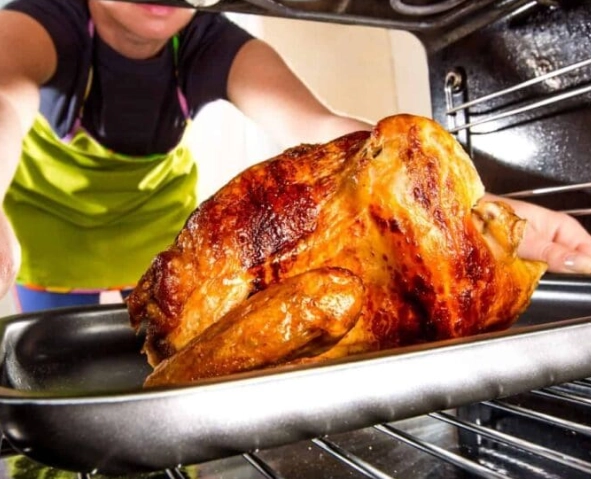
When the breast is around 155°F-160°F and the thighs are at or above 170°F, take it out. Transfer to a cutting board, tent loosely with foil, and walk away. Set a timer for 20 minutes. Go make your side dishes. This is non-negotiable for a juicy roast chicken.
Advanced Temperature Considerations & Tricks
Once you've mastered the basics, a few extra nuances can elevate your chicken even further.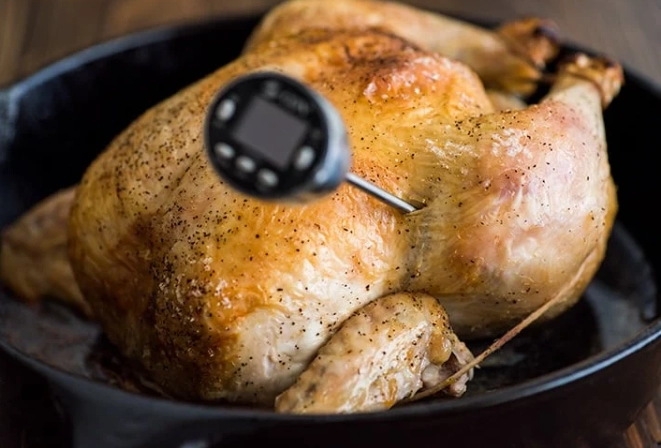
Bone-In vs. Boneless
Bone-in meat cooks slower and more evenly than boneless. The bone acts as an insulator, protecting the meat closest to it from the fiercest heat. This often results in juicier meat. Your temperature for roast chicken with bones will take longer to climb, but the result is often more forgiving.
Stuffed vs. Unstuffed
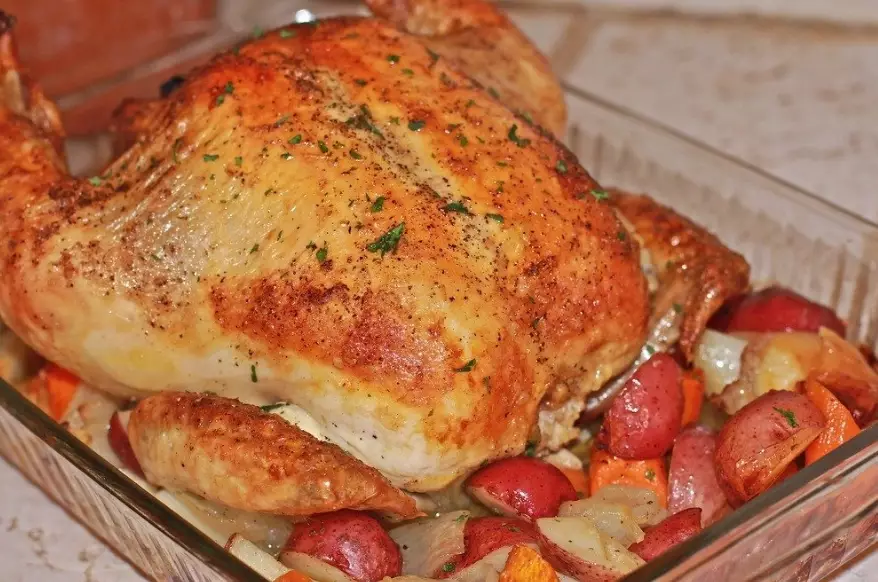
I strongly advise against stuffing the cavity with a bread-based stuffing. It acts as an insulator, slowing the cooking of the inner thigh and backbone meat, which can lead to unsafe temperatures there while the breast overcooks. If you want stuffing, cook it separately. For flavor, put herbs, lemon halves, and garlic in the cavity—these don't hinder heat transfer as much.
Low and Slow? For Chicken?
It's not common for a whole bird, but cooking chicken at a very low temperature (e.g., 275°F) can yield incredibly tender, juicy meat with less shrinkage. The downside? Pale, rubbery skin. The fix? A final blast under a broiler or in a very hot oven (500°F) for just a few minutes to crisp the skin. This method requires tight temperature monitoring.
If you try low-and-slow, still pull the chicken at the same target internal temperatures. The only thing that changes is the oven's ambient temperature and the cooking time.
Common Roast Chicken Temperature Questions (Answered)
Let's tackle the stuff people are really searching for.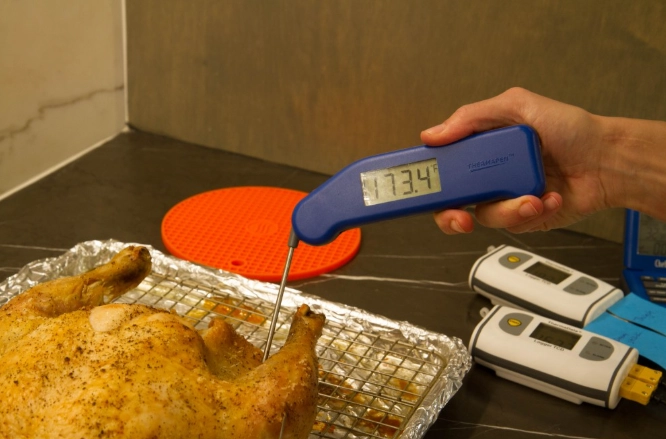
Wrapping It Up: Your Temperature Checklist
Getting the perfect temperature for roast chicken isn't about memorizing one number. It's a process. Here’s your final checklist to tape to the fridge:
- Tool Up: Buy a reliable instant-read digital thermometer. It's the best $25 you'll spend in the kitchen.
- Target Smart: Aim for 155°F-160°F in the breast, 170°F-175°F in the thighs.
- Check Early & Often: Start checking temperatures before you think you need to.
- Embrace the Rest: Pull the chicken out early and let carryover cooking do the final work. Rest for 20 minutes minimum.
- Consider Spatchcocking: It solves the uneven cooking problem beautifully.
Mastering this turned roast chicken from a stressful weekend project into my most reliable, crowd-pleasing weeknight meal. It feels like a magic trick when you serve it. The skin crackles, the meat juices pool on the plate, and everyone thinks you're a genius.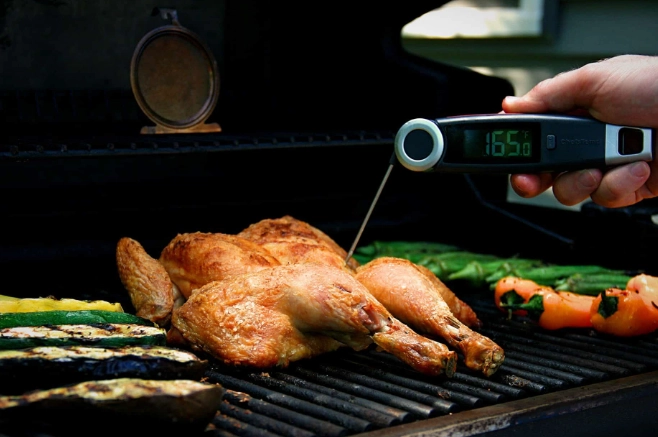
And you know what? You will be.
Because you stopped guessing and started measuring. You understood that the right roast chicken temperature isn't a mystery—it's a knowable, achievable goal. Now go preheat that oven. Your perfect chicken awaits.
Related Articles