Dark Chicken Meat: Nutrition, Flavor, and Cooking Guide (Thighs, Legs, Drumsticks)
In This Deep Dive
Let's talk about dark chicken meat. You know, the parts that sometimes get a bad rap but are secretly the favorite of chefs and home cooks who know what's up. I'm talking about chicken thighs, legs, and drumsticks. That rich, juicy, flavorful meat that stays moist when chicken breast often turns into a dry, sad piece of cardboard.
I used to be a breast-only person. I bought into the whole "it's leaner, so it must be better" thing. That was until I accidentally bought a pack of bone-in, skin-on chicken thighs for a recipe and my world changed. The flavor was deeper. The texture was forgiving. It didn't dry out if I got distracted for five extra minutes. It was a revelation.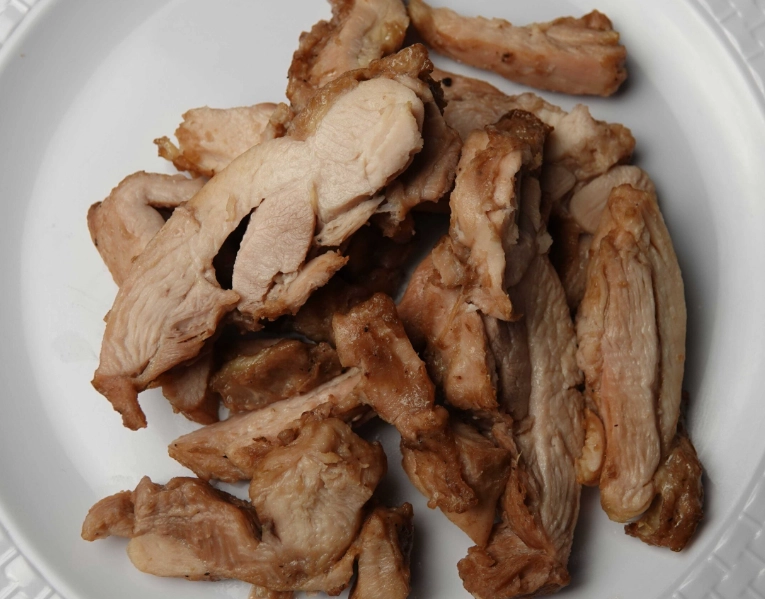
So what's the deal with dark meat? Why does it look different, taste different, and cook differently? And is all the talk about it being unhealthy just a bunch of nonsense? We're going to dig into all of that.
Here's the thing a lot of people miss: Dark meat isn't a monolith. There's a difference between a chicken thigh and a drumstick, between skin-on and skin-off, between bone-in and boneless. Treating them all the same is your first mistake.
What Exactly Is Dark Chicken Meat?
First, a quick biology lesson. The color difference between white and dark chicken meat comes from a protein called myoglobin. Myoglobin stores oxygen in muscles. Muscles that get more use need more oxygen, so they have more myoglobin, which makes them darker.
Chickens don't fly much, but they walk and stand a lot. The legs and thighs are constantly working. The breast muscles (the pectorals), which would be used for flying, aren't used as much in a chicken that spends its life on the ground. More work in the legs = more myoglobin = darker meat. It's that simple.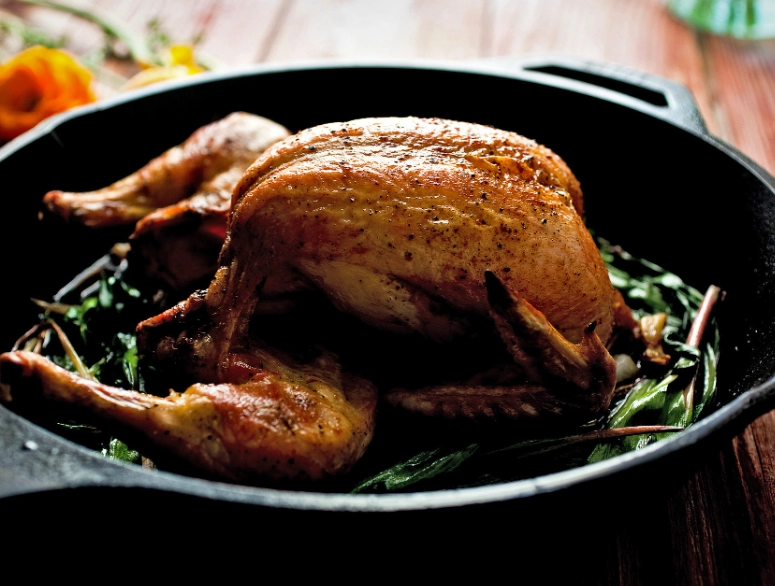
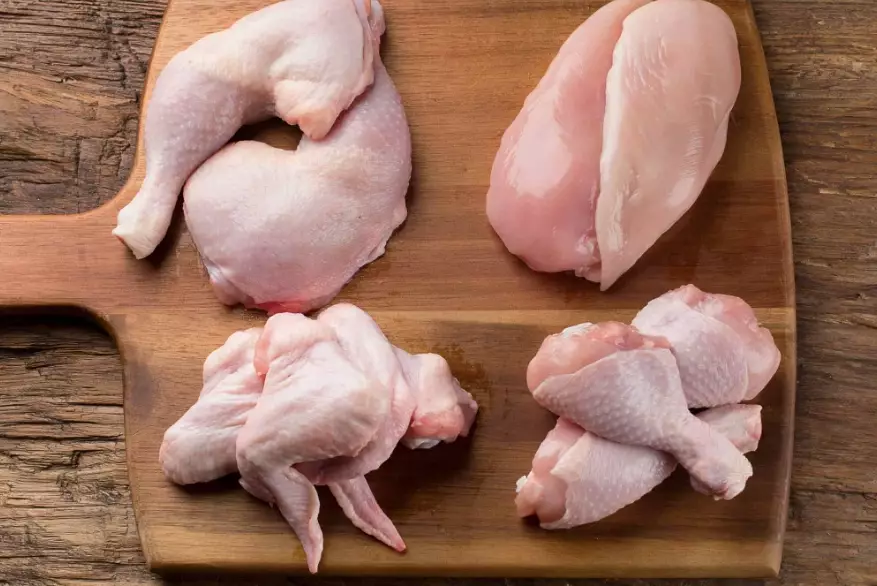
The main types of dark chicken meat you'll find are:
- Thighs: The upper part of the leg. This is the king of dark meat in my opinion. It's got a perfect fat-to-meat ratio, it's incredibly versatile, and it's hard to mess up. You can buy them bone-in, bone-in with skin, or boneless/skinless.
- Drumsticks: The lower part of the leg. These are the handle-shaped pieces kids love. They're fun to eat, have a slightly different texture than thighs, and are fantastic for grilling or baking.
- Leg Quarters: The whole leg, thigh and drumstick still attached. This is often the most economical way to buy dark meat. It's great for slow cooking or roasting.
I remember asking a butcher once why thighs cost less than breasts. He laughed and said, "Because people think they should." It's a perception thing, not a quality thing.
The Nutrition Story: Is Dark Meat Healthy?
This is where people get confused. Let's look at the facts, not the rumors. I pulled data from the USDA FoodData Central, which is the gold standard for this stuff.
| Nutrient (per 100g raw, skinless) | Chicken Breast | Chicken Thigh (dark meat) | What it means |
|---|---|---|---|
| Calories | 165 | 209 | Thighs have about 45 more calories. Not a huge difference in a normal serving. |
| Total Fat | 3.6g | 10.9g | This is the big one. Thighs have about 3x the fat. But wait... |
| Saturated Fat | 1.0g | 3.0g | Most of the extra fat is unsaturated (the better kind). |
| Protein | 31.0g | 26.0g | Breast wins on pure protein density, but thighs are still an excellent source. |
| Iron | 0.7mg | 1.3mg | Dark meat has nearly double the iron, which is crucial for energy. |
| Zinc | 0.7mg | 2.1mg | Thighs have triple the zinc, important for immune function. |
| Vitamin B12 | 0.3μg | 0.7μg | Another significant win for dark meat. |
See? It's not a simple "breast is healthy, thigh is unhealthy" story. Dark chicken meat brings different nutrients to the table. The extra fat in thighs is mostly monounsaturated and polyunsaturated fat—the same kinds found in olive oil and avocados, which are considered heart-healthy. The Harvard T.H. Chan School of Public Health has resources discussing dietary fats and their sources, noting the importance of the type of fat over simply the amount.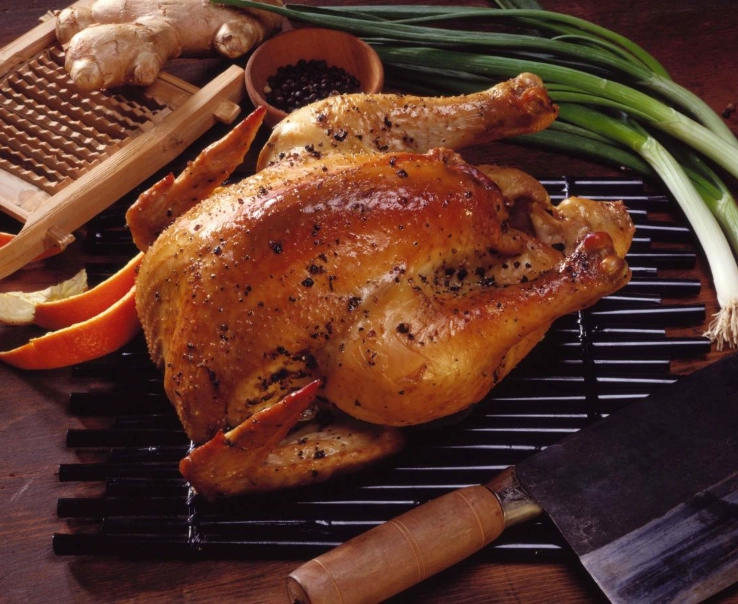
Myth Busting Time: "Dark meat is bad for your heart." This is an oversimplification. While it has more saturated fat than breast, the overall fat profile, coupled with its rich micronutrient content, means it can absolutely fit into a balanced diet. The World Health Organization and other health bodies focus on overall dietary patterns, not demonizing single foods like dark meat chicken.
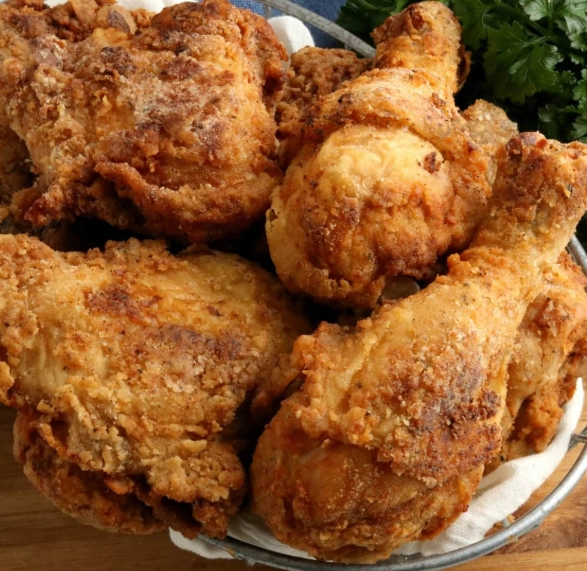
The key, as with anything, is portion and preparation. A skinless, baked chicken thigh is a far cry from a deep-fried, battered drumstick drenched in sauce. The cooking method matters more than the cut itself a lot of the time.
Cooking Dark Chicken Meat: Why It's More Forgiving
This is the real magic. The higher fat content in dark meat acts as a built-in safety net. It bastes the meat from the inside as it cooks. This means:
- It's harder to overcook. You get a wider window of "doneness" before it turns dry and tough. With breast meat, that window is about 2 minutes. With thighs, it can be 10-15 minutes. A lifesaver for busy weeknights.
- It absorbs marinades and spices better. The fat carries flavor. A spice rub on a thigh will taste richer and deeper than the same rub on a breast.
- It holds up to longer cooking methods. Braising, stewing, slow-cooking—these are where dark meat shines. It becomes fall-apart tender, while breast meat in the same pot can become stringy.
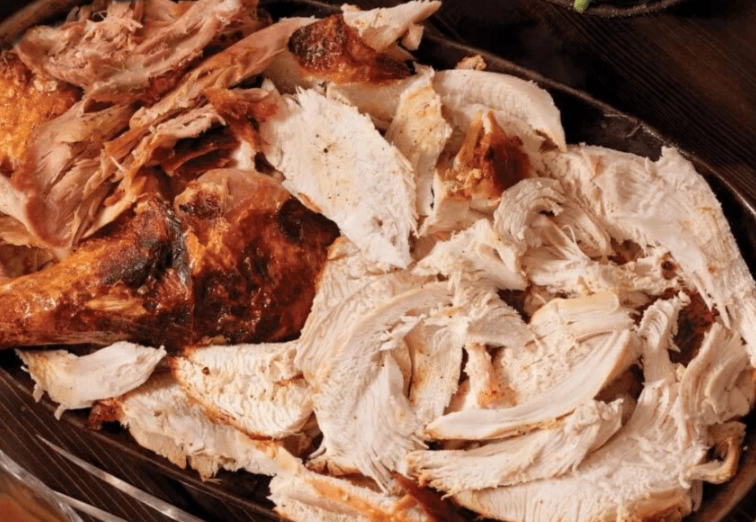
My Top Methods for Cooking Dark Meat
Everyone has their favorites, but here's my personal ranking based on flavor and ease:
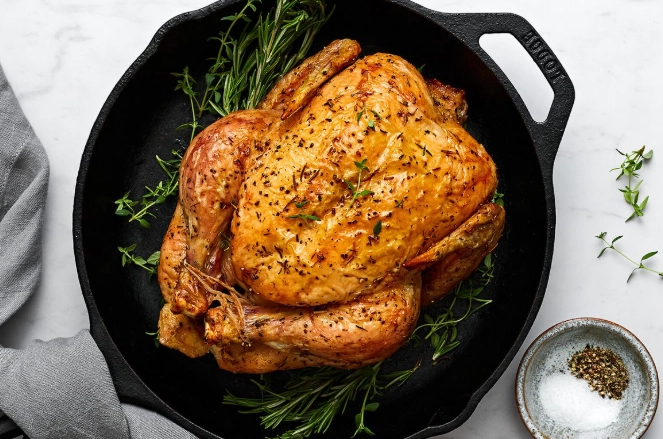
- Pan-Searing and Oven Finishing: This is my go-to. Get a cast-iron or stainless steel skillet screaming hot. Pat the thighs dry, season generously. Place them skin-side down (if you have skin) and don't touch them for 6-8 minutes. You want that golden, crispy crust. Then flip and throw the whole skillet into a 400°F oven for 10-15 minutes to finish cooking through. The result is insane—crispy skin, juicy interior.
- Grilling: Dark meat and fire are best friends. The fat drips, causes flare-ups, and creates incredible smoky, charred flavor. Keep the heat medium-high and move pieces away from major flames to avoid burning. Bone-in pieces are fantastic here.
- Braising: Brown your thighs, then let them simmer low and slow in a flavorful liquid (wine, stock, tomatoes) with vegetables. After 45 minutes to an hour, the meat is so tender it falls off the bone. The cooking liquid becomes a killer sauce.
- Slow Cooking: The ultimate "set it and forget it." Toss thighs in the crockpot with some sauce in the morning, come home to a meal. The fat renders slowly, keeping everything moist.
Baking is fine, but I find it can sometimes dry out the exterior before the interior is done if you're not careful. I prefer the combo methods.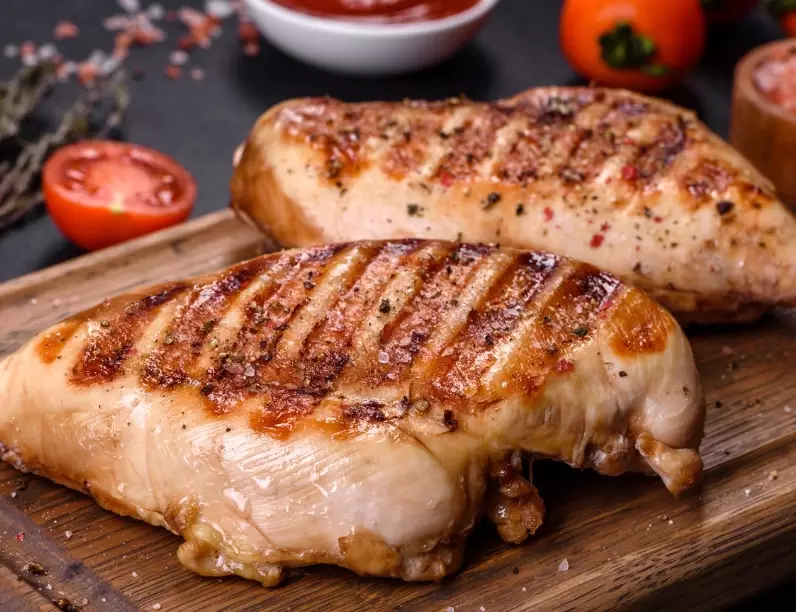
Buying and Storing: Getting the Best Dark Meat
Not all packages are created equal. Here's what I look for:
- Color: The meat should be a consistent pinkish-red. Avoid any that look grayish or have dry spots.
- Packaging: No excessive liquid (called "purge") in the tray. A little is normal, a pool means it's been sitting or was frozen and thawed.
- Bone-in vs. Boneless: This is a taste and time decision. Bone-in, skin-on will give you the most flavor and juiciest result because the bone insulates and the skin protects. It's also cheaper. Boneless, skinless is faster and more convenient for things like stir-fries or quick sautés. I keep both in my freezer.
- Fresh vs. Frozen: Fresh is great, but don't sleep on frozen. Individually quick frozen (IQF) dark meat chicken pieces are a staple in my freezer. They lock in quality and you can pull out exactly what you need.
Pro Storage Tip: If you buy a big tray, don't store it in the store packaging. Transfer the dark chicken meat to airtight containers or wrap tightly in plastic. Use within 1-2 days, or freeze immediately. In the freezer, it's good for up to 9 months for best quality, though it'll be safe longer.
And about price—dark meat is almost always cheaper per pound than white meat. It's one of the best protein bargains at the grocery store. When budgets are tight, a family pack of chicken thighs can be the foundation of multiple meals.
Common Questions About Dark Chicken Meat (FAQ)
I get a lot of questions about this. Let's tackle the big ones.
Final Thoughts: Give Dark Meat a Chance
Look, I'm not saying you should never eat chicken breast again. It has its place—in salads, in dishes where a very lean, mild protein is needed. But if you've been avoiding dark chicken meat because you think it's unhealthy, or you tried it once and it was poorly cooked, I urge you to give it another shot.
Start with a simple recipe. Get some bone-in, skin-on chicken thighs. Salt and pepper them. Sear them skin-side down until golden, finish in the oven. That's it. Taste the difference. Notice the juiciness.
From a budget perspective, from a flavor perspective, from a "I-don't-want-to-stress-about-dinner" perspective, dark meat is a winner. It's time we stopped treating it as a second-class citizen and recognized it for what it is: a versatile, delicious, and nutritious staple that deserves a regular spot on our plates.
The conversation around food and nutrition is always evolving. For a broader look at healthy eating patterns that can include foods like dark meat poultry, resources from institutions like the Harvard School of Public Health Nutrition Source can provide valuable context, emphasizing overall diet quality rather than fixating on single nutrients in single foods.
So next time you're at the store, walk past the overpriced breasts and grab a pack of thighs. Your taste buds (and maybe your wallet) will thank you.
Related Articles