Chicken Tenderloin Nutrition Facts: Protein, Calories & Health Benefits
Explore the Article
- The Core Chicken Tenderloin Nutrition Facts (No Fluff)
- How Does It Stack Up? Chicken Tenderloin vs. Breast vs. Thigh
- Health Benefits: Why Bother with This Specific Cut?
- Cooking's Impact on Chicken Tenderloin Nutrition
- Who Is Chicken Tenderloin Especially Good For?
- Your Chicken Tenderloin Nutrition Questions, Answered
- Putting It All Together: Making Smart Choices
Let's be honest, when we grab a pack of chicken tenderloins from the grocery store, most of us are thinking about dinner being easy and tasty, not necessarily about the precise breakdown of vitamins and minerals. But if you're trying to eat better, build muscle, or just understand what's fueling your body, knowing the real deal on chicken tenderloin nutrition is surprisingly important. It's one of those foods that gets tossed into the "healthy" basket without much thought, but the details matter.
I used to just assume it was the same as chicken breast. Turns out, I was wrong in a few small but interesting ways.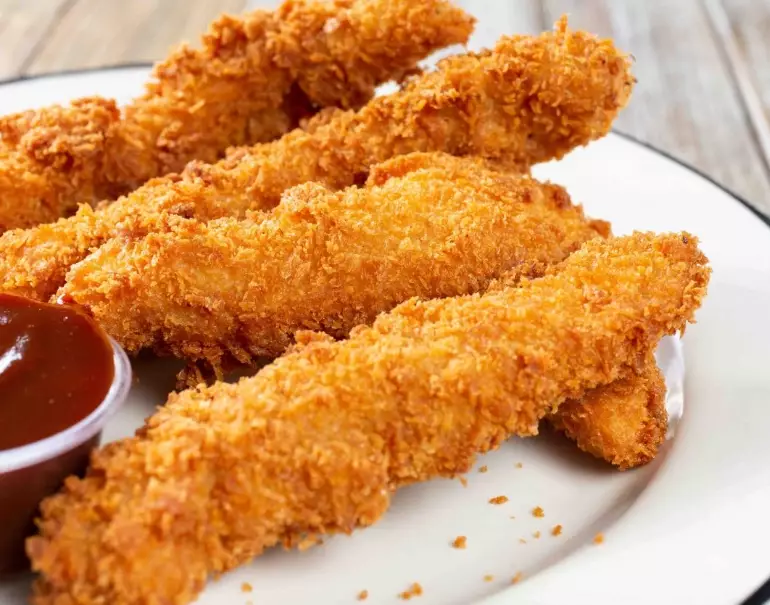
The Core Chicken Tenderloin Nutrition Facts (No Fluff)
Alright, let's get down to brass tacks. What are you actually getting in a serving? The gold standard for this kind of data is the USDA's FoodData Central. According to their entries for raw, skinless, boneless chicken tenderloin, here’s the typical breakdown for a 4-ounce (112-gram) serving. This is about the size of two large tenderloins or one decent-sized palm-sized portion.
| Nutrient | Amount per 4oz (112g) | % Daily Value (DV)* |
|---|---|---|
| Calories | 120 kcal | 6% |
| Protein | 26g | 52% |
| Total Fat | 1.5g | 2% |
| Saturated Fat | 0.5g | 3% |
| Cholesterol | 75mg | 25% |
| Sodium (naturally occurring) | 65mg | 3% |
| Niacin (Vitamin B3) | 12.5mg | 78% |
| Vitamin B6 | 0.7mg | 42% |
| Selenium | 27.5mcg | 50% |
| Phosphorus | 220mg | 18% |
*Based on a 2,000 calorie diet. DVs are rough estimates.
The first thing that jumps out is the protein. Twenty-six grams. That's a ton from a relatively small piece of meat. It's why this cut is a staple for athletes and anyone in a muscle-building phase. The chicken tenderloin protein content is incredibly high-quality, meaning it contains all nine essential amino acids your body can't make on its own.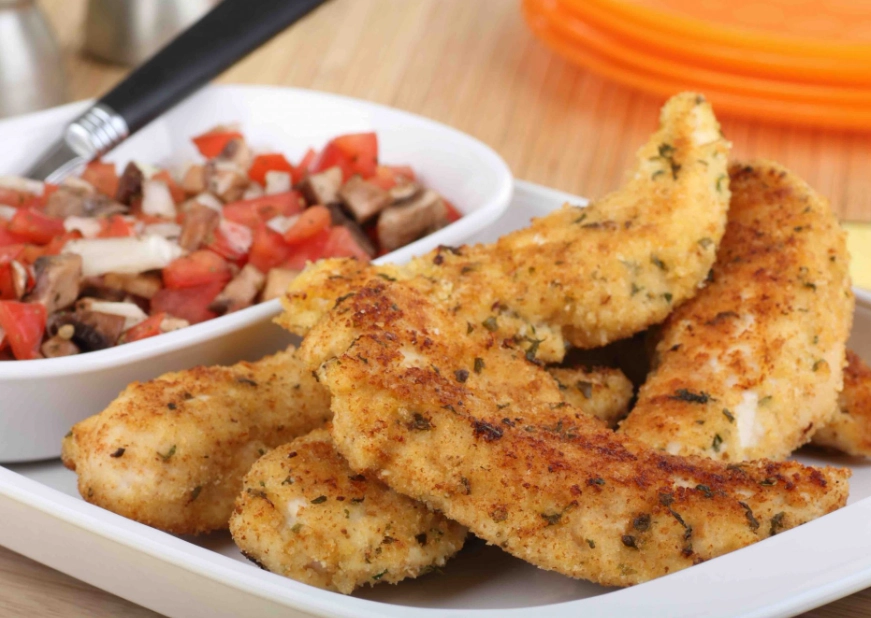
But look at the fat. Or rather, the lack of it. At just 1.5 grams of total fat, it's incredibly lean. This is the main reason people choose it for weight management. You get a massive protein payoff for a very low chicken tenderloin calories and fat cost.
The cholesterol number sometimes gives people pause. Seventy-five milligrams per serving. Dietary cholesterol's impact on blood cholesterol is more complex than we once thought, with saturated and trans fats playing a larger role for most people. Organizations like the American Heart Association now focus more on overall dietary patterns. For a healthy person, lean poultry like this fits perfectly into a heart-conscious diet, especially when you consider the low saturated fat.
The Micronutrient Story: The Vitamins and Minerals You Might Miss
We obsess over protein and calories, but the micronutrients are where a lot of the magic happens for your overall health. The chicken tenderloin nutrition profile is particularly strong in B vitamins.
That Niacin (B3) number is wild—nearly 80% of your DV. Niacin is crucial for converting food into usable energy and for keeping your nervous system, digestive system, and skin healthy. The high B6 content is a big deal too. It's vital for protein metabolism, cognitive development, and immune function. If you're eating a few of these a week, you're covering a huge portion of your B-vitamin needs without even trying.
Selenium is another unsung hero here. It's a powerful antioxidant that supports thyroid function and helps protect your cells from damage. Getting 50% of your daily needs from one food item is nothing to sneeze at.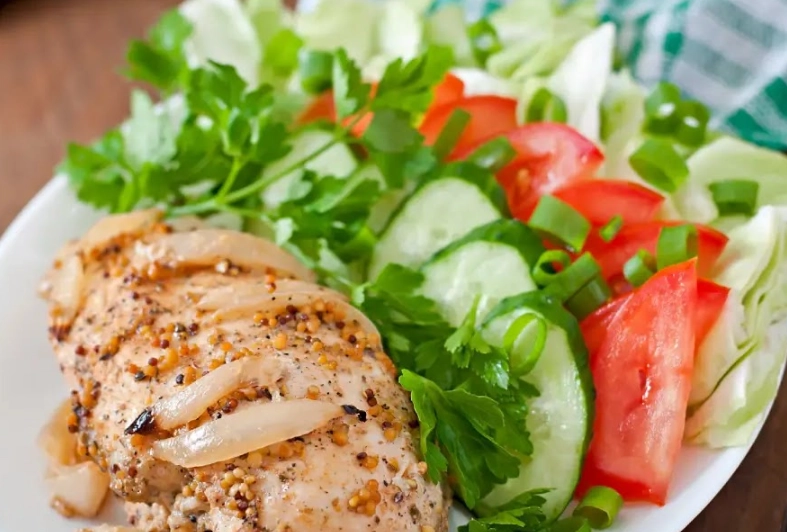
How Does It Stack Up? Chicken Tenderloin vs. Breast vs. Thigh
This is the question everyone really wants answered. Is tenderloin actually better, or just more expensive? Let's compare equal 4-ounce servings (raw, skinless, boneless). The data, again, is sourced from the USDA FoodData Central database, which is the most reliable public resource for this.
| Nutrient | Chicken Tenderloin | Chicken Breast | Chicken Thigh |
|---|---|---|---|
| Calories | 120 | 123 | 209 |
| Protein | 26g | 26g | 23g |
| Total Fat | 1.5g | 2.7g | 13g |
| Saturated Fat | 0.5g | 0.7g | 3.5g |
See that? The chicken tenderloin nutrition facts are almost identical to the breast for protein and calories—they're essentially twins in that department. The breast has a touch more fat, but we're talking about a difference of about one gram. In practical terms, for dieting, it's negligible.
The real difference is texture and cooking time. Tenderloins are, as the name implies, more tender and cook much faster. Breasts can dry out if you're not careful; tenderloins are a bit more forgiving. But you often pay a premium for that convenience and texture.
Now look at the thigh. It's a different beast entirely (pun intended). Higher in calories and significantly higher in fat, but also richer in flavor and iron. It's not "worse"; it serves a different purpose. If you're on a strict cut, the tenderloin wins on leanness. If you're maintaining or need more sustained energy, the thigh's fat content can be beneficial.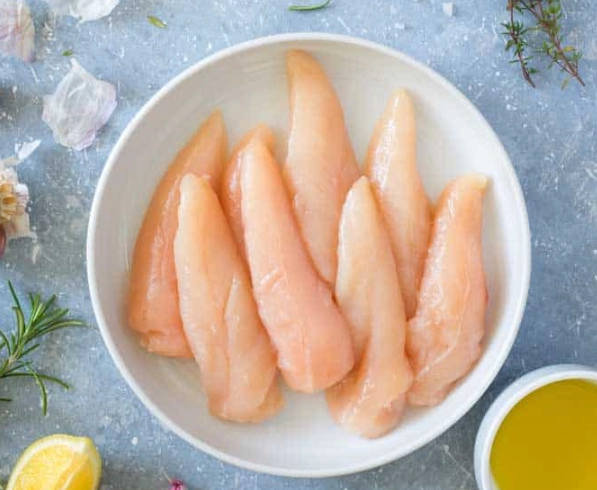
Health Benefits: Why Bother with This Specific Cut?
Beyond the raw numbers, what does eating chicken tenderloin actually do for you? The benefits tie directly back to that stellar chicken tenderloin nutrition profile.
Muscle Building and Maintenance
This is the big one. That 26 grams of complete protein is like sending a construction crew to your muscles after a workout. Protein provides the amino acid building blocks for repair and growth. For older adults, this high-quality protein is critical to combat age-related muscle loss, a condition called sarcopenia. It's not just for bodybuilders.
Weight Management and Satiety
Protein is the most satiating macronutrient. It makes you feel full longer. When you combine high protein with very low calories and fat, you get a food that fills you up without blowing your daily energy budget. This is the simple, effective logic behind why chicken tenderloin (and breast) are diet staples. It's hard to overeat them when they're prepared simply.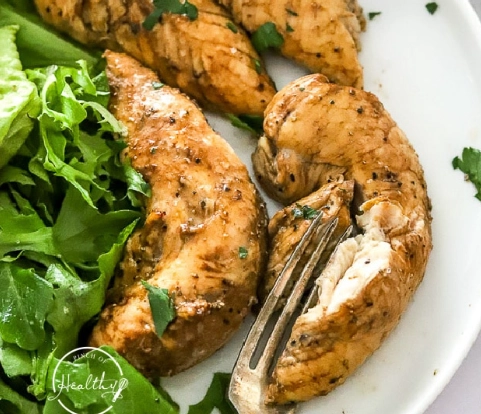
Metabolic Support
All those B vitamins (Niacin, B6) aren't just listed for fun. They are coenzymes, meaning they help enzymes in your body do their jobs. Those jobs include breaking down carbohydrates, fats, and proteins for energy. A diet rich in B vitamins from natural sources like poultry supports a more efficient metabolism. Think of it as keeping your internal engine running smoothly.
Honestly, sometimes I feel like my energy levels are more stable on days I have a good lean protein source like this for lunch, compared to a heavy carb meal. It's anecdotal, but it makes sense given the science.
Cooking's Impact on Chicken Tenderloin Nutrition
Here's where people mess up. You can take this incredibly lean, healthy protein and turn it into a calorie and sodium bomb without realizing it. How you cook it changes everything.
Let's talk about a 4-ounce serving cooked in different ways. The numbers shift.
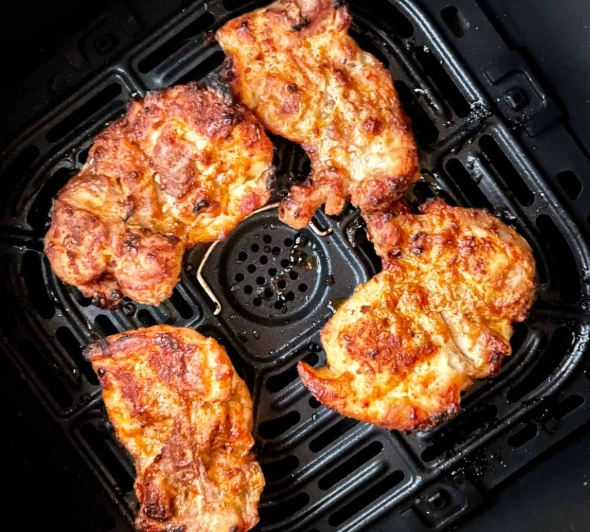
- Grilled or Baked (Plain): Calories stay around 150-160. Protein content condenses a bit to about 30g as water cooks out. This is the ideal, preserving the inherent chicken tenderloin nutrition benefits.
- Pan-Fried in a Teaspoon of Oil: Adds about 40 calories and 4.5g of fat. Still a very healthy option if you use a good oil like olive or avocado.
- Deep-Fried (like restaurant tenders): This is the game-changer. A deep-fried tenderloin can easily soak up an extra 10-15 grams of fat and 100+ calories each, not to mention a ton of refined carbs from the breading. The chicken tenderloin calories can triple. You've essentially created a different food.
- Marinated in Heavy Sauces: Teriyaki, sugary BBQ, creamy sauces—these can add significant sugar, sodium, and fat before you even start cooking.
The Sodium Trap: Pre-Marinated and Processed Tenderloins
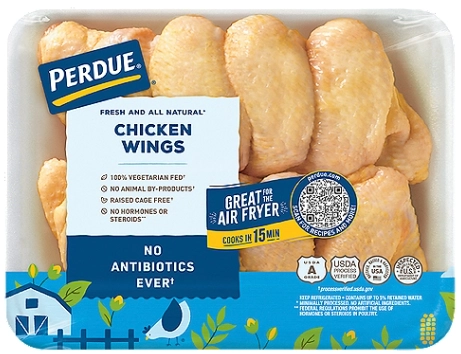
Walk down the meat aisle. You'll see packs marinated in "lemon herb," "southwest spice," or "garlic butter." They're convenient, but check the label. I've seen some with over 500mg of sodium per serving before cooking. Compare that to the natural 65mg. If you have blood pressure concerns, you're undoing one of the natural advantages of the cut. The CDC recommends limiting sodium to under 2,300mg daily, so one serving of a heavily processed tenderloin could be a quarter of that.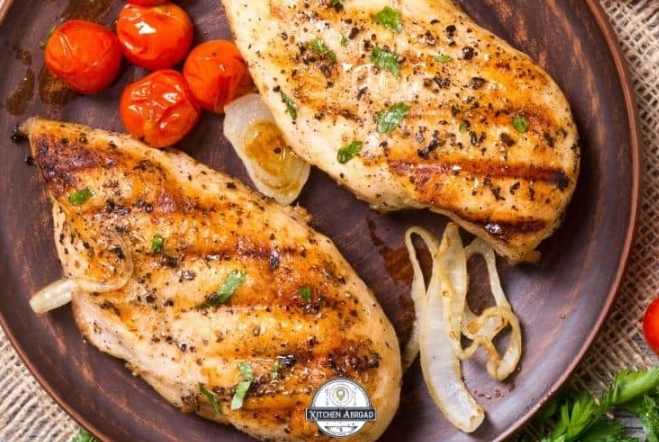
My advice? Buy plain. Marinate yourself for 30 minutes in lemon juice, herbs, and a pinch of salt. You control everything.
Who Is Chicken Tenderloin Especially Good For?
Given its specific chicken tenderloin nutrition strengths, it shines for certain goals and lifestyles.
- Athletes and Gym-Goers: The high protein-to-calorie ratio is perfect for supporting muscle repair without excess fat intake. It's a post-workout meal staple for a reason.
- People on Weight Loss Journeys: Its ability to promote fullness (satiety) while being low in energy density makes it a powerful tool for creating a calorie deficit without constant hunger.
- Older Adults: As mentioned, combating muscle loss is crucial. The tender texture is also a plus for anyone who finds tougher meats hard to eat.
- Meal Preppers: It cooks quickly and uniformly, absorbs flavors well, and reheats decently without becoming too dry. A weekly batch is easy to manage.
That said, it's not the only option. If you're struggling to meet your calorie needs (e.g., some athletes, people trying to gain weight), the lean nature might be a drawback. You might be better off with the higher-calorie thigh or adding healthy fats like avocado or nuts to your tenderloin meal.
Your Chicken Tenderloin Nutrition Questions, Answered
Putting It All Together: Making Smart Choices
Understanding chicken tenderloin nutrition is more than memorizing numbers. It's about applying that knowledge in the real world.
When shopping, look for packages that say "100% chicken tenderloin" without added solutions or marinades. The ingredient list should have one thing: chicken tenderloin. Check the nutrition label to confirm low sodium. If you're buying frozen pre-cooked breaded tenders for convenience, that's fine—just understand you're buying a processed food with a very different profile. Treat it as an occasional thing, not a health food.
When cooking, embrace dry-heat methods: grilling, baking, broiling, air-frying. Use herbs, spices, citrus, and vinegar for flavor instead of sugary sauces. A simple squeeze of lemon after cooking can make a world of difference.
Finally, pair it right. The chicken tenderloin nutrition profile is heavy on protein and B vitamins but light on fiber, antioxidants, and complex carbs. Build a balanced plate. Pair it with a large portion of colorful vegetables (for fiber and vitamins) and a sensible serving of a complex carbohydrate like quinoa, sweet potato, or brown rice. This creates a complete, satisfying meal that leverages the strengths of the tenderloin while filling in its nutritional gaps.
At the end of the day, it's a fantastic, versatile source of lean protein. Knowing the details just helps you use it even more effectively for your health goals. Don't overcomplicate it—buy it plain, cook it simply, and enjoy one of the most reliably healthy proteins in your grocery store.
Related Articles