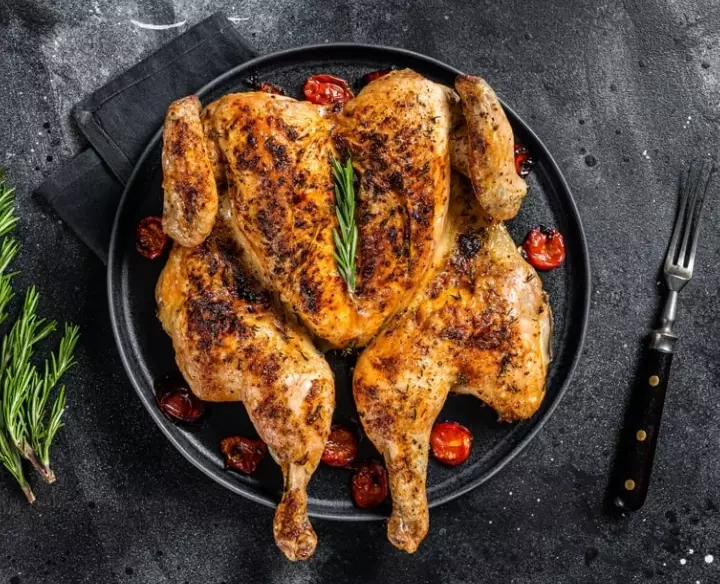
The Ultimate Guide to Roasting a Whole Chicken in the Oven
Roasting a whole chicken sounds simple, right? Chicken, oven, heat. Yet so many end up with a bird that's dry in the breast, rubbery in the skin, or just plain bland. I've been there. My first attempt was a sad, pale thing that steamed more than it roasted. But after a decade of tweaking—and plenty of mediocre chickens—I've landed on a method that works every single time. It's not about fancy techniques. It's about understanding a few non-negotiable steps that most recipes gloss over.
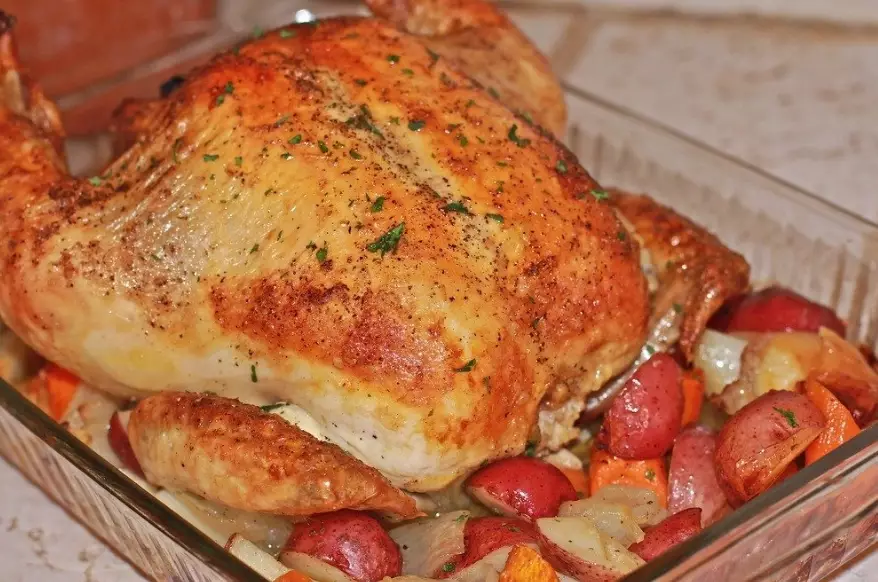
This isn't just another recipe. It's the why behind every step, designed to give you a juicy, flavorful chicken with skin so crisp it crackles.
Your Roasting Roadmap
Why a Whole Chicken is Your Weeknight Secret Weapon
Let's be honest. Grabbing a pack of chicken breasts is easy. But a whole chicken? It feels like a project. Here's the thing: it's often cheaper per pound, and the payoff is huge. One chicken becomes tonight's glorious centerpiece, tomorrow's chicken salad sandwich, and a pot of broth for later in the week. It's the ultimate meal prep.
More importantly, cooking the bird whole protects the meat. The bones and skin create a natural barrier, basting the meat from the inside out with fat and collagen. A breast cooked on its own has no chance against the dry heat of an oven. A breast protected by the rest of the bird? That's where the magic happens.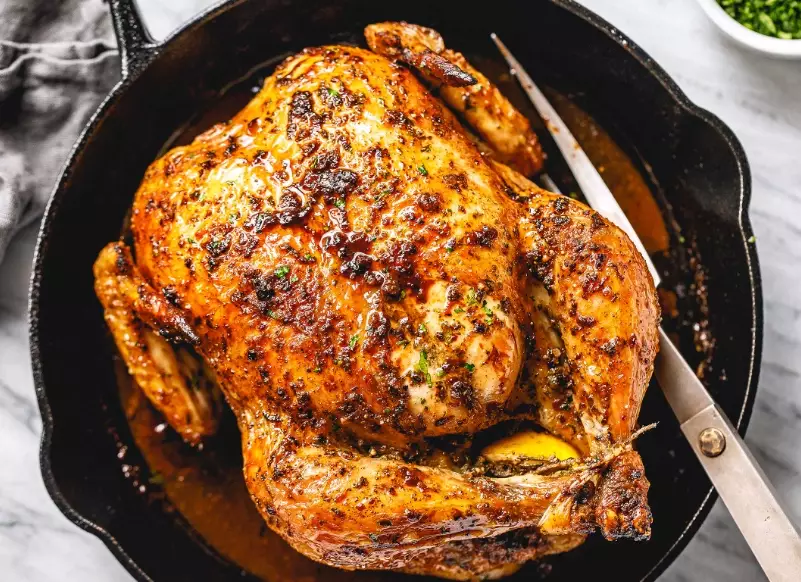
What You Actually Need (Spoiler: Not Much)
You don't need specialty gear. A standard baking sheet with a wire rack is ideal, but a cast-iron skillet or ceramic baking dish works perfectly. The rack isn't mandatory, but it lifts the chicken so hot air can circulate underneath, preventing a soggy bottom.
The real essentials are simpler:
- A 4-5 lb (1.8-2.3 kg) Chicken: This is the sweet spot. Bigger birds risk uneven cooking.
- Kosher Salt & Black Pepper: The foundation. Diamond Crystal kosher salt is less salty by volume than table salt, so you can be more generous without over-salting.
- A Meat Thermometer: This is non-negotiable. Guessing leads to dry chicken or, worse, unsafe chicken. A simple digital probe costs less than a takeout chicken and is the single best investment for any home cook. I rely on the ThermoWorks ThermoPop for its speed and accuracy.
- Paper Towels: For drying the skin. This is the secret to crispiness.
The Foolproof 5-Step Process to Perfect Chicken
Step 1: Prepare the Bird (The Most Important 5 Minutes)
Take the chicken out of its packaging. Remove the giblets (usually in a bag in the cavity). Now, here's the step everyone skips: dry it thoroughly, inside and out, with paper towels. I mean, really get in there. Wet skin steams. Dry skin roasts and crisps. This is the difference between leathery and crackling.
Season aggressively. Don't just sprinkle salt on the outside. Lift the skin over the breasts and rub salt directly onto the meat. Season the cavity. Use more than you think you need—about 1 tablespoon of kosher salt total for a 4lb bird. Let it sit uncovered in the fridge for at least an hour, or up to overnight. This "dry brine" seasons the meat deeply and helps dry the skin further.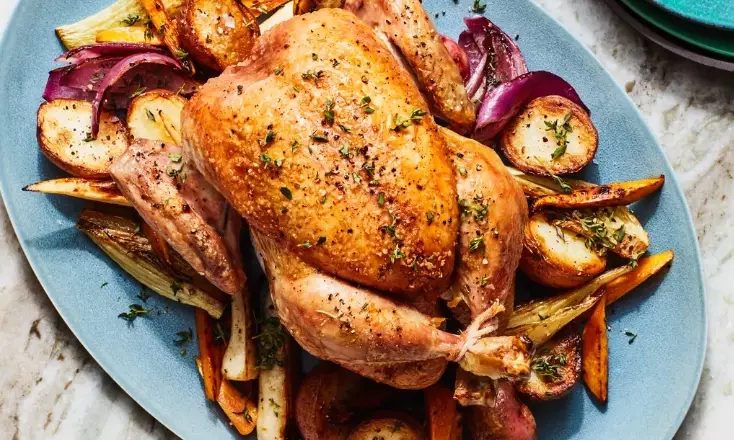
Pro-Tip: Don't truss the legs with twine. Tying them close to the body creates a dense mass that cooks unevenly, often leaving the thighs underdone while the breasts overcook. Let the legs splay open. This exposes the thighs (which need more heat) to the hot air, helping everything finish at the same time.
Step 2: Choose Your Heat Strategy
Most recipes swear by a constant 375°F (190°C). It works, but it's safe and slow. I prefer a two-temperature method: Start hot, finish gentle.
Preheat your oven to a blistering 425°F (220°C). Place your seasoned, dry chicken on a rack in a pan. Roast it at this high heat for 15 minutes. This initial blast renders fat fast and sets the skin crisp before it has a chance to toughen.
After 15 minutes, without opening the door, reduce the heat to 375°F (190°C). Continue roasting. The total time will be roughly 20 minutes per pound, plus an extra 15 minutes. But forget the clock. Your thermometer is your guide.
Step 3: The Waiting Game (And How to Know It's Done)
Resist the urge to baste. Opening the oven door lets heat escape, causing temperature swings that lead to uneven cooking. The chicken is basting itself with its own fat.
About 45 minutes into the lower-temperature roast, start checking. Insert your meat thermometer into the thickest part of the thigh, making sure not to touch the bone. You're looking for 165°F (74°C). The juices should also run clear when pierced.
Here's a critical nuance: The temperature will rise 5-10 degrees after you take it out (carryover cooking). So, pulling it at 160°F (71°C) is actually perfect. It will coast to 165°F as it rests.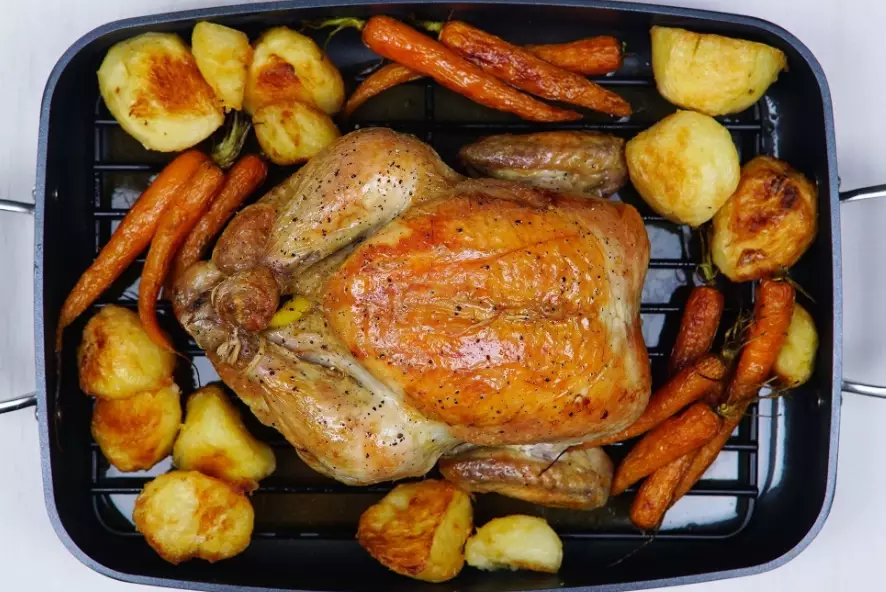
Step 4: The Non-Negotiable Rest
This is the hardest part. When the chicken hits temp, take it out. Transfer it to a cutting board or platter. Do not cut into it. Tent it loosely with foil and let it rest for 15-20 minutes.
Why? The muscle fibers are tight from the heat. Slicing immediately forces all the precious juices—the flavor and moisture—right out onto the board. Resting allows the fibers to relax and reabsorb those juices. If you skip this, you've wasted all your careful work.
Step 5: Carving for Maximum Yield (And Less Mess)
Use a sharp chef's knife. First, remove the legs by cutting through the skin between the leg and body, then pop the thigh joint and slice through. Separate the thighs from the drumsticks if you like. Next, make a horizontal cut along the breastbone to remove each breast whole. Finally, flip the carcass and cut off the wings. Don't forget the "oysters"—two succulent nuggets of dark meat on the back. They're the cook's reward.
3 Mistakes That Ruin Roast Chicken (And How to Fix Them)
- Steaming, Not Roasting: Caused by a wet chicken, a crowded pan, or a low starting temperature. Fix: Dry the skin obsessively, use a rack, and start hot.
- Underseasoning: Salt only on the surface. Fix: Season under the skin and in the cavity. Give it time to penetrate.
- Relying on Time, Not Temperature: Ovens vary. A 4lb chicken isn't always the same. Fix: Use a meat thermometer. Always.
Watch Out: Many recipes recommend stuffing the cavity with lemons or onions. This actually insulates the interior, slowing down the cooking of the thigh meat next to the bone. For more flavor, place aromatics like onion wedges, garlic cloves, or herb stems under the chicken in the pan. They'll roast in the drippings.
Beyond Basic: Flavor Twists for Your Next Bird
Mastered the basic method? Here are simple ways to change the profile:
- Herb-Butter Under the Skin: Mix softened butter with chopped rosemary, thyme, and garlic. Gently loosen the skin over the breasts and spread the mixture directly on the meat before roasting.
- Spice Rub: Mix kosher salt with smoked paprika, garlic powder, and a touch of cumin. Rub it all over the dried skin for a smoky, barbecue-like crust.
- Lemon & Garlic: After drying, place a halved lemon and a few crushed garlic cloves in the cavity. The steam perfumes the meat from the inside.
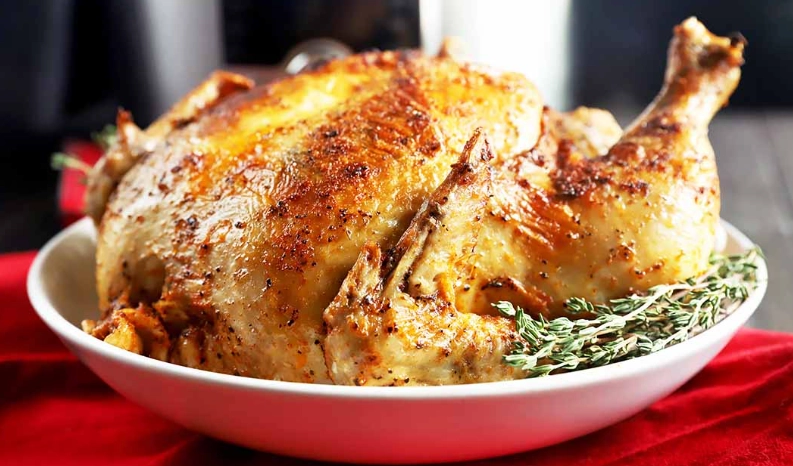
The method stays the same. The flavors change the game.
Your Top Roasting Questions, Answered
What's the deal with brining vs. dry brining?
Wet brining (soaking in saltwater) adds moisture but can make the skin impossible to crisp and dilutes the chicken flavor. I'm firmly in the dry brine camp. Salting the chicken ahead of time draws out moisture, which then dissolves the salt and gets reabsorbed, seasoning the meat deeply without adding water. The bonus? The surface gets even drier for that perfect crackling skin.
Should I put butter or oil on the skin?
Butter tastes great but burns at high heat due to its milk solids. For the initial high-heat blast, a thin coat of a neutral, high-heat oil like avocado or grapeseed oil is more reliable. If you want butter flavor, add it under the skin where it won't burn, or brush melted butter on in the last 10 minutes of cooking.
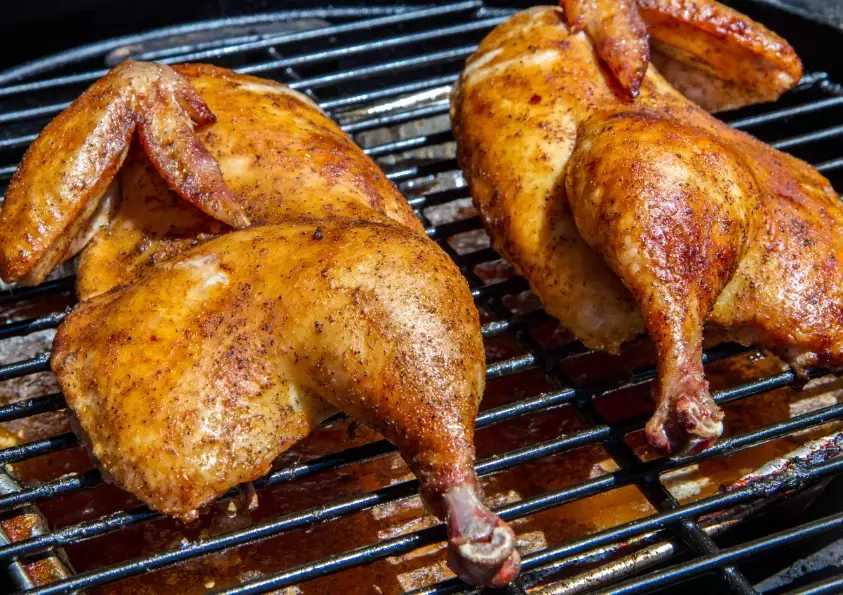 How do I prevent the breast meat from drying out before the thighs are done?
This is the classic roast chicken puzzle. The solution is three-fold: 1) Don't truss (as mentioned), 2) Start breast-side up—the dark meat on the bottom gets more direct heat, and 3) Consider a hybrid method: once the breast reads about 150°F (66°C), carefully flip the bird breast-side down for the last 10-15 minutes. The protected breast meat stops cooking as fast, and the thighs get a final blast of direct heat.
Is it better to roast on a rack or directly in a pan?
A rack is superior for airflow and even browning. If you don't have one, create a "rack" with a bed of thickly sliced onions, carrots, or celery. This lifts the chicken slightly and prevents it from stewing in its own fat. Those vegetables also become a delicious side dish.
Related Articles