How Many Calories in Boneless Skinless Chicken Thighs? Nutrition & Cooking Guide
Quick Guide
- The Official Numbers: Calories and Macros from Trusted Sources
- Why Your Cooking Method is a Calorie Game-Changer
- Beyond Calories: The Full Nutritional Profile (This is Important)
- Portion Size Reality Check: What Does 4 Ounces *Actually* Look Like?
- Boneless Skinless vs. The Alternatives: A Fair Comparison
- Putting It All Together: Smart Ways to Enjoy Chicken Thighs
Let's be real. When you're trying to watch what you eat, whether it's for weight loss, muscle gain, or just feeling better, you end up staring at a package of chicken in the grocery store, your brain doing mental gymnastics. "Is this the right choice?"
Chicken thighs get a weird reputation. Some people swear by them for their flavor, others avoid them thinking they're the "unhealthy" part of the chicken. And the whole boneless, skinless thing? That just adds another layer of confusion. So, what's the real deal with the calories in boneless skinless chicken thighs?
I remember when I first started paying attention to my protein intake. I'd buy chicken breasts religiously, convinced they were the only option. They were dry, they were boring, and honestly, a pain to cook without them turning into shoe leather. Then I tried thighs on a whim. Game changer. The flavor was incredible, they were forgiving to cook, but that little voice in my head asked... "at what cost?" I had no solid numbers.
This guide is the deep dive I wish I had back then. We're going beyond a single number. We'll look at raw vs. cooked (a huge point of confusion), how different cooking methods change the game, and what you're really getting for those calories. It's not just about the count; it's about the quality of what you're eating.
The Quick Answer (Before We Dive In): A typical 4-ounce (113-gram) serving of cooked, boneless, skinless chicken thigh contains roughly 180 to 210 calories. But that number is a starting point, not the finish line. Stick around to see why.
The Official Numbers: Calories and Macros from Trusted Sources
You can't talk about food data without going to the gold standard. The USDA FoodData Central is the database everyone from dietitians to food scientists uses. It's the most reliable source we have for this kind of information.
According to their latest data, here’s the detailed breakdown for a 100-gram serving (about 3.5 ounces) of raw, boneless, skinless chicken thigh:
Raw Baseline: 100g raw boneless skinless chicken thigh contains approximately 125 calories, 17g of protein, 5.5g of fat, and 0g of carbohydrates.
Now, here's where most people get tripped up. You almost never eat chicken raw. Cooking causes water loss, which concentrates the nutrients and calories per gram. So, a 100-gram raw thigh will weigh less after cooking, but the calories from the protein and fat are still all there.
Let's translate that into a more practical, cooked serving size. This table compares the calories in boneless skinless chicken thighs to other common chicken cuts, all based on a standard 4-oz (113g) cooked portion using USDA data. This visual makes the differences crystal clear.
| Chicken Cut (4 oz cooked, boneless & skinless) | Calories | Protein (g) | Fat (g) | Key Notes |
|---|---|---|---|---|
| Chicken Thigh | ~205 | ~23 | ~12 | More flavor, juicier, higher in iron & zinc. |
| Chicken Breast | ~165 | ~31 | ~3.5 | Leanest option, highest protein per calorie. |
| Chicken Tender (from breast) | ~170 | ~28 | ~4 | Similar to breast, often more tender. |
| Chicken Drumstick (with bone, meat only) | ~175 | ~24 | ~8 | Slightly leaner than thigh, but bone-in. |
See that? The thigh has about 40 more calories than the breast in the same sized cooked piece. But look at the fat column. That's the main difference. It's not a "bad" fat—it's a mix, including monounsaturated fats. You're trading a modest amount of extra calories for a much more satisfying eating experience and some extra micronutrients. For many people, that trade-off is 100% worth it to stick to a healthy diet long-term.
Why Your Cooking Method is a Calorie Game-Changer
Searching for a simple number for calories in a boneless skinless chicken thigh is like asking how long it takes to drive somewhere without mentioning traffic or road conditions. The "how" you cook it matters immensely.
Here’s the breakdown of how common methods impact the final calorie count of your chicken thighs, assuming you start with the same raw piece and use little to no added fat in methods that don't require it.
Grilling or Broiling
This is one of the best methods for keeping calories in check. High, direct heat renders out some of the internal fat, which then drips away. You're left with a flavorful, slightly charred piece that's very close to the USDA's standard "cooked" values. Just go easy on sugary marinades or bastes, as those can add carbs and calories back on.
Baking or Roasting
Super consistent and hands-off. Calories will be similar to grilling. The key variable here is whether you roast on a rack (letting fat drip down) or directly in a pan (where the meat might sit in its own rendered fat). The rack method is slightly better for minimizing calories. A 400°F (200°C) oven for 20-25 minutes is usually perfect.
Pan-Searing or Sautéing
This is the danger zone for calorie creep, but also the zone of incredible flavor. To get a good sear, most recipes call for 1-2 tablespoons of oil in the pan. A tablespoon of olive oil has about 120 calories. Not all of that gets absorbed, but a significant amount does. If you're counting strictly, you need to account for a portion of that cooking oil. My trick? I use a good non-stick pan and just a teaspoon (40 calories) of oil, or even just a quick spray.
Slow Cooking or Braising
Thighs shine here because they don't dry out. The calories from the chicken itself remain stable. However, braising often involves a liquid—wine, broth, sauce. If that sauce is reduced and consumed, any sugars or fats in it become part of the meal's total calories. The chicken itself is tender and perfect, but mind the sauce.
Air frying deserves its own mention. It's become wildly popular for a reason. It circulates hot air to crisp the outside while cooking the inside, using a fraction of the oil needed for deep frying. For boneless skinless chicken thigh calories, an air fryer gets you a result very similar to baking or grilling, maybe even slightly lower if you use zero oil spray. It's a fantastic tool for keeping things lean and quick.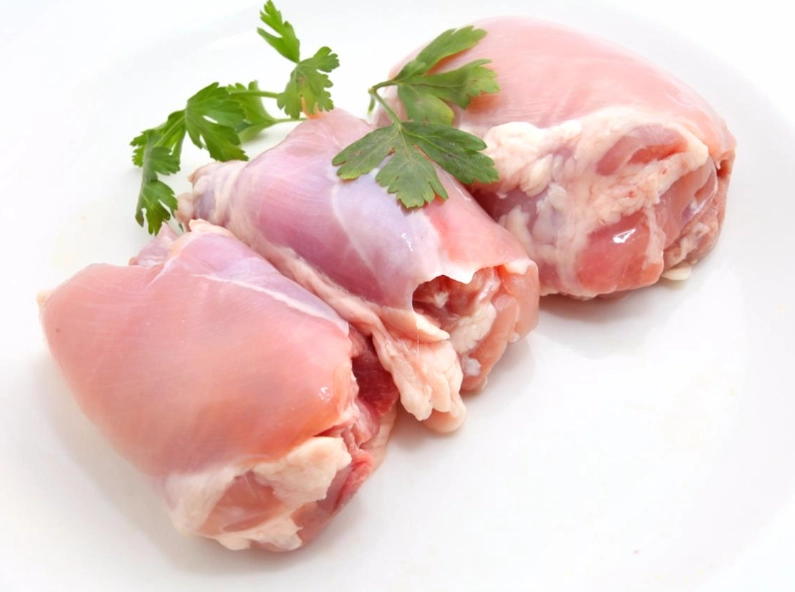
Beyond Calories: The Full Nutritional Profile (This is Important)
If you stop at calories, you're missing the forest for a single tree. The real value of food is in its nutrients. Let's talk about what else you get in those ~205 calories.
Protein Power: At about 23 grams per serving, it's an excellent source of complete protein, meaning it has all the essential amino acids your body needs to build and repair tissue. It's not as protein-dense as breast, but it's still a heavyweight.
The Fat Breakdown: This is the big one. The 12 or so grams of fat are roughly:
- 4.5g Saturated Fat
- 5g Monounsaturated Fat (the kind found in olive oil)
- 1.5g Polyunsaturated Fat
It's a mixed bag. The saturated fat content is why some old-school nutrition advice vilified dark meat. However, more recent research suggests the overall dietary context matters more than singling out one food. The presence of mono and polyunsaturated fats is a plus.
Vitamin and Mineral Bonanza: This is where thighs often beat breasts. They are significantly higher in iron—crucial for carrying oxygen in your blood. They also contain more zinc (supports immunity) and higher levels of B vitamins like B12, B6, and niacin, which are essential for energy metabolism. The CDC highlights iron and zinc as vital nutrients of public health concern, making thighs a smart choice.
You're getting a more nutrient-dense piece of meat for those extra 40 calories compared to breast. It's not just "empty" calories; it's a delivery system for important nutrients many people lack.
Portion Size Reality Check: What Does 4 Ounces *Actually* Look Like?
All these numbers are based on a 4-ounce cooked portion. But let's get practical. In the real world, especially with boneless thighs, portions can balloon.
A single raw, boneless, skinless chicken thigh from the grocery store can weigh anywhere from 3 to 6 ounces. Sometimes even more. That means one piece could be a single serving, or it could be nearly double a serving.
Here's my advice, learned from years of inconsistent sizing:
- Weigh them raw. This is the most accurate way. If you're meal prepping, aim for 4-5 ounces raw per thigh. That will cook down to roughly a 3-4 oz serving.
- The visual cue for cooked: A 4-ounce cooked portion of boneless skinless chicken thighs is roughly the size and thickness of your palm (not including fingers).
- Restaurant warning: A restaurant "chicken thigh" entrée is almost always two or three massive thighs, potentially cooked in butter or oil. It's easily a 600-800 calorie protein portion alone. Don't use restaurant sizes as your guide.
If you eat two large thighs thinking it's one serving, you've just doubled the calories from boneless skinless chicken thighs in your meal. It's the easiest mistake to make.
Boneless Skinless vs. The Alternatives: A Fair Comparison
Is going boneless and skinless worth the effort and extra cost? Let's break it down so you can decide.
- Boneless & Skinless (The Convenience Choice): You're paying for the labor. The calories and fat are at their lowest for the thigh cut. It's ready to cook instantly. Best for: quick weeknight meals, precise calorie counters, stir-fries, kebabs.
- Bone-In, Skin-On (The Flavor & Value Choice): This is the cheapest way to buy thighs. The bone and skin add incredible flavor during cooking (the skin protects the meat from drying out). But, you must remove the skin before eating to keep calories down. A cooked thigh with the skin on can have nearly twice the calories and fat because of the skin's high fat content. Best for: braises, slow-cooking, roasting (remove skin after), when you're on a tight budget.
I buy bone-in, skin-on for dishes where I'm making a sauce or braising, like a coq au vin. The flavor it adds to the dish is unreal, and I just pull the skin off my portion before eating. For my weekly grilled or baked meal prep, I splurge on boneless skinless to save time.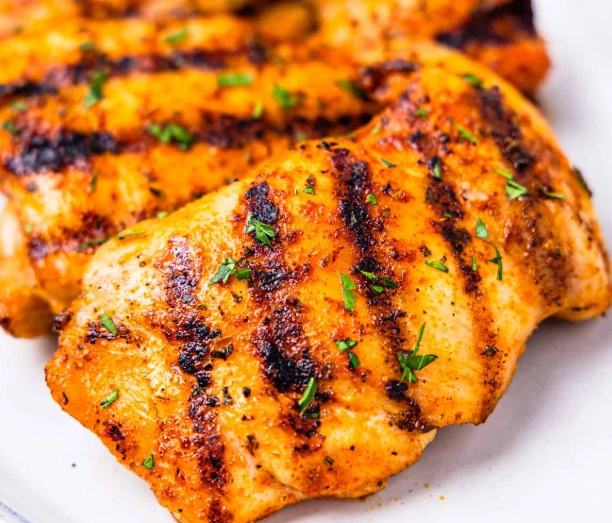
Your Top Questions on Chicken Thigh Calories, Answered
Putting It All Together: Smart Ways to Enjoy Chicken Thighs
Knowing the calories in a boneless skinless chicken thigh is useless without practical application. Here’s how to make them a delicious and healthy part of your routine.
For Meal Prep: Season a batch with salt, pepper, paprika, and garlic powder. Bake at 400°F on a rack-lined sheet pan for 20-25 minutes. Weigh and divide into 4-oz portions. Pair with a giant portion of roasted vegetables and a complex carb like quinoa or sweet potato.
For Maximum Flavor (Minimal Calorie Impact): Try a dry brine. Sprinkle thighs generously with kosher salt 4-24 hours before cooking and leave them uncovered in the fridge. This draws out moisture, which then gets reabsorbed, seasoning the meat deeply and helping it brown better with less added fat.
Simple Cooking Method I Use Weekly: Pat thighs dry. Heat a non-stick or well-seasoned cast iron skillet over medium-high heat. Add just a teaspoon of avocado oil. Sear thighs for 5-6 minutes per side until golden brown and cooked through (internal temp of 165°F). Let rest for 5 minutes. The fond (browned bits) in the pan is perfect for making a quick pan sauce with a splash of broth and a squeeze of lemon.
At the end of the day, the calories in boneless skinless chicken thighs tell one small part of a much bigger story. They are a flavorful, nutritious, and versatile protein that deserves a regular spot on your plate, not just as a second-choice to breast, but as a first-choice for taste and satisfaction. By understanding the numbers, mastering portion size, and choosing smart cooking methods, you can enjoy every juicy bite without any guesswork or guilt.
Related Articles

![Why is it considered [false] even though there is a contract and there is a tran](/images/870a5535509ff5816d8b14e19f68b56c.png "Why is it considered [false] even though there is a contract and there is a tran")