The Perfect Temperature for a Juicy Roast Chicken
Let's cut to the chase. The best temperature to bake a whole chicken is 350°F (175°C). That's the sweet spot for tender, juicy meat. But if you stop reading there, you're setting yourself up for a merely okay chicken. The temperature is just the starting point. The real magic—and the difference between a dry, sad bird and a showstopping centerpiece—happens in the details most recipes gloss over.
I've ruined my share of chickens. I've served breasts that tasted like sawdust and undercooked thighs that sent everyone running. Through trial, error, and talking to butchers, I learned it's not just about the number on the dial.
What You'll Find in This Guide
Why the Right Oven Temperature is Non-Negotiable
Think of temperature as the conductor of your roast chicken orchestra. Too high (like 450°F+), and the skin might burn before the interior cooks through. The outside screams while the inside whispers. Too low (like 300°F), and you're in the danger zone for too long—the meat can dry out from prolonged cooking, and the skin turns pale and rubbery, not crispy and golden.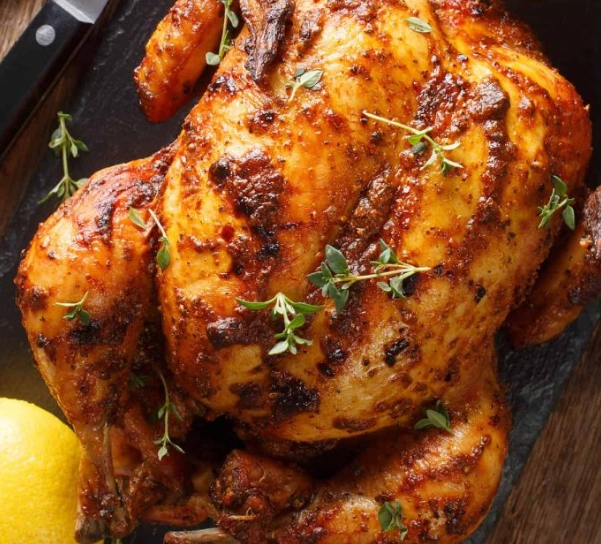
350°F provides that steady, even heat that renders fat slowly (crisping the skin) while gently cooking the muscle fibers so they stay succulent. It's the Goldilocks zone. But here's a pro move: many chefs, including myself, start at a higher temp. Crank your oven to 425°F for the first 20-30 minutes. This initial blast gives the skin an incredible head start on browning and crisping. Then, you drop it down to 350°F for the rest of the cook. It's a game-changer.
Your Roast Chicken Temperature Cheat Sheet
Here’s a breakdown of what different temperatures do to your bird. This isn't just theory; it's your roadmap to choosing based on what you want most.
| Oven Temperature | Best For | Approx. Time for a 4lb Bird | The Skin & Meat Result |
|---|---|---|---|
| 325°F (160°C) | Extremely tender, fall-off-the-bone meat. Low & slow approach. | 1 hr 45 min - 2 hrs | Skin may be less crisp, paler. Meat is incredibly juicy. |
| 350°F (175°C) | The all-around perfect roast. Balanced crispiness and juiciness. | 1 hr 20 min - 1 hr 40 min | Golden, crispy skin. Moist, tender white and dark meat. |
| 375°F (190°C) | A slightly faster cook with good browning. | 1 hr 10 min - 1 hr 30 min | Good browning, slightly firmer skin. Reliable results. |
| 400°F-425°F (205°-220°C) | Maximum crispy skin in a shorter time. The "chef's start". | 50 min - 1 hr 15 min | Deeply bronzed, crackling-crisp skin. Risk of drier breast if not monitored closely. |
All times are estimates. A meat thermometer is your only true guide.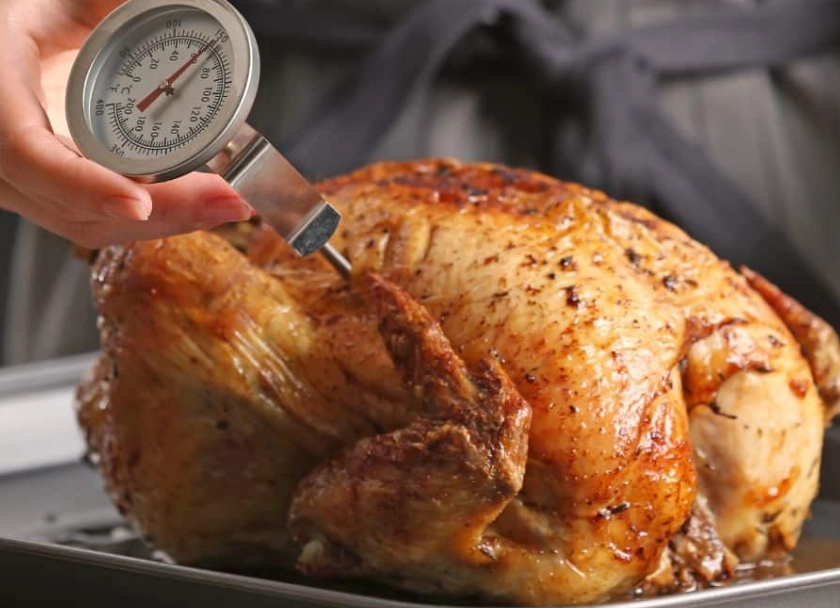
The Foolproof Step-by-Step Process
Let's walk through it. Assume a standard 4-5 pound roasting chicken.
1. Preparation (The Day Before or Morning Of)
Take the chicken out of its packaging. Remove any giblets from the cavity. Pat the entire bird extremely dry with paper towels. This is the first secret to crispy skin—water is the enemy of crisp.
Now, season aggressively with salt. I mean, more than you think. Get salt into the cavity, under the skin on the breasts, and all over the outside. This is a dry brine. Place it on a rack over a plate, uncovered, in the fridge for at least 4 hours, preferably overnight. The salt seasons deeply and helps the meat retain juice.
2. Prepping to Roast
Take the chicken out of the fridge an hour before cooking. Let it come towards room temperature for even cooking. Tuck the wingtips behind the shoulders. You can truss the legs with twine, but I often just leave them loose—it doesn't make a huge difference to the cook.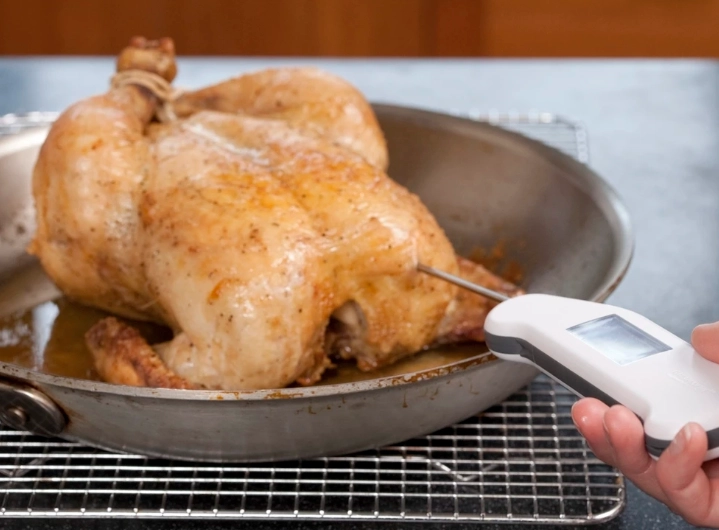
Place the bird on a rack set inside a roasting pan. This allows hot air to circulate all around. Rub with a little oil and add any other herbs or spices (black pepper, garlic powder, thyme) now.
3. The Roast
Preheat your oven to 425°F. Roast the chicken at this high heat for 20-25 minutes until the skin starts to blister and brown. Then, without opening the door, reduce the oven temperature to 350°F. Continue roasting.
4. Checking for Doneness
Start checking the internal temperature after about 50 minutes at the lower temp. Insert an instant-read thermometer into the thickest part of the thigh, avoiding the bone. You're looking for 165°F (74°C). But here's the expert trick: pull the chicken out when the breast reads 155-160°F (68-71°C). The temperature will rise 5-10 degrees as it rests (carryover cooking), bringing it safely to 165°F without overcooking. This is the single best tip for moist breast meat.
5. The Non-Negotiable Rest
Transfer the chicken to a cutting board and let it rest for 15-20 minutes. Tent it loosely with foil. This allows the juices, which have rushed to the surface, to redistribute back throughout the meat. If you cut it open now, all those precious juices will flood the board.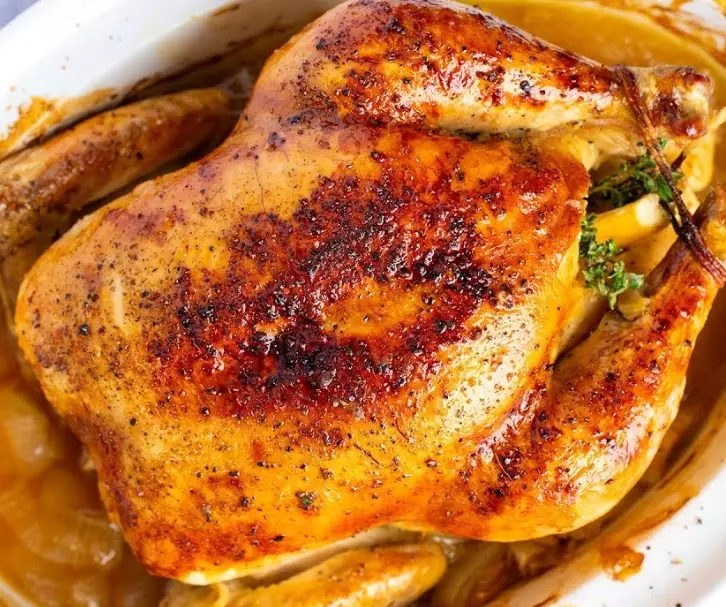
How to Finally Solve the Dry Breast Problem
This is the holy grail. The breast cooks faster than the thighs because it's exposed to direct heat and has less fat. Here’s your multi-pronged attack:
- Dry Brine: As mentioned, salting in advance is your #1 weapon.
- Thermometer, Not Time: Pull at 155-160°F in the breast.
- Positioning: Some chefs roast chicken breast-side down for the first half, then flip. It works, but it's fussy. I find the high-then-low temp method with a thermometer easier.
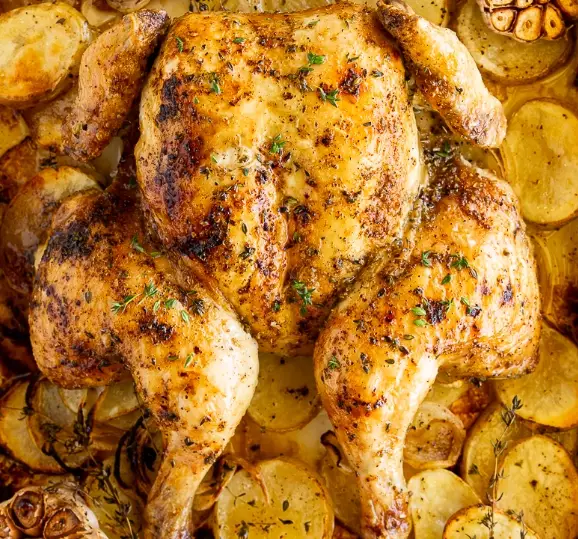
- Butter Under the Skin: Gently loosen the skin over the breasts and slide softened butter or herb butter underneath. It bastes the meat from within.
3 Roast Chicken Mistakes Almost Everyone Makes
I've made them all so you don't have to.
1. Not Drying the Skin. A wet chicken steams. A dry chicken roasts. Paper towels are your friend.
2. Skipping the Rest. I know it's tempting. The smell is incredible. But if you carve immediately, the juices pour out, leaving the meat dry. Wait the 15 minutes. Use the time to make a quick pan gravy.
3. Relying on Pop-Up Timers or "Clear Juices." Those little plastic pop-up timers are notoriously unreliable. They often pop when the breast is already overcooked. "Juices running clear" is a vague guideline. A $20 digital thermometer removes all guesswork. It's non-negotiable equipment.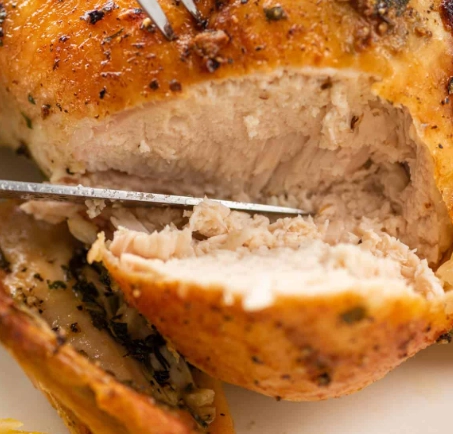
Your Roast Chicken Questions, Answered
So, the simple answer is 350°F. But the real answer is to use that temperature as part of a strategy—one that includes drying, salting ahead, monitoring with a thermometer, and resting patiently. Get those elements right, and you'll move from hoping your chicken turns out well to knowing it will.
That confidence is the best seasoning of all.
Related Articles