The Most Healthy Part of Chicken: Breast vs Thigh Nutrition Revealed
You're at the grocery store, staring at the poultry section. Skinless breasts, bone-in thighs, wings, whole birds. The choice seems simple if you want the healthiest option, right? Just grab the chicken breast. Everyone says it's the best. But is that the whole story? After years of cooking, talking to dietitians, and frankly, getting bored of dry chicken breast, I've learned the answer is more nuanced. The "most healthy" cut isn't a one-size-fits-all title. It depends on your goals, your budget, and how you actually cook it. Let's cut through the noise.
What You'll Discover in This Guide
The Raw Data: Breast vs. Thigh Nutrition
First, the basics. We're comparing skinless, boneless, cooked meat. Data from the USDA FoodData Central is our bible here. This table tells the standard story.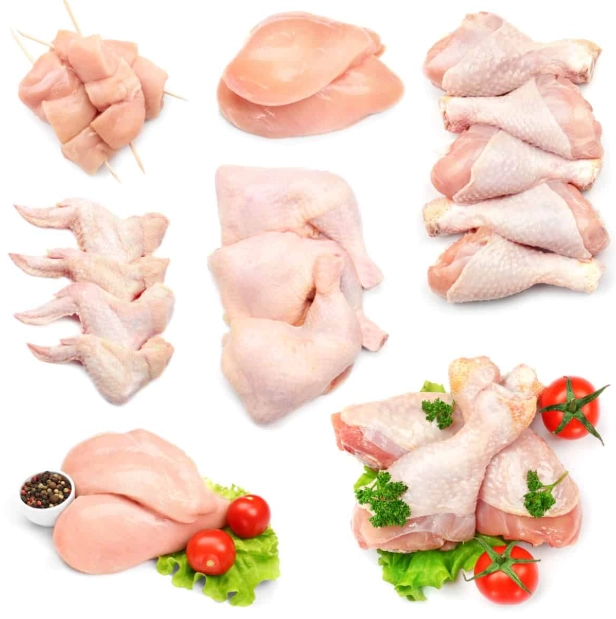
| Nutrient (per 100g cooked) | Chicken Breast | Chicken Thigh |
|---|---|---|
| Calories | 165 | 209 |
| Protein | 31g | 26g |
| Total Fat | 3.6g | 10.9g |
| Saturated Fat | 1.0g | 3.0g |
| Iron | 1.0mg (6% DV) | 1.3mg (7% DV) |
| Zinc | 1.0mg (9% DV) | 2.4mg (22% DV) |
Look at that protein-to-fat ratio for breast. It's stunning. For pure, lean protein with minimal calories, breast is the undisputed champion. This is why bodybuilders and anyone on a strict fat-loss plan live on it.
But the thigh isn't just a fatty also-ran. See the zinc? Over double. Iron is higher too. That fat content—about 11 grams—is where people get scared. But context is everything.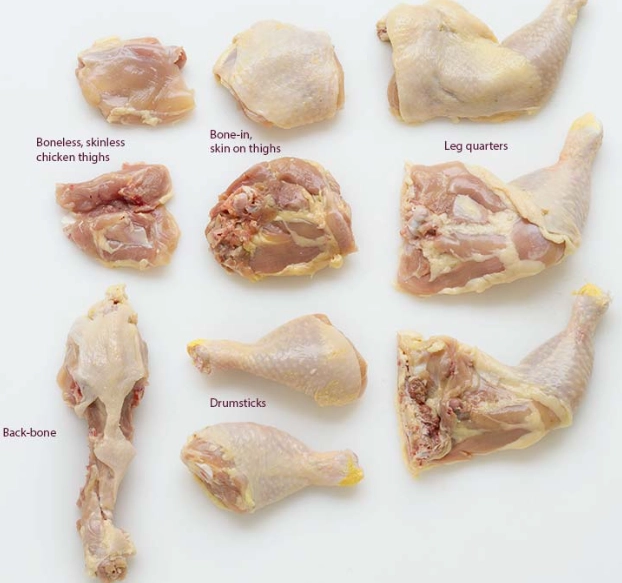
Beyond Macros: The Case for Dark Meat
Here's where common advice gets it wrong. We've been trained to fear fat, but not all fat is created equal. The fat in chicken thigh is largely monounsaturated and polyunsaturated—the same "good" fats found in olive oil and nuts. This fat carries flavor and helps your body absorb fat-soluble vitamins (A, D, E, K) from the rest of your meal.
More importantly, dark meat is significantly richer in certain micronutrients:
- Iron (Heme Iron): The iron in meat is heme iron, which your body absorbs much more efficiently than the iron from plants. If you're prone to low energy or are avoiding red meat, thighs offer a meaningful boost.
- Zinc: Critical for immune function, wound healing, and metabolism. That 22% Daily Value from thighs is substantial.
- B Vitamins (B2, B6, B12): Dark meat generally contains higher levels, crucial for energy production and brain health.
I once worked with a client who was always tired and swore by her bland chicken breast diet. Switching two meals a week to skinless thighs made a noticeable difference in her energy levels, likely due to that increased iron and B vitamin intake. She also stopped hating dinner.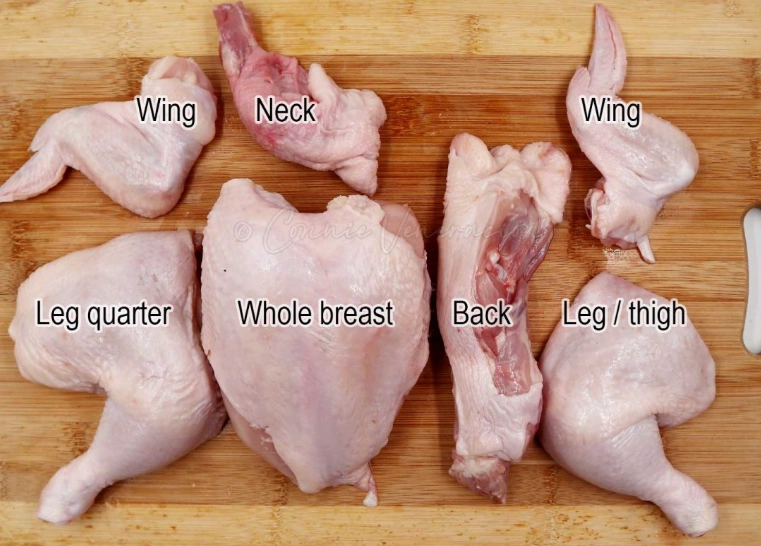
So, Which is the Most Healthy Part? A Practical Guide
You won't get a single answer from me. Instead, ask yourself these questions:
Choose Chicken Breast If...
- Your primary goal is maximum protein with minimum calories and fat. (Think: cutting for a competition, specific medical diet).
- You're cooking for a large group with unknown dietary preferences. Breast is the "safest" option.
- You plan to pair it with a rich sauce or high-fat side (like avocado or nuts), where the leanness of the breast balances the meal.
Choose Chicken Thigh (Skinless) If...
- You value satiety and flavor to stick to a healthy diet long-term. The extra fat keeps you fuller longer.
- You need more iron and zinc in your diet (common for active people, women, or vegetarians adding some meat).
- You're on a budget. Thighs are consistently cheaper per pound—sometimes by 30% or more. Check your local store; at mine, boneless skinless thighs are $3.99/lb vs. breasts at $5.49/lb.
- You're worried about overcooking. Thighs are much more forgiving.
The real pro move? Use both. Rotate them based on your meal plan, mood, and what's on sale.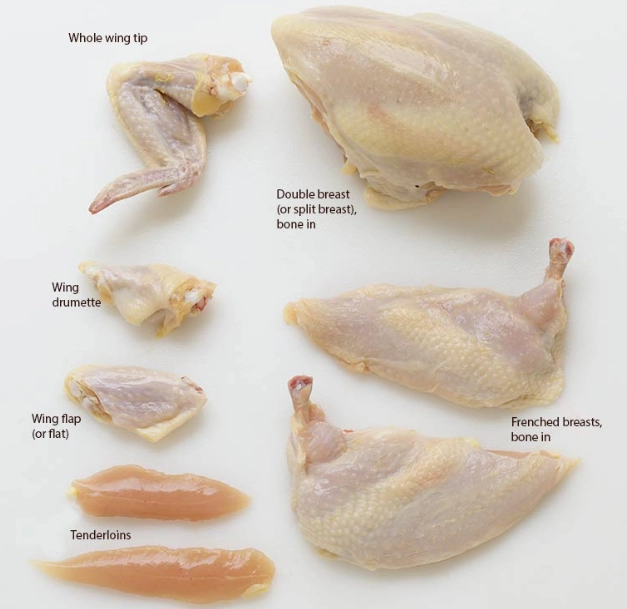
How to Cook Each Cut for Maximum Health & Flavor
Nutrition isn't just about the raw ingredient; it's about what you do with it. A perfectly cooked thigh is healthier than a dried-out, oil-drenched breast.
Chicken Breast Mastery: Avoiding the Cardboard Trap
The enemy of breast is overcooking. Get a digital thermometer. Pull it off the heat at 160°F (71°C). Let it rest for 5-10 minutes—the temperature will rise to a safe 165°F (74°C) and juices will redistribute.
Best Methods: Pan-searing in a little avocado oil then finishing in a 400°F oven. Or, brine it (1/4 cup salt dissolved in 4 cups water, soak for 30 min to 2 hours) before cooking. This adds moisture and seasoning right to the core.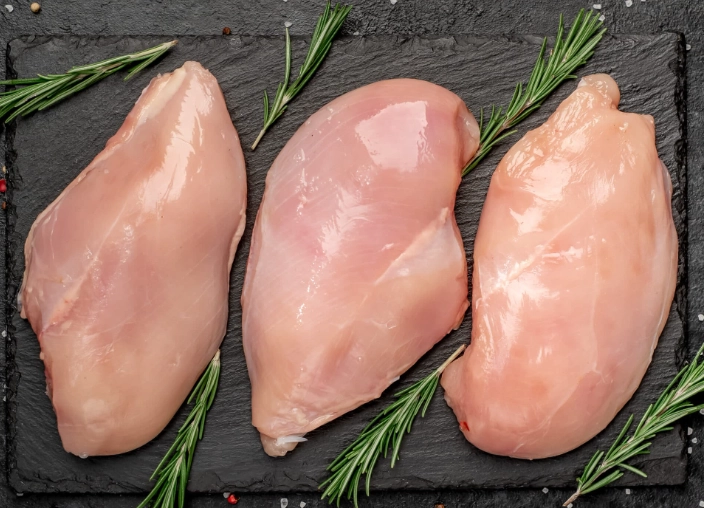
Chicken Thigh Mastery: Leveraging Fat & Flavor
You can cook thighs with less added oil because of their own fat content. Score the skin (if on) to render fat efficiently.
Best Methods: Skin-side down in a cold oven-safe skillet. Turn heat to medium. Cook until skin is crispy and fat has rendered, about 10-12 mins. Flip, then transfer the whole skillet to a 400°F oven for another 10-12 mins to finish. The result? Crispy skin (discard if you wish), tender meat, and delicious rendered fat you can use to cook vegetables.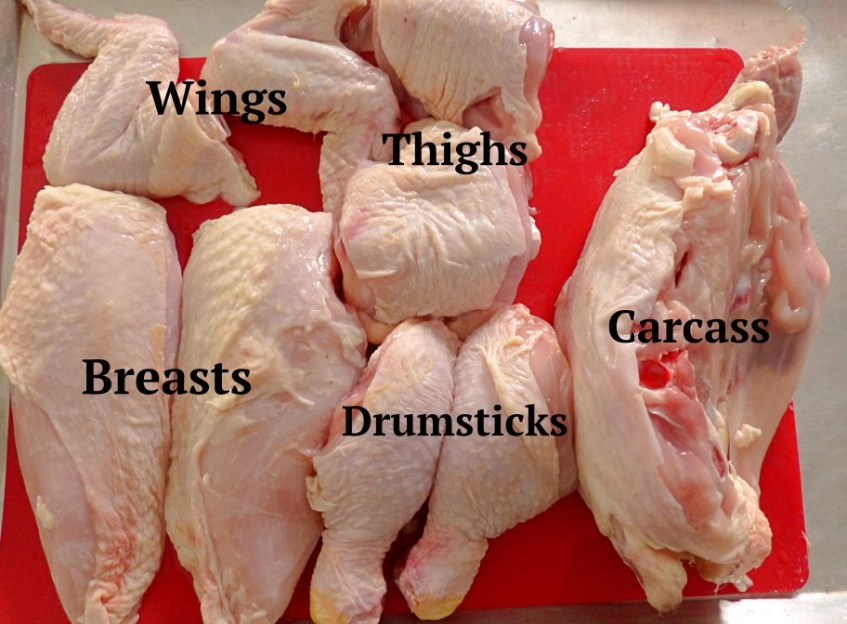
Your Top Chicken Questions Answered
So, the next time you're in that grocery aisle, you have more than a slogan. You have data, context, and practical cooking know-how. The most healthy part of the chicken isn't just a cut—it's the one that aligns with your body's needs, your taste buds, and your life, prepared in a way that maximizes its natural benefits. Don't be afraid of the dark meat. Embrace the whole bird.
Related Articles