Healthiest Part of Chicken: Your Guide to Lean Cuts & Nutrition
Ask anyone on the street, and they'll probably shout "chicken breast!" as the healthiest part of the chicken. It's the bodybuilder's staple, the dieter's go-to, the poster child for lean protein. But is that the whole story? What if I told you that fixating solely on the breast might lead you to dry, boring meals and cause you to miss out on other nutritious, flavorful, and sometimes more practical cuts?
I've been cooking with and writing about food for over a decade, and I've seen the chicken breast dogma lead to a lot of kitchen frustration. The real answer to "what's the healthiest part?" isn't a single cut. It's a framework that considers your nutrition goals, cooking skills, budget, and—crucially—what you'll actually enjoy eating consistently.
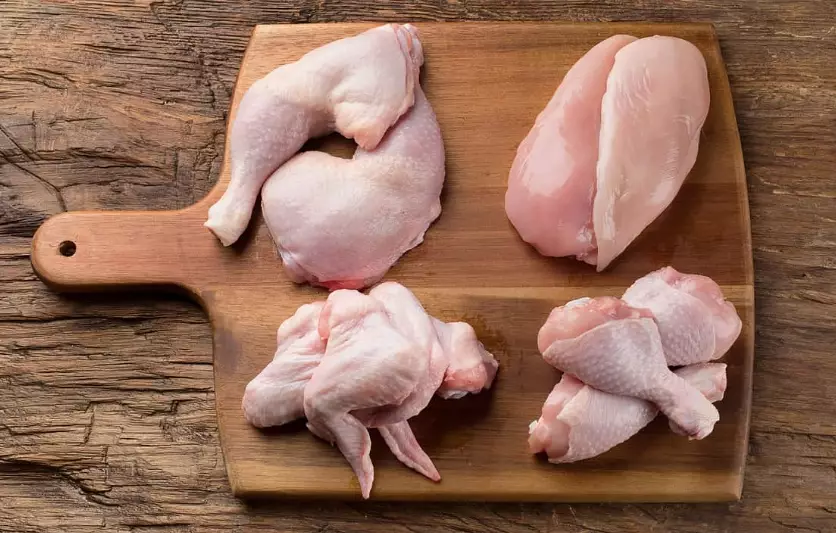
Your Quick Guide to Chicken Cuts
The Raw Numbers: A Nutrition Breakdown (Per 3 oz Cooked)
Let's start with the data, using information from the USDA FoodData Central. This table compares skinless, cooked cuts. The skin changes everything—we'll get to that.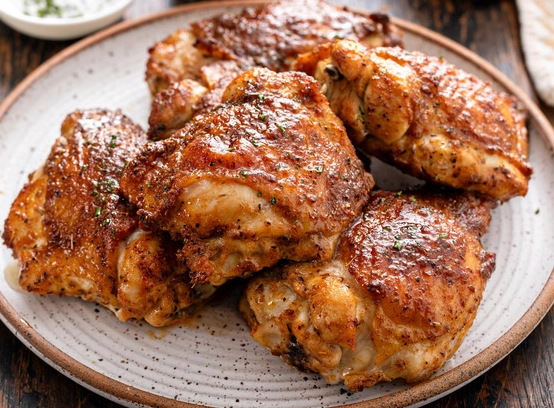
| Chicken Cut | Calories | Protein | Total Fat | Saturated Fat | Key Minerals |
|---|---|---|---|---|---|
| Breast | ~125 | ~26g | ~2.5g | ~0.7g | High in Niacin (B3), Selenium |
| Thigh | ~135 | ~19g | ~7g | ~2g | More Iron & Zinc than breast |
| Drumstick | ~140 | ~24g | ~5g | ~1.5g | Good source of Iron |
| Wing (meat only) | ~120 | ~22g | ~4g | ~1g | -- |
| Ground Chicken (93% lean) | ~150 | ~18g | ~8g | ~2.5g | Varies by blend |
See that? The breast is the clear winner in the "lowest fat and calories, highest protein" category. No debate. If your primary goal is maximizing protein intake while minimizing calories and fat—say, for a strict fat-loss phase—skinless chicken breast is your undisputed champion.
But look at the thigh. It has more iron and zinc, minerals important for energy and immune function. The drumstick isn't far behind the breast in protein. The differences, especially between a skinless thigh and breast, aren't astronomical for the average person.
Beyond the Numbers: Flavor, Cost & Practicality
Nutrition labels don't tell the whole story. Health is also about sustainability and enjoyment.
Chicken Thighs: The Flavor Savior. Thighs have more connective tissue and a slightly higher fat content (even skinless). This means they stay juicy and flavorful through almost any cooking method. They're forgiving. Overcook a thigh by a few minutes? It's still edible. Overcook a breast by a few minutes? You've got a hockey puck. For beginner cooks or anyone who hates dry chicken, thighs are a healthier long-term choice because you'll actually want to eat them.
The Budget Factor. Walk into any grocery store. Chicken thighs (especially bone-in, skin-on) are almost always cheaper per pound than boneless, skinless breasts. Sometimes significantly. For families or anyone on a tight budget, thighs offer tremendous nutritional value for the dollar. Calling them "less healthy" ignores the reality of food access and economics.
The Skin Situation. This is a major point of confusion. Yes, the skin is where most of the saturated fat lives. A skin-on chicken thigh can have double the fat and calories. But here's a non-consensus tip: You can cook with the skin on for flavor and moisture, then remove it before eating. The fat renders into the pan, not all into the meat. You get a crisp, flavorful exterior protecting a juicy interior, and you can simply peel off and discard the skin on your plate. You don't have to start with the dry, skinless cut.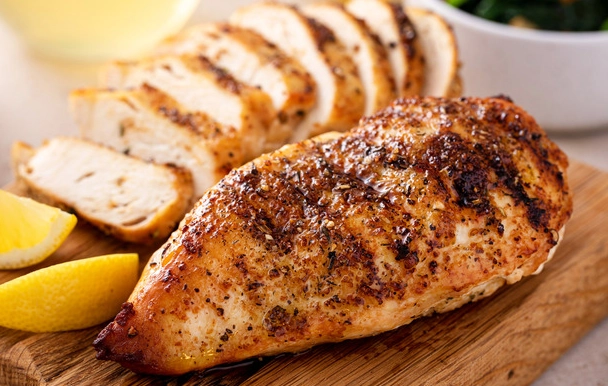
How to Cook Each Cut Like a Pro (Without Drying It Out)
Each cut has a sweet spot. Treating a thigh like a breast, or vice versa, leads to disappointment.
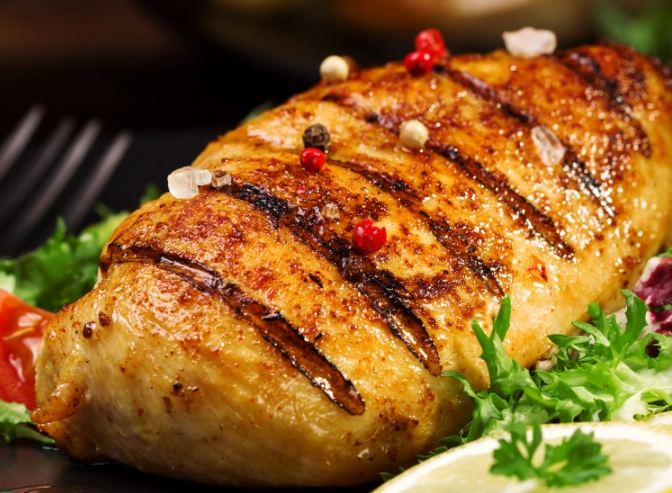
For Chicken Breast: The enemy is overcooking. Get a digital thermometer. Cook to 160°F internally, then let it rest. The temperature will rise to a safe 165°F. Brining (soaking in saltwater) for 30 minutes is a game-changer for moisture. So is pounding it to an even thickness so the thin end doesn't overcook. Best methods: Pan-searing, grilling, or baking at a high heat for a short time.
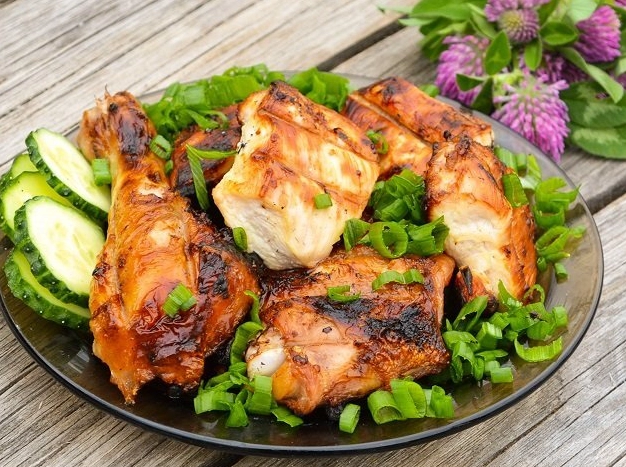
For Chicken Thighs & Drumsticks: These love slower, gentler heat to render fat and break down connective tissue. They are perfect for braising, stewing, roasting at a moderate temperature (375°F-400°F), or grilling over indirect heat. You have a bigger window of "doneness."
My Go-To Weeknight Trick: Toss bone-in, skin-on thighs with salt, pepper, and smoked paprika. Roast at 400°F for 35-40 minutes until the skin is crackling. The family gets juicy, flavorful meat. I peel off the crispy skin (okay, I might have one bite) and my plate is suddenly a lean, healthy meal that didn't taste like a sacrifice.
Common Mistakes People Make When Choosing Chicken
I see these all the time.
1. Buying "Flavor-Enhanced" or "Solution-Added" Breast. Check the label. Many store-brand breasts are injected with a saltwater, sugar, and phosphate solution to retain moisture. You're paying chicken prices for salty water. The sodium content can be sky-high. Look for "100% natural" or "no solutions added." A little dryness you can fix with brining. You can't remove that injected sodium.
2. Assuming Ground Chicken is Always Lean. Ground chicken can be a wild card. "Ground chicken" often includes dark meat and skin. For the leanest option, you must look for "ground chicken breast" or a package that states a lean percentage like "93% lean." Regular ground chicken can have a fat content closer to thigh meat.
3. Overlooking Organ Meats (The Dark Horse). If we're talking nutrient density per calorie, chicken liver is the undisputed heavyweight champion. It's packed with vitamin A, B12, iron, and folate. The taste is strong and divisive, but for those who enjoy it or can hide it in pâté, it's arguably the most nutritious part of the chicken. It's just not what people mean when they ask this question.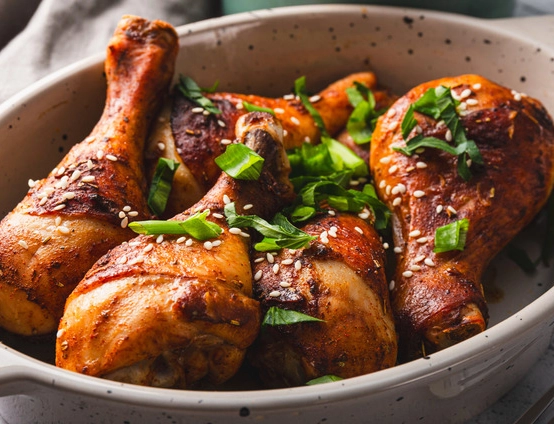
Your Burning Questions Answered
So, what's the verdict? The healthiest part of chicken for you depends.
For maximum leanness and protein: Skinless Chicken Breast. It's the gold standard. Just learn to cook it right.
For flavor, juiciness, and value: Skinless Chicken Thigh. The minor nutritional trade-off is worth it for most people to create meals they love.
The smartest approach is to have both in your rotation. Use breast for salads and high-protein lunches where leanness is key. Use thighs for heartier dinners, curries, and sheet-pan meals where their richness shines. Don't fear the dark meat. By understanding the strengths of each cut, you can make the healthiest choice for your plate, your palate, and your wallet.
Related Articles