Perdue Short Cuts Chicken: The Ultimate Guide to Flavors, Recipes & Buying Tips
Quick Guide
- What Are Perdue Short Cuts, Really?
- The Flavor Lineup: A Deep Dive Into Every Bag
- Nutrition & Ingredients: What Are You Actually Eating?
- How to Cook With Perdue Short Cuts (Without Making It Rubbery)
- Perdue Short Cuts vs. The Competition
- Where to Buy, How to Save, & Storage Tips
- Frequently Asked Questions (The Stuff You Actually Want to Know)
- The Final Verdict: Who Should (and Shouldn't) Buy Them
Let's be honest, who hasn't stood in the grocery store aisle, staring at the wall of pre-cooked meats, wondering if it's a genius shortcut or a flavorless trap? I've been there more times than I can count. Between work, kids, and just life, getting a decent protein on the table feels like a nightly Olympic event. That's where Perdue Short Cuts chicken comes in. You've probably seen the bright blue bags or the trays in the refrigerated section. They promise fully cooked, ready-to-eat chicken in a bunch of flavors. Sounds perfect, right?
But is it? I decided to go beyond just trying one bag. I bought every single flavor I could find, cooked with them for weeks, and even did some side-by-side comparisons with other brands and plain old homemade chicken. This isn't just a quick review. It's the full breakdown—the good, the not-so-great, and the "why didn't I think of that" recipe ideas—to help you figure out if Perdue Short Cuts deserve a spot in your fridge.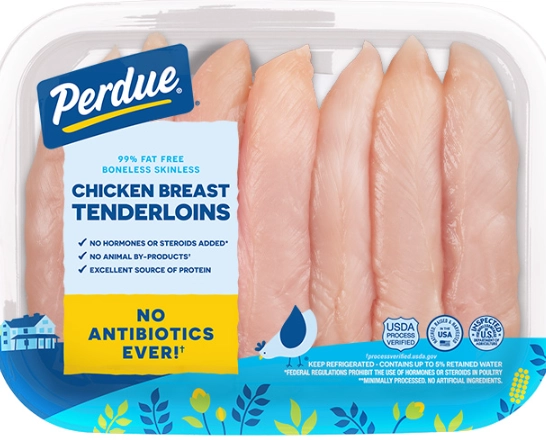
What Are Perdue Short Cuts, Really?
At its core, Perdue Short Cuts are packages of white meat chicken that have been cooked, sliced (or diced, depending on the style), and seasoned. You don't need to cook them. You just need to heat them through if you want them warm, or you can use them straight from the package in cold salads. Perdue markets them as a solution for busy people who want to add lean protein to meals without the prep time and cooking mess.
You'll typically find them in two main formats: the classic Perdue Short Cuts strips (which are like fajita-style strips) and the newer "Diced" version, which is more like small cubes perfect for salads, soups, and bowls. Both are made from 100% chicken breast meat. The convenience factor is the main draw. Zero raw chicken juice, no undercooked poultry anxiety, and no waiting 20 minutes for chicken to bake.
But here's the thing a lot of people don't realize until they buy it: the texture is different from freshly grilled chicken breast. It's a pre-cooked product, so it can lean towards being a bit more uniform and, depending on how you use it, sometimes a tad softer. It's not dry, at least not in my experience, but it doesn't have that just-off-the-grill chew. You trade a bit of that ideal texture for a massive amount of time. For weeknights, I find that trade-off totally acceptable.
The Flavor Lineup: A Deep Dive Into Every Bag
This is where it gets interesting. Perdue Short Cuts chicken isn't just one thing. They have a whole roster of flavors, and some are definitely stronger than others. I laid them all out on my counter for a proper taste test. Here’s the real-world breakdown.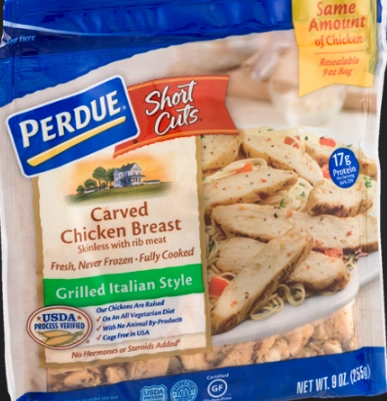
| Flavor Name | Taste Profile | Best Used For | My Honest Take |
|---|---|---|---|
| Grilled | Simple, lightly seasoned, smoky grill marks. | Anything! Salads, pasta, sandwiches, casseroles. The most versatile. | The safe choice. Doesn't overpower your dish. The flavor is mild but pleasant. If you're new to Short Cuts, start here. |
| Italian Style | Herbs like oregano, basil, garlic. Maybe a hint of tomato powder. | Pasta dishes, flatbreads, Italian subs, quinoa bowls. | Probably my most-used flavor. The herbs are noticeable but not fake. Really shines in a quick chicken parm pasta bake. |
| Southwest Style | Chili powder, cumin, a touch of heat. | Tacos, taco salads, burrito bowls, on top of nachos. | Good flavor, but the heat is very mild. I usually add extra chili powder or hot sauce. Perfect for a 5-minute taco Tuesday. |
| Rotisserie | Classic rotisserie chicken seasoning—salty, savory, with paprika and garlic. | Pot pies, chicken salad, soups, eating straight from the bag. | Tastes the most like a grocery store rotisserie chicken. Can be a bit saltier than the other flavors, so watch seasoning in your final dish. |
| Unbreaded Diced (Plain) | Just cooked chicken, no added seasoning. | Anything where you want total control over flavor: curries, stir-fries, kid-friendly meals. | A fantastic product. The dices are uniform and moist. This is my go-to for chicken salad because I can season it exactly how I want. |
| Applewood Smoked Bacon | Chicken with a smoky, bacon-like flavor. | Cobb salads, baked potatoes, breakfast scrambles. | The most divisive flavor. I found the smoke flavor a bit artificial for my taste. My partner loved it on a salad. Try it once to see which camp you're in. |
You might also see a "Carved Chicken Breast" style, which is just larger, thicker slices. It's essentially the same as the grilled strips but in a different shape, great for sandwiches.
Nutrition & Ingredients: What Are You Actually Eating?
Okay, let's talk health. It's pre-cooked chicken, so it should be pretty straightforward, right? Mostly. The base is always skinless, boneless chicken breast, which is a great source of lean protein. But then they add seasonings, and sometimes other ingredients to help with moisture and shelf-life.
I took a look at the labels, and the information from Perdue's official website confirms it. A typical serving (about 3 oz or 85g) of the Grilled strips has around 80-90 calories, 1-2g of fat, and a whopping 16-18g of protein. That's a solid protein punch for very few calories. The sodium is where you need to pay attention. It ranges from about 350mg to 500mg per serving depending on the flavor. The Rotisserie and Southwest styles tend to be on the higher end.
Is that a lot? For context, the FDA recommends less than 2,300mg per day. So one serving uses up about 15-20% of your daily limit. If you're on a low-sodium diet, you'll want to factor that in. The plain, unseasoned diced chicken has significantly less sodium, which is a major plus.
The ingredient list is relatively short. For the Grilled flavor, it's: Chicken Breast, Water, Seasoning (Salt, Sugar, Garlic Powder, etc.), Rice Starch, and Natural Flavors. The rice starch helps retain moisture. There are no artificial preservatives in the refrigerated versions, which is good. They do need to be refrigerated and used by the date on the package.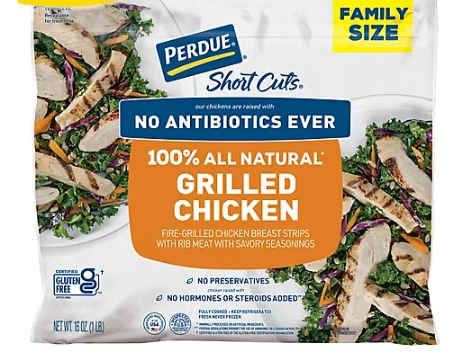
How to Cook With Perdue Short Cuts (Without Making It Rubbery)
This is the most important section. Using Perdue Short Cuts chicken wrong can lead to a disappointing meal. The key is to remember it's already cooked. You're just warming it up and integrating it into your dish. Overheating is the enemy—it can make the chicken dry and give it a rubbery texture.
Best Heating Methods:
- Stovetop (My Favorite): A quick toss in a non-stick skillet over medium heat for 2-3 minutes is perfect. No oil needed if the pan is good. Just until heated through. You can add a splash of broth, sauce, or a pat of butter at the end for extra moisture.
- Microwave: It works in a pinch. Put the chicken in a microwave-safe dish, cover it loosely, and heat on 50% power for 60-90 seconds. Stop and stir halfway. Full power will often make the edges tough.
- Oven: Not usually necessary unless it's part of a bigger bake, like a casserole. If you must, spread on a baking sheet and warm at 300°F for 5-8 minutes.
Never boil it or simmer it for a long time. If you're adding it to a soup, stir it in during the last minute of cooking, just to warm it. Let the hot broth do the work.
Recipe Ideas That Actually Work
Forget the generic "add to salad" suggestion. Here are real meals I make regularly.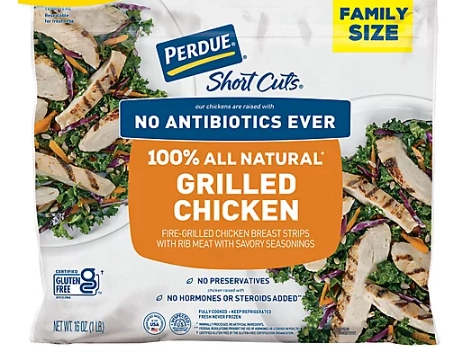
You get the idea. It's about using them as a high-quality component, not the star of a slow-cooked stew.
Perdue Short Cuts vs. The Competition
They aren't the only player. Tyson, Hormel, and store brands all have similar products. How does Perdue Short Cuts chicken stack up?
Based on my side-by-side tastings:
- Texture: Perdue tends to have a more "real chicken" texture compared to some competitors that can be mushier or have a more processed mouthfeel.
- Flavor Variety: Perdue's flavor lineup, especially the Italian and Southwest, feels more distinct and less salty-water-ish than some store brands.
- Price: Perdue is often mid-range. Not the cheapest, but not the most expensive. I find it's worth the extra dollar over the absolute bottom-tier store brand, which sometimes has more filler.
- Ingredient Transparency: I appreciate that Perdue uses 100% breast meat and has a relatively clean label for this category of product.
But let's be real, the biggest competitor is cooking your own chicken. A batch of baked or instant pot chicken breast is cheaper per ounce and you control everything. The trade-off, again, is time, effort, and cleanup. On a Sunday, I might batch cook. On a Wednesday at 6 PM, Perdue Short Cuts win every time.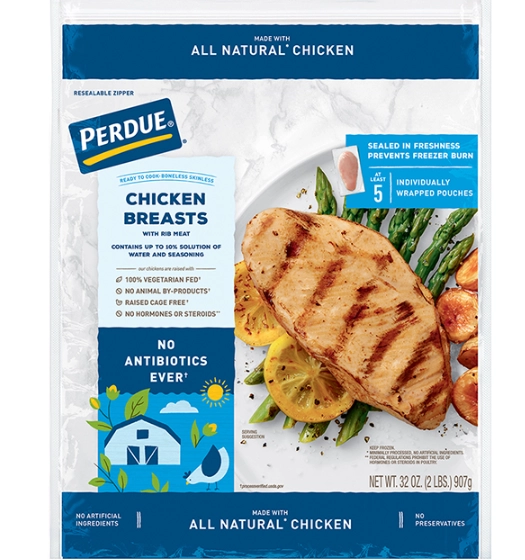
Where to Buy, How to Save, & Storage Tips
You can find Perdue Short Cuts in almost any major grocery store in the US: Walmart, Target, Kroger, Safeway, Publix, etc. They're in the refrigerated meat section, usually near the hot dogs, bacon, or pre-made meals. Sometimes they're also in the deli area.
To save money:
- Look for digital coupons on the store's app or on the Perdue website.
- They often go on sale "Buy One, Get One 50% Off" or similar. Stock up then.
- Consider the cost-per-meal. One bag can make two lunches or feed a family of four in a pasta dish. It's often cheaper than ordering takeout.
Storage is critical. Keep them refrigerated at all times. Once opened, use within 3-4 days. You can freeze the unopened bags to extend their life, but be warned: freezing and thawing can slightly alter the texture, making it a bit more spongy. It's fine for soups or casseroles where texture is less critical, but I wouldn't freeze it for a salad topping.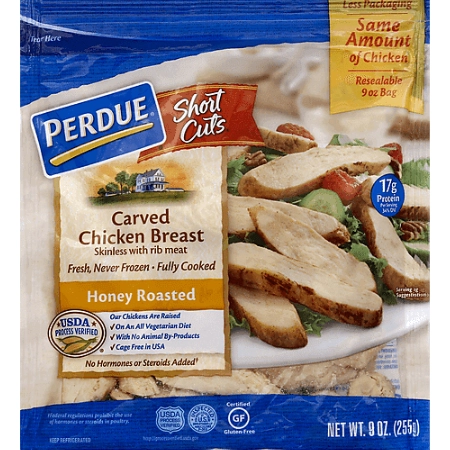
Frequently Asked Questions (The Stuff You Actually Want to Know)
Let's tackle the common Google searches head-on.
The Final Verdict: Who Should (and Shouldn't) Buy Them
So, after all this, are Perdue Short Cuts chicken worth it?
Buy them if: You're constantly short on time but want to eat healthier. You hate handling raw chicken. You need a reliable protein for lunches. You have picky eaters and the plain diced version is a safe bet. You're okay with the texture trade-off for the convenience.
Skip them if: You are on a very strict, low-sodium diet (stick to plain and check the label). You are a true gourmet who finds the texture of any pre-cooked meat unacceptable. You are feeding a huge crowd on a very tight budget (whole chickens or bulk raw breasts are cheaper).
For me, they're a pantry staple—or rather, a fridge staple.
They won't replace a perfectly grilled chicken breast on a summer Sunday. But for the chaotic reality of most weeknights, they are a legitimate tool that helps me get a decent meal on the table without resorting to drive-thrus or cereal for dinner. The key is managing expectations and using them right. Don't treat them like raw chicken. Treat them like what they are: a handy, pre-prepared ingredient that solves one specific problem—getting lean protein into your meal, fast.
Grab a bag of the Grilled or Italian style next time you're at the store. Try one of the quick recipes above. You might just find that blue bag earning a permanent spot in your weekly grocery haul.
Related Articles