The Ultimate Guide to Chicken Dark Meat: Flavor, Nutrition, and Mastering Thighs & Legs
Let's be honest. For years, chicken breast got all the glory. It was the lean, clean protein poster child, while dark meat—the thighs, legs, and wings—lurked in the background, often labeled as "too fatty" or "less healthy." I bought into that myth too, until I started cooking professionally. That's when I realized the truth: dark meat isn't just forgiving for beginners; it's where the real flavor lives. It's juicier, more flavorful, and, when cooked right, delivers a satisfaction white meat often struggles to match. This isn't about settling for the cheaper cut. This is about choosing the better cut.
What's Inside This Guide
The Science Behind Why Dark Meat Tastes Better
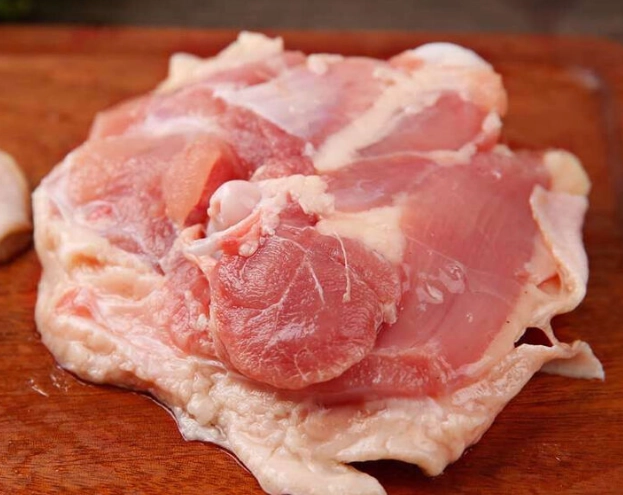
It all comes down to myoglobin and fat. Myoglobin is a protein that stores oxygen in muscle cells. Muscles that get more use, like the legs and thighs of a chicken that walks around, need more oxygen, so they have more myoglobin. That's what gives the meat its darker color. But here's the kicker—it also contributes to a richer, more savory flavor often described as "meatier."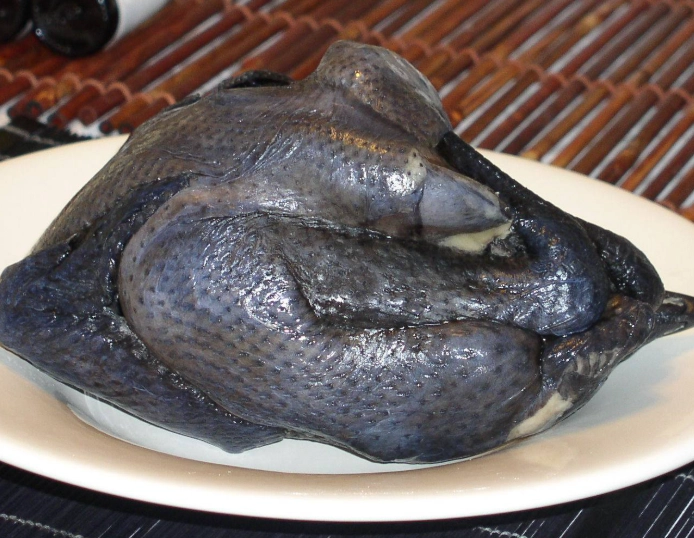
Then there's the fat. Intramuscular fat, the little specks and marbling within the meat itself. Dark meat simply has more of it. This fat melts during cooking, basting the muscle fibers from the inside out. That's the magic trick. No matter how careful you are with a chicken breast, you're fighting against its natural leanness. With a thigh, the fat is your built-in insurance policy against dryness.
I see home cooks make one subtle mistake all the time. They treat a thigh like a breast, cooking it hot and fast to an internal temperature of 165°F (74°C) and pulling it off. While safe, this misses the point. The connective tissue in dark meat, mainly collagen, needs more time to break down into gelatin. That's what creates that fall-off-the-bone, luxuriously tender texture. Aim for 175-185°F (79-85°C) for thighs and legs. The extra time transforms the texture completely.
The Nutrition Truth: It's Not What You Think
Let's clear the air: A 3-ounce cooked skinless chicken thigh has about 150 calories and 7 grams of fat. A same-sized portion of skinless breast has about 130 calories and 3 grams of fat. The difference is smaller than most people imagine, and that extra fat is mostly monounsaturated—the good kind.
Where dark meat really shines is in its micronutrient profile. According to the USDA's FoodData Central, it's significantly higher in iron, zinc, and several B vitamins, particularly B12 and riboflavin. These are crucial for energy metabolism and a healthy nervous system. So, if you're feeling run down, swapping in some dark meat might do more than just please your palate.
The skin? That's a personal choice. Yes, it adds calories and saturated fat. But it also adds incredible flavor and protects the meat during cooking. My rule: if you want the skin, make it count. Render it slowly until it's shatteringly crisp. A soggy, flabby skin is the worst of both worlds. Otherwise, remove it before cooking for a leaner meal.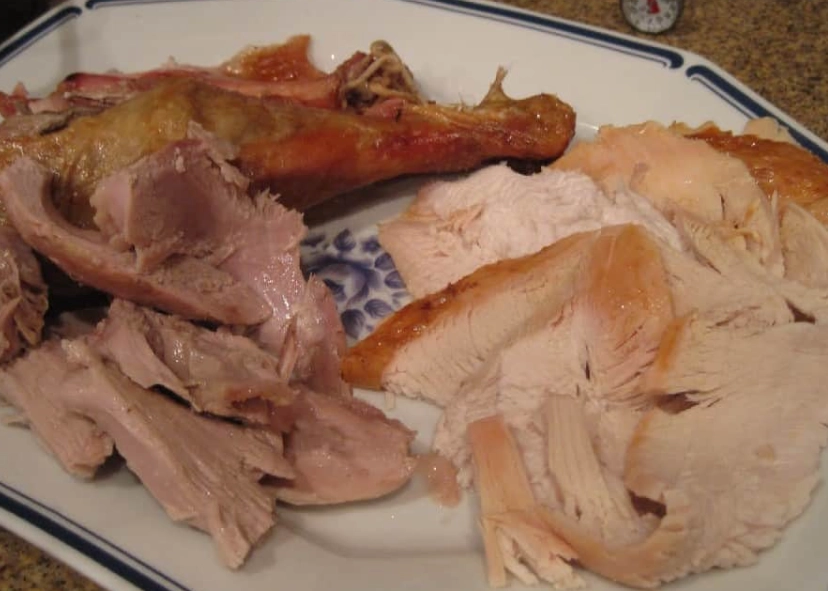
Thighs vs. Legs: Picking Your Champion
Both are dark meat, but they play different games in the kitchen. Understanding this will change how you shop and cook.
| Feature | Chicken Thighs | Chicken Legs (Drumsticks) |
|---|---|---|
| What You Get | Upper part of the leg. Sold bone-in, boneless, skin-on, or skinless. | The lower leg (drumstick). Often sold attached to the thigh as a "whole leg." |
| Meat-to-Bone Ratio | Higher. More meat, especially boneless. | Lower. Fun to eat, but more work for less meat. |
| Best For... | Pan-searing, grilling, baking, stir-fries (boneless). Cooks evenly. | Braising, roasting, grilling (great handle). Forgiving and hard to overcook. |
| Flavor & Texture | Slightly richer, more uniform tenderness. My personal weekday MVP. | Intense flavor close to the bone. Can be slightly more fibrous. |
| Typical Price | Often the best value per pound of edible meat. | Usually the cheapest cut, great for feeding a crowd. |
My fridge is rarely without a pack of bone-in, skin-on thighs. They're my utility player. The bone adds flavor during cooking, and the skin, when crisped, is a treat. Boneless thighs are a weeknight miracle for quick curries, sheet-pan dinners, or stuffed recipes. Drumsticks? I save those for big, messy, fun meals—think summer barbecues or a cozy Sunday roast with potatoes.
How to Master Every Cooking Method for Dark Meat
The beauty of dark meat is its versatility. It thrives under almost any heat source. Here’s how to get the best from each method.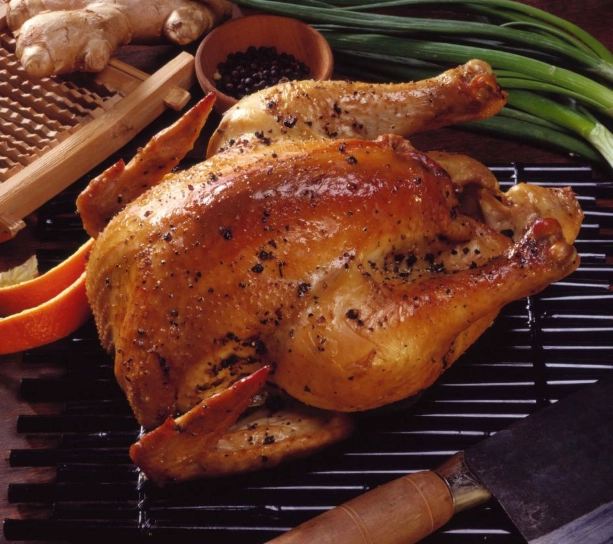
Pan-Searing (The King of Weeknights)
This is about maximizing texture. Pat your thighs very dry. Season aggressively. Start them skin-side down in a cold, oven-safe skillet with just a whisper of oil. Turn the heat to medium. Let them render and crisp slowly for 10-15 minutes—don't peek! Flip, then transfer the whole skillet to a 400°F (200°C) oven for another 10-15 minutes to finish. This method gives you crackling skin and perfectly cooked meat without splatter or guesswork.
Braising & Stewing (The Flavor Bomb)
Dark meat was made for braising. Brown the pieces first (that's non-negotiable for flavor), then let them simmer low and slow in a flavorful liquid—wine, stock, tomatoes. The collagen dissolves into the sauce, making it silky and rich, while the meat becomes impossibly tender. Try a classic coq au vin; you'll never use breast meat for it again.
Grilling & Roasting (The Crowd-Pleasers)
For grilling, go indirect. Sear over high heat to mark, then move to a cooler part of the grill to cook through without charring the outside. For roasting a whole batch, a hot oven (425°F / 220°C) on a sheet pan works. Toss with olive oil, salt, and maybe some smoked paprika. The high heat renders the fat and gives you juicy meat with tasty, caramelized bits.
A trick most recipes don't mention: score the skin. Make a few shallow slashes through the skin (not into the meat) before seasoning. This helps the fat render more effectively and allows seasoning to penetrate, preventing bland skin.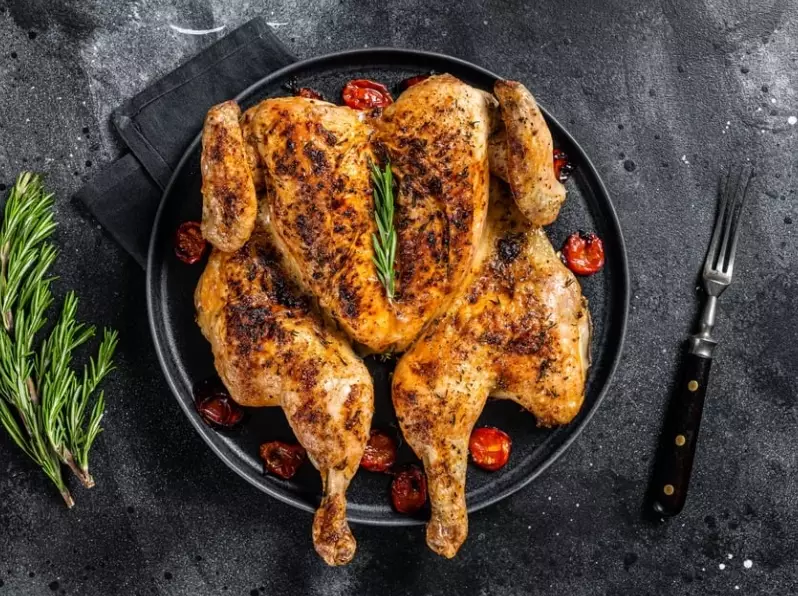
Your New Go-To Weeknight Chicken Thigh Recipe
Let's put this into practice. This isn't a fancy recipe. It's the one you'll make on a Tuesday when you're tired. It uses one pan and delivers restaurant-level results.
Honey-Garlic Pan-Seared Chicken Thighs with Crispy Potatoes
You'll need: 4 bone-in, skin-on chicken thighs, 1 lb baby potatoes halved, 4 garlic cloves minced, 1/3 cup honey, 2 tbsp soy sauce, 1 tbsp apple cider vinegar, olive oil, salt, pepper, smoked paprika.
Here's the play-by-play. Pat the thighs dry. Score the skin. Rub with salt, pepper, and a pinch of smoked paprika. Toss potatoes with oil, salt, and pepper. In a cold large oven-safe skillet, place thighs skin-side down. Turn heat to medium and cook 12-14 mins until golden and crisp. Flip thighs, scatter potatoes around them. Transfer skillet to a 400°F (200°C) oven for 20 mins. Meanwhile, mix honey, soy, vinegar, and garlic. Pull skillet out, drizzle sauce over everything. Return to oven for 5-7 mins until glossy. That's it. The potatoes cook in the chicken fat. The sauce caramelizes. It's a complete, mind-blowingly good meal in one pan.
The takeaway? Chicken dark meat is a choice, not a compromise. It's for the cook who values flavor, juiciness, and reliability. It's economical, nutritious, and endlessly adaptable. Stop treating it as second best. Start treating it as the secret weapon in your kitchen that it truly is.
Related Articles