Buttermilk Chicken: The Secret to Juicy, Crispy Fried Chicken
That first bite of perfect fried chicken – the shatter of a golden crust giving way to steaming, impossibly juicy meat – feels like a small miracle. Most home cooks chase that feeling, only to end up with chicken that's either dry inside, soggy outside, or bland through and through. I've been there. My early attempts were a series of disappointments: burnt coating, undercooked thighs, you name it. Then I learned the one rule that changed everything: it's not about the frying, it's about the buttermilk. Forget fancy gadgets or secret spice blends. The humble carton of buttermilk is the single most important ingredient in your quest for fried chicken greatness.
What You'll Find in This Guide
How Buttermilk Works Its Magic (It's Science)
Let's get nerdy for a second. Buttermilk isn't just a flavorful liquid. It's a tenderizing powerhouse because of its acidity and enzymes. The lactic acid in buttermilk gently breaks down the tough protein strands in the chicken muscle. This process, similar to what happens in a good steak marinade, creates tiny channels in the meat that later trap moisture and seasoning.
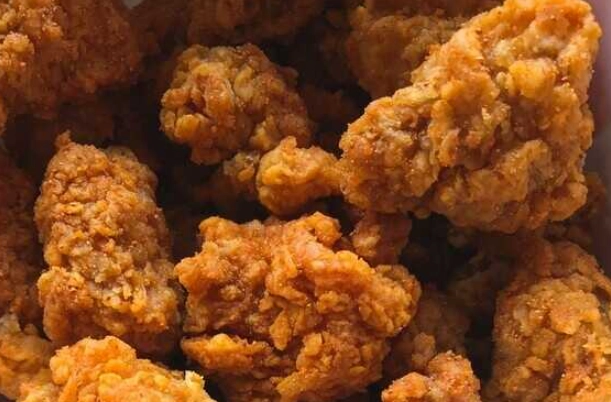
Here's the part most recipes don't tell you: it also affects the surface. The acid slightly "cooks" the very outer layer of the chicken, creating a tacky surface that the flour mixture clings to like glue. This is why buttermilk-bathed chicken gets that craggy, extra-crispy crust that's full of nooks and crannies. A water or milk brine just can't compete.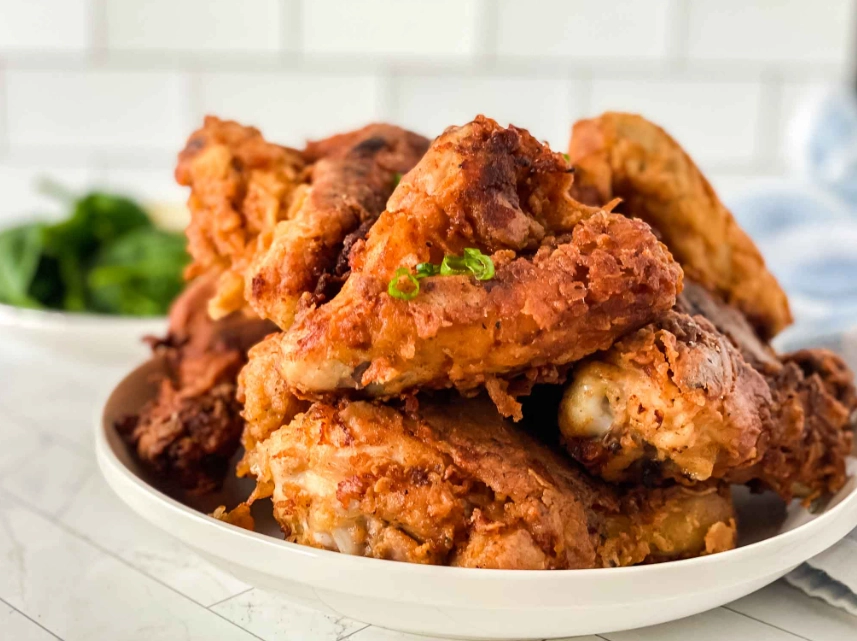
How long should you marinate? The sweet spot is between 4 and 24 hours. Less than 4, and the buttermilk doesn't have time to work. More than 24, especially with thinner cuts like breast tenders, and the meat can start to get a slightly mushy texture. I aim for an overnight soak – it's hands-off and perfect.
Pro Tip from a Catering Kitchen: Want to see the difference? Try a side-by-side test. Marinate one batch of chicken in seasoned buttermilk and another in seasoned regular milk for the same time. Fry them identically. The buttermilk chicken will be noticeably more tender and the crust will have a deeper golden color and better adhesion.
The Step-by-Step Buttermilk Chicken Recipe
This is my go-to, no-fail method honed over a decade of frying for family and crowds. It works for any cut, but let's be honest – dark meat reigns supreme here for its forgiving nature and richer flavor.
The Buttermilk Brine (The Foundation)
In a large bowl or zip-top bag, whisk together:
2 cups buttermilk (full-fat is best, but low-fat works)
2 tablespoons kosher salt (Diamond Crystal; if using table salt, use 1 tablespoon)
1 tablespoon black pepper
1 teaspoon paprika (smoked or sweet)
1 teaspoon garlic powder
A few dashes of your favorite hot sauce (optional, but recommended)
Add 3-4 lbs of chicken pieces (thighs and drumsticks are ideal, bone-in, skin-on). Make sure every piece is submerged. Cover and refrigerate. Give the bag a squish or stir the bowl once if you remember.
The Dredge & The Fry (The Transformation)
When you're ready to cook, set up your station. This is crucial for avoiding a floury mess.
1. Drain the chicken. Pull the pieces from the buttermilk and let the excess drip off. Don't wipe them dry – you want them wet.
2. The Double-Dry Dredge. In a large shallow dish, mix 2 cups of all-purpose flour with 1 tablespoon each of salt, pepper, and paprika. Some people add cornstarch for extra crunch; I find a well-executed double-dredge does the trick without it. Working with one piece at a time, coat the chicken thoroughly in the flour. Shake off the excess. Then, dip it back into the leftover buttermilk marinade for just a second, and give it a second coat of flour. This double layer is the secret to that thick, craggy, professional-looking crust. Place the dredged pieces on a wire rack while you heat the oil.
3. Heat the oil. Pour about 2 inches of a high-smoke-point oil (see next section) into a heavy Dutch oven or deep cast-iron skillet. Attach a deep-fry or candy thermometer. Heat over medium-high to 350°F (175°C). This temperature is non-negotiable for the perfect cook.
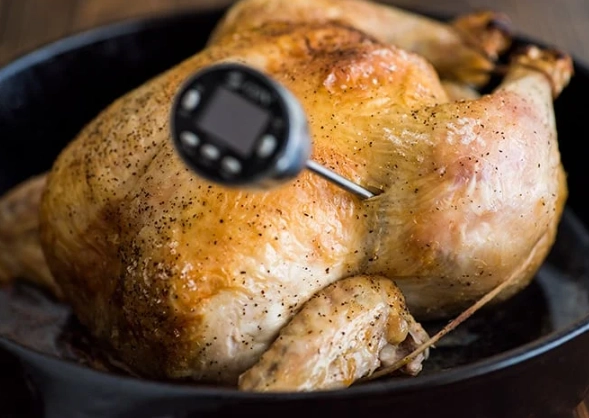
4. Fry in batches. Don't crowd the pot. Gently lower 3-4 pieces of chicken into the hot oil. The temperature will drop – adjust the heat to maintain a steady 325°F (163°C). Fry bone-in thighs and drums for 12-15 minutes, turning occasionally, until deeply golden brown and an instant-read thermometer inserted into the thickest part (away from bone) reads 165°F (74°C).
5. Drain and rest. Transfer the fried chicken to a clean wire rack set over a baking sheet. Do not drain on paper towels. Paper towels trap steam and make the bottom crust soggy. Let it rest for at least 10 minutes. This allows the juices to redistribute, ensuring every bite is moist.
Common Buttermilk Chicken Mistakes and How to Fix Them
| The Problem | Likely Cause | The Expert Fix |
|---|---|---|
| Soggy, pale crust | Oil temperature too low. Chicken stews instead of fries. | Use a thermometer. Wait for oil to hit 350°F before adding chicken. Don't overcrowd the pot. |
| Burnt outside, raw inside | Oil temperature too high. Outside cooks before heat penetrates. | Again, thermometer! Maintain 325°F during frying. For larger pieces, finish in a 375°F oven for 5-10 mins if needed. |
| Bland meat | Seasoning only the flour, not the brine. | Salt the buttermilk brine aggressively. The salt needs time to migrate into the meat. |
| Coating falls off | Not letting the dredged chicken "set" before frying, or wiping chicken too dry. | After the double-dredge, let the chicken sit on the rack for 5-10 minutes. This lets the coating hydrate and adhere. |
| Greasy taste | Using the wrong oil (low smoke point) or not maintaining temp. | Choose peanut, vegetable, or refined avocado oil. Filter and reuse oil no more than 2-3 times. |
What's the Best Oil for Frying Buttermilk Chicken?
This isn't the place for extra virgin olive oil. You need something neutral in flavor and with a high smoke point (the temperature at which it starts to burn and smoke).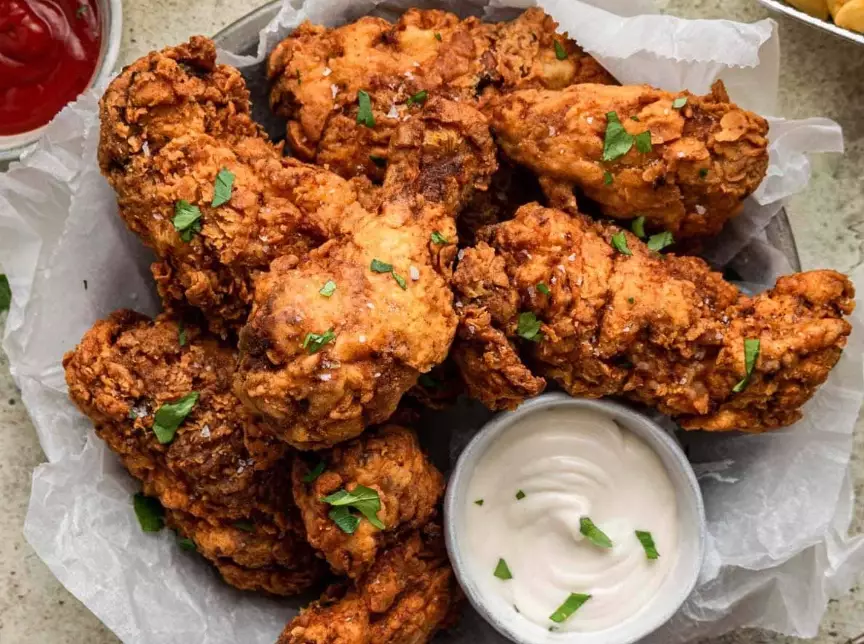
My top pick is peanut oil. It has a high smoke point (around 450°F/232°C), a clean taste, and it's what many Southern restaurants use. It can be pricier, but it's worth it for a special batch.
Vegetable or canola oil are excellent, affordable, and widely available choices. Their smoke points are well above our target frying temperature.
Avocado oil (refined) has an extremely high smoke point and is a great option if you have it.
Whatever you choose, don't skimp on quantity. You need enough oil to come halfway up the sides of the chicken pieces for proper submersion frying. A heavy, thick-bottomed pot is also key for steady, even heat.
Your Buttermilk Chicken Questions, Answered
Can I use yogurt instead of buttermilk for fried chicken?
You can, but thin it out with a little milk or water to a pourable consistency. The results are similar because yogurt is also cultured and acidic. However, buttermilk's thinner texture often allows for a more even coating and slightly tangier flavor that cuts through the richness of the fried crust better.
My chicken is always dry. I cook it to 165°F, so what am I doing wrong?
The 165°F target is for safety, but carryover cooking is your enemy here. If you pull it at 165°F, the residual heat will push it to 170°F+ as it rests, especially in breasts. For white meat, pull it from the oil at 155-160°F and let carryover do the rest. For dark meat (thighs, legs), you can safely go to 175-180°F – the higher fat and connective tissue actually benefit from the longer cook, becoming more tender and juicy.
 Can I make buttermilk chicken in an air fryer?
You can, but manage your expectations. It will be "crispy chicken," not classic deep-fried buttermilk chicken. The air fryer excels at reheating fried chicken to regain crispness. For cooking from raw, follow the same brine and dredge steps, then spray the coated chicken generously with oil. Cook in a single layer at 375°F, flipping halfway. The crust will be different – drier and more like a baked coating than a shaggy, fried one.
How do I reheat leftover buttermilk chicken without it getting soggy?
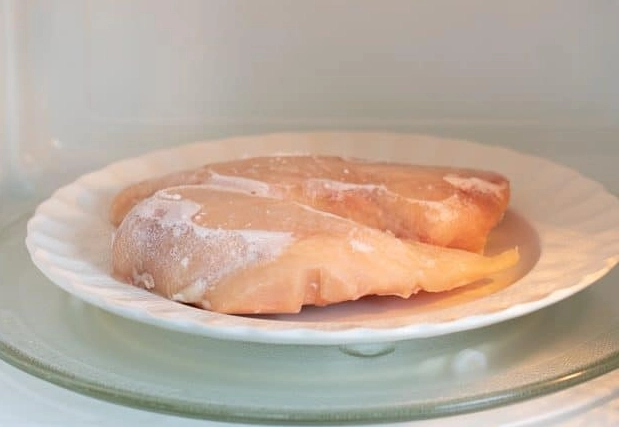
The oven or air fryer are your best friends. Never use the microwave. Preheat your oven to 375°F (190°C). Place the chicken on a wire rack over a baking sheet. This allows hot air to circulate all around it. Bake for 10-15 minutes until hot and crisp. An air fryer at 375°F for 5-8 minutes works even faster. The crust won't be *quite* as perfect as day one, but it'll be miles better than a soggy, microwaved piece.
Is there a way to make the process less messy?
Use one hand for wet steps (handling the marinated chicken, the first buttermilk dip) and your other hand for dry steps (handling the flour dredge). This keeps your fingers from becoming cement-coated claws. Also, dredge directly in the pot you plan to use for frying, or use a disposable aluminum roasting pan for the flour station for easy cleanup.
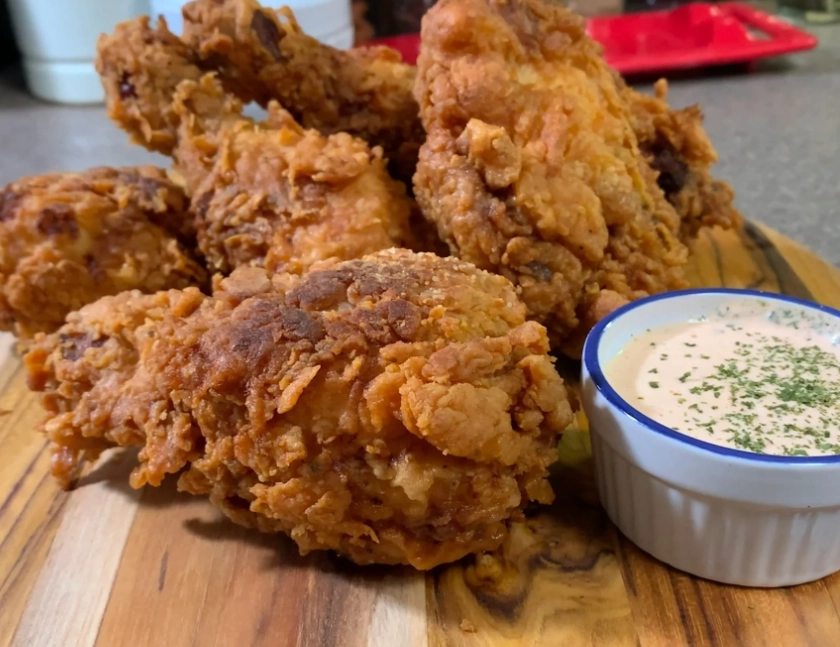 The journey to perfect buttermilk chicken is a delicious one. It might take a batch or two to get your system down, but once you taste that juicy, craggy-crusted homemade masterpiece, you'll understand why the extra step of the buttermilk brine is non-negotiable. It transforms a simple weeknight meal into something worthy of a celebration. So grab that carton of buttermilk, be patient with your oil temperature, and get ready for the best fried chicken you've ever made at home.
Related Articles