Ground Chicken Nutrition Facts: Benefits, Protein & Calories Explained
Quick Navigation
- Ground Chicken Nutrition Facts: The Core Data
- Why Bother? The Real-World Health Benefits
- Ground Chicken vs. The Competition: Beef, Turkey, and More
- Buying Smart: How to Pick the Best Ground Chicken
- Cooking It Right: Keeping It Moist and Flavorful
- Storing and Food Safety: Non-Negotiables
- Wrapping It Up: Is Ground Chicken Worth a Spot in Your Fridge?
Let's talk about ground chicken. You see it at the grocery store, maybe right next to the ground beef and turkey, and you wonder: is it actually any good? I mean, it looks kind of pale, right? It doesn't have that hearty appeal of beef. I used to skip right over it, thinking it was just a bland, boring alternative. But then I started digging into the ground chicken nutrition facts, and honestly, I was surprised. It's not just a substitute; it's a legitimately smart choice for a bunch of reasons, especially if you're trying to eat a bit cleaner or manage your protein intake without all the saturated fat.
This isn't about pushing a "superfood" narrative. Chicken is chicken. But the ground version is incredibly versatile, and its nutritional profile makes it a workhorse in the kitchen. Whether you're meal prepping for the week, trying to hit fitness goals, or just looking for a lighter take on classic dishes like burgers, meatballs, or tacos, understanding what's in it is the first step. So, let's break it down, without the marketing fluff.
The bottom line upfront: Ground chicken is a lean, high-protein meat that's lower in calories and saturated fat than most ground beef. But its exact nutrition depends heavily on one thing—what part of the chicken was ground. That's the big secret most labels don't shout about.
Ground Chicken Nutrition Facts: The Core Data
Alright, let's get to the numbers. When you look up ground chicken nutrition facts, you'll typically find data for a 3-ounce (about 85-gram) cooked serving. But here's the kicker—this can vary. A lot. The USDA's FoodData Central is the gold standard for this stuff, and even there, you'll see different entries. The main split is between ground chicken made from breast meat (the leanest) and ground chicken that includes dark meat and skin (higher in fat).
For a truly useful look, we need to compare the two main types side-by-side. This table is based on compiled data from USDA sources for cooked, pan-broiled plain ground chicken.
| Nutrient | Ground Chicken (100% Breast Meat) | Ground Chicken (Typical Blend, 85/15) |
|---|---|---|
| Calories | ~120 kcal | ~180 kcal |
| Total Fat | ~2.5g | ~10g |
| Saturated Fat | ~0.7g | ~2.8g |
| Protein | ~23g | ~20g |
| Cholesterol | ~70mg | ~85mg |
| Sodium (plain) | ~60mg | ~70mg |
See the difference? Calling it just "ground chicken" isn't enough. The breast-only version is a protein powerhouse with hardly any fat. The more common blend (often labeled just "ground chicken" or sometimes with a lean/fat ratio like 85/15) has more fat, which also means more flavor and juiciness, but the calories nearly double. This is the single most important thing to grasp when evaluating ground chicken nutrition facts for your diet.
Protein Punch: That 23 grams of protein in a lean serving is serious. It's a complete protein, meaning it has all nine essential amino acids your body needs to build and repair muscle, make enzymes, and support your immune system. For anyone active, that's gold.
Beyond the macros, there's a decent micronutrient profile too. Ground chicken provides a good hit of B vitamins, especially Niacin (B3) and B6, which are crucial for energy metabolism and nervous system function. You also get minerals like selenium (a powerful antioxidant), phosphorus for bone health, and some zinc. It's not the most vitamin-packed food on the planet, but it's a solid, nutrient-dense source of protein.
Why Bother? The Real-World Health Benefits
Knowing the ground chicken nutrition facts is one thing, but what does it actually do for you? Let's connect the dots.
Managing Weight Without Feeling Starved
This is a big one. High-protein foods are famously satiating. They help you feel full longer, which can curb those afternoon snack attacks. Because lean ground chicken is low in calories and fat but high in protein, it gives you a lot of "bang for your buck" calorically. You can have a satisfying portion without blowing your daily budget. I found swapping out half the beef in my chili for ground breast meat let me eat a bigger bowl for fewer calories, and I didn't miss the heaviness.
Heart Healthier Choice (Compared to Fatty Red Meats)
This is where the ground chicken vs ground beef conversation really matters. Replacing saturated fat-heavy meats with leaner poultry like chicken is a common dietary recommendation from groups like the American Heart Association for supporting cardiovascular health. The leaner the ground chicken, the less saturated fat you're consuming. Less saturated fat means a better profile for managing LDL (the "bad") cholesterol levels over time. It's not magic, but it's a simple, effective swap.
Pro Tip: Even if you go for a blend with more fat, the fat in chicken is still different from beef fat. Poultry fat has more unsaturated fats relative to the hard saturated fats found in higher quantities in red meat. It's a better fat profile overall.
Muscle Building and Maintenance
You don't need to be a bodybuilder to care about maintaining muscle mass. Muscle is metabolically active tissue—it helps you burn more calories at rest. As we age, preserving muscle is key for strength, balance, and overall metabolism. That high-quality, complete protein in ground chicken provides the raw materials your body needs for this maintenance and repair work. After a workout, a meal with a good protein source like this helps with recovery.
But let's be real for a second. The biggest benefit for most people? Versatility. You can use it in almost any recipe that calls for ground meat. That makes sticking to a healthier eating pattern much, much easier.
Ground Chicken vs. The Competition: Beef, Turkey, and More
You're probably wondering how it stacks up. Here’s a quick, honest comparison. Let's take a standard 85/15 lean-to-fat ratio for each to keep it fair (based on USDA data for cooked meat).
The Quick Take: Ground chicken (blend) usually sits right between turkey and beef in terms of fat and calories. Breast-only chicken beats them all for leanness.
| Meat (85/15 cooked) | Calories (per 3oz) | Total Fat | Saturated Fat | Protein | My Notes |
|---|---|---|---|---|---|
| Ground Chicken (Blend) | ~180 | ~10g | ~2.8g | ~20g | The balanced option. Less "gamey" than turkey for some. |
| Ground Turkey (Blend) | ~175 | ~9.5g | ~2.5g | ~22g | Very similar. Can be drier if overcooked. |
| Ground Beef (85/15) | ~215 | ~13g | ~5g | ~22g | Higher in saturated fat, richer flavor. |
| Ground Chicken (Breast Only) | ~120 | ~2.5g | ~0.7g | ~23g | The clear winner for leanness. |
So, is ground chicken healthier than ground beef? From a fat and calorie perspective, yes, especially the lean versions. Is it better than turkey? They're nutritional twins, honestly. The choice often comes down to price, taste preference, and what's available. Some people find turkey has a slightly stronger flavor, while ground chicken is a bit more neutral and takes on seasonings beautifully.
The downside? Lean ground chicken, especially breast meat, has almost no fat. That's great for nutrition labels, but terrible for juicy burgers if you don't handle it right. It can become dry and crumbly if you overcook it. That's the trade-off.
Buying Smart: How to Pick the Best Ground Chicken
This is where you take control of your ground chicken nutrition facts. Don't just grab the first package.
- Read the Label Like a Detective: Look for the lean/fat ratio (e.g., 93/7, 99/1 for breast). Look for the words "breast" or "white meat." If it just says "ground chicken," assume it's a blend of light and dark meat.
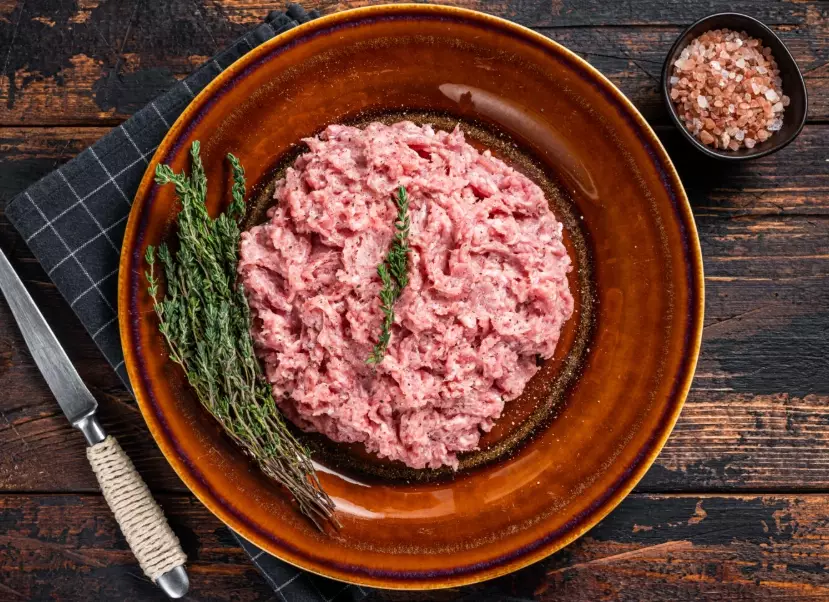
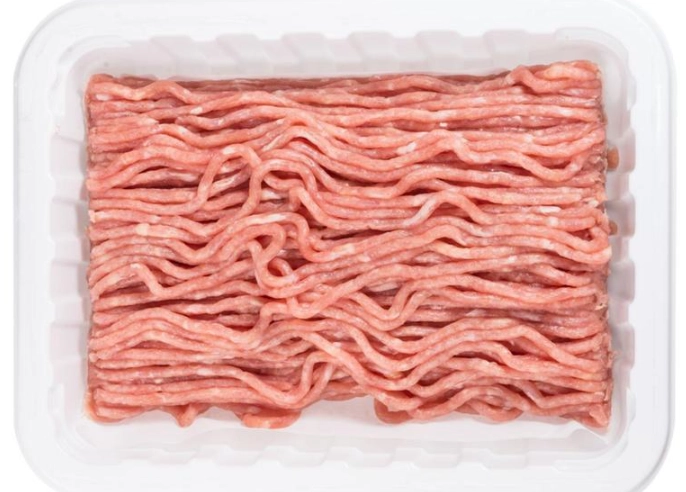
- Check the Color: Fresh ground chicken should be a light pink color. Any grayish tones or dark spots are a no-go. It should look moist but not sitting in a pool of liquid.
- Consider the Source: If you have a good butcher counter, ask them to grind chicken breast for you fresh. You know exactly what's in it. Some stores also offer ground chicken thigh, which is higher in fat but incredibly flavorful for things like sausage or saucy dishes.
- Avoid Pre-Seasoned or Flavored: These can be loaded with extra sodium, sugars, and preservatives. You're better off seasoning plain ground chicken yourself.
Cooking It Right: Keeping It Moist and Flavorful
This is the make-or-break moment. You've bought good chicken, now don't ruin it by turning it into sawdust. Lean ground chicken needs a gentle touch.
Golden Rules for Cooking Ground Chicken
- Don't Overcook It: This is rule number one, two, and three. Chicken needs to be cooked to a safe internal temperature of 165°F (74°C). Use a meat thermometer. The moment it hits 165°, take it off the heat. It will continue to cook a little from residual heat. Going beyond 170°F is a one-way ticket to Dryville.
- Add Moisture: Mix in ingredients that hold water. Grated zucchini or onion, cooked quinoa, or even a splash of broth or milk mixed into the meat before forming patties or meatballs works wonders.
- Embrace Fat (a little): If you're using super-lean breast meat, don't be afraid to cook it in a bit of healthy oil like olive or avocado oil. The fat helps conduct heat evenly and adds flavor and moisture back.
- Cook in Sauce: One of the best ways to use it is in simmered dishes—think chili, Bolognese sauce, or curries. The sauce protects it from direct, harsh heat and bastes it continuously.
I learned the hard way with my first batch of ground chicken burgers. I treated them like beef burgers, grilled them the same amount of time, and ended up with hockey pucks. Now, I either add grated apple or sautéed mushrooms to the mix, or I cook them in a skillet with a lid to trap steam.
Storing and Food Safety: Non-Negotiables
Poultry demands respect when it comes to safety. You can't talk about ground chicken nutrition facts without talking about safe handling.
- Refrigerate Promptly: Get it into the fridge within 2 hours of buying (1 hour if it's hot out). Use it within 1-2 days of purchase, or freeze it immediately.
- Freeze for Later: It freezes well for 3-4 months. Flatten it in a freezer bag to save space and thaw faster.
- Thaw Safely: In the fridge overnight is best. In cold water (in a sealed bag) is second best. Avoid thawing on the counter.
- Avoid Cross-Contamination: Use separate cutting boards and utensils for raw chicken. Wash your hands, surfaces, and tools with hot, soapy water after touching it.
- Cook Thoroughly: I know I said it, but it's worth repeating: 165°F. Check it.
Your Ground Chicken Questions, Answered
Wrapping It Up: Is Ground Chicken Worth a Spot in Your Fridge?
After looking at all the ground chicken nutrition facts, benefits, and comparisons, my personal take is yes, absolutely. It's a versatile, lean protein that solves a lot of weeknight dinner problems. It's not a mythical health food, but it's a practical one.
Its biggest strength is its adaptability. From Asian lettuce wraps to Italian meatballs to classic American sloppy Joes, it plays well with global flavors. Understanding that the fat content varies gives you the power to choose: ultra-lean breast meat for strict nutrition goals, or a richer blend for more indulgent, juicy results.
The final word? Don't fear the pale meat. Give it a try. Start with a simple swap in a familiar recipe like tacos or pasta sauce. Pay attention to the cooking tips to keep it from drying out. Once you get the hang of it, you'll have a reliable, healthy, and quick protein option that makes eating well a whole lot easier. And that, in the end, is what really matters.
Just remember to cook it safely, and enjoy the experiment. You might just find your new go-to.
Related Articles