What Is White Meat on a Chicken? Breast, Tenderloin & Wing Cuts Explained
You're holding a pack of chicken at the grocery store, recipe in mind. The recipe calls for "white meat." You glance at the chicken breast, then the thighs. Is it just the breast? What about those little tenderloins? And aren't wings white meat too? If you've ever felt a flicker of uncertainty, you're not alone. The term "white meat" gets tossed around a lot, but its precise definition—and more importantly, its practical implications for your cooking—is where things get interesting. Let's clear the air right now: on a chicken, white meat refers specifically to the breast and the two smaller muscles attached to it (the tenderloins). Contrary to popular belief, the wings are a hybrid, with the main wingette portion being white meat, but the very tip (the wingtip) is not. Understanding this isn't just culinary trivia; it's the key to nailing texture, flavor, and nutrition in every dish you make.
What’s Inside This Guide?
What Parts of the Chicken Are Considered White Meat?
Let's get anatomical. White meat comes from muscles that are used for quick, short bursts of activity. Chickens are flightless birds, but they can flap and make short hops. The breast muscles power these movements. Because these muscles are fueled differently (using glycogen rather than fat for immediate energy), they have fewer blood vessels and less of a protein called myoglobin. Less myoglobin means less iron and a lighter, paler color—hence, "white meat."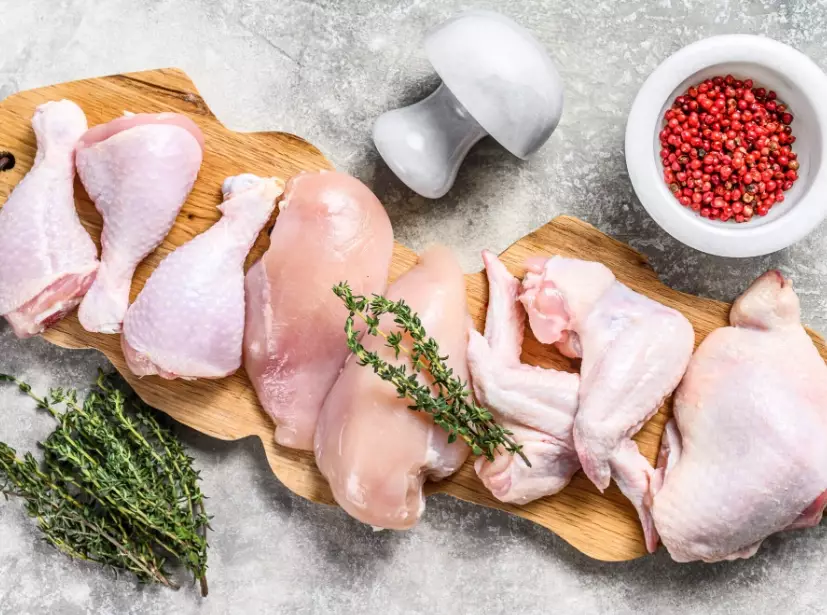
The Three Official White Meat Cuts:
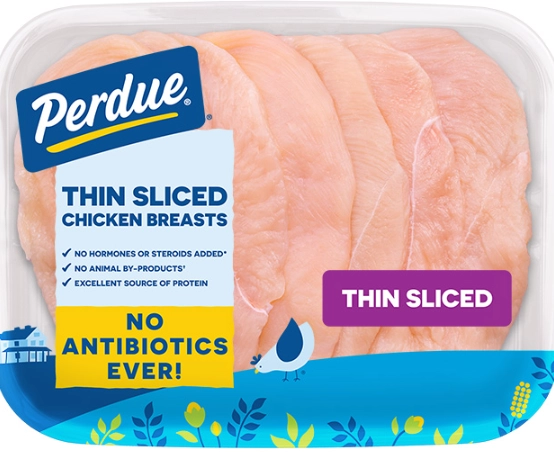
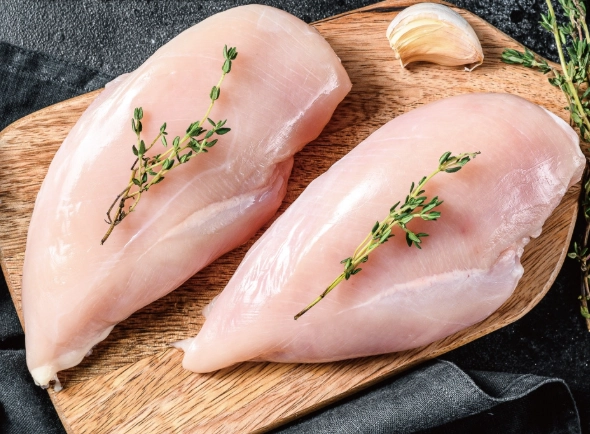
1. Chicken Breast: The undisputed king. It's the large, broad muscle covering the chest. It's lean, versatile, and the go-to for most healthy recipes. A single boneless, skinless breast can weigh between 6 to 8 ounces.
2. Chicken Tenderloin (or Tender): This is the small, strip-like muscle that runs along the underside of the breast. It's often removed and sold separately. It's the most tender part of the entire bird because it does the least work. Think of it as the filet mignon of the chicken.
3. Chicken Wing (The Wingette or "Flat"): This is the middle section of the wing, between the shoulder and the tip. The meat here is white, but it's attached to more skin, connective tissue, and bone than the breast, giving it a different texture and fat content. The drumette (the part that looks like a mini drumstick) is also considered white meat. The very tip is mostly skin and bone.
Here’s a quick visual breakdown of where to find white meat on a whole bird:
| Cut of Chicken | Officially White Meat? | Key Characteristics | Best For... |
|---|---|---|---|
| Whole Breast (bone-in or boneless) | Yes | Lean, thick, can dry out if overcooked. | Grilling, baking, slicing for salads/stir-fries. |
| Chicken Tenderloin | Yes | Extremely tender, cooks very fast. | Quick sautés, chicken fingers, kebabs. |
| Chicken Wing (Wingette & Drumette) | Yes* (the meat is white) | Higher skin-to-meat ratio, more connective tissue. | Frying, baking with sauce (buffalo wings). |
| Chicken Thigh | No | Dark meat, higher fat, more flavor, stays juicier. | Braising, stews, roasting, grilling. |
| Chicken Leg (Drumstick) | No | Dark meat, rich flavor, great for handheld eating. | Roasting, frying, barbecuing. |
The Big Debate: White Meat vs. Dark Meat
This is where preferences and myths collide. The choice isn't about which is "better," but which is better for your specific goal.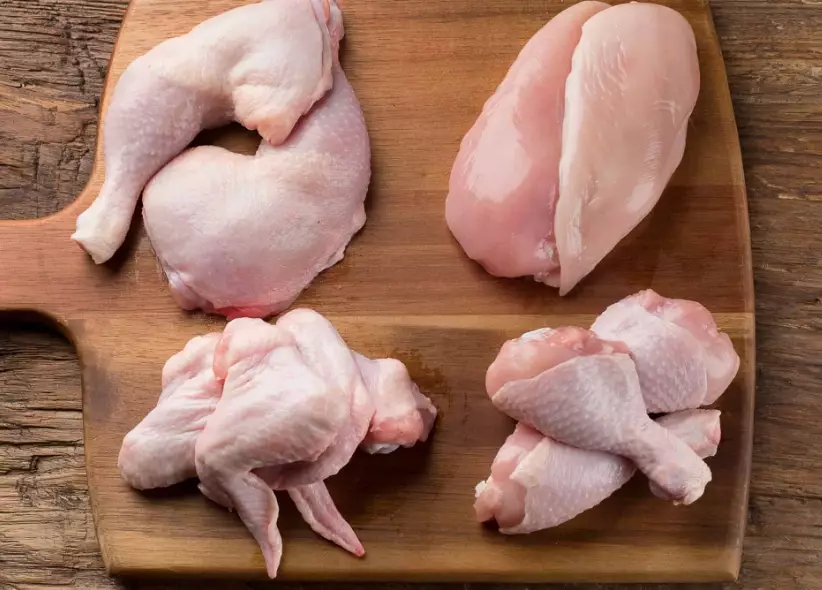
Nutrition: It's Closer Than You Think
We all know white meat is leaner. A 3-ounce serving of skinless, boneless chicken breast has about 165 calories and 3 grams of fat. The same serving of skinless, boneless thigh has about 180 calories and 9 grams of fat. The protein content is nearly identical (around 26-28 grams).
But here's the nuance everyone misses: that extra fat in dark meat is mostly unsaturated fat. It also contains more iron, zinc, and B vitamins like B12 and riboflavin, according to nutrient data from the USDA. Choosing white meat for a super-lean diet makes sense, but dismissing dark meat as "unhealthy" is a mistake. It's nutrient-dense.
Flavor and Texture: The Real Story
Dark meat wins on flavor and juiciness, hands down. The higher fat and connective tissue content means it's more forgiving during cooking and delivers a richer, more savory taste. White meat is milder and can be bland if not seasoned or cooked properly.
The biggest mistake home cooks make? Treating white and dark meat the same way in the same dish. If you roast a whole chicken at one temperature until the dark meat is done, the breast will be sawdust. The solution? Cook them separately, or use techniques that protect the breast (like covering it with foil for part of the roasting time).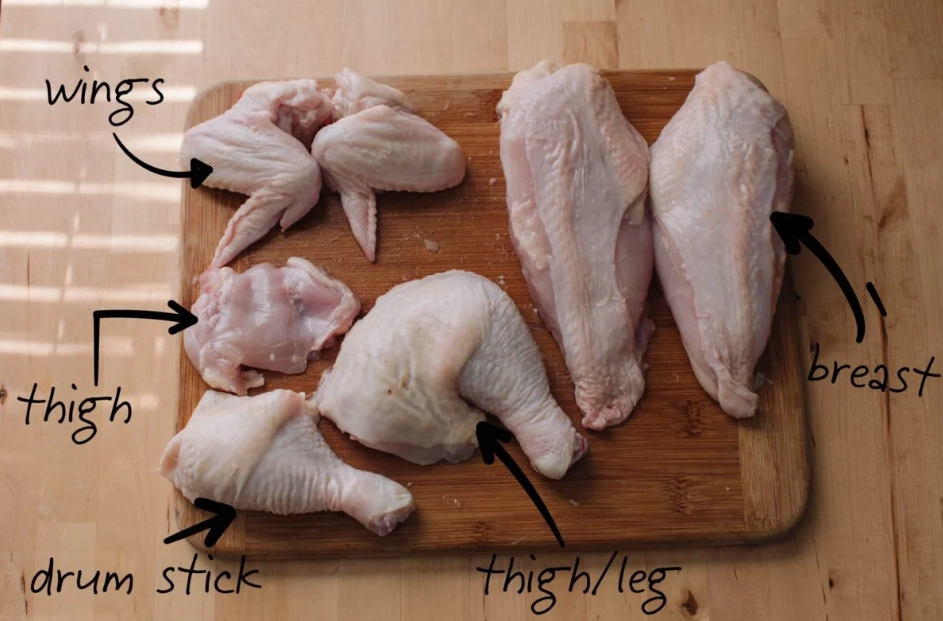
How to Cook White Meat Chicken Perfectly (Every Time)
Dry, tough chicken breast is a tragedy that happens in millions of kitchens weekly. It doesn't have to. The enemy of white meat is overcooking. Its low fat content means it has no buffer. The goal is to take it to the safe internal temperature of 165°F (74°C) and then stop immediately.
My personal rule, honed from years of trial and error: Pull it off the heat at 160°F (71°C). The residual heat will carry it to 165°F as it rests. This resting period (5-10 minutes under loose foil) is non-negotiable. It allows the tense muscle fibers to relax and reabsorb their juices.
Pro Techniques You Won't See on Every Blog:
Brine or Dry-Brine: Soaking breasts in a simple saltwater solution (1/4 cup salt per 4 cups water) for 30 minutes to 2 hours seasons them from the inside out and helps them retain moisture. No time? A dry brine—rubbing salt all over and letting it sit in the fridge for an hour—works wonders too.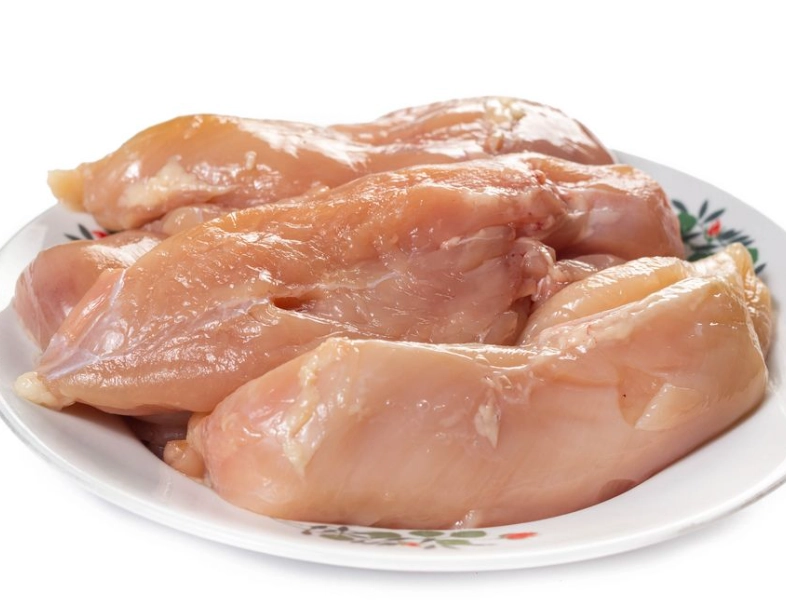
Pound to an Even Thickness: Breasts are always thicker at one end. Place them between plastic wrap and gently pound the thick end until the whole piece is an even ¾-inch thick. This ensures everything cooks at the same rate.
Embrace High Heat for Skin: If you're cooking skin-on breasts (which you should try for flavor), start them skin-side down in a cold oven-safe skillet. Render the fat over medium heat until the skin is golden and crisp, then flip and finish in a 400°F oven. This protects the lean meat from the direct high heat of the stovetop.
For tenderloins, treat them like seafood. A 2-3 minute sear in a hot pan is all they need. They go from perfect to rubber in seconds.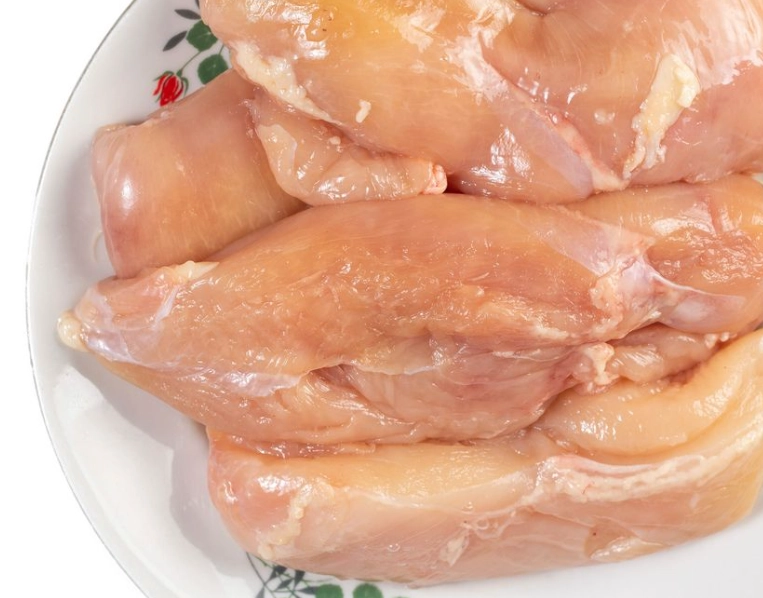
Your White Meat Questions, Answered
Is chicken tenderloin the same as chicken breast?
No, they're different muscles. The tenderloin is a smaller, separate muscle that lies underneath the main breast. It's significantly more tender because it's rarely used. You can think of the breast as the "workhorse" and the tenderloin as the "cushy desk job" of the chicken's anatomy. They're often sold together, but you can buy tenders separately for recipes where supreme tenderness is the goal, like quick stir-fries or chicken satay.
Why does my chicken breast always turn out dry and tough, even when I follow recipes?
You're almost certainly overcooking it, and your oven or pan might be running hotter than you think. Most recipes give a range of time ("bake for 20-25 minutes"). Your specific piece of meat, its thickness, and your appliance's quirks mean you should ignore the clock and use a meat thermometer. It's the single most important tool for cooking white meat. The second culprit is not letting it rest. Cutting into it right away lets all the precious juices run out onto the cutting board instead of staying in the meat.
Is white meat chicken healthier than dark meat?
"Healthier" depends on your goals. For a very low-fat, high-protein diet, skinless white meat is the winner. But if your diet lacks iron or you're looking for sustained energy, dark meat offers valuable nutrients. The healthiest choice is often a mix. The biggest impact on health comes from preparation: a skinless, baked breast is healthier than a deep-fried one, regardless of the cut. Don't fear the fat in dark meat—it's part of a balanced diet.
Can I substitute chicken thighs for chicken breast in any recipe?
You can, but you'll need to adjust. Thighs take longer to cook because they're darker meat and often have more connective tissue. If a recipe for breast says "sauté for 6 minutes per side," thighs might need 8-10. Also, thighs will release more fat and liquid as they cook, which can affect sauces. The flavor will be richer and more savory. It's a great swap for stews, curries, or sheet-pan dinners, but for a light lemon chicken piccata, the breast's mildness is usually preferred.
What's the deal with "woody breast" in chicken? Is it only in white meat?
Unfortunately, yes, this is a white meat (primarily breast) issue. It's a quality condition where the muscle fibers become hard and stringy, giving the cooked chicken an unpleasant, crunchy texture. It's thought to be linked to fast-growing bird breeds. You can't always tell by looking at the raw meat, but breasts that are unusually large, very firm to the touch, or have visible white striping are more likely to be affected. If you encounter it, there's not much you can do cooking-wise. Your best bet is to buy from brands known for higher welfare standards or slower-growing breeds, though this isn't a perfect guarantee. It's a frustrating modern problem for chicken lovers.
So, the next time a recipe calls for white meat, you'll know exactly what to reach for. You'll understand why the breast behaves differently from the thigh, and you'll have the tools to cook it so it's juicy and full of flavor, not a bland, dry chore. It's not just about identifying a part of the chicken—it's about unlocking better, more confident cooking.
Related Articles